Family Friendly & Specialty Dentists in London, UK
Inlays and onlays are restorations used to repair decayed or damaged teeth where a filling is too small but a full crown is not yet required. We assess the longevity and suitability of these restorations during your consultation.
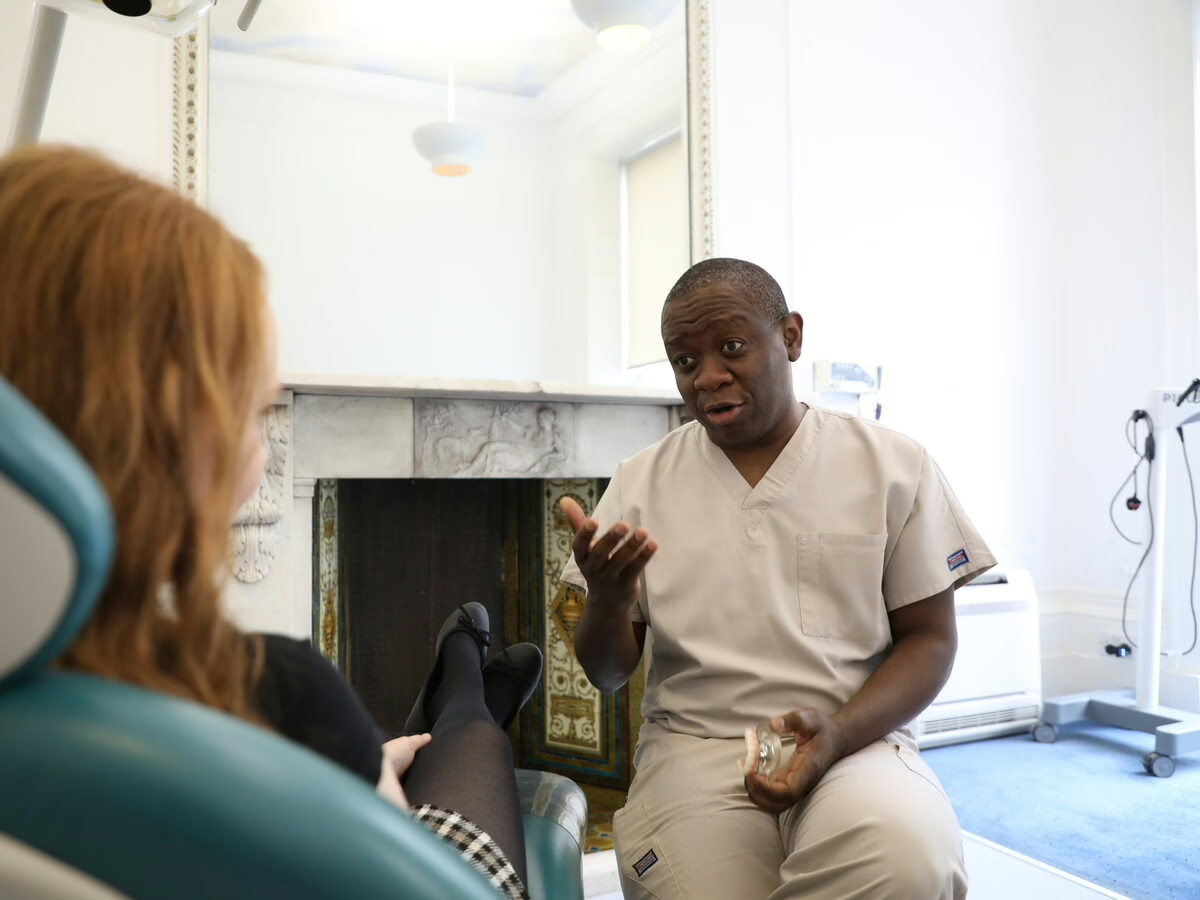
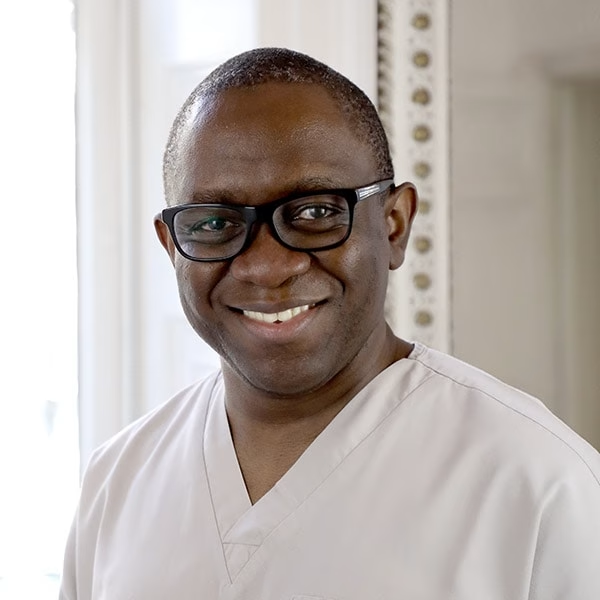
Our clinical lead, Dr Ope Sodeinde, oversees the precision of every restoration.
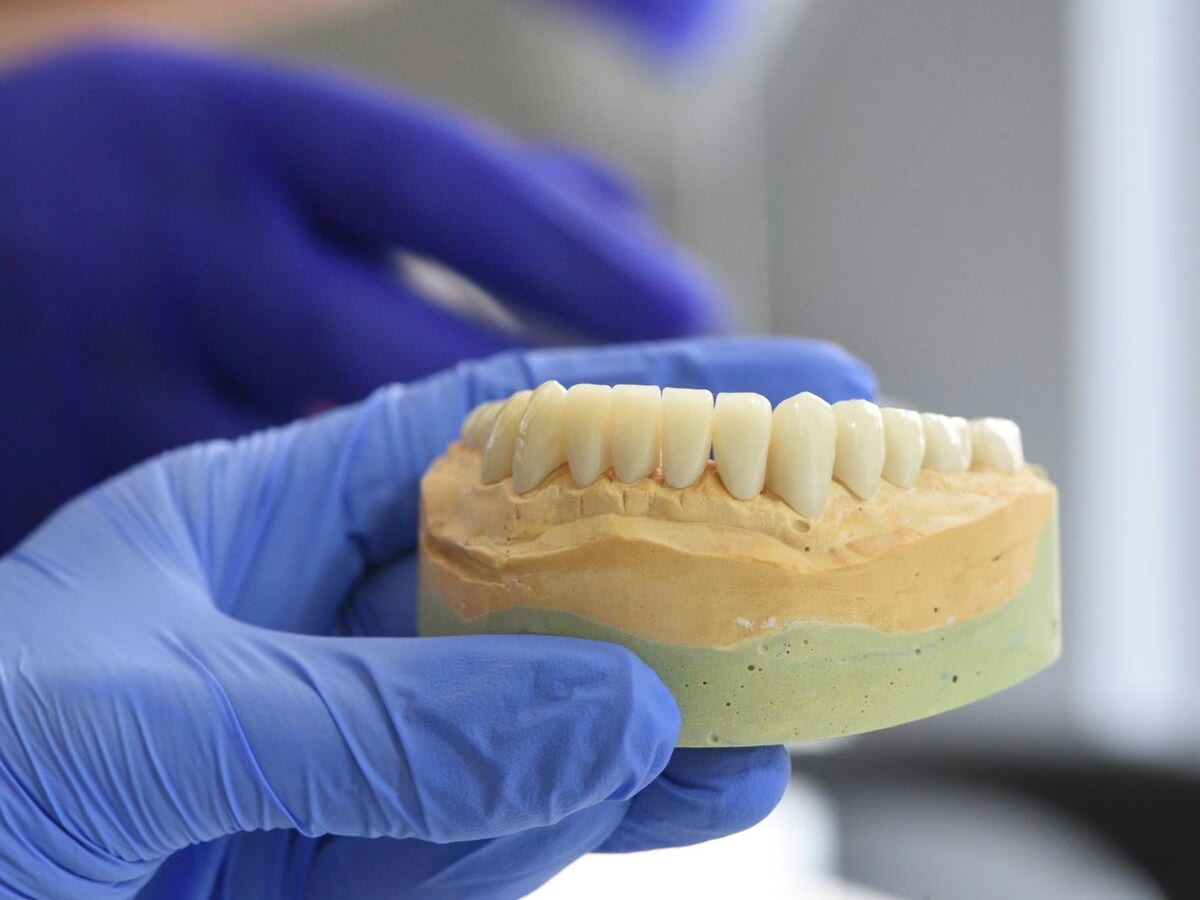
Dental infection can spread to adjacent teeth if left untreated. When decay is too detailed for a simple filling, tooth-coloured restorations replace the damage with durable materials to preserve the remaining tooth structure. We use ceramic inlays and ceramic onlays to restore strength and function. These are precise, lab-crafted inserts that fit into the tooth to prevent further deterioration. If you are considering cosmetic dentistry in London, our digital imaging systems support accurate diagnostics and treatment planning for these restorations. We follow standard infection control protocols throughout the process.
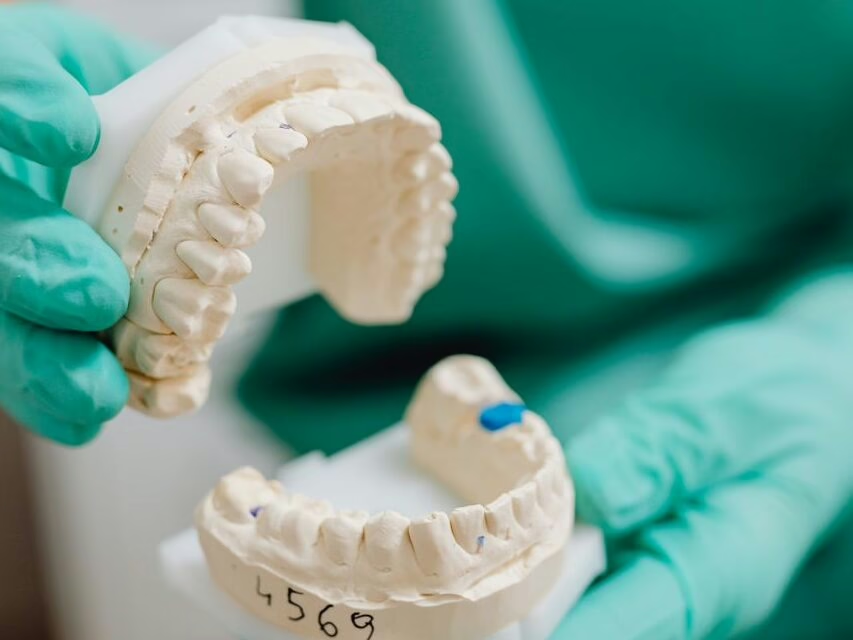
Choosing the wrong restoration can lead to premature failure. Specialist-led planning means the material and fit are checked as clinically correct for your specific tooth structure. This diagnosis-first approach reduces the risk of replacing work too soon.
Cost is often the first concern for patients. We provide an itemised quote, so you understand exactly what you are paying for before treatment begins. You can find more details on cosmetic dentistry costs in London to help plan your budget.
Our clinical focus is on precision. If you are also looking to brighten your teeth, we provide in-practice whitening to complement your new restorations. Dr Sodeinde oversees the clinical standards of our work so every restoration is stable and functional.
Leave your number and we will call you back. Nothing is booked until you say so.
Many people feel a sense of discomfort when they notice enamel damage or old, failing fillings. It is a common concern. We use these restorations to preserve as much of your natural tooth as possible. This is a stronger alternative to a standard filling. While veneers cover the front surface, these are used for the biting surfaces and interior walls of the tooth. We match your natural shade for a discreet finish, aiming to avoid a fake look. You can pair this with take-home whitening kits for a brighter result. Once fitted, we provide a cosmetic dentistry aftercare guide to help you maintain the restoration. If you feel anxious about visiting the dentist, we provide a calm environment to put you at ease.
To determine if you are a candidate, book a clinical assessment.
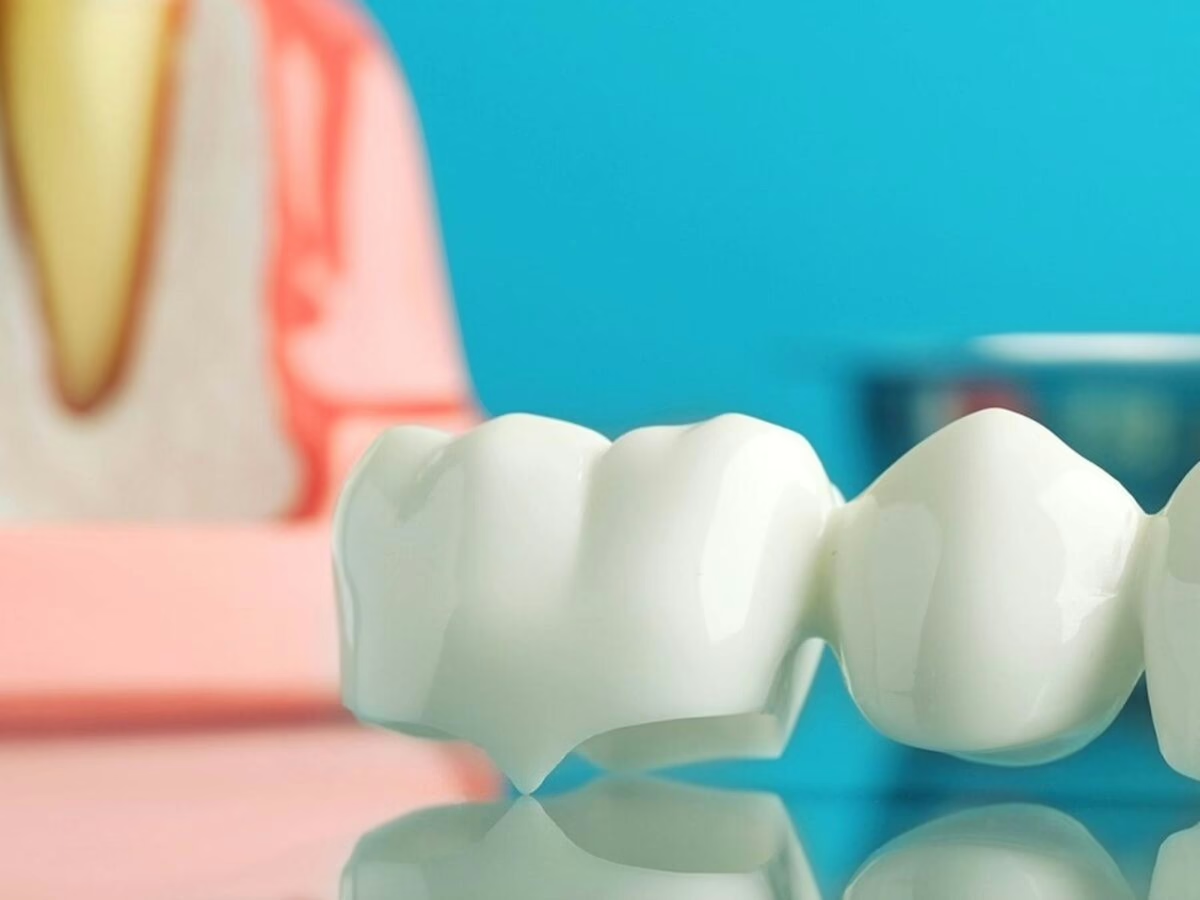
As with our other restorations, we assess your suitability at a consultation, take an impression so the inlay or onlay is lab-crafted to fit your tooth exactly, and fit the restoration to preserve as much natural tooth structure as possible.
Read next: porcelain veneers.
We use ceramic inlays and onlays to create natural-looking, durable results. These restorations combine beauty with function, building aesthetic improvements on a foundation of good oral health. We aim to keep treatment as comfortable as possible.
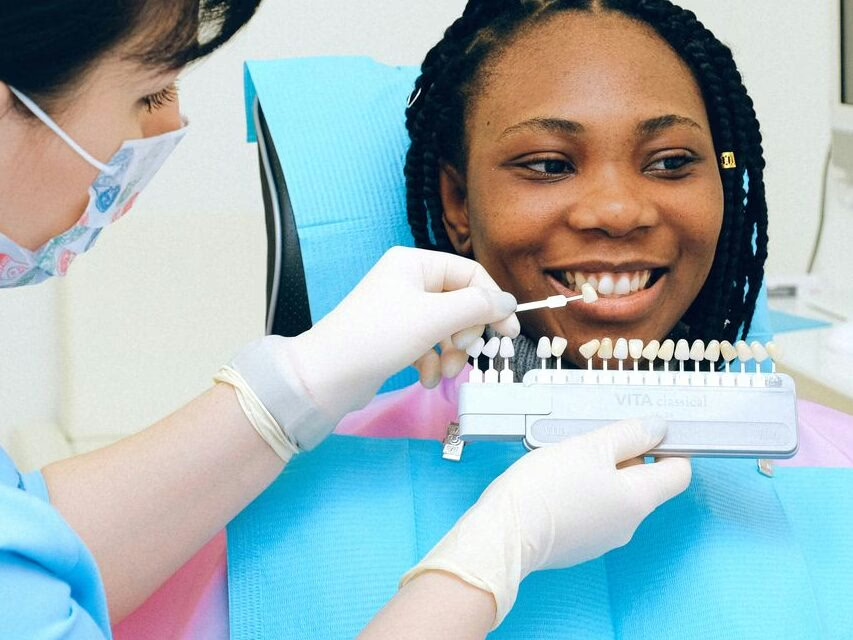
Our team takes your unique facial features into account. We use digital smile design software to create a virtual preview of your new smile, so you can see the plan before treatment begins.
These restorative interventions work alongside other cosmetic dentistry to improve the smile's overall harmony and patient self-confidence. All clinical planning is led by Dr Ope Sodeinde, our specialist periodontist (GDC No. 104071), who leads the practice.
These are custom-made restorations used to repair damaged teeth. We use them when a filling is too small but a crown is not yet necessary. They are crafted in a lab to fit the exact shape of your tooth.
An inlay fits within the centre of the tooth. An onlay is larger and covers one or more of the tooth's cusps. Both provide more strength than a standard filling. If you want to brighten your smile first, we provide laser teeth whitening.
Fees vary with the size of the restoration and the material used. We give you a precise cost breakdown during your consultation after we assess the damage to your enamel.
The lifespan of these restorations depends on your oral health and the material selected. We discuss the expected longevity and maintenance requirements during your clinical assessment.
We determine the most effective way to restore your tooth during a clinical examination. This assessment identifies whether an inlay or onlay is the right choice for your specific case. You can learn what happens at your cosmetic dentistry consultation and how to book to discuss your requirements with your specialist periodontist.
Our team provides a range of cosmetic dentistry in London to address tooth decay or fractures, and we check the chosen material and fit provide the necessary strength for your bite.
020 7589 7792
We can combine restorations with other treatments to improve the overall appearance of your teeth. You may wish to see in-practice whitening or take-home whitening kits to brighten your natural shade. For those seeking specific technologies, we provide zoom whitening and laser teeth whitening. We also use digital smile simulation which lets you visualise the final result before we begin. For details on cosmetic dentistry costs in London, please refer to our pricing guides.
We give you a written plan and an itemised quote that is yours to keep and use at any other practice. Arrange your assessment with Dr Sodeinde to determine the right restoration for your teeth.
020 7589 7792
Real, verified Google reviews from patients of London Dental Specialists.
Your details are used to arrange your appointment and for nothing else.
111 Regent's Park Road, Primrose Hill, London NW1 8UR
Use our contact page if you would rather ask something than book.
