Family Friendly & Specialty Dentists in London, UK
Infant oral care is the first look at a baby's gums and emerging teeth, plus practical guidance for parents on cleaning, feeding and teething. At our Primrose Hill practice we aim to make this first visit calm and short.
Our dentists carry out these visits.

Noticing a change in your baby's gums or first teeth can be unsettling. Early decay in baby teeth is common, often linked to bottles at night or frequent sweet drinks, and it can progress quickly. Our paediatric dentistry in London starts here, with checking the first teeth and showing you how to keep plaque off them.
As your child grows, the same team provides fluoride treatments and cleanings, and where a baby tooth is badly damaged, a paediatric crown to protect it. We use dental x-rays only when they are needed and your child can manage them.

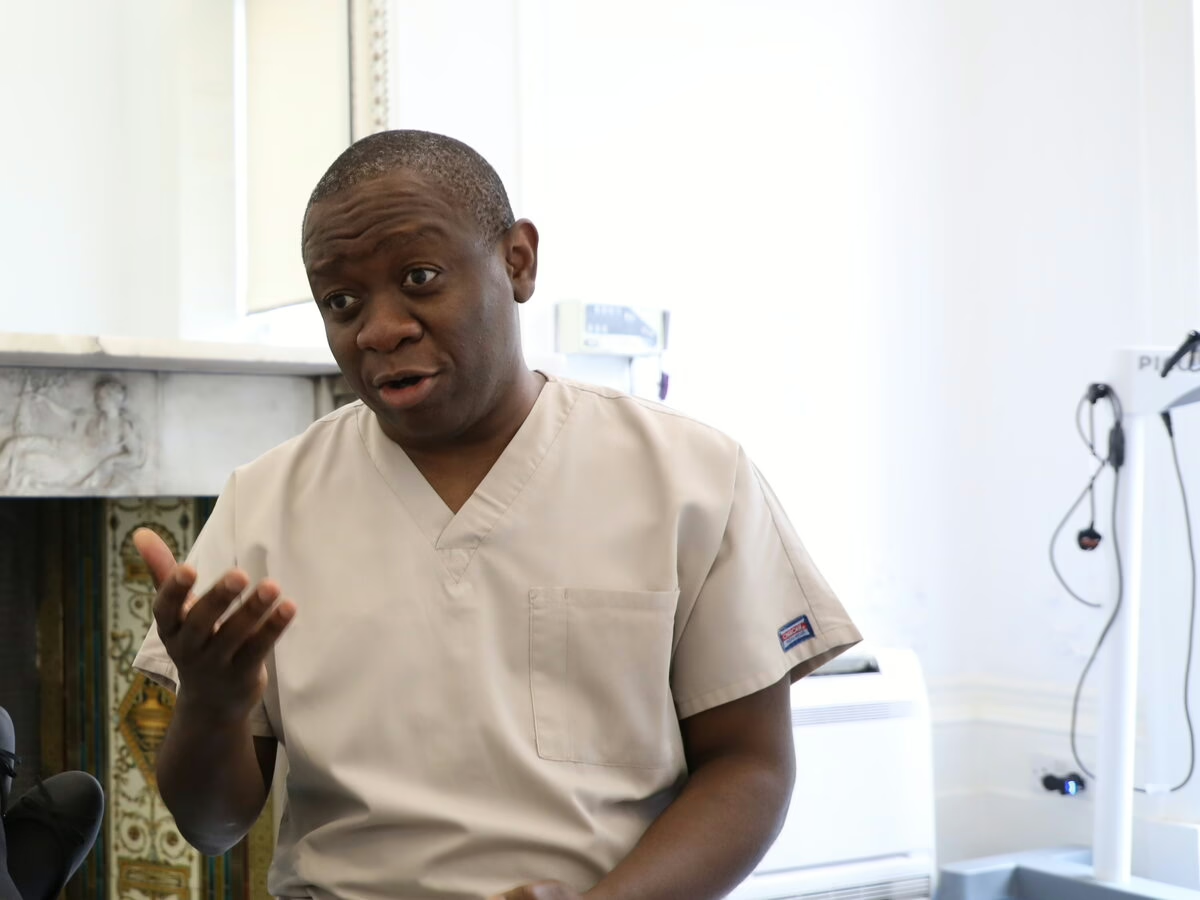
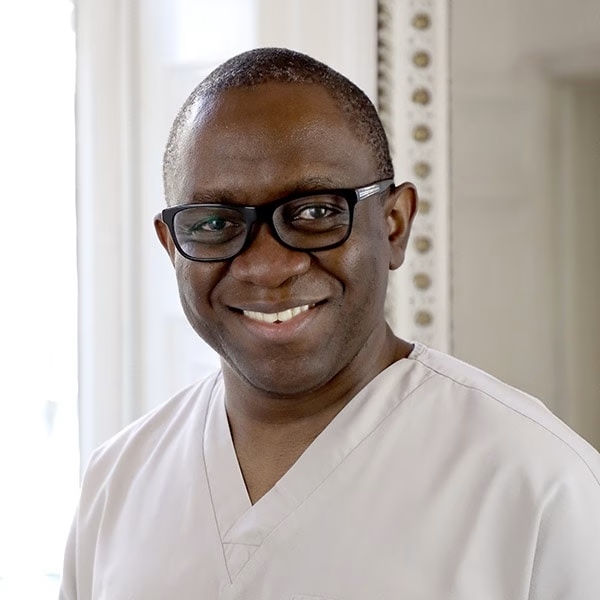
Children's care is provided by our dentists, with the practice led by Dr Ope Sodeinde, GDC-registered specialist periodontist (GDC No. 104071). We look first, then advise, so nothing is suggested that your baby does not need.
Costs are itemised at the consultation. As your child grows we also provide oral health education for children and parents, diet and nutrition counselling for families, and sports guards for young athletes.

Leave your number and we will call you back. Nothing is booked until you say so.
Babies and toddlers, from the first tooth. Many parents feel they have left it late; the first visit is about prevention and there is nothing to feel guilty about. We keep the visit gentle so your baby's first memory of the dentist is a neutral one. We can also help you understand which of our children's dental treatments fits your child's stage of development.
A first visit lets us check your baby's mouth and answer your questions about costs and timing.
Book once the first tooth appears. We keep the appointment short and relaxed.
We look at your baby's gums and emerging teeth, often with your baby on your lap. We tell you what we see and anything to watch for.
We show you how to clean your baby's mouth and first teeth, and what to do about night feeds and teething. Our guide to children's dental exams and cleanings covers the years that follow.
Babies and parents are often uneasy at first. We go slowly and stop if your baby has had enough; the point is trust for future visits.
We agree how often to come back so we can watch the teeth come through, based on your child's needs.
Our clinical team provides children's dental exams and cleanings, fluoride treatments, and dental hygiene for children and teens as your child grows.
For infants whose feeding is affected by a tongue tie, we provide diode laser tongue-tie division at Primrose Hill. We also give families nutrition advice.

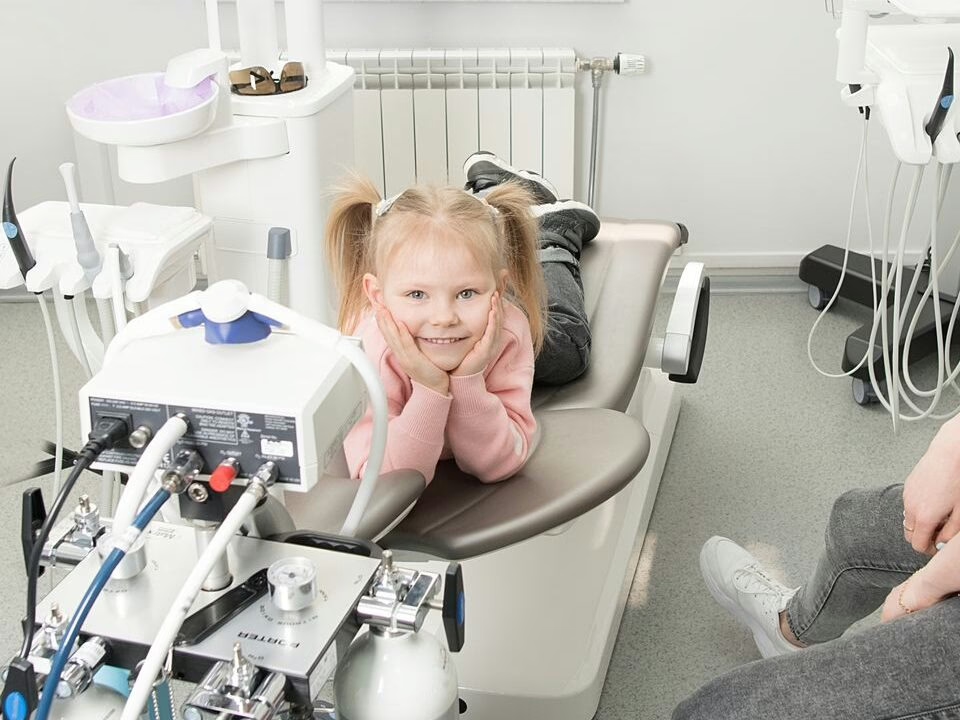
We confirm the cost at the initial consultation, once we have seen your baby.
It depends on your baby, and we stop when they have had enough. The first visit is about looking, talking and establishing a baseline.
Any baby with a first tooth, and any parent with questions before then. We keep distress low and there is no blame for late starters.
We agree that at the first appointment. Early, regular visits are how we catch problems while they are small.
Our dentists carry out these visits at the practice in Primrose Hill.
Our dentists give your child a gentle introduction to oral health. We assess your baby and give early-care guidance during a children's dental consultation, which you can book here.
020 7589 7792
Infant care leads into oral health education for children and parents, diet and nutrition counselling for families to prevent early decay, and, later, sports guards for young athletes.
A consultation lets us assess your child and set a care plan for their age.
After the assessment you receive a written plan and an itemised quote for your child, which is yours to keep. Arrange your assessment with the team to plan the next steps for your baby's oral health.
020 7589 7792
Real, verified Google reviews from patients of London Dental Specialists.
Your details are used to arrange your appointment and for nothing else.
111 Regent's Park Road, Primrose Hill, London NW1 8UR
Use our contact page if you would rather ask something than book.
