Family Friendly & Specialty Dentists in London, UK
Nerve repositioning is a surgical procedure used to move a nerve away from a planned implant site to prevent permanent damage. We perform this at our Primrose Hill practice to protect your lower jaw nerves during complex restorations.
The duration of the procedure and the recovery period vary based on your anatomy. We determine the exact timing and clinical requirements during your initial consultation with Dr Ope Sodeinde.
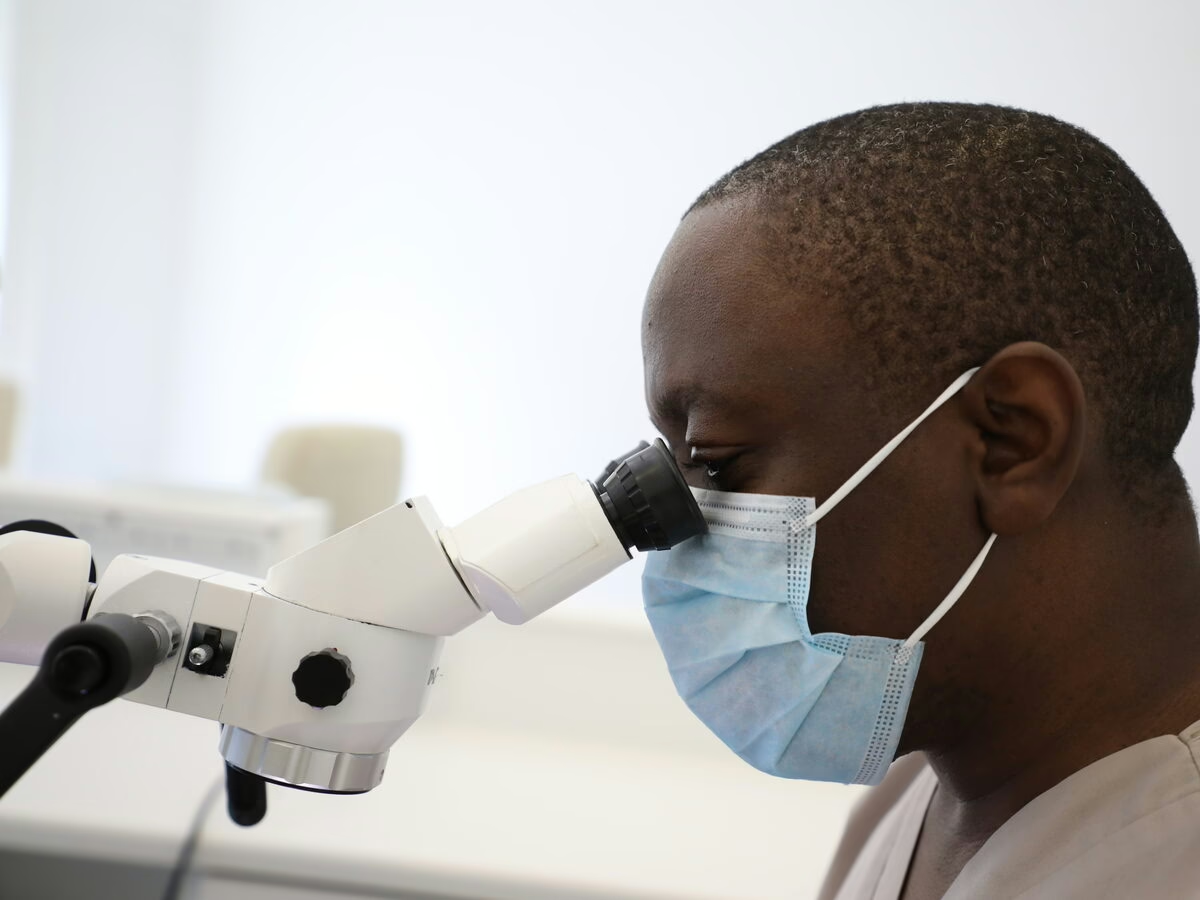
Persistent pain or swelling in the jaw can be frustrating when the cause is not immediately clear. We use current diagnostic imaging to accurately identify oral pathologies. This precision is vital for those experiencing chronic TMD symptoms or jaw abnormalities. If you require oral surgery in London, we provide a range of interventions including surgical extractions and wisdom teeth removal to resolve crowding and inflammation. Our team follows strict infection prevention protocols throughout the process. A consultation with Dr Sodeinde allows us to assess your specific anatomy and determine the most appropriate treatment option for your needs.
Choosing the wrong surgical approach can lead to permanent nerve damage. We mitigate this risk through specialist-led planning, where the specialist periodontist oversees the diagnostic process to map the precise path of the nerve. This level of oversight is critical for complex cases, including computer guided surgery to increase accuracy.
Cost is a primary concern for most patients. You get a diagnosis-first consultation so you only pay for the necessary intervention. This transparent approach extends to our other oral services, such as scar revision, soft tissue injuries repair, and dental injuries treatment.
Leave your number and we will call you back. Nothing is booked until you say so.
Many people feel anxious about the possibility of nerve damage or a serious diagnosis. We understand that these concerns can make the idea of oral surgery feel daunting. We can explain how this procedure creates the necessary space for implants by moving the nerve safely. If you are unsure which oral surgery procedures fit your needs, we can help you decide. An examination with your specialist periodontist determines if you are a candidate for this specific approach.
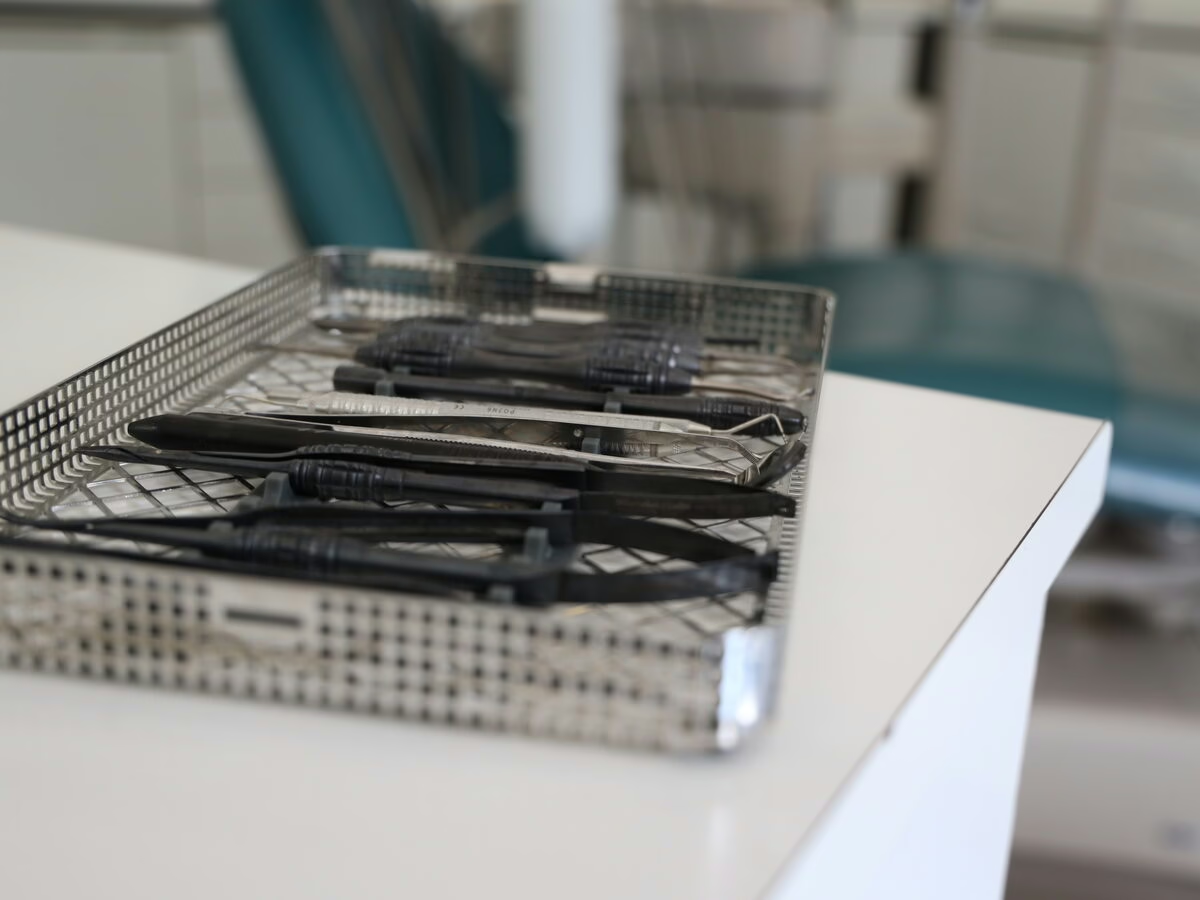
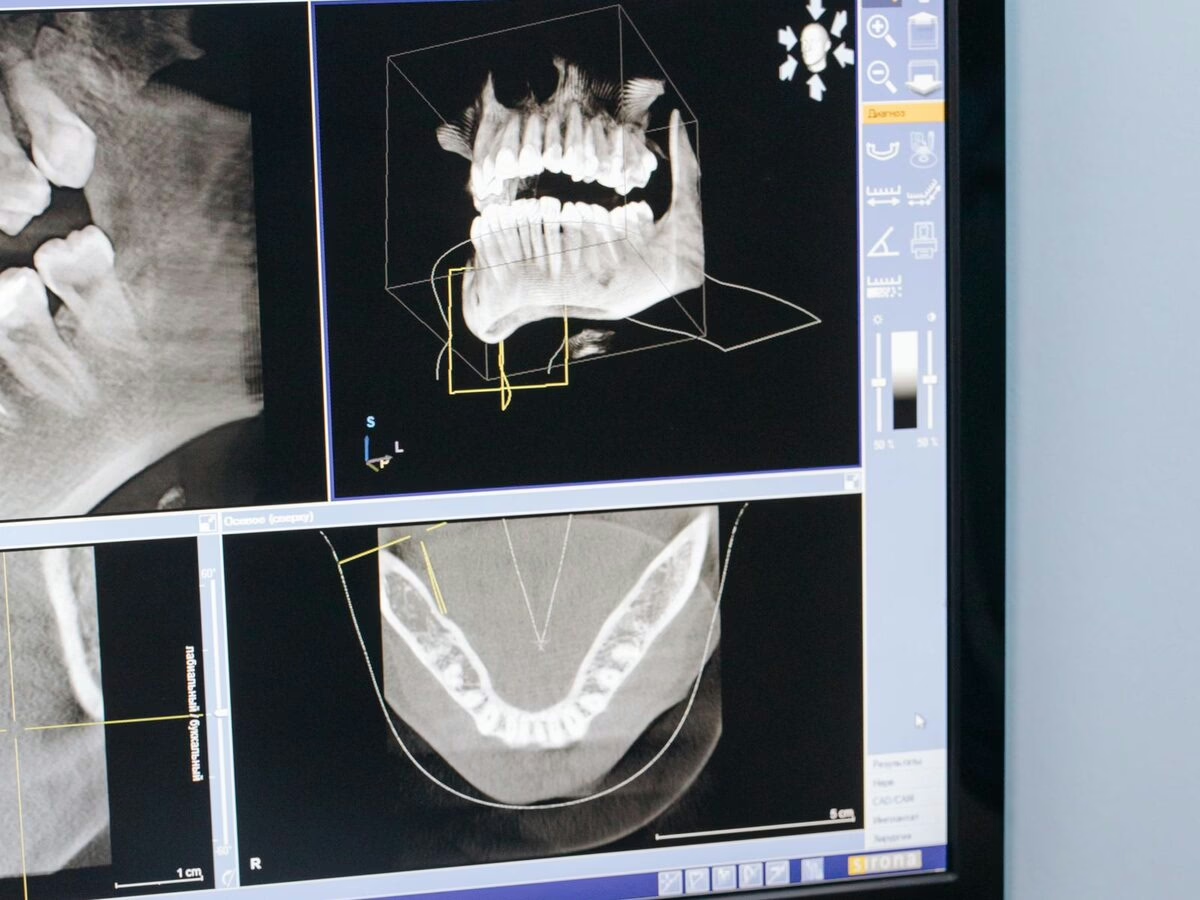
We begin by identifying the exact position of the nerve. This stage shows whether you are suitable for the procedure. We use this data to plan the movement of the nerve, ensuring it is clear of the area where you need further work, such as surgical extractions.
We carefully move the nerve to a new position. This is a precise surgical action. We are honest about the fact that complications can occur with any surgery, so we discuss these risks with you beforehand.
Recovery involves a period of healing. Some patients find the time between visits a concern, but we provide a clear timeline for your follow-up. We use anaesthesia for patients who feel anxious during the procedure.
We monitor the area to check the nerve has settled in its new position. This review confirms the site is stable, and that the nerve is safely away from the target area before any subsequent dental work begins.
Once the nerve is repositioned and healed, we perform a final check. This confirms the path is clear. We then coordinate with your other clinicians to proceed with your remaining treatment plan.
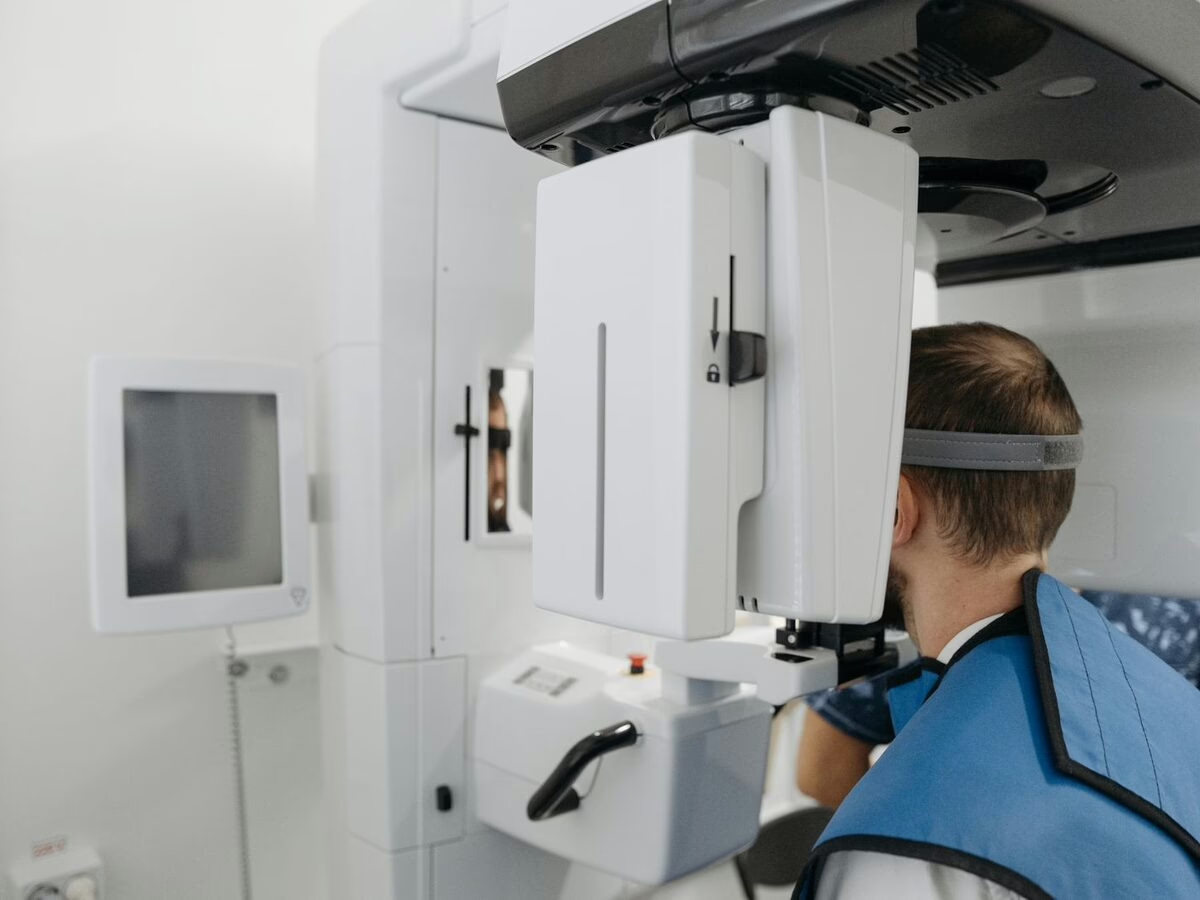
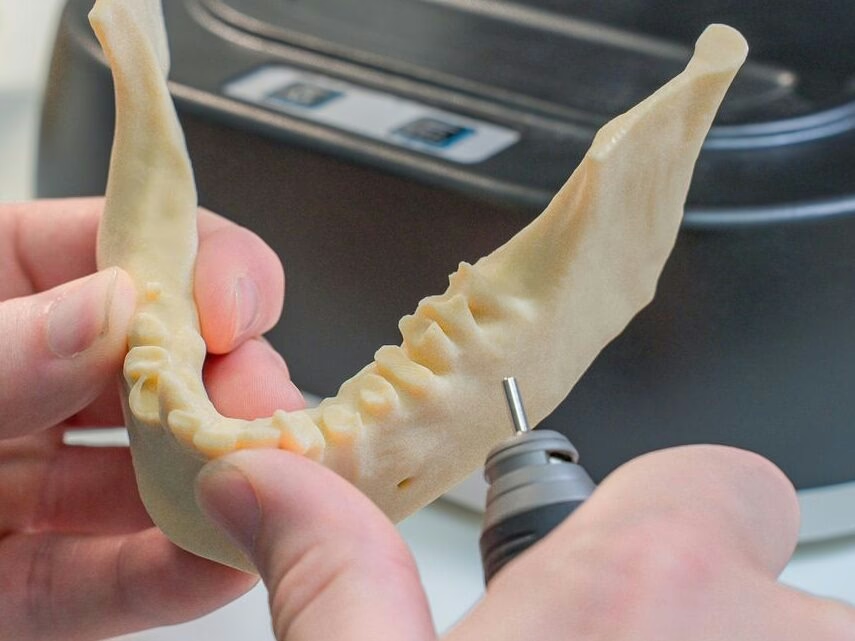
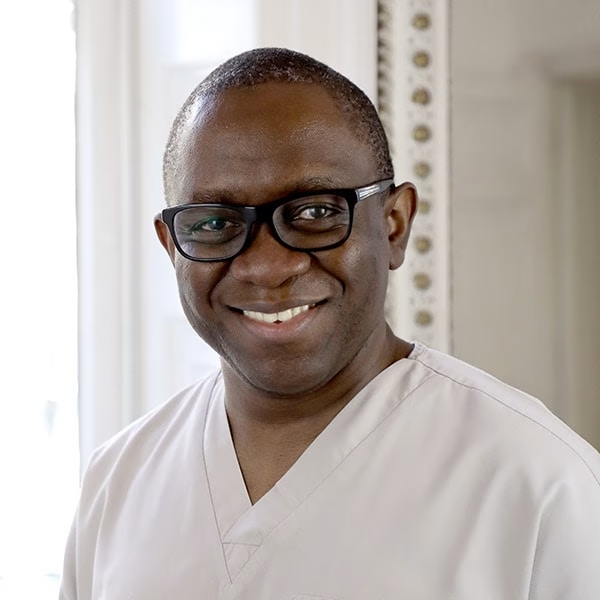
We use 3D imaging technology to plan surgery and check optimal placement. These procedures are led by Dr Ope Sodeinde, GDC-registered specialist periodontist (GDC No. 104071), whose surgical work includes extractions, wisdom teeth removal, and implant surgery.
Our reputation is built on a calm, unhurried manner and a commitment to honest options. We provide no-pressure consultations.
Our focus remains on the professionalism of the care provided. We understand that anxiety is a common concern for those requiring oral surgery. We aim for a supportive environment and clear communication throughout your visit.
A consultation means we can assess your specific anatomy and determine if this procedure is suitable for you. We can then discuss the expected timeframe and costs for your case. To arrange an assessment, you can book an appointment or call 020 7589 7792.
Fees are determined during your clinical assessment. We give you a clear breakdown of costs once we have examined your anatomy and planned the specific requirements of your case.
The duration of the procedure depends on the complexity of the nerve position. We discuss the expected timeframe for your specific surgery during your consultation.
We use anaesthesia during the surgery so you do not feel pain. Any potential for post-operative discomfort is managed with a recovery plan discussed with you beforehand.
The repositioning of the nerve is a permanent structural change. We discuss the long-term stability of the result during your consultation.
We determine if you are suitable for this procedure during a clinical examination. Dr Sodeinde assesses your anatomy to plan the precise movement of the nerve. You can learn what happens at your oral surgery consultation and how to book to begin this process.
We provide this and other oral surgery in London at our Primrose Hill practice. Our team focuses on the technical requirements of your case to keep the nerve repositioning safe.
You get a range of surgical interventions at the practice in Primrose Hill. Depending on your clinical needs, we can provide computer guided surgery for increased precision. We also treat dental injuries and soft tissue injuries repair. If you require scar revision, your specialist periodontist can assess your requirements during a consultation.
You will receive a written plan and an itemised quote during your assessment with Dr Sodeinde. This plan is yours to keep and can be used at any other practice. Arrange your assessment with the clinician for £245, which is credited toward your treatment. Payment particulars can be discussed with our staff.
Real, verified Google reviews from patients of London Dental Specialists.
Your details are used to arrange your appointment and for nothing else.
111 Regent's Park Road, Primrose Hill, London NW1 8UR
Use our contact page if you would rather ask something than book.
