Family Friendly & Specialty Dentists in London, UK

Managing aligners during social events requires strategic meal timing and portable hygiene essentials. Eat before gatherings to minimise aligner removal and maintain the recommended 20-22 hours of daily wear. Pack a travel kit with a toothbrush, toothpaste, floss, and aligner case for discreet cleaning in public restrooms. Choose quick-eating foods like sandwiches and fruit to reduce time without aligners. Practise speaking beforehand to boost confidence. Open communication with friends normalises the experience. Several strategies exist to support social engagement whilst maintaining consistent treatment adherence.
Why not view your aligner treatment as an opportunity rather than an inconvenience? Embracing your Invisalign journey can help build confidence as teeth gradually shift into alignment. This mindset transforms the experience from a burden into a source of personal pride.
Maintaining a positive attitude throughout treatment may enhance both self-esteem and social interactions. The nearly invisible design allows wearers to engage naturally with others without drawing unwanted attention to their orthodontic care.
Acknowledging treatment progress through small milestones reinforces commitment and motivation. Each week represents tangible advancement towards the desired outcome. Working with GDC-registered specialists ensures you receive expert guidance to maximize your treatment results and maintain motivation throughout your journey.
This recognition cultivates a sense of achievement that extends beyond aesthetics.
A well-stocked travel kit transforms aligner management during social events from a logistical challenge into a manageable routine. Essential items include a toothbrush, toothpaste, floss, and a protective aligner case. These portable hygiene tools enable discreet cleaning in public washrooms after meals or snacks, supporting the 22-hour wear time commitment.
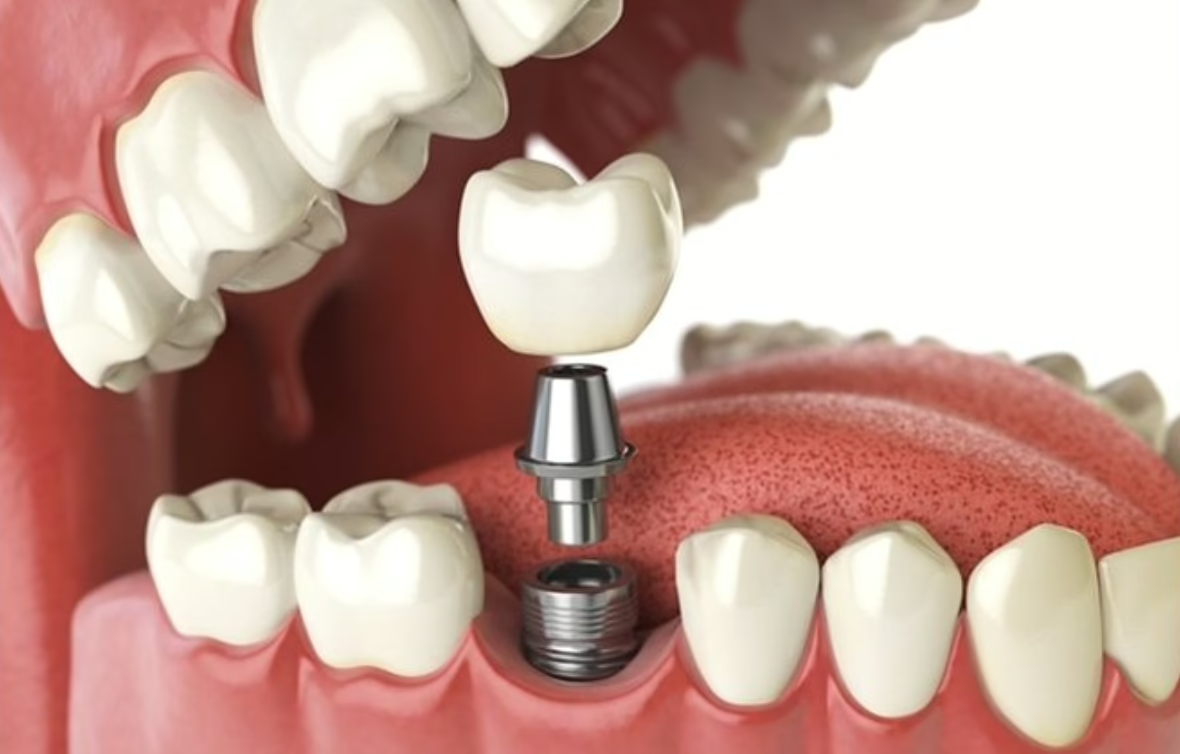
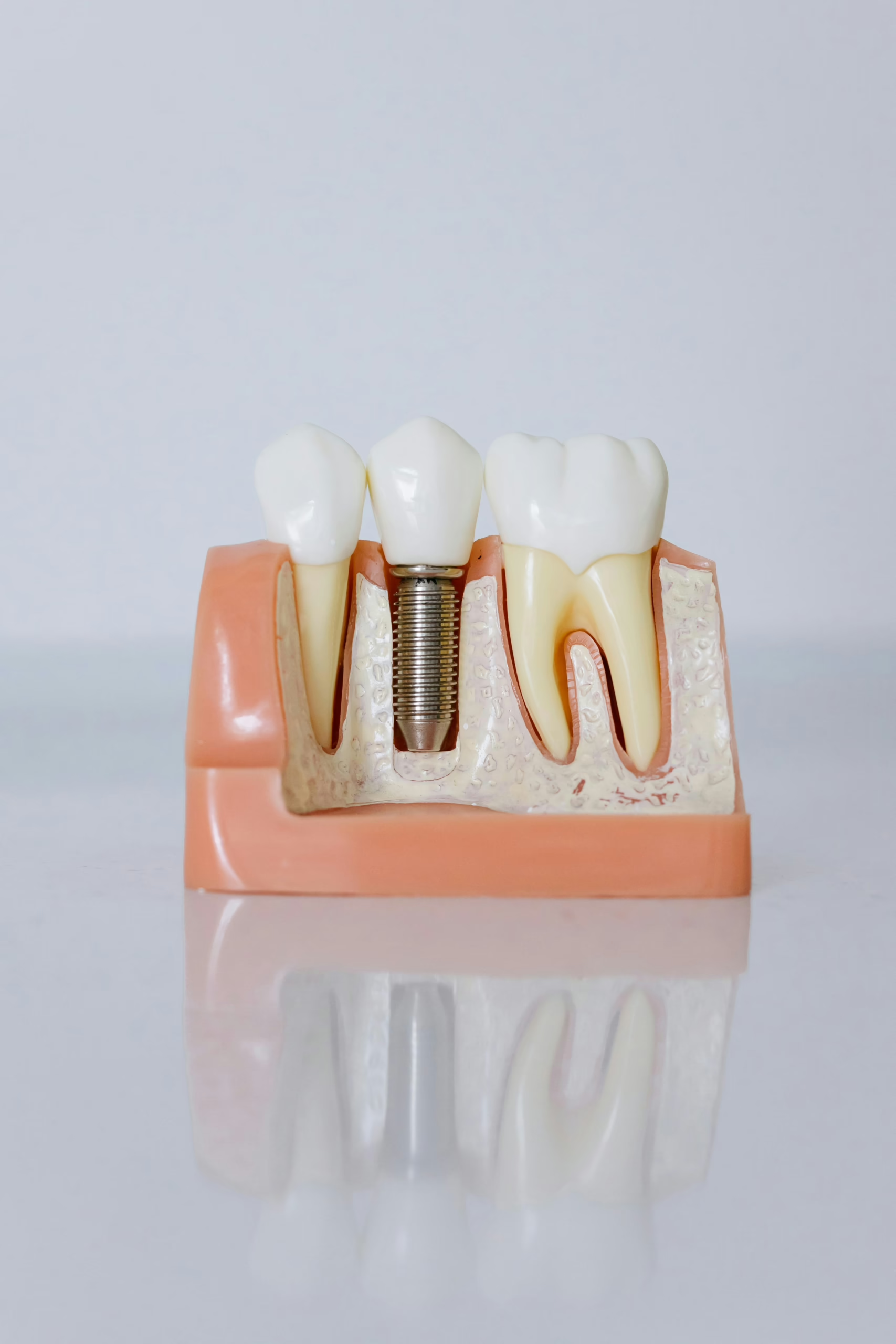
Maintaining aligners consistently requires removing them only when necessary. A dedicated travel kit helps ensure users can clean both teeth and aligners before reinsertion, preventing bad breath and preserving alignment effectiveness. For those interested in comprehensive smile transformations beyond aligner treatment, advanced dental implant solutions offer permanent alternatives for missing teeth.
A dedicated travel kit enables consistent aligner maintenance, ensuring clean teeth and aligners before reinsertion to prevent bad breath and preserve alignment effectiveness.
By keeping hygiene supplies readily accessible, individuals may reduce stress during outings whilst maintaining their oral hygiene routine.
An organised travel kit demonstrates dedication to treatment success, enabling wearers to confidently navigate social events without compromising their aligner care standards.
Strategic meal timing allows aligner wearers to minimise removal periods whilst maintaining the recommended 20-22 hours of daily wear at social events.
Selecting quick-to-eat options enables faster reinsertion of aligners, reducing downtime between courses or activities.
This approach balances social participation with consistent orthodontic treatment. Complementing aligner therapy with professional orthodontic guidance from specialists ensures optimal results throughout your treatment journey.
Maintaining the recommended 22-hour daily wear time for aligners whilst enjoying social occasions requires thoughtful planning around mealtimes.
Strategic meal timing supports aligner compliance during social gatherings. Eating beforehand helps minimise the duration aligners are removed and supports adherence to the treatment schedule.
Practical considerations for social dining:
This approach may help individuals participate in social activities whilst supporting their orthodontic treatment plan.
Pre-event eating can reduce the need to remove aligners during social interactions. When aligners remain in place throughout social engagements, this can support better compliance with wear-time recommendations, which may contribute to more predictable tooth movement.
For personalised guidance on managing aligner wear during your daily routine, please consult with your treating clinician.
Whilst pre-event eating reduces aligner removal during social gatherings, selecting the right foods makes the removal process itself more efficient.
Finger foods and small portions require minimal eating time, allowing wearers to remove aligners briefly and reinsert them quickly, maintaining the critical 20-22 hour wear window.
Quick eating solutions include items like sandwiches, cheese, fruit, or appetisers that don't demand extended consumption periods. This approach supports consistent meal timing without compromising treatment progress.
Equally important is maintaining oral hygiene between meals. Before reinserting aligners for the remainder of the event, brushing and flossing prevents food debris buildup.
Keeping an aligner case accessible ensures safe storage during eating.
Maintaining the recommended 20-22 hours of daily wear time forms the foundation of successful Invisalign treatment. Consistency directly impacts how quickly teeth move and treatment progresses. Managing Invisalign wear time during social situations requires strategic planning.
Tips to help achieve this goal include organising meals strategically and utilising technology for tracking. Unlike traditional metal braces that are bonded to teeth, aligners offer the flexibility of removal, making custom retainers an essential component of maintaining your results long-term after treatment completion.
Removing aligners gracefully in social settings requires minimal preparation and strategic timing. Finding a private restroom offers an ideal space for discreet removal without drawing attention.
A compact aligner case with an integrated mirror enables quick, seamless transitions during social interactions. Developing a consistent routine streamlines the removal, rinsing, and storage process, reducing anxiety during social gatherings.
Timing removal strategically—such as before meals or beverages—maintains natural conversation flow and prevents awkward interruptions. Carrying a portable travel kit with cleaning supplies ensures proper oral hygiene and seamless reinsertion when needed.
Strategic timing of aligner removal before meals maintains conversation flow while a portable travel kit ensures optimal hygiene and seamless reinsertion.
To maintain optimal results, consider using recommended aftercare products such as aligner cleaning solutions and portable cases, which are specifically designed to support the discreet management of your aligners throughout the day. This preparation maintains confidence throughout events whilst supporting the recommended wear requirement. By practising these discreet techniques, wearers can navigate social situations comfortably whilst staying committed to their orthodontic treatment.
Maintaining excellent oral hygiene whilst wearing Invisalign directly impacts confidence during social interactions, as clean teeth and aligners help ensure fresh breath.
A post-meal cleaning routine—brushing teeth and rinsing aligners—prevents food particles from accumulating and causing odours. Regular aligner maintenance also prevents stains and discoloration, allowing wearers to feel confident their smile remains discreet and polished in any social setting. Proper oral hygiene practices also help prevent bleeding gums and other periodontal issues that could compromise both comfort and appearance during social events.
A foundation of good oral hygiene transforms social interactions by ensuring fresh breath and a clean smile. When wearing aligners, maintaining consistent care directly impacts confidence in social situations.
Prioritising aligner care and hygiene discipline may help individuals engage more comfortably in social events, reducing self-consciousness about their smile or breath.
Throughout social events, food particles naturally accumulate on teeth and aligners, making post-meal cleaning essential to maintaining oral health and treatment effectiveness. Establishing a consistent post-meal cleaning routine supports long-term Invisalign success.
After eating, users should brush and floss their teeth before reinserting aligners. This helps prevent trapped debris and reduces bacterial growth. A travel hygiene kit—containing a toothbrush, toothpaste, and floss—enables convenient cleaning during social events without disrupting the gathering.
Rinsing aligners with water before reinsertion removes loose particles and maintains clarity. Regularly cleaning aligners helps prevent staining and odours, keeping both teeth and aligners fresh throughout the day.
Setting designated cleaning times reinforces positive habits, ensuring users wear their aligners confidently whilst protecting their investment in orthodontic treatment.
How can aligner users prevent the stains and odours that may affect their treatment experience and confidence during social events?
Maintaining excellent oral hygiene is important for users who wear aligners throughout the day. Neglecting proper cleaning practices can lead to visible discolouration and unpleasant odours that may affect confidence in social situations.
Key prevention strategies include:
These consistent practices help protect aligner transparency, reduce the likelihood of staining, and minimise odours.
Speaking with Invisalign aligners in place requires deliberate practice, yet most users find that initial speech adjustments resolve naturally over time.
Daily reading aloud for a few minutes considerably accelerates adaptation to the aligners during wear time. Practising before a mirror helps users discover a natural conversational flow and build confidence in social situations.
Consistent practice speaking with aligners strengthens communication skills and reduces self-consciousness during treatment. This dedicated approach transforms what initially feels awkward into seamless interaction.
As wearers become comfortable with their Invisalign, they shift focus from their treatment to meaningful connections with others. Enhanced confidence in social situations allows individuals to engage more fully in conversations, making social events more enjoyable during orthodontic care. Establishing consistent oral care routines alongside aligner wear ensures optimal results and maintains dental health throughout treatment.
Whilst building confidence through practice helps patients navigate conversations naturally, openness about Invisalign treatment itself offers an additional layer of social ease.
Transparent communication about aligners reduces misunderstandings and creates supportive environments during social gatherings.
When individuals communicate openly about their Invisalign treatment, they normalise the experience and encourage patience from those around them.
This straightforward approach eliminates awkwardness, allowing patients to enjoy social activities with greater confidence and genuine connection. Similar to how personalized treatment plans help dental patients understand their care journey, clear communication about aligners empowers individuals to manage their orthodontic experience with transparency and ease.
Motivation serves as a powerful driver throughout the Invisalign journey, particularly when patients establish clear objectives for their treatment outcomes.
Setting specific smile goals provides direction and purpose, making it easier to maintain the required wear time of 20-22 hours daily.
Visualising the desired final result strengthens commitment to consistent aligner use. Tracking progress through bi-weekly photos offers tangible evidence of improvement, reinforcing positive changes and encouraging adherence to treatment.
Celebrating milestones—whether completing a tray cycle or reaching wear time targets—maintains enthusiasm during the process.
Sharing smile goals with friends or family creates accountability and support, particularly valuable when navigating through social situations with aligners.
Working with specialist orthodontists who understand your specific dental needs ensures your treatment plan is tailored to achieve your personal smile objectives.
This multi-faceted approach transforms treatment from an obligation into a motivated, rewarding experience.
Maintaining 22-hour daily Invisalign wear requires strategic planning. Users should schedule meals at designated times and use reminder applications like Tray Minder to track compliance.
Carrying portable oral hygiene kits enables immediate cleaning after eating, allowing prompt reinsertion. Inserting fresh aligners before bedtime may help encourage consistency.
Minimising social eating occasions and planning snacks in advance further supports the wear schedule, helping to optimise treatment progress.
The 22-hour guideline is strongly recommended rather than absolutely rigid. Occasional deviations rarely cause significant problems, but consistent compliance remains essential for optimal results.
Frequent lapses can delay treatment progress and extend overall duration. Each aligner set applies gentle pressure calculated for two-week intervals, so wearing aligners 20-22 hours daily supports predictable tooth movement.
Missing the target occasionally is acceptable; however, habitually falling short may compromise effectiveness and treatment timeline.
Party attendees with Invisalign should plan meals strategically before the event to minimise aligner removal.
Bringing a portable hygiene kit enables discreet cleaning in restrooms after eating or drinking. Choosing quick-eating foods like finger foods reduces interruption time.
Informing friends about the treatment normalises necessary adjustments. Removing aligners privately prevents social awkwardness while maintaining the essential 22-hour daily wear requirement for effective teeth straightening.
The 30 Minute Rule for Invisalign allows wearers to remove their aligners for short breaks during meals or social events whilst maintaining treatment progress.
Aligners should remain in place for a minimum of 20 to 22 hours daily to support proper tooth movement.
Extended removal periods may cause misalignment and reinsertion discomfort, making consistent adherence to wear schedules important for achieving the intended orthodontic outcomes.
Managing aligners during social events requires preparation and commitment. By maintaining the 22-hour wear schedule, patients protect their investment whilst achieving desired results. Carrying a travel kit, planning meals strategically, and practising discreet removal techniques minimise disruptions. Consistent oral hygiene and clear communication with others reduce complications. These practical habits enable individuals to balance their orthodontic treatment with active social lives, ensuring steady progress towards straighter teeth and improved confidence.