Family Friendly & Specialty Dentists in London, UK

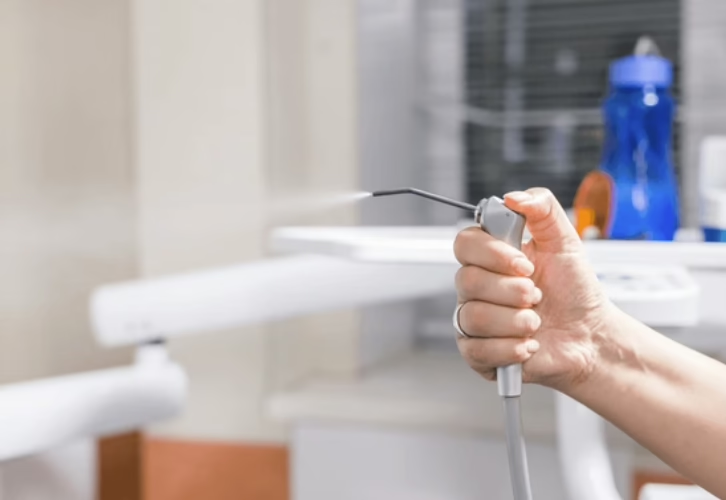
An ultrasonic scaler is a dental instrument that uses high-frequency sound waves to remove plaque, tartar, and bacterial buildup from tooth surfaces and deep below the gum line. The vibrating tip produces cavitation bubbles that break apart calculus and disrupt biofilms, making it effective for treating gum disease. The technology requires less force than manual scaling and minimises tissue trauma whilst accessing hard-to-reach areas. Dental professionals utilise this instrument as part of thorough periodontal care.
By utilising high-frequency sound waves, ultrasonic scalers represent a significant advancement in dental cleaning technology.
An ultrasonic scaler is used for removing plaque and tartar from tooth surfaces and beneath the gum line with considerable efficiency. The device operates through a vibrating scaling tip that, when combined with a water jet, generates cavitation bubbles. These bubbles disrupt and detach bacterial biofilms from teeth and periodontal tissues.
Ultrasonic scalers efficiently remove plaque and tartar using vibrating tips and water jets that generate cavitation bubbles to disrupt bacterial biofilms.
Designed to penetrate deep into periodontal pockets, ultrasonic scalers prove particularly valuable for periodontal therapy in patients with gum disease. This treatment is essential for preventing the progression of periodontal disease, which can lead to bone and tooth loss.
The technology enables dentists to achieve thorough cleaning whilst potentially minimising tissue trauma compared to manual scaling instruments. This approach may reduce treatment time whilst improving patient comfort, making ultrasonic scalers a valuable tool in modern dental practice for maintaining optimal oral health.
The scaling tip vibrates at ultrasonic frequencies, generating cavitation bubbles that disrupt and break apart plaque and calculus buildup.
As these bubbles form and collapse, they create a cleaning action that dislodges debris from tooth surfaces and below the gum line.
Simultaneously, a continuous stream of water cools the tip and flushes away the loosened particles throughout the procedure.
This process effectively removes harmful bacteria that contribute to gum disease and periodontal problems.
High-frequency vibrations form the foundation of ultrasonic scaling effectiveness. The scaling tip generates rapid movements that create a specialised water jet over its surface, energising the cavitation process. This mechanism produces microscopic bubbles that implode with significant force, releasing energy that disrupts bacterial walls within plaque and calculus deposits.
| Process Stage | Function |
|---|---|
| Vibration Initiation | Scaling tip moves at high frequency |
| Water Jet Generation | Energises surrounding fluid |
| Bubble Formation | Cavitation creates microscopic bubbles |
| Bubble Implosion | Releases disruptive energy |
| Debris Removal | Plaque and calculus dislodged |
The ultrasonic vibrations work synergistically with cavitation to penetrate deep periodontal pockets that traditional hand scaling cannot as efficiently reach. This combination supports thorough plaque removal whilst maintaining patient comfort through gentle pressure application.
Water irrigation serves as a critical complement to ultrasonic vibrations in the scaling process. The high-pressure water stream performs multiple essential functions simultaneously.
As the ultrasonic tip vibrates against tooth surfaces, the water jet flushes away loosened debris and dislodged bacteria, preventing them from settling back onto teeth. This continuous flow also cools the vibrating tip, protecting tooth structure from heat damage during extended procedures.
Additionally, the water stream enhances visibility, allowing dental professionals to see the treatment area clearly and work more efficiently.
Ultrasonic scalers efficiently remove plaque and tartar from teeth through high-frequency vibrations that dislodge deposits in ways traditional hand scaling cannot match. These devices excel at accessing challenging areas, particularly within deep periodontal pockets where manual instruments struggle to reach effectively. As part of scaling and root planing procedures, ultrasonic scalers work alongside targeted antimicrobial therapy to control infection and combat gum disease comprehensively.
| Application | Benefit |
|---|---|
| Deep pocket cleaning | Reaches areas inaccessible to hand instruments |
| Sensitive tooth treatment | May be gentler than manual scaling techniques |
| Gum disease prevention | Thorough removal reduces infection risk |
Ultrasonic scaling may prove particularly valuable for patients with sensitive teeth or elevated gum disease risk. The combination of vibrations and water spray flushes debris efficiently during dental cleanings. Treatment time may decrease compared to conventional methods, making ultrasonic scaling a practical option for comprehensive oral health maintenance.
Ultrasonic scaling offers advantages over traditional dental cleaning methods.
The technology removes biofilm and tartar from both visible surfaces and deep periodontal pockets, whilst potentially reducing patient discomfort through minimised tissue trauma and elimination of the scraping sounds associated with manual tools.
Treatment sessions may be completed in less time, which can be more efficient for dental practices and more convenient for patients.
For patients with severe bone loss in the upper jaw, specialized implant techniques such as zygomatic and pterygoid implants may be recommended as part of comprehensive oral rehabilitation following advanced periodontal treatment.
Because traditional hand instruments cannot always access deep periodontal pockets, ultrasonic scalers offer a more detailed approach to plaque and tartar removal. The specialised tips of ultrasonic scalers navigate complex anatomical areas beneath the gum line, delivering high-frequency vibrations that dislodge stubborn deposits.
| Feature | Benefit |
|---|---|
| Specialised tip design | Reaches deep periodontal pockets |
| High-frequency vibrations | Removes plaque and tartar efficiently |
| Water jet delivery | Flushes debris and reduces tissue distention |
This hard-to-reach area deep cleaning capability proves beneficial for thorough oral hygiene. The water irrigation system simultaneously removes loosened debris whilst minimising tissue trauma. Ultrasonic scalers therefore enable clinicians to perform detailed subgingival cleaning that manual instruments may not achieve in certain anatomical configurations, supporting improved treatment outcomes for patients with advanced periodontal conditions.
When compared to traditional hand scaling, ultrasonic scalers can reduce appointment duration, enabling clinicians to complete thorough cleanings more efficiently.
This time saving allows dental practices to accommodate more patients whilst maintaining quality care.
Beyond efficiency, ultrasonic cleaning may enhance patient comfort. The gentle vibrations can minimise discomfort, making the procedure suitable for patients with sensitive teeth.
Water jets integrated into the system flush debris and cool the scaling tip, which may reduce irritation during treatment.
The combination of speed and comfort can create a more pleasant experience compared to hand scaling.
Patients may appreciate the reduced scraping sounds and less invasive approach.
These advantages position ultrasonic scalers as an effective tool for achieving improved oral health whilst prioritising patient wellbeing.
One of the primary advantages of ultrasonic scaling lies in its ability to disrupt and remove biofilm and tartar from both above and below the gum line. The high-frequency vibrations employed by an ultrasonic dental scaler break apart these harmful deposits that traditional hand tools may miss.
The combination of vibrations and water spray flushes debris away efficiently, particularly in hard-to-reach areas. Specialised tips allow practitioners to clean deep into periodontal pockets where manual instruments have limitations.
The rapid oscillations create microscopic bubbles that rupture bacterial cell walls, helping to disinfect treated areas. This effectiveness may help reduce infection risk and prevent plaque and tartar accumulation.
Regular ultrasonic scaling treatments can help maintain healthier gum tissue and may improve outcomes for patients with gum disease.
Ultrasonic scalers and hand instruments represent two distinct approaches to removing plaque and calculus from teeth and gum pockets.
Ultrasonic scaling operates considerably faster than hand scaling, which may reduce treatment time. The technology can access deeper periodontal pockets where manual instruments may struggle to reach, providing effective plaque removal in hard-to-reach areas.
Additionally, ultrasonic scalers require less force during application, utilising gentle vibrational movements rather than scraping motions, which may enhance patient comfort.
Whilst hand scaling may remain necessary for removing stubborn stains, ultrasonic scaling is typically recommended as an initial treatment step. This combination approach helps ensure thorough dental cleaning for most patients. Both techniques are essential components of periodontal maintenance appointments, where specialized instruments work together to preserve long-term gum health.
Modern dental offices rely heavily on ultrasonic scalers as a cornerstone of clinical practice, employing them during routine cleanings and advanced periodontal therapy. These instruments leverage high-frequency vibrations combined with water irrigation to disrupt biofilm and calculus deposits efficiently.
Dental professionals utilise specialised tips to access deep periodontal pockets that conventional hand instruments cannot effectively reach. The ultrasonic scaling process can accelerate treatment timelines, potentially reducing appointment duration compared to manual techniques. Following scaling procedures, patients require detailed aftercare instructions to support optimal healing and recovery.
The clinical benefits of ultrasonic scalers extend greatly beyond procedural efficiency, demonstrating measurable improvements in gum disease management. These devices eliminate plaque and calculus both above and below the gum line, reaching deep periodontal pockets inaccessible to manual tools. Ultrasonic vibrations disrupt bacterial biofilm and break down microbial walls, considerably reducing disease progression. Dental professionals report that treatment times may decrease compared to hand scaling. Regular professional cleanings may help prevent deeper pocket formation, which can lead to tooth loss if untreated. When combined with laser gum therapy, ultrasonic scalers provide comprehensive treatment for moderate to severe periodontal disease through advanced procedural techniques.
| Benefit | Impact | Timeline |
|---|---|---|
| Plaque removal | Extensive | Immediate |
| Biofilm disruption | Substantial | Ongoing |
| Gum tissue health | May improve | Gradual |
| Pocket depth reduction | Preventative | Sustained |
| Treatment efficiency | May be faster | Per session |
Ultrasonic scalers employ gentle vibration technology that may help reduce patient discomfort compared to traditional hand instruments.
The vibration-based approach requires minimal pressure application, allowing clinicians to remove buildup whilst minimising scraping sensations.
This combination of technological design and ergonomic technique aims to create a more tolerable cleaning experience for patients, particularly those with sensitive gums or dental anxiety.
For patients experiencing significant anxiety about dental procedures, sedation dentistry options are available to further enhance comfort during scaling treatments.
Comfort during dental cleanings has improved with gentle vibration technology. Ultrasonic scalers utilise high-frequency sound waves that may help reduce discomfort whilst cleaning teeth. The non-sharp scaler tips produce fewer scraping sounds, whilst oscillating movements enable plaque and tartar removal.
| Feature | Benefit | Impact |
|---|---|---|
| High-frequency vibrations | May reduce discomfort | Improved patient experience |
| Non-sharp tip edges | Fewer scraping sounds | Reduced anxiety |
| Cooling water jets | Soothing sensation | Debris removal and tip cooling |
| Oscillating movements | Effective cleaning | Controlled force application |
| Ergonomic design | Modern technology | Suitable for sensitive patients |
Accompanying cooling water jets provide a soothing sensation whilst flushing away debris and maintaining appropriate tip temperature. This combination of features may create a more comfortable dental experience, which can be particularly beneficial for patients with sensitive teeth or dental anxiety.
Patients undergoing dental cleanings may experience reduced discomfort with ultrasonic scalers compared to traditional hand scaling methods. The non-sharp scaler tip design helps reduce the scraping sensations associated with conventional tools, which may help reduce procedural anxiety.
The ergonomic vibration mechanism allows practitioners to remove plaque effectively without applying excessive pressure, which may help minimise potential discomfort. Simultaneous water irrigation during treatment flushes away debris continuously, helping to reduce sensitivity triggers that can cause patient discomfort.
These combined features—gentle vibrations, blunt scaler tip contact, and debris removal—may create a more comfortable teeth cleaning experience.
Additionally, the efficiency of ultrasonic technology typically reduces overall appointment duration, meaning patients may spend less time in the dental chair. This combination of comfort improvements and reduced treatment time makes ultrasonic scaling an increasingly preferred option for patients seeking a more pleasant dental cleaning experience.
When implementing ultrasonic scalers in clinical practice, several important limitations warrant careful attention. Excessive heat generation during ultrasonic scaling and root planing requires proper technique to prevent patient discomfort and tissue damage.
Standard beavertail tips prove ineffective for subgingival cleaning near the gum line, necessitating appropriate tip selection for optimal results.
Patients with pacemakers require special evaluation due to vibration concerns. Improper technique may cause gingival irritation or minor trauma.
Aerosol production during treatment demands stringent infection control protocols. Practitioners must implement high-volume suction, proper ventilation, and appropriate personal protective equipment to minimise cross-contamination risks and ensure both patient and operator safety throughout the procedure. Additionally, patients undergoing dental implant treatment should receive particular attention to infection control protocols, as compromised oral health during this critical healing phase can impact implant integration and long-term success.
Whilst ultrasonic scaling effectively removes subgingival plaque and calculus, the benefits depend largely on consistent post-treatment care. A rigorous daily dental care routine is recommended, including brushing twice and flossing once daily to prevent plaque reaccumulation.
Electric toothbrushes may enhance plaque removal efficiency and support long-term gum health. Professional cleanings every six months complement ultrasonic treatment and help sustain results.
Electric toothbrushes enhance plaque removal efficiency, whilst six-monthly professional cleanings sustain ultrasonic treatment results for long-term gum health.
Following dentist-prescribed aftercare instructions—such as medicated rinses—may help reduce inflammation and promote healing. Dietary choices can impact teeth and gum maintenance; reducing consumption of sticky or sugary foods and staying adequately hydrated between cleanings is advisable.
For patients using oral appliances or other dental devices, incorporating device cleaning solutions into your maintenance routine ensures optimal hygiene alongside professional ultrasonic treatments. These preventive measures help preserve the benefits of ultrasonic scaling and may minimise future plaque buildup.
An ultrasonic scaler removes plaque and tartar from teeth through high-frequency vibrations that disrupt calcified deposits.
The device operates both above and below the gum line, accessing areas conventional hand instruments cannot reach as effectively.
A continuous water stream cools the vibrating tip and flushes away debris.
This method may help in treating periodontal disease by eliminating bacterial biofilms associated with gum inflammation whilst potentially completing treatments more quickly than manual scaling.
Ultrasonic scalers should be avoided in patients with pacemakers due to potential device interference.
They are contraindicated for individuals with severe gum recession, hypersensitivity, or certain dental restorations like crowns and bridges that may loosen.
Patients with uncontrolled diabetes, acute inflammation, or active infections require alternative treatment methods.
Traditional hand scaling remains preferable for these populations to prevent complications and support patient wellbeing.
Dental professionals should hold an ultrasonic scaler on a tooth for approximately 10 seconds to ensure effective cleaning, whilst avoiding prolonged contact in one spot.
Extended holding times risk excessive heat buildup, causing patient discomfort and potential tooth damage.
Rotating the scaler tip and varying contact points minimises tissue irritation and trauma.
Higher vibration frequencies may permit shorter application times whilst maintaining efficacy.
Not all dentists use ultrasonic scalers. Some prefer traditional hand scaling methods based on personal preference or patient-specific needs.
Ultrasonic scalers are efficient, often completing procedures more quickly than manual techniques. Many practices combine both methods for optimal results on stubborn stains and difficult areas.
Dentists may avoid ultrasonic scalers for patients with pacemakers or loose dental work. The choice depends on the dentist's training, experience, and clinical scenario.
Ultrasonic scalers represent a valuable tool in modern dentistry for removing tartar and plaque buildup. When combined with proper home care and regular dental visits, they support long-term oral health. Whilst not suitable for every patient or situation, their efficiency and comfort advantages make them a preferred choice for many dental professionals and patients seeking professional cleaning solutions.