Family Friendly & Specialty Dentists in London, UK
This aftercare guide covers what happens after periodontal treatment and what you need to do to keep the result. Recovery depends on two things: how the tissue is cared for while it heals, and how regularly the gums are professionally cleaned afterwards. We set the visit schedule with you.
Led by Dr Ope Sodeinde.
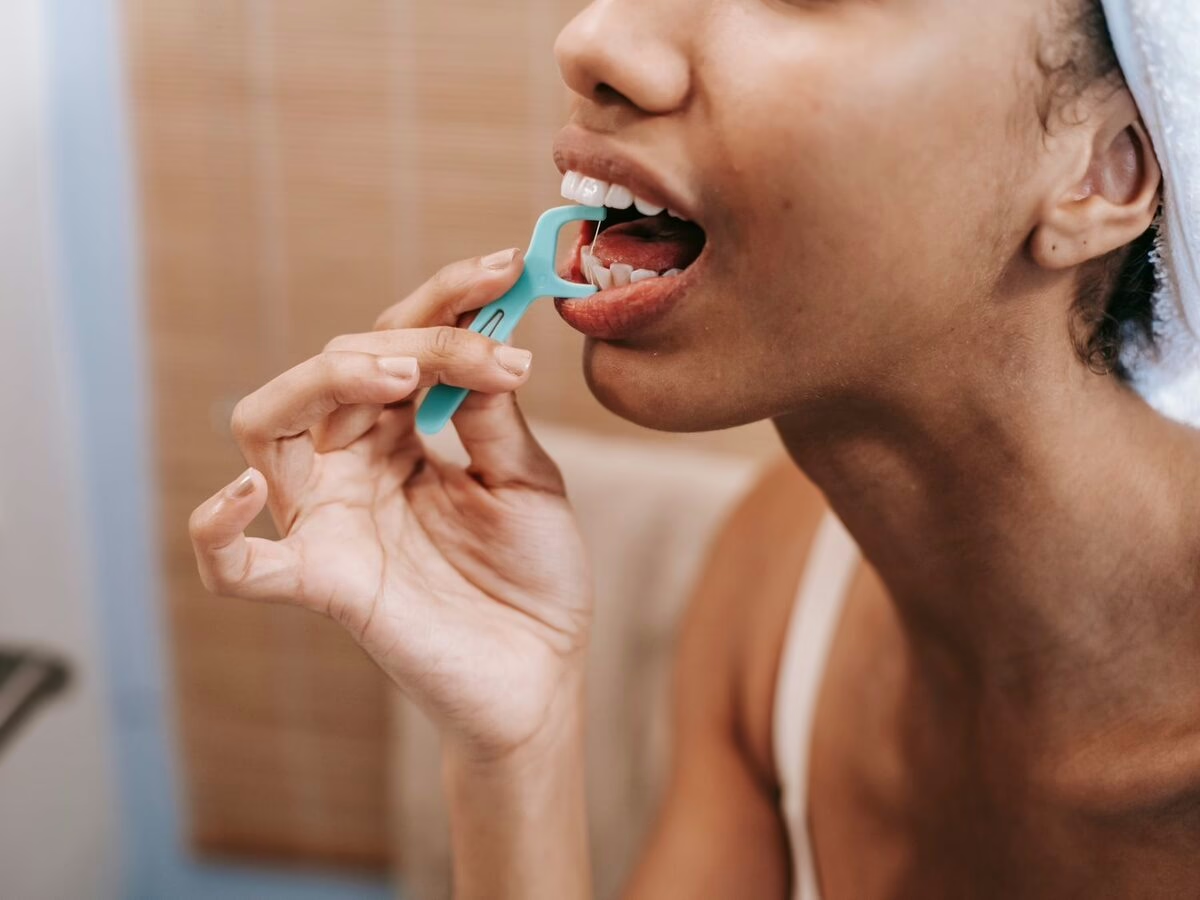
Receding gums and persistent bleeding are usually the first signs. Gingivitis is common and reversible; left untreated it can progress to periodontitis and bone loss. We provide periodontics in London for every stage: scaling and root planing to remove tartar below the gum line, LANAP laser therapy to target bacteria, and gum abscess drainage for acute infection, all following a precise diagnosis by Dr Ope Sodeinde.
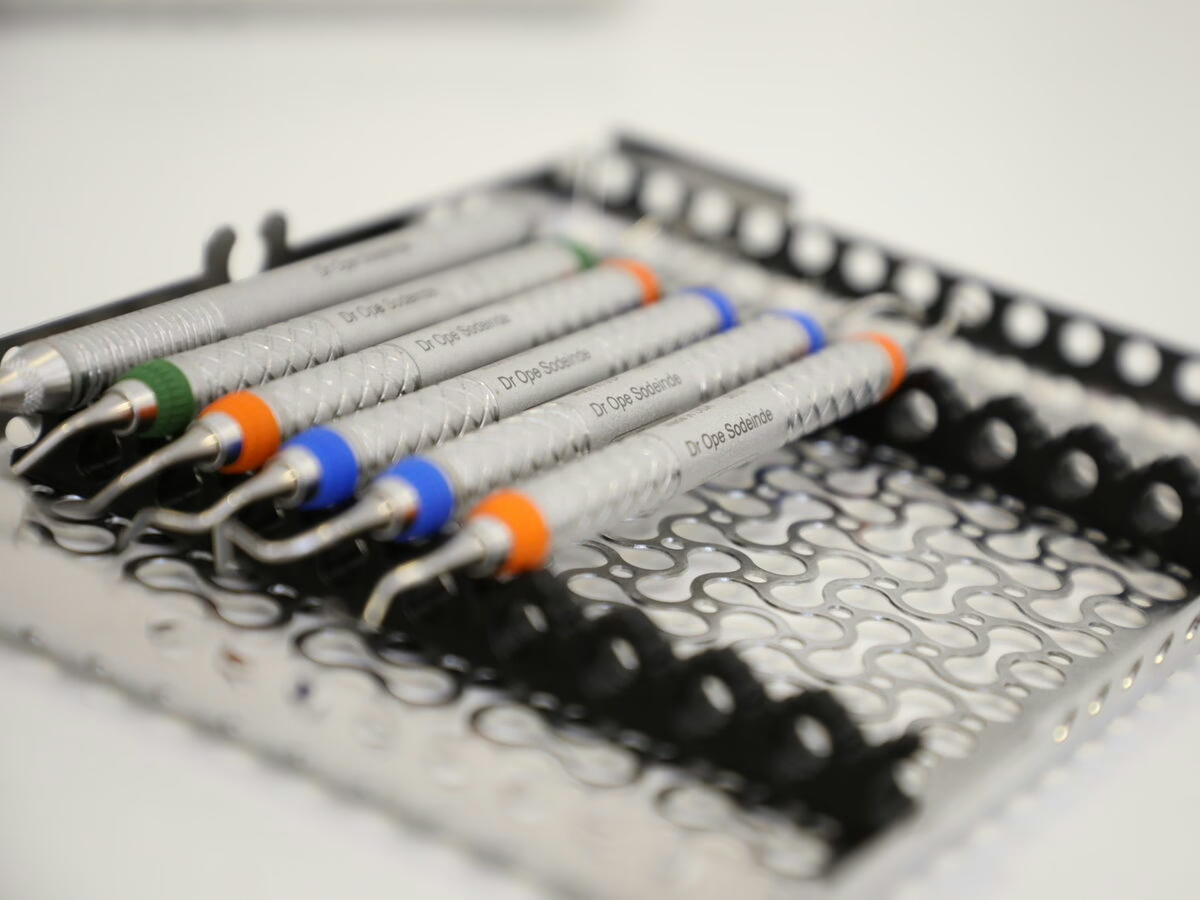
Treatment removes the infection; aftercare decides whether it stays away. Bone lost to gum disease does not return, so preventing the next episode is how teeth are kept. Your periodontal care is led by Dr Ope Sodeinde, GDC-registered specialist periodontist; the practice also includes Dr Neha Patel, specialist in endodontics, Dr Kia Papagalani, specialist orthodontist, and Dr Lydia Dzhukha and Dr Nicky Dehbonei, dentists with special interests.
Pricing is itemised in writing before you begin, whether you need gingivitis treatment for early inflammation or gum grafting for recession to protect exposed roots.
Leave your number and we will call you back. Nothing is booked until you say so.
This guide applies to anyone who has had periodontal treatment with us, and to anyone deciding whether to start it. Putting off a visit because you are embarrassed about your gums is common; our aim is to keep your natural teeth for as long as possible, and earlier is easier.
The treatment itself varies. Some patients need scaling and root planing to remove deep deposits; others need crown lengthening to protect the tooth structure. Dr Ope Sodeinde assesses each case and sets the route.
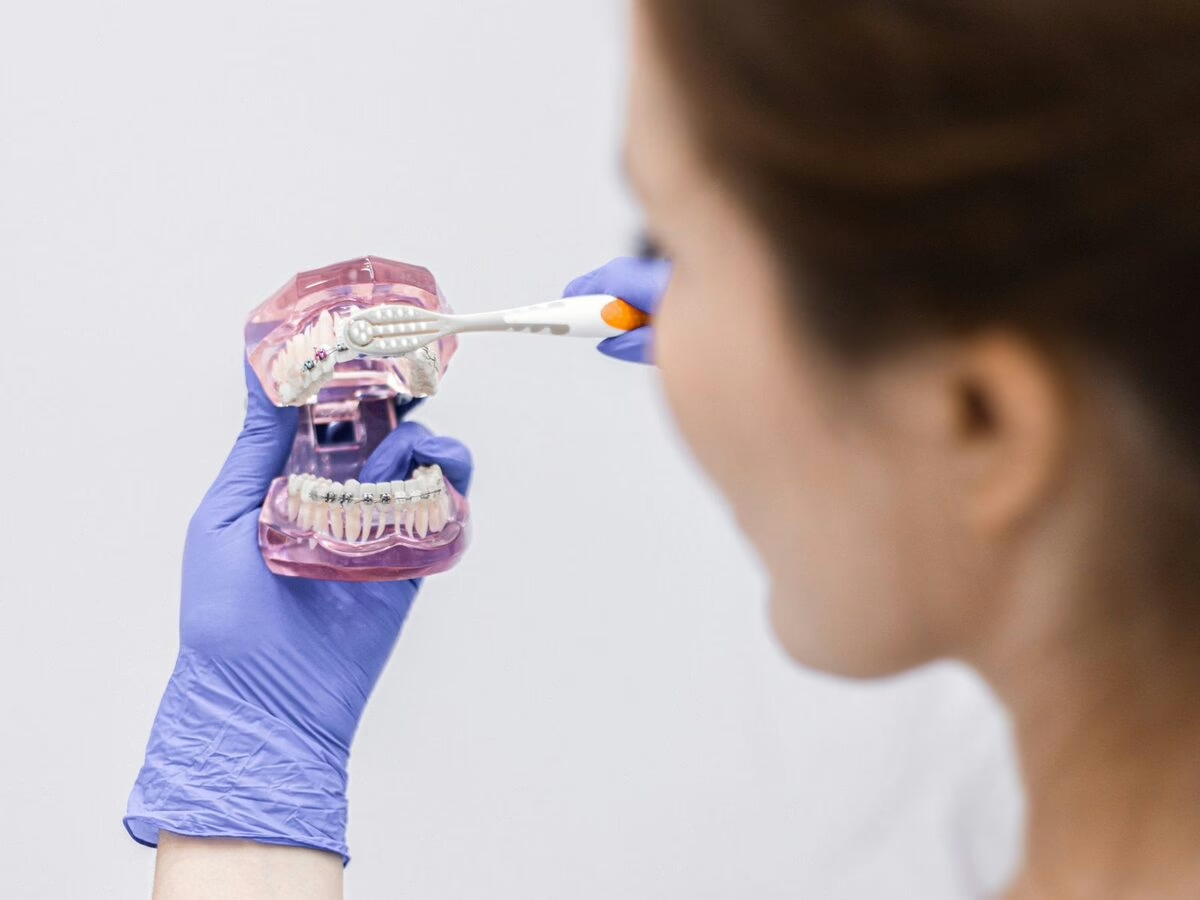
We examine the current state of your gums and set out the plan, so you know what treatment is proposed and what aftercare it will need.
Depending on the diagnosis, this may involve laser gum therapy or other methods to remove the infection. We tell you the number of visits needed to reach stability.
Healing takes time. We check that the tissue is reattaching and the infection is receding. Where the aim is aesthetic as well, we also provide gummy smile correction.
Gum disease returns if it is not managed, so you move into a maintenance programme. Regular visits are the only way the result holds.
Dr Ope Sodeinde, specialist periodontist (GDC No. 104071), examines your gums and reviews your medical history to plan your care. The treatments this guide follows on from include gingivitis treatment, scaling and root planing, subgingival cleaning and root debridement, laser gum therapy, gum abscess drainage and crown lengthening.
Recovery depends on consistency. Gum irrigation sessions can reduce inflammation between visits, and follow-up appointments are scheduled to check the gum tissue is healing.
Patients tell us they value a calm, unhurried manner and honest options. Consultations carry no pressure, and fees are set out in advance; see gum disease treatment costs in London.
Fear of pain is a common reason for delaying care. Treatment is carried out under local anaesthetic.
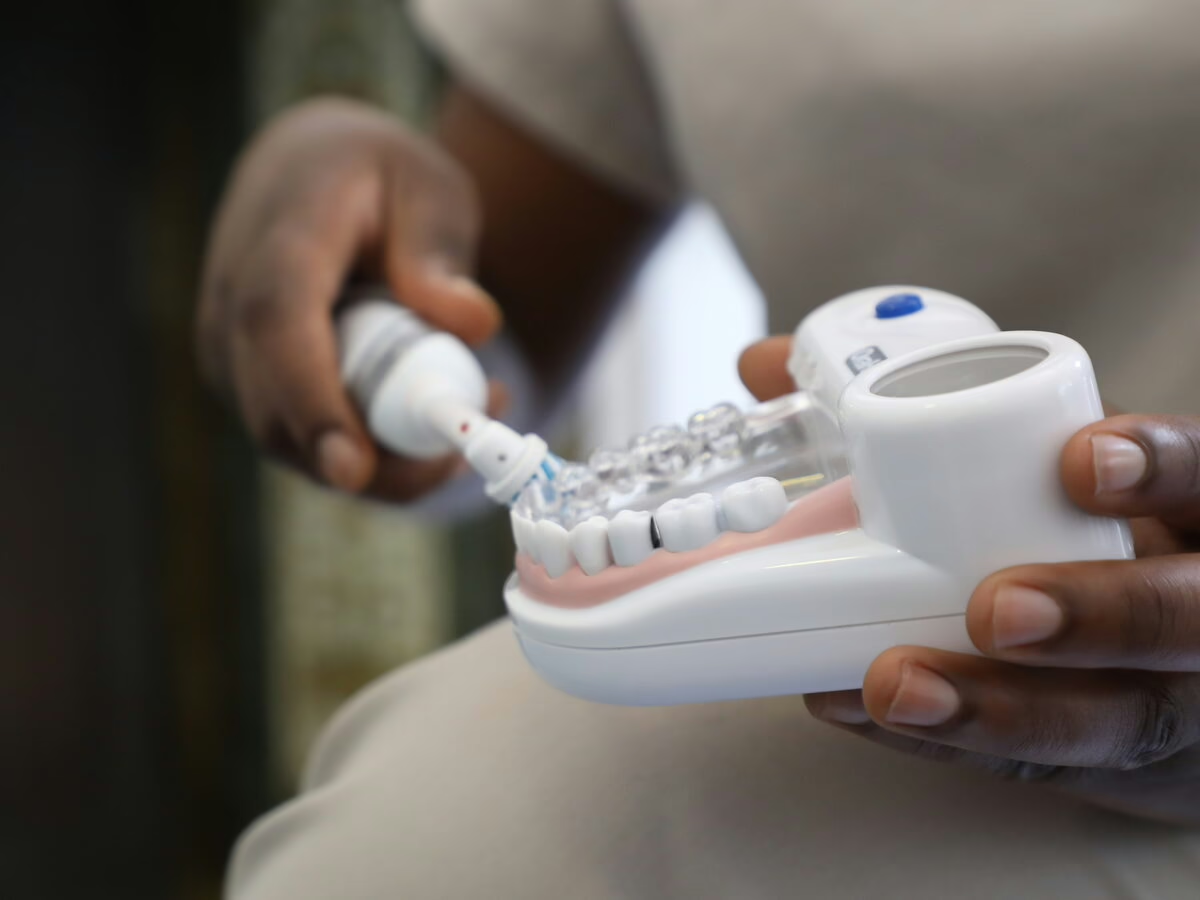
Gum disease returns if plaque is not controlled. A periodontal maintenance programme of regular professional visits, together with daily brushing and interdental cleaning at home, is what keeps the gums healthy.
Dr Ope Sodeinde assesses each case at our Primrose Hill practice and sets the route that protects your teeth. We explain what happens at your first periodontal consultation and how to book so you know what to expect.
Dr Ope Sodeinde provides a written plan and an itemised quote that is yours to keep and use at any other practice.
Call 020 7589 7792.
Real, verified Google reviews from patients of London Dental Specialists.
Your details are used to arrange your appointment and for nothing else.
111 Regent's Park Road, Primrose Hill, London NW1 8UR
Use our contact page if you would rather ask something than book.