Considering dental implants? You're not alone. Many patients have questions about implant surgery, from basic procedures to specialised options like zygomatic implants. At London Dental Specialists, we understand your journey. Dental implants offer reliable tooth replacement with high success rates—over 90% in many cases. They provide support for crowns, bridges and dentures, functioning just like natural teeth once healed. While the process may require several procedures and healing time, the results are worth it. Below, we've answered the most common questions about dental implants to help you make an informed decision about your oral health and restoration options.
What are dental implants and how do they work?
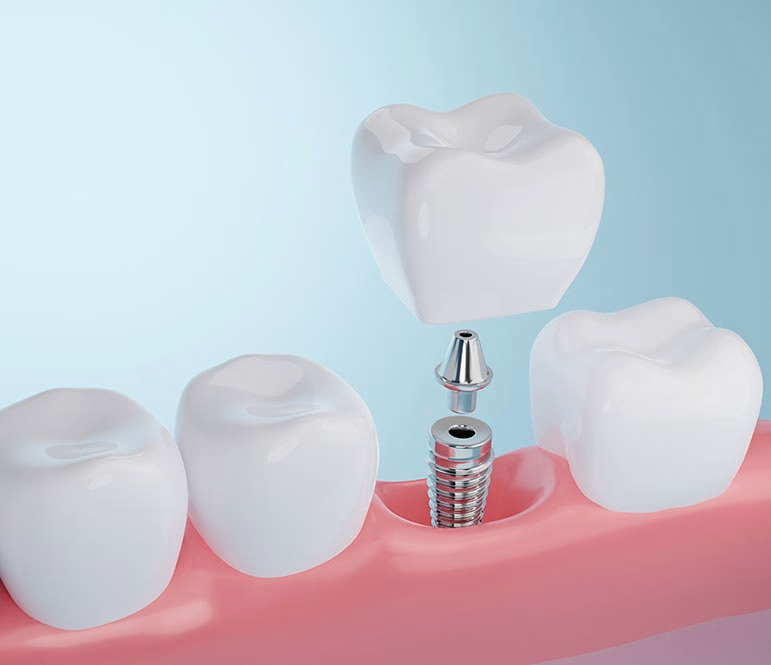
Dental implants are titanium posts surgically placed into the jawbone to act as artificial tooth roots. They provide a strong foundation for fixed or removable replacement teeth. The implant fuses with your jawbone through a process called osseointegration, creating a stable base for crowns, bridges, or dentures. At Fin Implants of London Dental Specialists, our implants are designed to look, feel, and function like your natural teeth, restoring both aesthetics and functionality.
How long does the dental implant process take?
The dental implant process typically takes 3-9 months from start to finish. After initial consultation and planning, the implant placement surgery takes 1-2 hours per implant. Following surgery, a healing period of 3-6 months is necessary for osseointegration (fusion of implant with bone). Once healed, we attach the abutment and final restoration. The exact timeline varies based on individual healing rates, bone quality, and whether additional procedures like bone grafting are required.
What are zygomatic implants and who are they suitable for?
Zygomatic implants are specialised dental implants anchored in the zygomatic (cheek) bone rather than the jawbone. They are ideal for patients with significant bone loss in the upper jaw who might otherwise require extensive bone grafting. These implants work alongside 3-5 standard implants to support a fixed denture. At Fin Implants of London Dental Specialists, we recommend zygomatic implants for patients seeking a permanent solution when conventional implants aren't viable due to insufficient bone volume.
What is the success rate of dental implants?
Dental implants have a success rate of approximately 95-98% when placed by experienced specialists. Specific types like subperiosteal implants show success rates of 91% over 10 years according to recent studies. At Fin Implants of London Dental Specialists, our success rates are optimised through comprehensive pre-operative planning, precise surgical techniques, and regular follow-up care. Factors affecting success include patient health, smoking status, bone quality, and adherence to aftercare instructions.
How long do dental implants last?
With proper care and maintenance, dental implants can last a lifetime. The implant fixture (the part embedded in the jawbone) typically lasts 25+ years or even a lifetime with good oral hygiene and regular check-ups. The crown or prosthetic attached to the implant may need replacement after 10-15 years due to normal wear. At Fin Implants of London Dental Specialists, we provide comprehensive aftercare guidance to maximise the longevity of your dental implants.
What are subperiosteal implants and what are their advantages?
Subperiosteal implants are custom-made metal frameworks placed between the periosteum and jawbone, rather than inserted into the bone. Their main advantages include:
- Suitable for patients with insufficient bone height or width
- Less invasive than bone grafting procedures
- Shorter treatment time compared to bone augmentation followed by conventional implants
- Can support multiple teeth with fewer implant points
At Fin Implants of London Dental Specialists, we carefully assess each patient to determine if subperiosteal implants are the appropriate solution.
What is the recovery process like after dental implant surgery?
Recovery after dental implant surgery typically progresses as follows:
- First 24-48 hours: Some swelling, discomfort and minor bleeding may occur
- First week: Soft diet recommended, with prescribed pain management
- 2-4 weeks: Soft tissue healing completes, discomfort subsides
- 3-6 months: Osseointegration occurs as the implant fuses with bone
Most patients return to normal activities within 1-3 days after surgery. At Fin Implants of London Dental Specialists, we provide detailed aftercare instructions and follow-up appointments to ensure optimal healing.
Are dental implants suitable for everyone?
Dental implants are suitable for most adults with good general and oral health. However, certain factors may affect candidacy, including:
- Insufficient bone volume (though solutions like bone grafting may help)
- Uncontrolled diabetes or other systemic diseases
- Heavy smoking
- Certain medications that affect bone healing
- Active gum disease
At Fin Implants of London Dental Specialists, we conduct thorough assessments to determine if implants are right for you, or if alternative treatments might be more appropriate for your specific situation.
How do I care for my dental implants?
Caring for dental implants involves similar practices to natural teeth, with some special considerations:
- Brush twice daily with a soft-bristled toothbrush
- Floss daily, using implant-specific floss or interdental brushes
- Use a non-abrasive, low-abrasive toothpaste
- Consider using an antimicrobial mouthwash
- Attend regular check-ups and professional cleanings every 3-6 months
- Avoid smoking and limit hard, sticky foods that could damage implants
Following these care instructions will help ensure the longevity of your dental implants and maintain your oral health.
Can’t find the answer to your Fin Implants questions here? Always feel welcome to
contact us with your Fin Implants questions and concerns.