Family Friendly & Specialty Dentists in London, UK

Experience advanced Peri-Implantitis Treatment at our Queensbury clinic with modern equipment and specialist-level care. Every practitioner has advanced training in their dental field, delivering comprehensive care with precision. Our qualified team provides exceptional Peri-Implantitis Treatment outcomes through careful planning for Queensbury patients.
Dr. Sodeinde and our team maintain GDC specialist registration with qualifications from top institutions including prestigious dental schools. Our treatments comply with BDA guidelines and national dental standards, so Queensbury patients can trust our commitment to secure effective care.





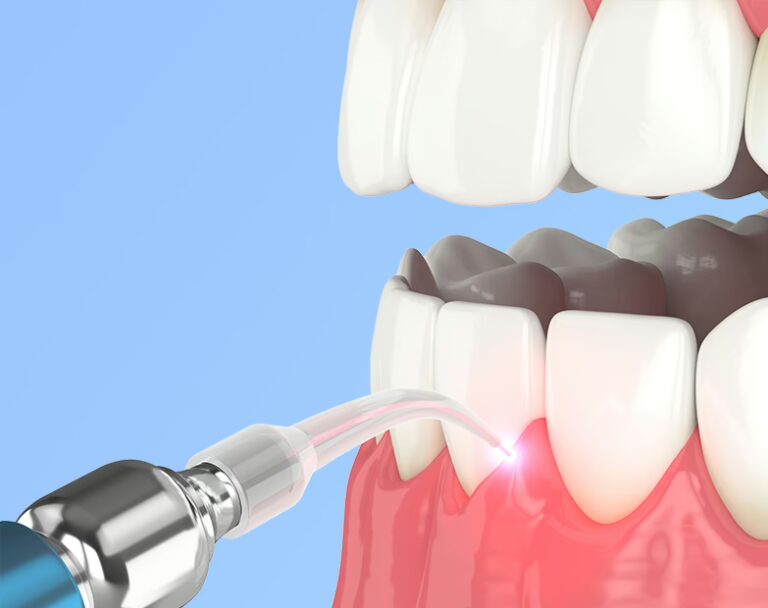
Experience professional Peri-Implantitis Treatment at London Dental Specialists with our comprehensive aftercare programme in Queensbury. Our practice uses only qualified experts with advanced training beyond regular dentistry. We provide detailed treatment plans with clear costs before any procedure. Listen to firsthand feedback from our Peri-Implantitis Treatment patients:
Looking for expert care? Book a consultation with our highly qualified team in Queensbury. We offer flexible scheduling—including weekend times.
You'll receive a tailored assessment, straightforward treatment plan, and transparent costs—nothing hidden. Affordable plans available. Insurance-friendly. Always fair and transparent on price.
Our practice is led by Dr. Ope Sodeinde, a GDC-registered Specialist in Prosthodontics with over 20 years of clinical experience. From diagnostics to aftercare, our team uses the latest dental technology and clinical protocols to deliver safe, consistent results.
Speak to our coordinators on +44 7700 100779 or use the form below to book today. Have questions? We’re happy to help. Send us your details and let’s talk.
At London Dental Specialists, our peri-implantitis treatment is a structured, four-step process designed to restore your oral health and preserve your dental implants. We begin with a comprehensive consultation and assessment to evaluate the condition of your implant and surrounding tissues. Based on this evaluation, we develop a personalised treatment plan tailored to your specific needs. The treatment procedure may involve non-surgical interventions, such as professional cleaning and antimicrobial therapy, or surgical procedures for more advanced cases. Following treatment, we provide detailed post-care instructions and schedule regular follow-up appointments to monitor healing and prevent recurrence.
Come from Queensbury to our recognised practice at 111 Regent's Park Road for Peri-Implantitis Treatment with Dr. Sodeinde's two decades of experience. Take the tube from Queensbury toward central London, then Northern Line to Camden Town station. Our practice is adjacent to Regent's Park with excellent access.
We use Peri-Implantitis Treatment to treat conditions that have demonstrated excellent response to this treatment at our Queensbury practice. Our experienced team assesses your specific condition to ensure Peri-Implantitis Treatment is the best choice. We provide clear information about which conditions improve most from Peri-Implantitis Treatment treatment.

Principal Dentist & Specialist in Periodontics
BDS MFDS RCS(Ed) MSc(Rest Dent) MClinDent(Perio) MPerioRCS(Ed)
GDC No: 104071
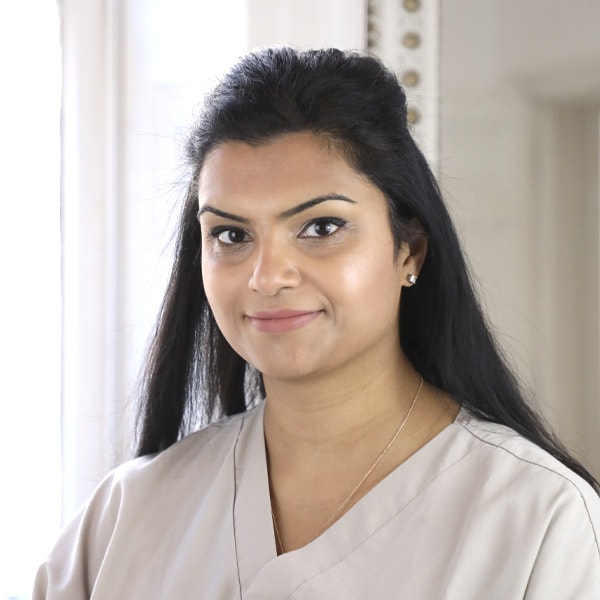
Specialist in Endodontics
BDS MFDS RCS(Ed) FHEA MClinDent(Ed) MEndoRCS(Ed)
GDC No: 150517

Specialist in Orthodontics
DipDS Athens MS(Ortho) OSU
GDC No: 228487
Peri-implantitis is an inflammatory condition affecting the soft and hard tissues surrounding dental implants. It's characterised by inflammation of the gum tissue and progressive loss of supporting bone around a functioning implant. If left untreated, peri-implantitis can lead to implant mobility and eventual failure. The condition is similar to periodontitis (gum disease) but occurs specifically around dental implants rather than natural teeth.
Common signs and symptoms of peri-implantitis include:
Peri-implantitis is primarily caused by bacterial infection similar to gum disease. The main contributing factors include poor oral hygiene, smoking, uncontrolled diabetes, previous history of periodontal disease, and genetic susceptibility. Other risk factors include poor implant placement, excessive bite forces on the implant, and residual cement from the crown attachment process. Regular maintenance and proper oral hygiene are essential for preventing this condition.
At London Dental Specialists, we diagnose peri-implantitis through a comprehensive examination that includes clinical assessment and radiographic evaluation. Our specialists measure pocket depths around the implant, check for bleeding on probing, assess implant mobility, and take detailed X-rays to evaluate bone loss. We may also conduct microbiological testing in some cases to identify specific bacteria causing the infection. Early diagnosis is crucial for successful treatment outcomes.
For early to moderate cases of peri-implantitis, London Dental Specialists offers several non-surgical treatment options including professional mechanical cleaning using specialised instruments, local antimicrobial therapy with chlorhexidine application, laser decontamination of the implant surface, and antibiotic therapy when necessary. We also provide detailed oral hygiene instructions and recommend antimicrobial mouthwashes to support home care. Regular follow-up appointments are scheduled to monitor healing and response to treatment.
For advanced peri-implantitis cases, London Dental Specialists offers surgical interventions including access flap surgery with thorough debridement of the implant surface, resective surgery to recontour bone and reduce pocket depths, and regenerative procedures using bone grafts with or without membranes to rebuild lost bone. In some cases, we may use growth factors or plasma rich in platelets to enhance healing. Our specialists select the most appropriate surgical approach based on the extent of bone loss and individual patient factors.
While peri-implantitis cannot be completely 'cured' in the traditional sense, it can be effectively managed and its progression halted with proper treatment. With early intervention and appropriate therapy at London Dental Specialists, the inflammation can be resolved, and in some cases, lost bone can be partially regenerated. However, ongoing maintenance and vigilant oral hygiene are essential to prevent recurrence. The condition will not resolve on its own and requires professional treatment.
To prevent peri-implantitis after receiving dental implants, follow these essential steps:
The timeline for seeing results from peri-implantitis treatment varies depending on the severity of the condition and the type of treatment provided. With non-surgical therapy, improvements in gum inflammation and bleeding can be observed within 2-4 weeks. Surgical treatments typically show significant improvements in tissue health within 1-3 months, while bone regeneration, when possible, may take 6-12 months to achieve substantial results. With proper maintenance and follow-up care, successful treatment outcomes can be maintained long-term.
London Dental Specialists offers a comprehensive approach to peri-implantitis treatment that combines advanced diagnostic technology, specialised surgical expertise, and personalised maintenance protocols. Our team includes periodontists and implantologists with specific training in managing implant complications. We utilise the latest techniques including laser therapy, growth factors, and minimally invasive surgical approaches when appropriate. Each treatment plan is tailored to the individual patient's needs, with a strong emphasis on long-term maintenance and prevention of recurrence.
Looking for more answers about Peri-Implantitis Treatment in Queensbury? Please get in touch with any concerns you may have about Peri-Implantitis Treatment. Our Queensbury practice is here to help you.
| Product | Brands | What it Takes Care of | Details |
|---|---|---|---|
| Antibacterial Mouthwash | Corsodyl, Listerine Zero, Dentyl | Bacterial control | Helps reduce bacteria around implants to prevent inflammation. |
| Implant-Specific Toothbrush | TePe, Oral-B Sensitive, Curaprox | Gentle implant cleaning | Specially designed to clean around implants without causing damage. |
| Interdental Brushes | TePe, Oral-B, Boots | Implant-abutment cleaning | Essential for cleaning hard-to-reach areas around implants. |
| Water Flosser | Waterpik, Philips Sonicare Airfloss | Deep cleaning around implants | Provides gentle but effective cleaning beneath the gumline. |
| Low-Abrasion Toothpaste | Sensodyne, Oral-B Pro-Expert | Gentle cleaning | Non-abrasive formula safe for implant surfaces. |
| Chlorhexidine Gel | Corsodyl, Curasept | Localised infection control | For targeted application to inflamed areas around implants. |
| Implant Floss | TePe, Oral-B Superfloss | Cleaning around implants | Specially designed floss with stiff ends for implant cleaning. |
| Rubber-Tip Stimulator | GUM, Oral-B | Gum massage | Improves circulation around implants to promote healing. |
| Implant Maintenance Kit | TePe, Curaprox | Complete implant care | All-in-one kit designed specifically for implant maintenance. |
| Alcohol-Free Mouthwash | Dentyl, Oral-B Pro-Expert | Gentle rinsing | Won't irritate healing tissues around treated implants. |
| Tongue Cleaner | TePe, Boots, Oral-B | Oral bacteria reduction | Reduces overall bacterial load in the mouth to support implant health. |
| Soft Tissue Healing Gel | Gengigel, Bonjela | Gum tissue recovery | Promotes healing of gum tissue following peri-implantitis treatment. |
We understand that starting Peri-Implantitis Treatment care can feel like a big step. That's why we make sure to answer your inquiries and address any worries you may have about treatment in Queensbury.



