Family Friendly & Specialty Dentists in London, UK

Our specialist Alperton clinic provides Intentional Replantation for Inaccessible Canal Treatment using precision technology rarely found in general dental surgeries. We combine specialist knowledge with careful treatment planning to ensure superior results. Receive excellent Intentional Replantation for Inaccessible Canal Treatment results from our specialist team serving the Alperton community.
Dr. Sodeinde and our team maintain GDC specialist registration with qualifications from top institutions including King's College London and Newcastle University. All procedures follow BDA and GDC guidelines, so Alperton patients can expect Intentional Replantation for Inaccessible Canal Treatment that meets strict British dental regulations.






Your Intentional Replantation for Inaccessible Canal Treatment treatment at London Dental Specialists benefits from our complete support and specialist-only approach in Alperton. Dr. Sodeinde holds advanced qualifications and leads a team of GDC registered specialists. We accept referrals from dental practices because of our demonstrated expertise. Watch how our real patients explain their positive Intentional Replantation for Inaccessible Canal Treatment outcomes:
Need answers fast? Schedule a thorough evaluation with the trusted team at London Dental Specialists. Appointments available this week, including lunchtime slots.
You'll receive a tailored assessment, straightforward treatment plan, and transparent costs—no surprises. We accept most dental insurers and offer easy monthly options.
You’ll be in expert hands—Dr. Sodeinde is one of London’s leading specialists in complex restorative and cosmetic cases. From diagnostics to aftercare, our team uses the latest dental technology and clinical protocols to deliver safe, consistent results.
Call us on +44 7700 100779 or use the form below to book today. We respond promptly—usually within one working day—and you’ll always speak to a knowledgeable member of our team.
Intentional replantation is a specialised dental procedure designed to treat teeth with inaccessible root canals. At London Dental Specialists, this process involves carefully extracting the affected tooth, performing necessary endodontic treatment outside the mouth, and then precisely replanting it into its original socket. This technique is particularly beneficial when conventional root canal treatments are not feasible due to anatomical constraints or previous unsuccessful procedures. Our approach ensures minimal trauma to the surrounding tissues and aims to preserve your natural tooth structure.
Come from Alperton to our recognised practice at 111 Regent's Park Road for Intentional Replantation for Inaccessible Canal Treatment with Dr. Sodeinde's two decades of experience. Take the Central Line from Alperton toward central London, then change to Camden Town station. Our practice is adjacent to Regent's Park with convenient access.
London Dental Specialists addresses various conditions with Intentional Replantation for Inaccessible Canal Treatment in Alperton, enabling patients whose conditions benefit well to this approach. We evaluate your specific condition to ensure Intentional Replantation for Inaccessible Canal Treatment offers the optimal solution. Our practice provides honest advice about which conditions benefit most from Intentional Replantation for Inaccessible Canal Treatment.

Principal Dentist & Specialist in Periodontics
BDS MFDS RCS(Ed) MSc(Rest Dent) MClinDent(Perio) MPerioRCS(Ed)
GDC No: 104071
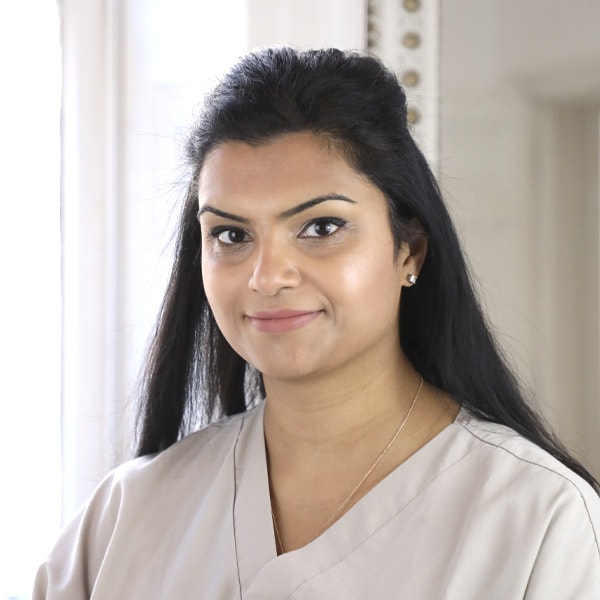
Specialist in Endodontics
BDS MFDS RCS(Ed) FHEA MClinDent(Ed) MEndoRCS(Ed)
GDC No: 150517

Specialist in Orthodontics
DipDS Athens MS(Ortho) OSU
GDC No: 228487
Intentional replantation is a dental procedure where a tooth is deliberately extracted, treated outside the mouth, and then returned to its socket. This technique is specifically used when conventional root canal treatment cannot access certain areas of the tooth due to complex anatomy, calcifications, or blockages in the canal system. At London Dental Specialists, our endodontists perform this procedure as a way to save teeth that might otherwise require extraction.
Intentional replantation is recommended in several specific situations:
Current research shows intentional replantation has become highly predictable, with retention rates reported between 88% and 93%. At London Dental Specialists, our success rates align with these figures due to our specialists' extensive training and experience. The procedure's success depends on factors including minimal extraction trauma, limited extra-oral time, and proper case selection.
The intentional replantation procedure involves several precise steps:
The procedure is performed under local anaesthesia, ensuring you won't feel pain during treatment. Following the procedure, some discomfort and mild swelling are normal and can be managed with prescribed or over-the-counter pain medication. Most patients report that post-operative discomfort is similar to or less than that experienced after conventional root canal treatment.
Recovery after intentional replantation typically involves mild discomfort for 2-3 days. Most patients can return to normal activities the day after the procedure. The tooth may feel slightly mobile initially but should stabilise within 1-2 weeks. Complete healing of the periodontal ligament takes approximately 4-8 weeks. During this time, patients are advised to avoid chewing hard foods on the treated tooth.
While intentional replantation is generally safe, potential risks include:
At London Dental Specialists, we thoroughly evaluate each case to minimise these risks and provide comprehensive aftercare to address any complications promptly.
With proper care and regular dental check-ups, intentionally replanted teeth can last many years or even a lifetime. Studies show that successfully replanted teeth have survival rates of over 85% at 5 years. The longevity depends on factors including the patient's oral hygiene, absence of periodontal disease, and compliance with recommended follow-up care.
London Dental Specialists offers exceptional care for intentional replantation procedures because:
Looking for expert advice about Intentional Replantation for Inaccessible Canal Treatment in Alperton? Our team are pleased to help - get in touch with your Intentional Replantation for Inaccessible Canal Treatment concerns. From our Alperton practice, we know your local needs.
| Product | Brands | What it Takes Care of | Details |
|---|---|---|---|
| Antimicrobial Mouthwash | Corsodyl, Listerine Total Care Zero | Infection prevention | Helps prevent infection during healing after intentional replantation. |
| Ultra-Soft Toothbrush | Oral-B Sensitive, Colgate Ultra Soft | Gentle cleaning | Extremely gentle on the replanted tooth and surrounding tissues. |
| Sensitivity Relief Toothpaste | Sensodyne Repair & Protect, Colgate Sensitive Pro-Relief | Sensitivity management | Helps manage post-replantation sensitivity and supports remineralisation. |
| Salt Water Rinse Kit | Boots Pharmaceuticals, Sterimar | Gentle cleaning | For gentle rinsing during initial healing phase after replantation. |
| Interdental Brushes | TePe, Oral-B | Gentle interdental cleaning | For careful cleaning around the replanted tooth without applying pressure. |
| Soft Diet Meal Replacement | Ensure, Complan | Nutrition during healing | Provides nutrition while avoiding chewing on the replanted tooth. |
| Cold Compress | Boots, Koolpak | Swelling reduction | Helps reduce post-procedure swelling in the first 24-48 hours. |
| Prescription Antibiotics | As prescribed by dentist | Infection prevention | May be prescribed to prevent infection after replantation procedure. |
| Pain Relief Medication | Nurofen, Panadol | Discomfort management | For managing post-procedure discomfort as recommended by your dentist. |
| Night Guard | Custom-fitted from dentist | Protection | Protects the replanted tooth from grinding forces during sleep. |
| Calcium-Rich Supplements | Holland & Barrett, Boots | Bone healing support | May support bone healing around the replanted tooth (consult dentist first). |
| Oral Irrigation Device | Waterpik, Philips Sonicare Airfloss | Gentle cleaning | For gentle cleaning around the replanted tooth once initial healing has occurred. |
Trust our Alperton team to provide the answers and confidence you deserve. We're committed to making your Intentional Replantation for Inaccessible Canal Treatment care as positive as possible, starting with addressing all your inquiries.



