Family Friendly & Specialty Dentists in London, UK
Cracked tooth treatment starts with a clinical assessment to establish whether the fracture can be saved or the tooth needs extraction. We use the first visit to gauge how deep the crack runs and to set out a plan to protect the tooth.
Dr Neha Patel, specialist in endodontics (GDC No. 150517), determines the number of visits your case will need after the initial examination.
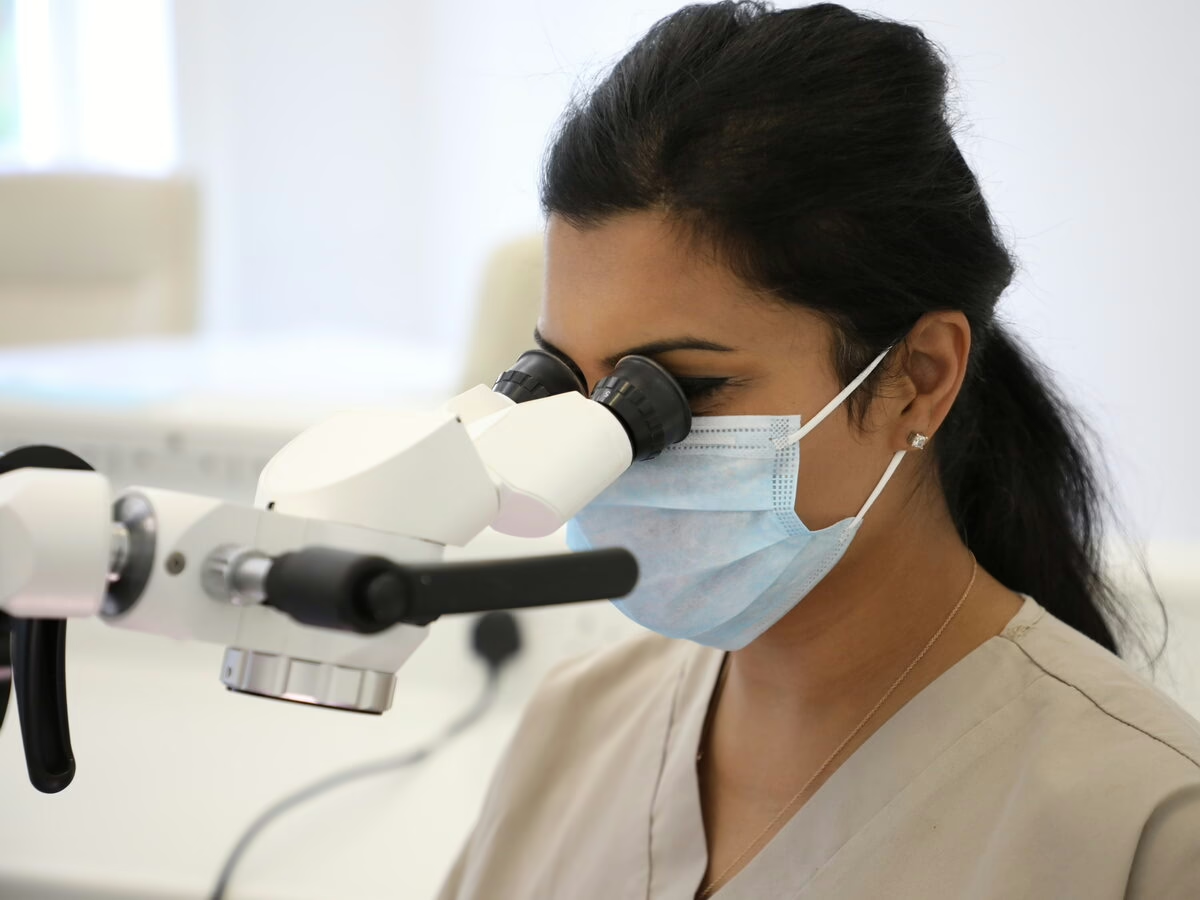
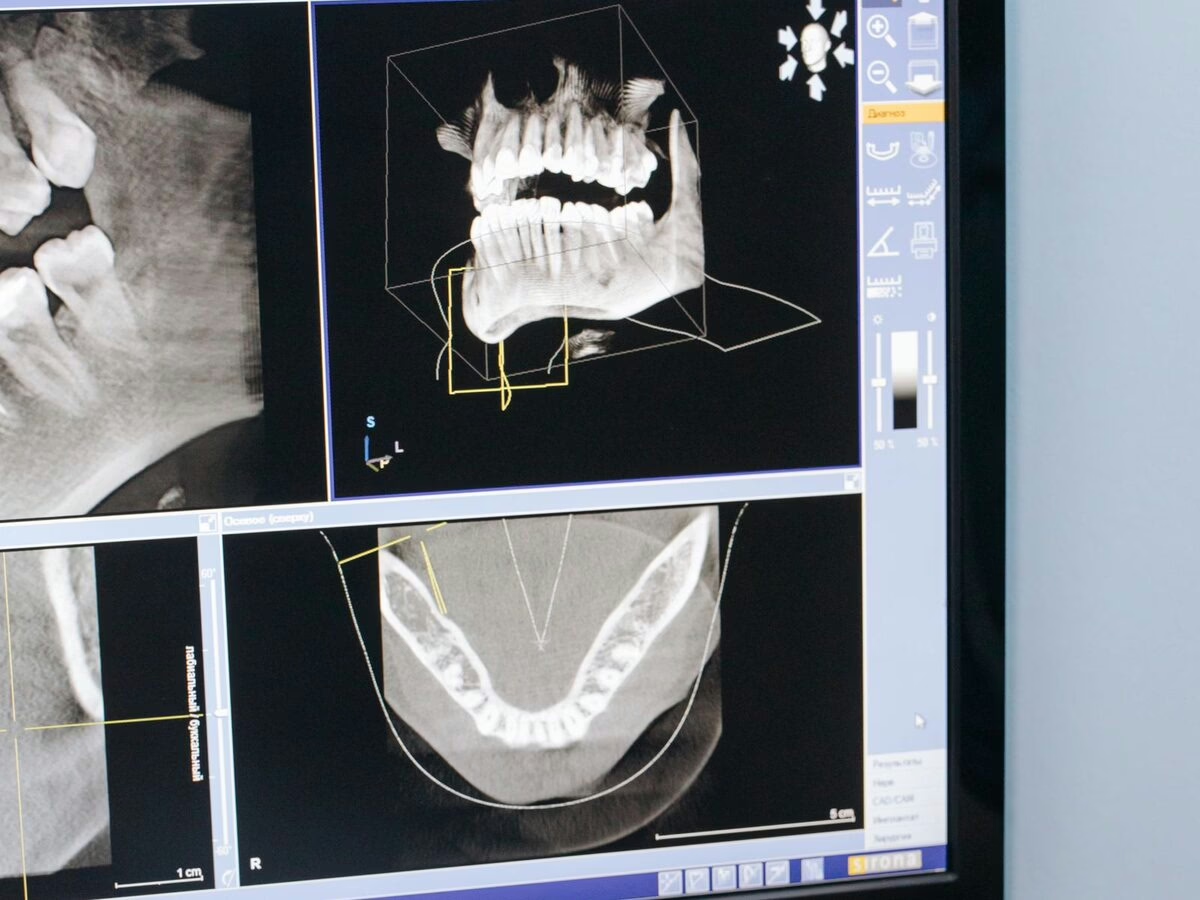
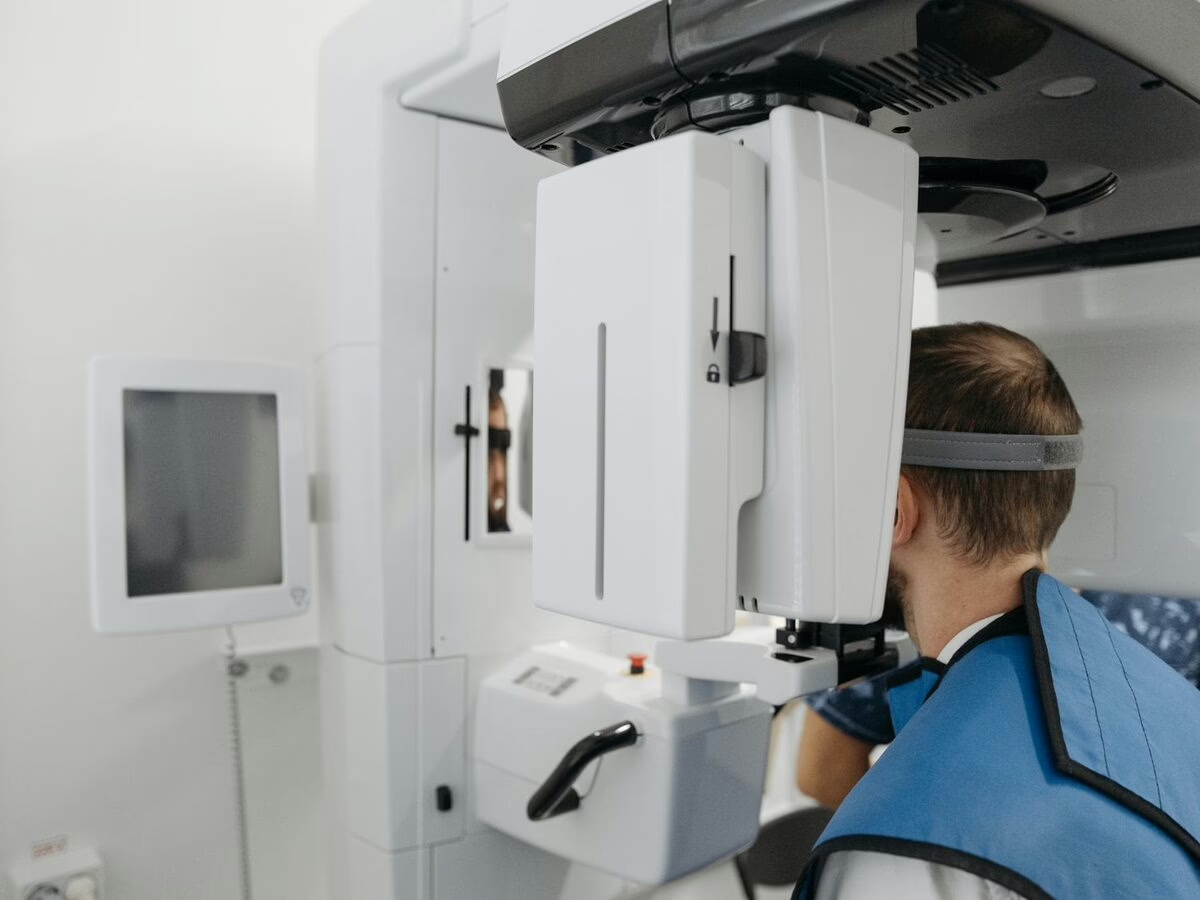
Sharp pain when biting, or sensitivity to hot and cold, often signals a hidden crack. You may not be able to see the damage, but cracked tooth syndrome can let bacteria reach the nerve. We use microscopic examination to find fractures that a standard exam misses, and combine this with 3D CBCT imaging to map the exact path of the crack. If you need a specialist for endodontics in London, we add pulp vitality tests to gauge how the nerve is responding, so the plan is based on the tooth's actual condition rather than guesswork.
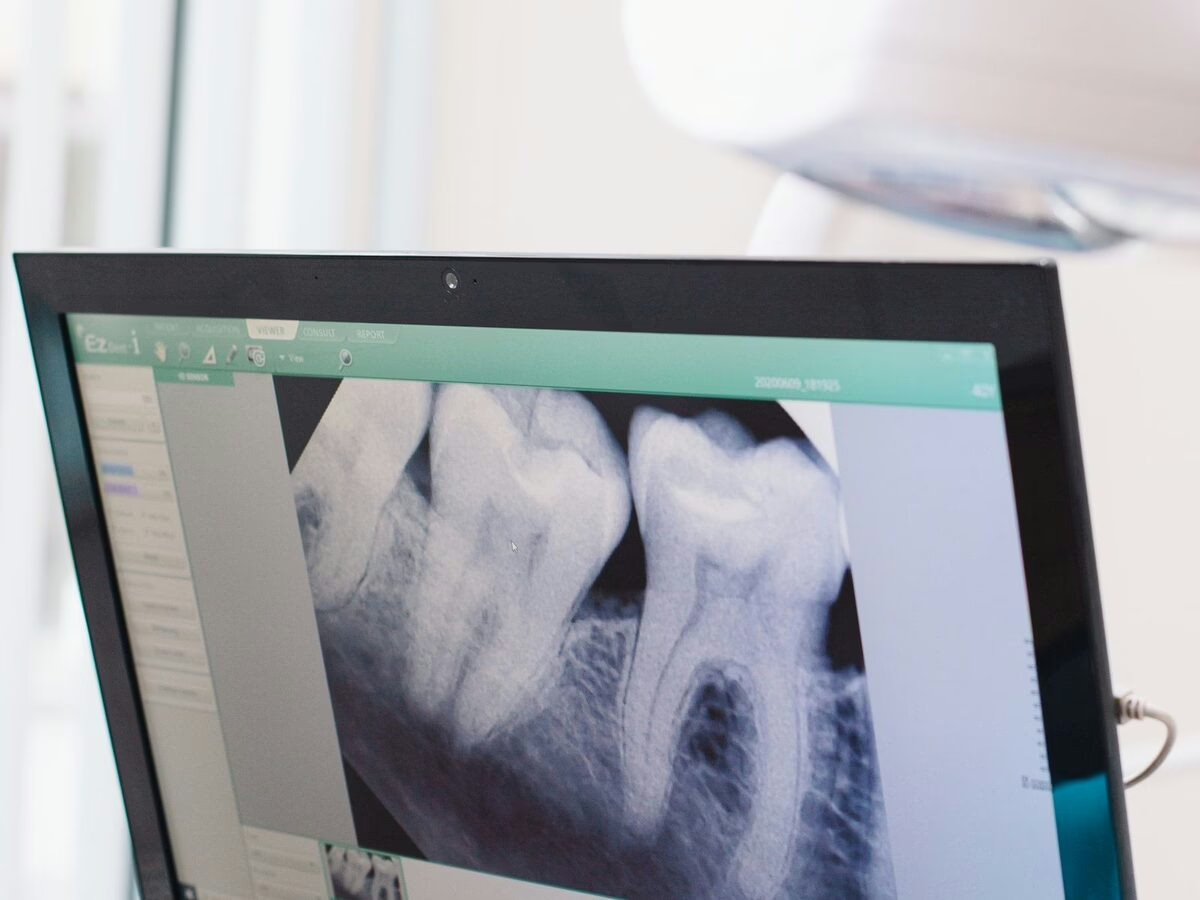
Choosing the wrong treatment for a fracture can cost you the tooth, which is why we diagnose before we treat. Dr Patel identifies the depth of the crack to decide whether it can be managed conservatively or needs a root canal. We also treat luxation injuries for patients with displaced teeth. For a breakdown of endodontics costs in London, we provide an itemised quote at the consultation, before any work begins.

Leave your number and we will call you back. Nothing is booked until you say so.
Putting off a visit because you are worried about the state of a tooth is common, and we do not judge anyone for it. We assess whether a crack has reached the pulp or whether enough sound tooth remains for it to be restored. If the damage is severe, we discuss knocked-out tooth treatment or extraction as alternatives. Where treatment goes ahead, our root canal aftercare guide covers what to expect afterwards.
We begin by examining the crack to see whether the tooth can be kept. This tells us whether the damage has reached the nerve or whether pulp capping is enough to protect the inner tissue.
If the crack has let bacteria into the pulp, we carry out root canal therapy, removing the infected nerve tissue to stop the pain and prevent further decay.
Once cleaned, we seal the canals to prevent reinfection. If a previous root canal has failed, we provide root canal retreatment to clear the canals and reseal them.
A cracked tooth is structurally weak, so we stabilise it to stop the fracture spreading further down the root, which could otherwise cost you the tooth.
We finish with a restoration that seals the tooth and restores its strength for everyday use.
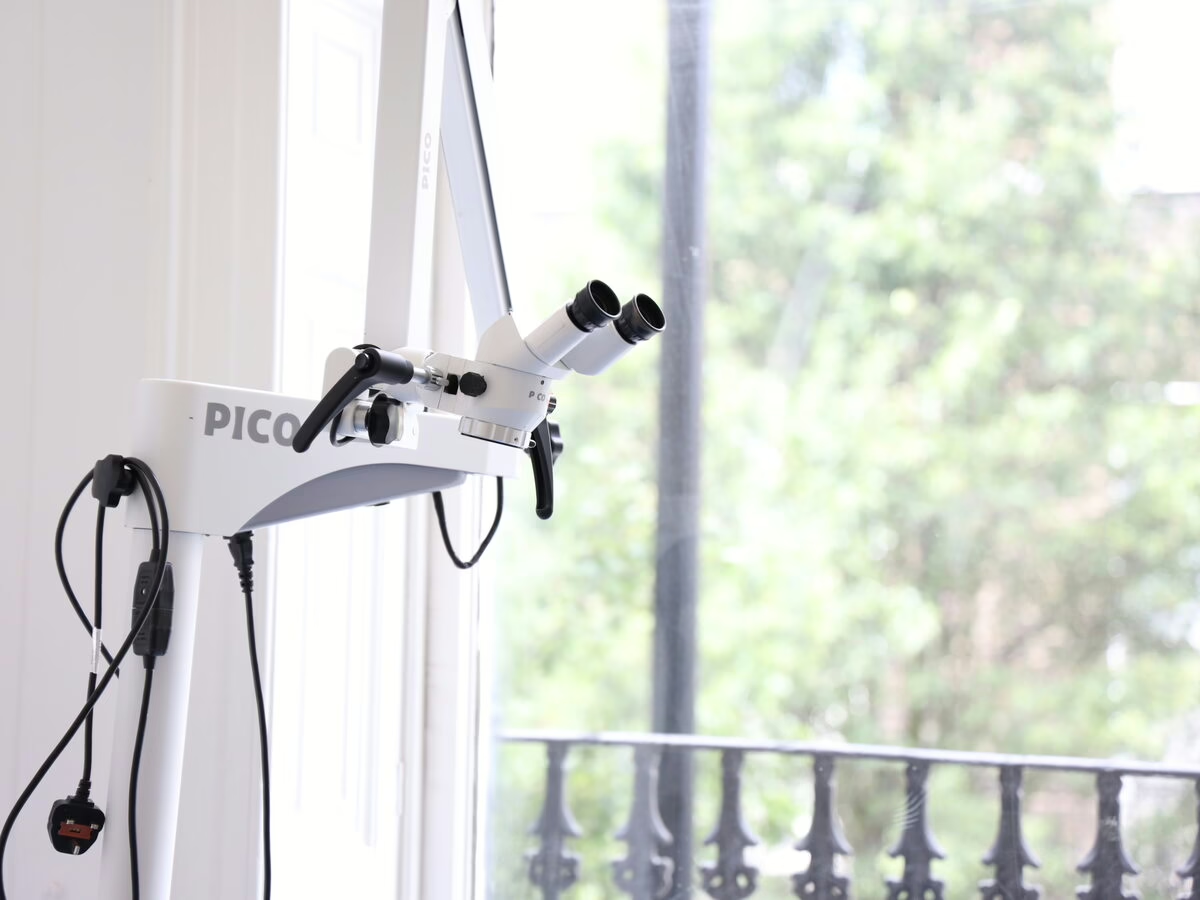
We use operating microscopes and precision instruments to find fractures that are often invisible to the naked eye, alongside modern materials for canal disinfection and filling. Where a pulp can be kept alive, bioactive materials encourage a protective dentine bridge to form.
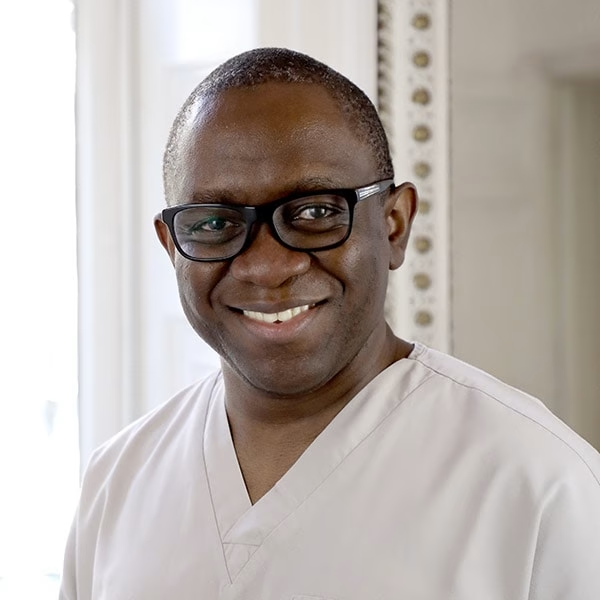
Alongside cracked tooth treatment, our endodontic work includes root canal retreatment, apicoectomy, and dental trauma care. The practice is led by Dr Ope Sodeinde, GDC-registered specialist periodontist (GDC No. 104071).
A root canal treats the internal infection or inflammation caused by a crack. It does not fuse the tooth back together. We use the procedure to remove the damaged pulp and seal the canal, which prevents further decay and helps you keep the natural tooth.
Many cracked teeth are salvageable. Whether a tooth is saveable depends on the depth and location of the fracture. If the crack has not reached the root or split the tooth entirely, we can often restore it. In complex cases, we may perform an apicoectomy to treat the root tip.
Not every crack needs this treatment. If the fracture is limited to the enamel or dentine and the pulp remains healthy, a filling or crown may suffice. We only need a root canal when the crack has let bacteria reach the nerve, causing pain or infection.
Costs vary based on the extent of the fracture and the restoration needed. We give you a precise fee breakdown at your initial consultation, after assessing the tooth's stability and the clinical steps required.
Whether the tooth is saveable depends on the depth and location of the crack, which we establish through examination. You can read what happens at your root canal consultation and how to book to get a definitive answer.
Dr Patel manages these assessments to find the most stable path forward, based on the actual condition of the tooth.
020 7589 7792
We assess whether a tooth can be kept or whether the damage is too extensive, and Dr Patel decides on treatment based on how deep the crack runs. Related care includes luxation injuries, root canal retreatment, apicoectomy, dental trauma care, and our root canal aftercare guide.
We give you a written plan and an itemised quote that you own and can take to any other practice. Arrange your assessment with Dr Patel to find out whether your tooth will survive. Treatment is carried out under local anaesthetic.
020 7589 7792

Real, verified Google reviews from patients of London Dental Specialists.
Your details are used to arrange your appointment and for nothing else.
111 Regent's Park Road, Primrose Hill, London NW1 8UR
Use our contact page if you would rather ask something than book.
