Family Friendly & Specialty Dentists in London, UK

Our Pulp Therapy (Baby Root Canals) for Infected Primary Teeth Treatments

Separator

Pulp Therapy (Baby Root Canals) for Infected Primary Teeth in London, United Kingdom

At London Dental Specialists: Our Dental Clinic in London, England, United Kingdom, we specialise in providing gentle and effective pulp therapy, commonly known as baby root canals, for infected primary teeth. This vital treatment helps preserve your child's baby teeth when infection or severe decay has reached the tooth's inner pulp, ensuring proper oral development and maintaining space for permanent teeth.Our experienced paediatric dental team performs this minimally invasive procedure using advanced techniques and child-friendly approaches. The treatment involves carefully removing the infected pulp tissue from the tooth's crown whilst preserving the healthy root pulp, followed by the application of specialised medicaments such as mineral trioxide aggregate (MTA) or biocompatible materials that promote healing and protect the remaining tooth structure.We understand that maintaining your child's primary teeth until their natural falling out time is crucial for proper dental development. Our pulp therapy treatment helps prevent premature tooth loss, which could otherwise lead to spacing issues, bite problems, or speech difficulties. Using state-of-the-art equipment and gentle techniques, we ensure your child's comfort throughout the procedure whilst delivering optimal therapeutic outcomes.Whether your child is experiencing tooth pain, sensitivity, or has been diagnosed with deep decay, our dedicated team at London Dental Specialists provides comprehensive assessment and personalised treatment plans. We prioritise preserving natural teeth whenever possible, using pulp therapy as an effective solution to save infected primary teeth and maintain your child's healthy smile.

Read More
Separator

Request A Call Back

Separator

Learn how we provide our Pulp Therapy (Baby Root Canals) for Infected Primary Teeth

At London Dental Specialists, our Pulp Therapy treatment for infected primary teeth follows a carefully structured process designed to save your child's affected tooth. Our experienced paediatric dental team begins with a thorough consultation to assess the extent of infection, followed by creating a personalised treatment plan. The procedure involves carefully removing the infected pulp tissue whilst preserving the healthy portion, using advanced medicaments such as mineral trioxide aggregate or calcium hydroxide to promote healing. After treatment, we provide comprehensive aftercare guidance to ensure optimal recovery and maintain the natural development of your child's tooth until it's ready to be replaced by its permanent successor.

  • Step 1: We Assess Your Pulp Therapy (Baby Root Canals) for Infected Primary Teeth Needs and Answer Your Questions and Concerns
  • Step 2: We Create Your Custom Pulp Therapy (Baby Root Canals) for Infected Primary Teeth Treatment Plan
  • Step 3: With Perfect Precision and Expertise, We Provide Your Treatment
  • Step 4: Post Treatment Care and Guidance Provided for your Pulp Therapy (Baby Root Canals) for Infected Primary Teeth Treatment Recovery
  • Consultation and Assessment for Pulp Therapy (Baby Root Canals) for Infected Primary Teeth

    At London Dental Specialists, our initial consultation for pulp therapy begins with a comprehensive assessment of your child's infected primary tooth. Our specialist paediatric dentists will carefully evaluate the extent of infection and determine the most suitable treatment approach.

    During this first appointment, we conduct:

    • Digital X-rays to examine the tooth's internal structure and root development
    • Pulp vitality testing to assess the condition of the tooth's nerve tissue
    • Clinical examination to check for signs of infection or inflammation
    • Medical history review to ensure safe treatment planning

    Our specialists will thoroughly explain:

    • The specific type of pulp therapy needed (pulpotomy or pulpectomy)
    • The treatment process and what to expect
    • Post-treatment care requirements
    • Preventive measures to protect other primary teeth

    We understand that children may feel anxious about dental procedures. Our consultation includes child-friendly explanations using visual aids and demonstration models to help your child feel comfortable and prepared for treatment.

    The assessment typically takes 30-45 minutes, during which we:

    • Answer all your questions and concerns
    • Discuss behavioural management techniques if needed
    • Create a personalised treatment plan
    • Schedule the procedure at a convenient time

    Following the consultation, you'll receive detailed pre-treatment instructions to ensure the best possible outcome for your child's pulp therapy procedure.
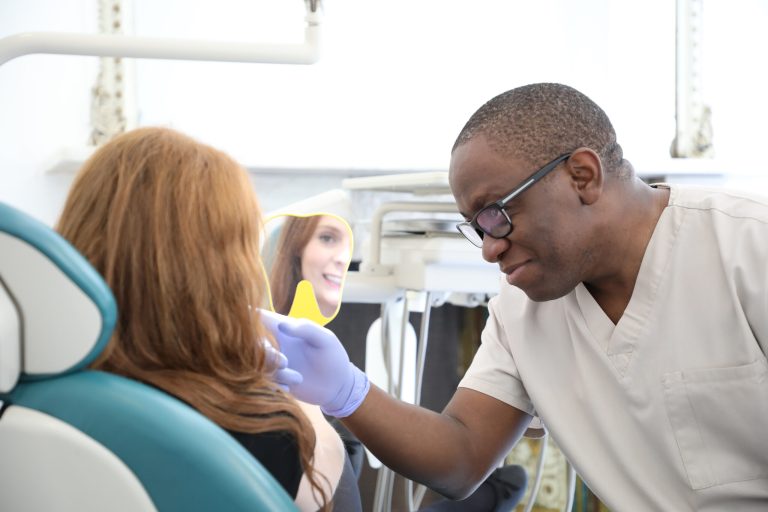
    Pulp Therapy (Baby Root Canals) for Infected Primary Teeth Specialists showing their female patient their Pulp Therapy (Baby Root Canals) for Infected Primary Teeth Results who is happy and smiling looking in the mirror with her new Pulp Therapy (Baby Root Canals) for Infected Primary Teeth

    Custom Treatment Plan for Pulp Therapy (Baby Root Canals) for Infected Primary Teeth

    Pulp therapy for infected primary teeth involves creating a customised treatment plan tailored to your child's specific dental needs. Our specialist paediatric dentists carefully evaluate the extent of infection and determine the most appropriate therapeutic approach.

    During the planning phase, we consider several key factors:

    • Type of pulp therapy needed - whether pulpotomy (partial removal) or pulpectomy (complete removal)
    • Location and extent of infection in the tooth
    • Overall oral health of your child
    • Age and cooperation level of the patient
    • Long-term prognosis of the affected tooth

    Our treatment planning process includes:

    1. Detailed radiographic examination to assess the extent of infection
    2. Evaluation of pulp vitality through clinical testing
    3. Selection of appropriate medicaments for the procedure
    4. Determination of restoration type needed after therapy

    We utilise modern therapeutic materials including mineral trioxide aggregate (MTA) and biocompatible medicaments that promote healing while maintaining the natural development of your child's dentition.

    The custom treatment plan will outline:

    • Number of visits required
    • Step-by-step procedure details
    • Post-treatment care instructions
    • Follow-up schedule for monitoring healing progress

    Our priority is to preserve your child's primary teeth until their natural exfoliation time, ensuring proper development of permanent teeth and maintaining optimal oral health.
    Pulp Therapy (Baby Root Canals) for Infected Primary Teeth Specialists showing their female patient their Pulp Therapy (Baby Root Canals) for Infected Primary Teeth Treatment Plan

    Treatment Procedures for Pulp Therapy (Baby Root Canals) for Infected Primary Teeth

    Pulp therapy for infected primary teeth is a specialised dental procedure designed to save damaged baby teeth while maintaining their natural development. This vital treatment removes infected pulp tissue from within the tooth while preserving its structure and functionality.

    The procedure involves several carefully executed steps:

    1. Initial Assessment
      • Thorough examination of the affected tooth
      • X-rays to determine extent of infection
      • Evaluation of pulp condition
    2. Treatment Preparation
      • Application of local anaesthetic
      • Isolation of the tooth using rubber dam
      • Removal of decay and damaged tooth structure
    3. Pulp Treatment
      • Careful removal of infected pulp tissue
      • Application of medicaments to prevent further infection
      • Placement of therapeutic material to promote healing
    4. Final Restoration
      • Sealing of the tooth chamber
      • Placement of permanent restoration
      • Final assessment of tooth stability

    Our specialists use advanced therapeutic materials including mineral trioxide aggregate (MTA) and biocompatible medicaments to ensure optimal healing and preservation of the tooth structure. The entire procedure is performed under appropriate anaesthesia to ensure your child's comfort.

    Post-treatment care is essential for successful outcomes. We provide detailed aftercare instructions and schedule follow-up appointments to monitor the healing process and ensure the treated tooth maintains its proper function in your child's developing mouth.
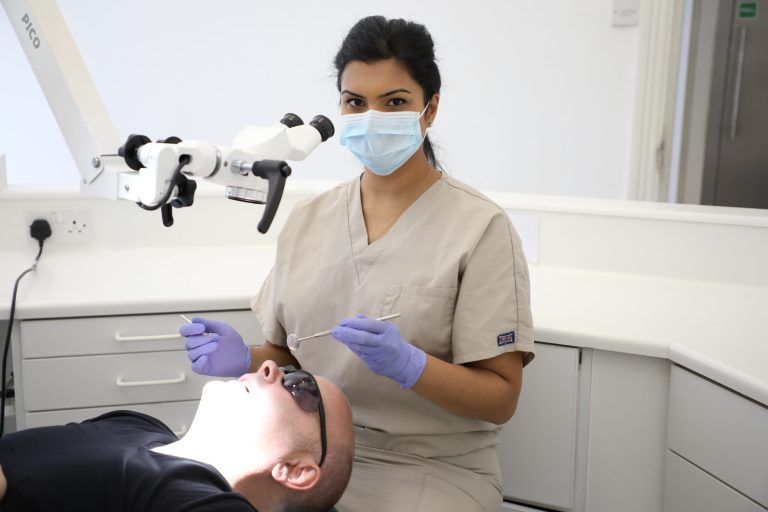
    Pulp Therapy (Baby Root Canals) for Infected Primary Teeth Specialists doing a dental procedure for Pulp Therapy (Baby Root Canals) for Infected Primary Teeth Treatment completed at London Dental Specialists: A Dental Clinic in London, United Kingdom

    Post Treatment Care for Pulp Therapy (Baby Root Canals) for Infected Primary Teeth

    Post-treatment care for pulp therapy in primary teeth requires careful attention to ensure optimal healing and long-term success. Our dental team will provide comprehensive guidance to help your child maintain their treated tooth.

    Immediately after the procedure, your child should:

    • Avoid eating until the numbness wears off to prevent accidental biting of cheeks or tongue
    • Stick to soft foods for the first 24 hours
    • Maintain regular gentle brushing, being careful around the treated area

    For the following days and weeks:

    • Continue normal oral hygiene routine with gentle brushing and flossing
    • Monitor for any unusual symptoms such as:
      • Persistent pain or swelling
      • Fever
      • Bite feeling different or uncomfortable
    • Attend all scheduled follow-up appointments

    Long-term care and monitoring:

    • Regular dental check-ups every 6 months
    • X-rays as recommended to monitor healing
    • Maintain excellent oral hygiene to prevent future decay

    Should you notice any concerns or have questions about your child's treated tooth, our specialist team is available to provide support and guidance. Contact us immediately if your child experiences any unusual symptoms or discomfort.

    Remember: Successful long-term outcomes depend significantly on proper post-treatment care and regular dental visits. Our 10-year warranty on endodontic treatments provides you with peace of mind, ensuring your child receives the highest standard of dental care.
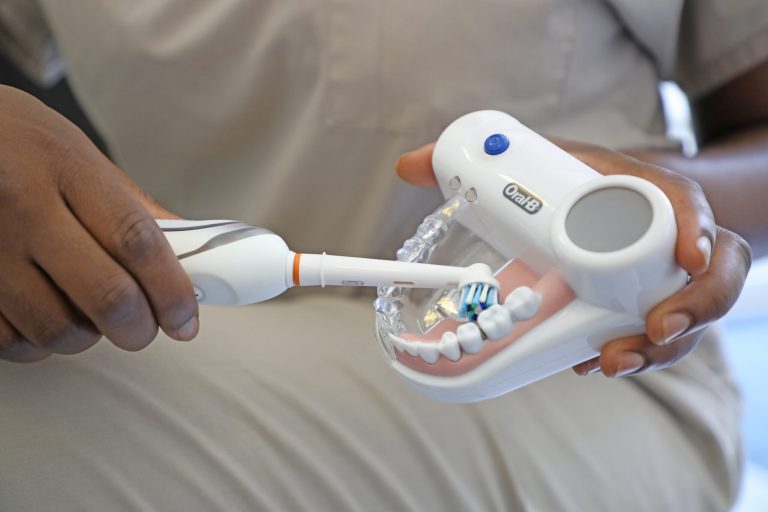

    Pulp Therapy (Baby Root Canals) for Infected Primary Teeth Specialists showing their patient their Pulp Therapy (Baby Root Canals) for Infected Primary Teeth Post Care Methods
    Separator

    Our Dentists serving your Pulp Therapy (Baby Root Canals) for Infected Primary Teeth Treatments at our clinic: London Dental Specialists

    At London Dental Specialists: Our Dental Clinic in London, England, United Kingdom, our highly qualified team brings extensive expertise in performing pulp therapy (baby root canals) for infected primary teeth. Our specialists, led by Dr. Ope Sodeinde and Dr. Neha Patel, combine their advanced endodontic training and paediatric dental experience to provide gentle, effective treatment for young patients.Dr. Neha Patel, our endodontics specialist, holds prestigious qualifications including a Master of Clinical Dentistry in Endodontics (MClinDent) and Membership in Endodontics (MEndoRCS) from the Royal College of Surgeons of Edinburgh. Her specialised training makes her particularly skilled in performing delicate pulp therapy procedures on primary teeth, ensuring the best possible outcomes for our young patients.Supporting our specialists, Florentina Ciuchea, our experienced dental therapist, assists in providing comprehensive care during pulp therapy treatments. Her Bachelor of Science in Oral Health Science equips her with the knowledge to support patients and families throughout the treatment process, offering valuable guidance on post-procedure care and maintenance.Our dedicated dental nurses, Geslaine De Souza and Mercedes Martin, play vital roles in creating a calm, child-friendly environment during pulp therapy procedures. Their experience in paediatric dental care helps ensure that young patients feel comfortable and supported throughout their treatment journey.The entire team at London Dental Specialists maintains current knowledge of the latest developments in pulp therapy techniques and technologies, ensuring we provide the most up-to-date and effective treatments for infected primary teeth. Our commitment to excellence in paediatric dental care is reflected in our continuous professional development and use of advanced dental equipment.
    Read More

    Dr. Ope Sodeinde

    Principal Dentist & Dental Specialist in Periodontics

    Dr. Neha Patel, our specialist in endodontics, brings exceptional expertise to Paediatric pulp therapy treatments. With her Master of Clinical Dentistry in Endodontics (MClinDent) and prestigious Membership in Endodontics (MEndoRCS) from the Royal College of Surgeons of Edinburgh, Dr. Patel excels in performing delicate baby root canal procedures. Her specialised training and meticulous approach make her particularly skilled at preserving infected primary teeth through pulp therapy, ensuring children maintain proper oral development until their permanent teeth emerge. As a Fellow of the Higher Education Academy (FHEA), Dr. Patel combines her clinical excellence with the ability to communicate effectively with young patients and their parents, making the treatment process comfortable and understandable for families.

    Dr. Ope Sodeinde Certifications

    • Bachelor of Dental Surgery (BDS)
    • Membership of the Faculty of Dental Surgery, Royal College of Surgeons of Edinburgh (MFDS RCS(Ed))
    • Master of Science in Restorative Dentistry (MSc (Rest Dent))
    • Master of Clinical Dentistry in Periodontics (MClinDent (Perio))
    • Membership in Periodontics, Royal College of Surgeons of Edinburgh (MPerioRCS (Ed))
    • GDC Registration Number: 104071

    Dr. Neha Patel

    Specialist in Endodontics

    Dr. Neha Patel Certifications

    • Bachelor of Dental Surgery (BDS)
    • Membership of the Faculty of Dental Surgery, Royal College of Surgeons of Edinburgh (MFDS RCS(Ed))
    • Fellow of the Higher Education Academy (FHEA)
    • Master of Clinical Dentistry in Endodontics (MClinDent (Ed))
    • Membership in Endodontics, Royal College of Surgeons of Edinburgh (MEndoRCS (Ed))
    • GDC No: 150517

    Dr. Kia Papagalani

    Specialist in Orthodontics

    Dr. Kia Papagalani brings specialised expertise in Paediatric orthodontics and dental development, making her particularly skilled in assessing and treating cases requiring pulp therapy for primary teeth. Her Master of Science in Orthodontics from Ohio State University has equipped her with advanced knowledge of dental development patterns and the crucial timing of interventions in young patients. Dr. Papagalani's international experience and understanding of modern techniques allow her to work effectively with children requiring baby root canals, ensuring optimal preservation of primary teeth until natural exfoliation occurs. Her gentle approach and ability to put young patients at ease makes her an invaluable asset for families seeking pulp therapy treatments at London Dental Specialists.

    Dr. Kia Papagalani Certifications

    • Diploma in Dental Surgery, DipDS
    • Master of Science in Orthodontics, MS (Ortho)
    • General Dental Council Registration No. 228487
    Separator

    Frequently Asked Questions About Our Pulp Therapy (Baby Root Canals) for Infected Primary Teeth in London, UK

    Considering Pulp Therapy (Baby Root Canals) for Infected Primary Teeth? We understand you may have questions. Our team of dental specialists, including a Periodontist, Endodontist and Orthodontist along with our team of Dental Therapists and Nurses are here to guide you through the process.
    What is pulp therapy treatment for infected baby teeth and when is it necessary?

    Pulp therapy, also known as a baby root canal, is a dental procedure performed on primary (baby) teeth when decay or infection has reached the tooth's inner pulp chamber. This treatment aims to save the affected baby tooth by removing infected pulp tissue whilst preserving the tooth's function until it naturally falls out to make way for permanent teeth.

    The procedure becomes necessary when a primary tooth shows signs of deep decay, infection, or trauma that has affected the dental pulp. Common indicators include persistent tooth pain, sensitivity to temperature, swelling around the tooth, or visible decay reaching close to the tooth's nerve.

    • Types of Pulp Therapy Treatments:
      • Pulpotomy - Removal of infected pulp from the crown portion only
      • Pulpectomy - Complete removal of pulp from both crown and root chambers
    • Treatment Process:
      • Local anaesthetic administration for pain-free treatment
      • Removal of decay and infected pulp tissue
      • Cleaning and disinfection of the pulp chamber
      • Application of medicaments to prevent further infection
      • Placement of permanent restoration or crown
    • Post-Treatment Care:
      • Avoid hard foods for 24 hours after treatment
      • Maintain regular brushing and flossing routine
      • Attend scheduled follow-up appointments
      • Contact London Dental Specialists if any concerns arise

    At London Dental Specialists, our experienced team provides comprehensive pulp therapy treatments with a 10-year warranty on all endodontic procedures. We utilise advanced techniques and materials, including mineral trioxide aggregate (MTA) and biocompatible filling materials, ensuring the best possible outcomes for your child's dental health.

    What are the signs that my child needs pulp therapy for their baby teeth?

    The main signs that your child may need pulp therapy (baby root canal) include persistent tooth pain, sensitivity to hot and cold temperatures, swelling around the affected tooth, and visible decay or damage. If your child wakes up at night with tooth pain or complains of discomfort while eating, these could be indicators that the tooth's pulp is infected or damaged.

    Additional warning signs include darkening or discolouration of the tooth, tenderness when touching or tapping the tooth, and unexplained fever alongside tooth pain. These symptoms suggest that bacteria have reached the tooth's inner pulp, requiring professional intervention to save the primary tooth.

    • Common symptoms requiring pulp therapy:
      • Spontaneous tooth pain that persists
      • Sensitivity when eating hot or cold foods
      • Visible cavity or tooth damage
      • Gum swelling near the affected tooth
      • Night-time tooth pain
    Condition Treatment Approach
    Reversible Pulpitis Partial pulp removal (pulpotomy)
    Irreversible Pulpitis Complete pulp removal (pulpectomy)

    At London Dental Specialists, we recommend bringing your child for an evaluation as soon as these symptoms appear. Early intervention can prevent the spread of infection and help maintain the natural spacing for permanent teeth. We provide comprehensive aftercare support and our endodontic treatments come with a 10-year warranty for your peace of mind.

    How long does pulp therapy treatment take for infected baby teeth and what can my child expect during the procedure?

    Pulp therapy treatment for infected baby teeth typically takes 30-45 minutes per tooth and is completed in a single visit. During the procedure, your child will receive local anaesthetic to ensure comfort while the dentist removes the infected pulp tissue from the tooth's crown, cleans the area, and applies medicaments to preserve the remaining healthy pulp.

    The procedure begins with a thorough examination and X-rays to determine the extent of infection. Your child will feel minimal discomfort as the area is completely numbed, and they can expect to resume normal activities the same day. After treatment, the tooth is restored with a crown to protect it until the natural falling out process occurs.

      What to Expect During Treatment:

    • Application of topical numbing gel followed by local anaesthetic
    • Placement of a protective rubber dam to isolate the tooth
    • Removal of decay and infected pulp tissue
    • Cleaning and medicament application
    • Placement of a permanent crown

      Post-Treatment Care:

    • Temporary numbness for 2-3 hours
    • Mild soreness managed with children's paracetamol if needed
    • Normal eating once numbness subsides
    • Regular brushing and flossing can resume immediately
    • Follow-up appointment to check healing

    Contact London Dental Specialists immediately if your child experiences prolonged pain or swelling after the procedure. Our 10-year warranty on endodontic treatments ensures your peace of mind throughout the healing process.

    What is the recovery time after pulp therapy for baby teeth and what aftercare steps should be followed?

    Recovery after pulp therapy (baby root canal) typically takes 24-48 hours, during which children can usually return to normal activities the next day. The treated area may feel slightly sensitive for a few days, but significant pain or discomfort is uncommon. Most children can eat normally once the local anaesthetic wears off, though it's advisable to avoid very hot or cold foods initially.

    Essential aftercare steps include maintaining good oral hygiene by gentle brushing around the treated tooth and using a child-safe antimicrobial mouthwash if recommended. Parents should monitor their child for any unusual symptoms and ensure they attend all follow-up appointments to check the tooth's healing progress.

      Key Aftercare Instructions:

    • Wait until numbness completely wears off before eating to avoid accidental cheek biting
    • Start with soft foods for the first 24 hours
    • Continue regular brushing and flossing, being gentle around the treated area
    • Avoid sticky or hard foods for several days
    • Use paracetamol or ibuprofen as directed if mild discomfort occurs

      When to Contact Your Dentist:

    • Persistent pain lasting more than a few days
    • Severe swelling or fever
    • The treated tooth feels higher than other teeth when biting
    • The temporary or permanent crown becomes loose or falls out

    London Dental Specialists provides comprehensive aftercare support and can be contacted if any concerns arise during the recovery period. Our 10-year warranty on endodontic treatments ensures peace of mind throughout your child's healing journey.

    What are the potential risks and complications associated with pulp therapy treatment for infected baby teeth?

    The main risks and complications associated with pulp therapy for infected baby teeth include potential post-treatment discomfort, infection, and in rare cases, failure of the treatment requiring extraction. While generally safe and effective, there's a small possibility of inflammation or sensitivity that typically resolves within a few days after the procedure.

    Specific complications may include internal root resorption, where the tooth structure begins to break down from within, or damage to the developing permanent tooth underneath. However, these risks are minimised when the procedure is performed by experienced dental professionals using modern techniques and materials.

    • Common temporary side effects:
      • Mild discomfort or tenderness when biting
      • Slight swelling around the treated tooth
      • Temperature sensitivity for a few days
    • Potential complications:
      • Infection recurrence requiring additional treatment
      • Premature loss of the treated tooth
      • Changes in the natural exfoliation timing

    At London Dental Specialists, we carefully monitor treated teeth through follow-up appointments to ensure proper healing and address any concerns promptly. Parents should contact us immediately if their child experiences severe pain, prolonged swelling, or fever after the procedure.

    How does pulp therapy for baby teeth differ from traditional root canal treatment in permanent teeth?

    Pulp therapy, also known as a baby root canal, is a specialised dental procedure designed to save infected primary (baby) teeth by removing damaged pulp tissue whilst preserving the natural tooth structure. This treatment becomes necessary when decay or trauma reaches the tooth's inner pulp chamber, causing pain, infection, or inflammation in children's primary teeth.

    The procedure involves carefully removing the infected pulp tissue from the crown portion of the tooth, cleaning the area thoroughly, and placing a medicament to prevent further infection. For primary teeth, this treatment is crucial as it helps maintain proper spacing for permanent teeth and supports normal speech and chewing development.

    • Treatment options include:
      • Pulpotomy - removal of infected pulp from the crown only
      • Pulpectomy - complete removal of pulp from both crown and roots
    Treatment Stage Duration
    Initial examination 15-20 minutes
    Pulp therapy procedure 30-45 minutes

    Post-treatment care includes:

    • Avoiding hard foods for 24 hours
    • Maintaining regular oral hygiene
    • Attending follow-up appointments as scheduled

    London Dental Specialists offers comprehensive aftercare support with our 10-year warranty on endodontic treatments, ensuring your child's dental health remains properly monitored throughout their development.

    What is the success rate of pulp therapy treatment for infected baby teeth and how long can the treated tooth last?

    Pulp therapy (baby root canal) treatment for infected primary teeth typically has a success rate of 80-90% when performed by experienced Paediatric dentists. Treated baby teeth can usually last until their natural falling out time, which varies by tooth type but generally occurs between ages 6-12. The longevity depends on the child's age when treatment is performed and proper oral hygiene maintenance.

    The effectiveness of pulp therapy relies heavily on early intervention and the extent of infection before treatment. When performed on appropriately selected cases with minimal infection spread, treated primary teeth can remain functional for 3-4 years or longer until natural exfoliation occurs.

    • Treatment success factors:
      • Early detection and treatment of decay
      • Child's overall oral health
      • Type of pulp therapy performed (pulpotomy vs pulpectomy)
      • Post-treatment care and hygiene
    • Signs of successful treatment:
      • No pain or sensitivity
      • Normal chewing function
      • Healthy gum tissue around the tooth
      • No signs of infection on follow-up x-rays

    For ongoing care support and monitoring, London Dental Specialists provides comprehensive follow-up care to ensure optimal healing and longevity of the treated tooth. Regular check-ups every 6 months are recommended to monitor the treated tooth's condition.

    How can parents help prevent the need for pulp therapy treatment in their child's primary teeth?

    Pulp therapy, commonly known as a baby root canal, is a specialised dental procedure designed to save infected primary (baby) teeth by removing damaged pulp tissue while preserving the natural tooth structure. This treatment becomes necessary when decay or trauma reaches the tooth's nerve centre, causing pain, sensitivity, or infection in children's primary teeth.

    The procedure involves carefully removing the infected pulp tissue from the tooth's crown (pulpotomy) or entire root canal system (pulpectomy), followed by cleaning and sealing with biocompatible materials. This treatment helps maintain the primary tooth's natural space until the permanent tooth is ready to emerge, preventing potential alignment issues.

    • Common signs your child may need pulp therapy:
      • Persistent toothache or sensitivity
      • Visible decay or damage
      • Swelling around the affected tooth
      • Pain during eating or drinking
    Treatment TypeDescription
    PulpotomyRemoval of infected pulp from the crown only, suitable for partial infection
    PulpectomyComplete removal of pulp tissue from crown and roots, necessary for extensive infection

    At London Dental Specialists, we provide comprehensive aftercare guidance and support, backed by our 10-year warranty on endodontic treatments. The procedure typically takes 45-60 minutes, and most children can return to normal activities the same day.

    Can’t find the answer to your Pulp Therapy (Baby Root Canals) for Infected Primary Teeth questions here? Always feel welcome to contact us with your Pulp Therapy (Baby Root Canals) for Infected Primary Teeth questions and concerns.
    Separator

    Get Started with Pulp Therapy (Baby Root Canals) for Infected Primary Teeth Treatments

    Ready to take the next step with our  Pulp Therapy (Baby Root Canals) for Infected Primary Teeth Treatments?

    We are happy to answer your questions and help you feel as comfortable as can be with taking the next step in your Pulp Therapy (Baby Root Canals) for Infected Primary Teeth treatments and dental care!
    How can I schedule a consultation for my child's pulp therapy treatment and what should I bring to the first appointment?

    To schedule a consultation for your child's pulp therapy treatment at London Dental Specialists, simply call our office to speak with our dedicated paediatric dental team. During your first appointment, please bring your child's complete medical and dental history, any recent dental X-rays if available, and a list of current medications.

    Our experienced paediatric dentists will conduct a thorough examination and discuss the best treatment approach for your child's infected primary tooth. We recommend bringing your child's favourite comfort item, such as a stuffed animal or blanket, to help them feel more relaxed during the consultation.

    Essential Items for Your First Appointment:

    • Child's medical and dental records
    • Previous dental X-rays (if available)
    • List of current medications and allergies
    • Insurance information
    • Completed patient registration forms
    • Comfort item for your child

    What to Expect During the Consultation:

    • Comprehensive oral examination
    • Digital X-rays if needed
    • Discussion of treatment options
    • Detailed treatment plan explanation
    • Opportunity to ask questions
    • Scheduling of the procedure if necessary

    For urgent cases involving tooth pain or infection, we offer priority scheduling to ensure your child receives prompt attention. Our team is available to answer any questions about the pulp therapy procedure and provide guidance on pre-treatment preparation.

    What are the costs and payment options available for pulp therapy treatment on baby teeth?

    At London Dental Specialists, pulp therapy (baby root canal) treatment for infected primary teeth typically costs between £500-£800 per tooth, depending on the complexity of the case and specific treatment requirements. This cost includes the complete procedure, from initial examination to final restoration, performed by our experienced paediatric dental specialists.

    For detailed pricing information and available payment arrangements, we encourage you to contact our dental office directly. Our team will provide a comprehensive treatment plan and exact cost breakdown following your child's initial consultation, ensuring transparency throughout the process.

    • Treatment Components Included in Cost:
      • Initial examination and X-rays
      • Local anaesthetic administration
      • Pulp therapy procedure
      • Medicaments and materials
      • Final restoration
    Treatment TypeApproximate Cost Range
    Pulpotomy (partial pulp removal)£500-£650
    Pulpectomy (complete pulp removal)£650-£800

    For questions about treatment costs or to schedule a consultation, please contact our London office. We're committed to providing high-quality paediatric dental care with our 10-year warranty on endodontic treatments.

    What should I expect during my child's first consultation for pulp therapy treatment?

    During your child's first consultation for pulp therapy at London Dental Specialists, our experienced paediatric dentist will conduct a thorough examination of your child's affected tooth using dental X-rays and clinical testing. The initial appointment typically takes 30-45 minutes and involves assessing the extent of infection, discussing treatment options, and creating a personalised treatment plan.

    The consultation begins with a gentle examination where we evaluate your child's symptoms, dental history, and overall oral health. Our specialists will explain the pulp therapy procedure using child-friendly language and demonstrate the equipment we'll use to help ease any anxiety.

    • What to bring to the consultation:
      • Any previous dental records or X-rays
      • List of your child's current medications
      • Medical history information
    • During the examination, we will:
      • Take digital X-rays to assess pulp damage
      • Test tooth sensitivity and pulp vitality
      • Check for signs of infection or abscess
      • Evaluate the extent of decay
    • Treatment planning includes:
      • Discussion of treatment options (pulpotomy or pulpectomy)
      • Expected timeline for treatment
      • Post-treatment care instructions
      • Scheduling the procedure appointment

    Our specialists are committed to providing gentle, effective care backed by our 10-year warranty on endodontic treatments. We encourage parents to ask questions and address any concerns during this initial consultation to ensure complete comfort with the proposed treatment plan.

    chevron-down linkedin facebook pinterest youtube rss twitter instagram facebook-blank rss-blank linkedin-blank pinterest youtube twitter instagram