Family Friendly & Specialty Dentists in London, UK

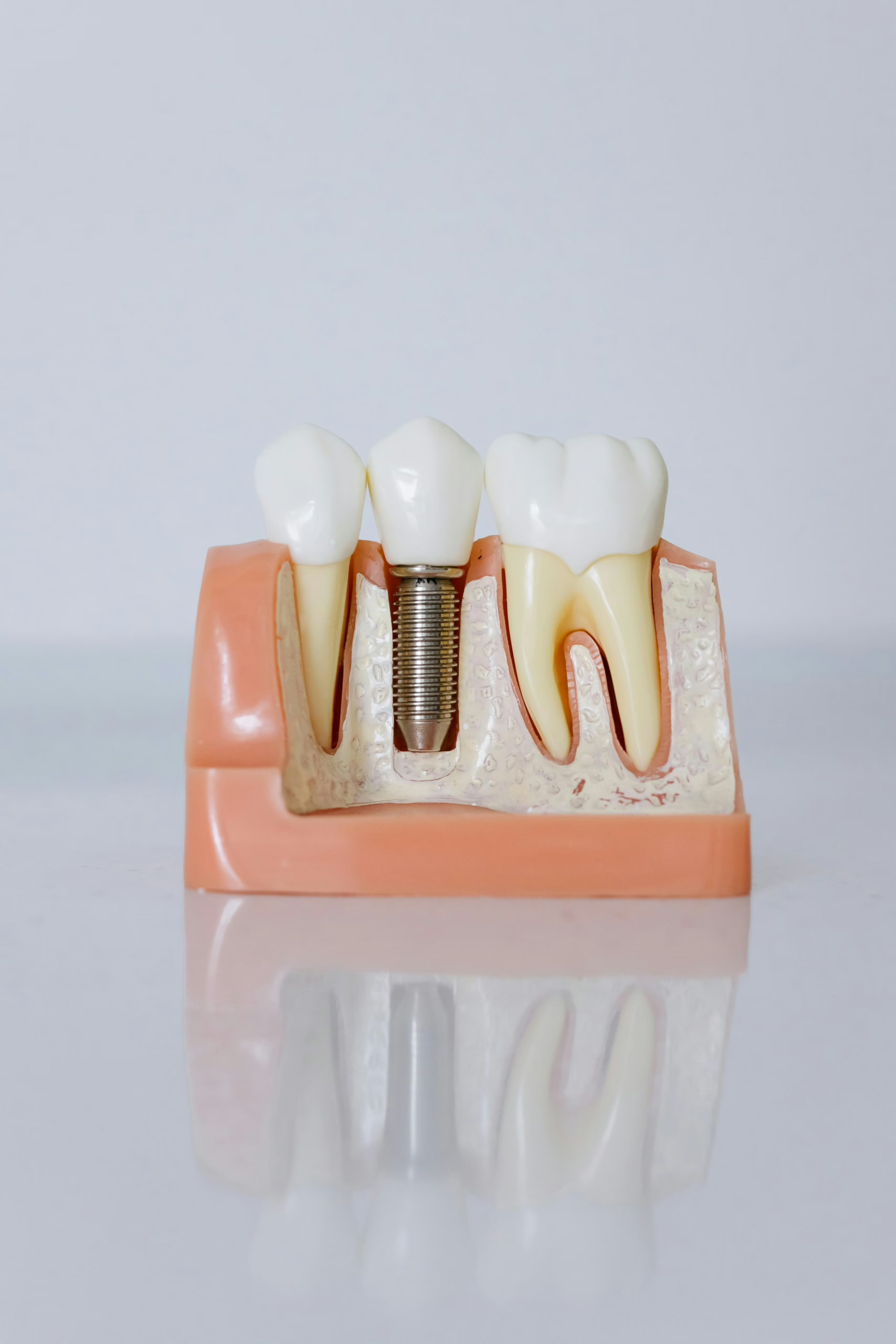
Yes, dental infections can spread to adjacent teeth through the periodontal ligament, bone, and bloodstream. Bacteria from an untreated cavity or abscess may migrate to neighbouring teeth, particularly when deep structural damage or gum disease exists. Warning signs include persistent swelling, pus pockets, and escalating pain. Fever and swollen lymph nodes indicate systemic spread. Professional treatment such as root canal therapy or extraction may help stop progression. Understanding the full scope of how infections develop and spread reveals why early intervention is important.
If you experience symptoms of a dental infection, contact a dental professional promptly for examination and appropriate treatment. For dental emergencies outside normal hours, contact NHS 111 for guidance or 999 if you have severe symptoms such as difficulty breathing or swallowing.
When bacteria gain access to the inner structures of a tooth or surrounding tissues, dental infections take hold. These infections commonly originate from untreated dental problems such as cavities, cracked teeth, or periodontal disease.
Dental infections develop when bacteria penetrate tooth structures, commonly stemming from cavities, cracked teeth, or periodontal disease.
As bacteria infiltrate the dental pulp—the tooth's innermost component—inflammation develops, often resulting in an abscess at the root tip.
Periapical abscesses represent localised collections of infected material that cause swelling and discomfort. The presence of bacteria triggers an inflammatory response as the body attempts to combat the infection.
Without prompt intervention, untreated dental infections may progress through supporting structures and adjacent tissues. Understanding how tooth infections develop is essential for recognising early warning signs and seeking timely treatment.
Early detection helps prevent complications and protects overall dental health by stopping infection spread before it affects neighbouring teeth. Advanced diagnostic tools such as 3D imaging enable precise assessment of infection extent and guide effective treatment planning at London Dental Specialists.
Dental infections spread between adjacent teeth primarily through bacterial migration pathways, where pathogens traverse the periodontal ligament and exploit structural weaknesses created by cavities or gum disease.
As bacteria colonise new sites, they trigger an inflammatory response progression that damages surrounding tissues and further compromises the tooth's defences.
This cascade effect means that untreated infections in one tooth create increasingly favourable conditions for infection to establish in neighbouring teeth.
Early intervention through professional dental treatment is critical to prevent this bacterial spread and protect adjacent teeth from becoming compromised.
Multiple routes enable bacteria from an infected tooth to reach neighbouring teeth and deeper body tissues. Direct contact between adjacent teeth allows pathogenic organisms to spread to surrounding structures.
The periodontal ligaments—connective tissues anchoring teeth to bone—serve as highways for bacterial infection to migrate laterally.
When dental infection progresses to abscess formation, bacteria can travel through the bloodstream, creating systemic complications. The lymphatic system provides another avenue, transporting pathogens to regional lymph nodes.
Saliva contamination facilitates spread throughout the oral cavity, whilst untreated infections may contribute to periodontal disease development in neighbouring teeth.
Periapical abscesses extending through bone can directly contact adjacent teeth, initiating secondary infections.
This cascade demonstrates why addressing bacterial infection promptly may help protect oral health and reduce the risk of inflammation of the tissues affecting multiple teeth simultaneously.
Beyond the physical pathways bacteria traverse, the body's own defensive mechanisms paradoxically facilitate infection spread between teeth. When a dental abscess forms, the inflammatory response increases blood vessel permeability, allowing bacteria to migrate through surrounding tissues more easily. This heightened inflammatory state creates an environment where pathogens invade neighbouring teeth through the periodontal ligament and bone.
| Factor | Impact |
|---|---|
| Inflammatory Response | Increases vessel permeability |
| Deep Cavity Presence | Heightens susceptibility |
| Periodontal Disease | Compromises tissue barriers |
| Immune Compromise | Accelerates bacterial spread |
| Poor Oral Hygiene | Worsens progression rate |
The risk of developing secondary infections escalates when adjacent teeth have existing vulnerabilities like deep cavities or periodontal disease. Early diagnosis is important—prompt intervention may help prevent this cascade, potentially reducing the progression of tooth infection before extensive abscess formation or tooth loss occurs. Understanding this progression underscores why timely treatment matters.
How can someone tell if a tooth infection is worsening? Several warning signs indicate a dental infection may spread to adjacent teeth, requiring immediate dental evaluation.
Key indicators include:
These symptoms suggest bacteria are multiplying and potentially affecting neighbouring teeth through the periodontal ligament space and bone. Advanced diagnostic technology such as 3D imaging can help dental professionals accurately identify the extent of infection and determine the most effective treatment approach.
Bacteria multiply rapidly through the periodontal ligament space and bone, potentially affecting neighbouring teeth and spreading infection.
Recognising these warning signs early may help prevent additional abscesses and decay from developing. Patients experiencing any combination of these indicators should seek professional dental care promptly.
If you experience difficulty breathing or severe swelling, contact NHS 111 or call 999 immediately for emergency medical assistance.
Certain symptoms serve as critical red flags that a dental infection requires immediate professional intervention.
When patients experience persistent severe pain, facial swelling, difficulty swallowing, or fever, these indicators suggest the infection has progressed beyond the initial tooth and may be affecting surrounding tissues or systemic health.
Recognising these warning signs and seeking prompt evaluation can help prevent serious complications and determine whether treatment such as root canal therapy, drainage, or extraction may be appropriate.
Untreated dental abscesses can develop into recurrent dental abscesses that indicate deeper issues requiring comprehensive treatment plans tailored to individual patient conditions.
When a dental infection begins to spread, the body sends distinct warning signals that demand immediate professional attention. A persistent toothache combined with swelling in the face suggests the tooth infection may be advancing beyond the initial site.
Several critical signs of infection warrant urgent dental evaluation:
These symptoms indicate the infection's potential to spread to the jawbone and adjacent teeth.
Prompt professional intervention may help prevent serious complications and help stop the infection from causing widespread damage to oral health and overall wellbeing.
Because dental infections can rapidly progress beyond their initial site, recognising when professional specialist intervention becomes necessary is critical to preventing serious complications.
Several indicators warrant immediate dental specialist referral. Persistent swelling, pain, or fever suggest the tooth infection is spreading to surrounding tissues. Difficulty chewing, excessive tooth mobility, or gum drainage indicate advancing periodontal disease requiring professional evaluation.
| Warning Sign | Indicator | Action Required |
|---|---|---|
| Systemic symptoms | Breathing difficulties, elevated heart rate | Urgent referral |
| Local progression | Swelling beyond tooth site | Specialist evaluation |
| Functional impairment | Chewing difficulty, mobility | Professional treatment |
A dental abscess requires prompt professional attention. Early detection through regular evaluations enables timely referral before localised infection progresses to adjacent teeth. Dental specialists assess treatment options—ranging from antibiotics to extraction—preventing further advancement and protecting overall health.
If you experience breathing difficulties, severe swelling, or elevated heart rate, seek immediate medical attention by contacting NHS 111 or, in emergencies, 999.
Once a dental infection takes hold, prompt intervention becomes essential to prevent it from advancing to adjacent teeth and surrounding tissues.
Prompt intervention is essential when dental infections develop to prevent spread to adjacent teeth and surrounding tissues.
Several treatment options effectively stop the infection's progression:
Without treatment, infections spread rapidly, potentially affecting multiple teeth and causing serious complications. Advanced diagnostic techniques such as 3D CBCT imaging enable precise identification of infection extent and guide targeted treatment planning to prevent spread to surrounding tissues.
Early intervention through professional care combined with good oral hygiene practices provides effective defence against tooth infection advancement and protects surrounding tissues from damage.
Whilst professional dental treatment addresses active infections, a proactive approach to daily oral care helps reduce the risk of infections developing in the first place.
| Prevention Strategy | Key Benefit |
|---|---|
| Brush twice daily and floss once daily | Reduces plaque buildup and bacteria |
| Schedule regular dental check-ups | Helps identify dental problems early |
| Limit sugary foods and drinks | May help prevent cavities and bacterial growth |
| Address cavities and gum disease promptly | Helps stop bacteria from invading tissues |
| Use mouthwash regularly | May help eliminate bacteria brushing misses |
Maintaining excellent oral hygiene can contribute to overall health by helping prevent tooth infection spread to adjacent teeth. Regular dental check-ups may help identify issues before they escalate, whilst a low-sugar diet can minimise cavity development. Addressing dental problems promptly may help prevent bacteria from establishing deeper infections. Working with specialist dental teams ensures that any infections are treated with appropriate antibiotic therapy tailored to your specific needs. These strategies work together to support healthy teeth and gums, contributing to both oral and systemic health.
Successfully treating a dental infection represents an important milestone, yet the work doesn't end once treatment is complete. Recovery requires sustained attention to prevent complications and recurrence.
Effective long-term dental care involves three essential components:
Patients should monitor for lingering pain or swelling, consulting their dentist immediately if symptoms persist.
A healthy immune system may support recovery. Regular dental care appointments allow professionals to identify potential issues before they develop into more serious problems, supporting optimal oral health long-term. Aftercare guidance provided by your dental team ensures optimal healing and prevents future complications.
Yes, tooth infections can spread to adjacent teeth through periodontal tissues and the bloodstream.
Bacteria from untreated cavities or periapical abscesses may migrate to neighbouring teeth, potentially causing additional infections.
Poor oral hygiene can increase this risk.
Warning signs may include swelling in adjacent gums and persistent pain in nearby teeth.
Professional dental treatment should be sought promptly, as untreated infections could affect the jawbone or general health.
A toothache rarely causes diarrhoea directly, but severe dental pain can trigger stress responses that affect digestion.
Tooth abscesses may prompt systemic inflammation, occasionally impacting gastrointestinal function.
However, diarrhoea alongside a toothache is uncommon and often signals an unrelated gastrointestinal issue or underlying condition.
Anyone experiencing both symptoms should consult a healthcare professional to identify the actual cause and receive appropriate treatment.
Yes, tooth infections commonly cause headaches through several mechanisms. The interconnected nerve pathways between teeth and head create referred pain sensations. Additionally, inflammatory responses and pressure from abscesses generate tension that radiates upward.
Persistent dental pain also triggers muscle tension and stress, compounding headache severity. Research confirms dental pain ranks amongst top headache causes, with symptoms typically resolving once the underlying infection receives appropriate treatment.
If you experience persistent headaches alongside dental discomfort, it's important to seek a professional dental examination to identify and address any potential infection.
Contact your dentist promptly for an assessment.
A severe tooth infection typically produces a persistent, throbbing toothache that may radiate to the jaw, neck, or ear.
Patients often experience significant gum or facial swelling.
Additional symptoms include fever, swollen lymph nodes, sensitivity to temperature extremes, and discomfort whilst chewing.
Difficulty opening the mouth or jaw tightness may develop as inflammation spreads.
A bad taste in the mouth frequently accompanies these symptoms, signalling the need for urgent dental assessment.
Dental infections can indeed spread to adjacent teeth through bacterial pathways in bone and periodontal tissues. Early recognition of symptoms such as swelling and pain is essential for preventing progression. Professional treatment, including root canals or extractions, may help to halt spread and preserve oral health. Consistent oral hygiene, regular dental check-ups, and prompt treatment of cavities remain important defences against infection development and transmission between teeth.