Family Friendly & Specialty Dentists in London, UK
This guide covers what to expect after dental implant surgery, how to protect the site while it heals, and how to keep the implant healthy for the long term. Dr Ope Sodeinde sets the recovery plan for your case at your consultation and reviews it after surgery.
The days after surgery bring practical questions: what you can eat, how to clean near the site without disturbing it, and what is normal versus what needs a call. We go through the plan at your appointment for dental implants in London, and Dr Ope Sodeinde adjusts it to the surgery you have had, since a single implant and a full arch with grafting do not recover the same way.
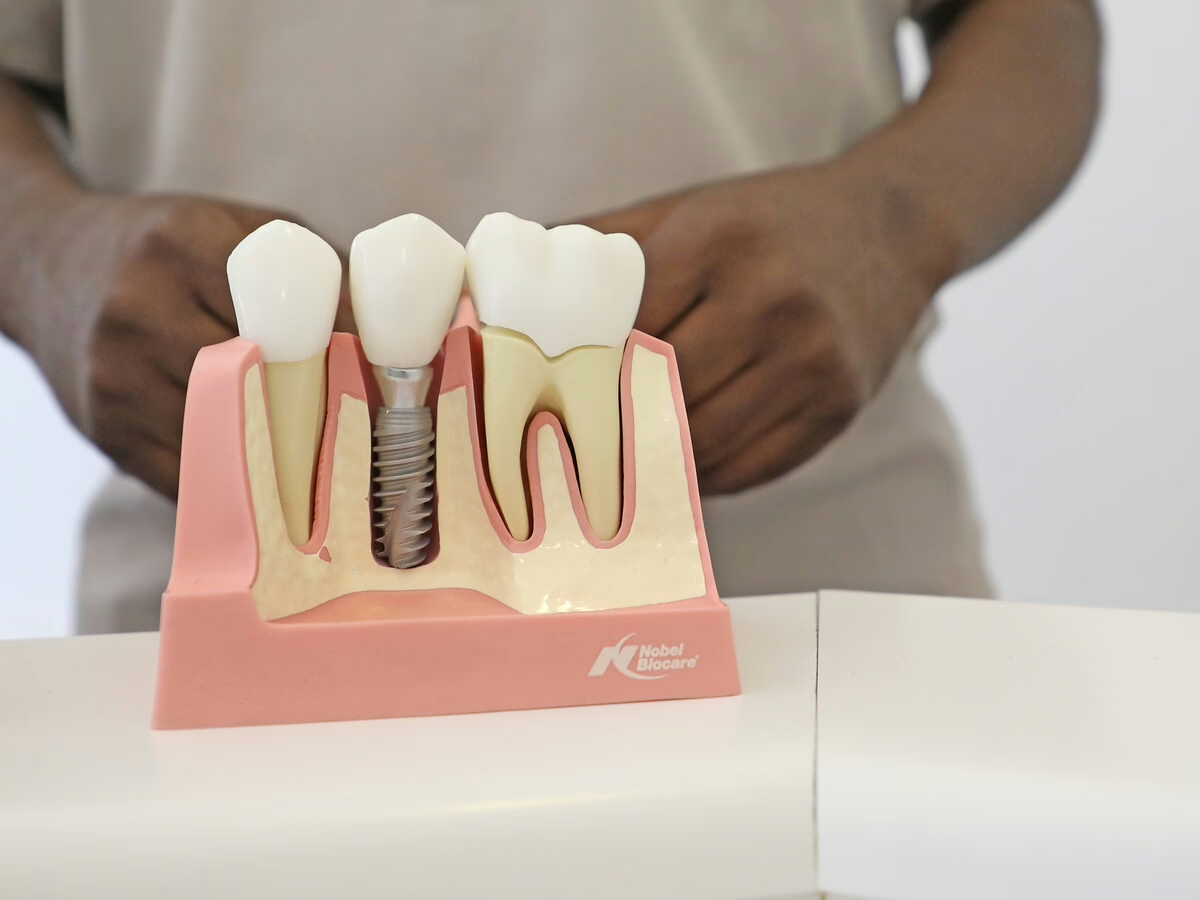
For implants we place, we offer a 10-year implant warranty, subject to its written conditions, which we give you to read before treatment. It is a commitment about specified implant-related costs, not a promise of clinical success. You can see the implant systems we place to understand what has been fitted.
Aftercare is the biggest factor in how long implants last. The implant itself does not decay, but the gum and bone around it can become inflamed in the same way as around a natural tooth, so the cleaning routine we give you is what protects it over the coming decade.
Leave your number and we will call you back. Nothing is booked until you say so.
Dr Ope Sodeinde assesses bone density and gum health to confirm you are a candidate. Where there is a history of gum infection, the assessment covers implants with gum disease, because the gum has to be stable before and after placement. You can see how recovery has gone for others in our patient cases and stories.
The consultation sets the timeline and requirements for your mouth. To see whether implants are right for you, check your suitability.
You leave with a written plan for the first days after the implant procedure step by step: keep chewing away from the site, avoid disturbing the stitches or the healing gum, and keep the rest of the mouth clean as normal. Some swelling and tenderness is expected; Dr Ope Sodeinde tells you what is outside the normal range and when to call.
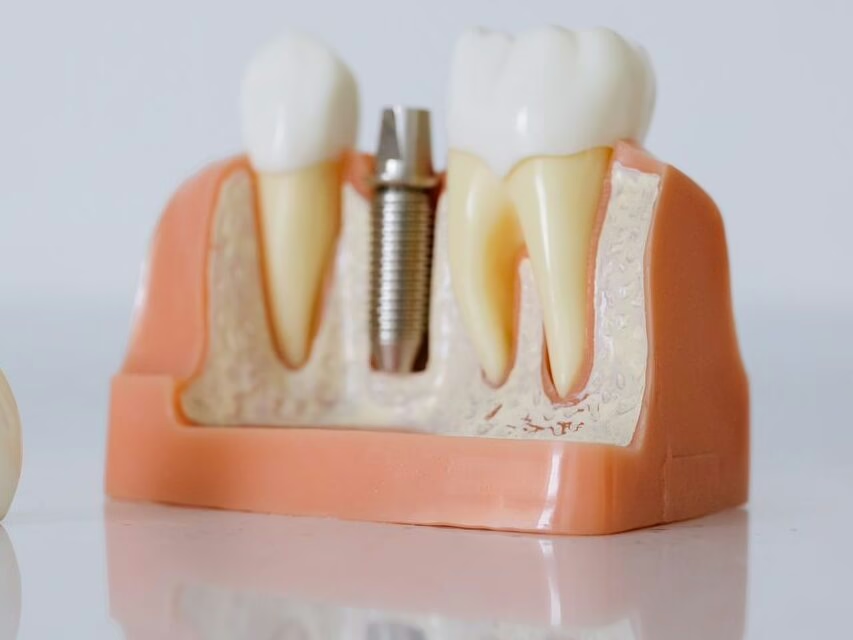
Over the following months the implant integrates with the bone. We review the site during this period to confirm it is healing as it should. Where bone or gum was lost before treatment, implants with receding gums may have involved grafting, which adds its own healing time.
Once the implant is stable, the final restoration is fitted, whether a single crown or an implant-supported bridge on multiple implants. From that point the implant takes full chewing load.
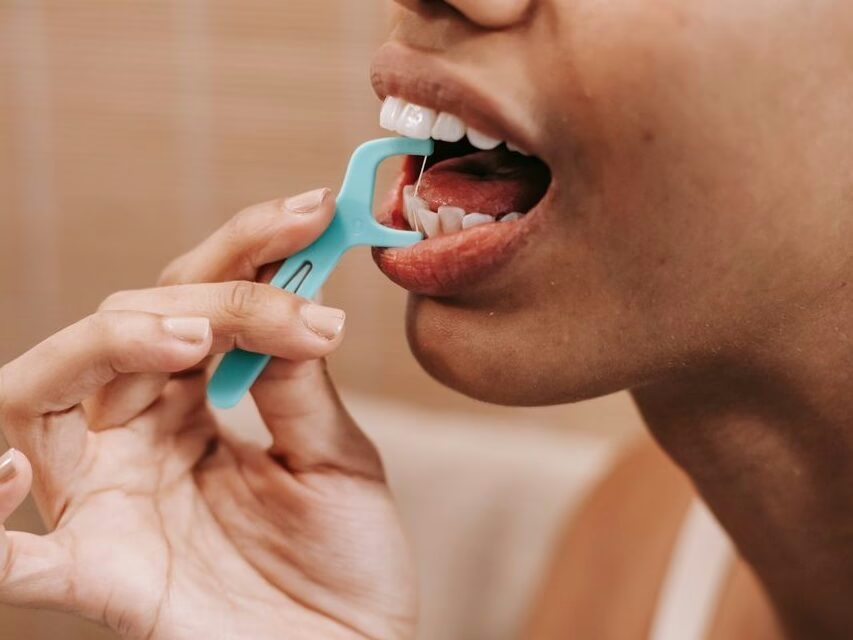
Keeping the implant means cleaning the gum margin around it every day, including between the implant and neighbouring teeth, using the brushes and technique we show you. Regular reviews at the practice check the gum and the stability of the restoration and catch problems early.
Clinical oversight comes from Dr Ope Sodeinde, specialist periodontist, who owns London Dental Specialists and is registered as a specialist in periodontics (GDC No. 104071). Periodontics is the specialty concerned with the gum and bone around teeth and implants, which is the tissue aftercare exists to protect.
Patients who review us tend to mention a calm, unhurried manner and options explained without pressure, which matters as much after surgery as before it.
Dr Ope Sodeinde places every implant and leads the recovery plan. He works alongside Dr Neha Patel, specialist in endodontics, Dr Kia Papagalani, specialist orthodontist, and Dr Nicky Dehbonei and Dr Lydia Dzhukha, dentists with special interests.
Aftercare reduces risk but does not remove it; you can read about potential risks and complications to make an informed decision.
Follow the written plan you are given: protect the site, keep the rest of the mouth clean, and attend the review appointments. The plan is specific to the surgery you had, and Dr Ope Sodeinde goes through it with you before you leave.
Clean the gum line around the implant and the spaces beside it every day with the brushes we recommend. The aim is to keep plaque off the implant surface, because plaque is what causes the inflammation that threatens the bone around it.
That depends on the size of the surgery. Some swelling and tenderness for a few days is normal after a single implant; grafting or a full arch takes longer to settle. We set out the expected healing timeline, including any grafting stages, at your initial appointment.
It varies with the number of implants and the surgical approach. Dr Ope Sodeinde gives you an estimate of the time in the chair at your clinical assessment.
Your recovery timeline and aftercare needs are set at your first visit. You can see what the £245 consultation includes and how to book it to begin. Sedation is available for the surgery if you are anxious.
The first few weeks decide how well the implant integrates, and the years after decide how long it lasts. Related reading covers whether you are suitable for implants, the implant procedure step by step, the implant systems we place, the risks and complications of implants, how long implants last, and patient cases and stories. Dr Ope Sodeinde and the team can assess your needs at a consultation. Book your assessment.
The consultation ends with a written plan and an itemised quote that you own and can take to any other practice. It includes in-mouth x-rays, a complimentary second appointment to discuss the plan before you decide, and a printed or PDF aftercare guide.
The consultation fee is £245. It goes towards the cost of any treatment you choose to have with us; it is not an extra on top. Local anaesthetic is standard and sedation is available.
Real, verified Google reviews from patients of London Dental Specialists.
Your details are used to arrange your appointment and for nothing else.
111 Regent's Park Road, Primrose Hill, London NW1 8UR
Use our contact page if you would rather ask something than book.
