Family Friendly & Specialty Dentists in London, UK
You won't believe the transformative power of crown lengthening surgery! In this comprehensive guide, we will you valuable insight into this important procedure. So, sit back, relax, and prepare to be enlightened as we dive into the wonderful world of crown lengthening.
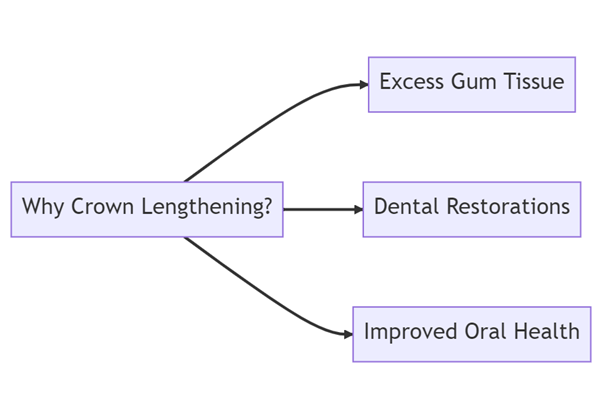
Crown lengthening is a dental procedure designed to expose more of your tooth by removing gum tissue, bone, or both. Typically, this surgery is performed to address a "gummy" smile and provide a better foundation for dental restorations, or improve overall oral health. With crown lengthening, you'll be flashing a confident, stunning smile in no time!
As a dentist, I've seen countless patients transform their lives with crown lengthening surgery. One patient, in particular, springs to mind – let's call her Sarah. Sarah was a lovely, vivacious woman who always hid her smile behind her hand. After undergoing crown lengthening, her confidence skyrocketed, and her hand no longer obscured her beaming grin. Now, that's the power of dentistry!
The cost of crown lengthening is based on your specific needs and the complexity of the procedure. But fear not! We offer flexible payment plans to ensure everyone can access the crown lengthening they deserve.
Don't let your gummy smile hold you back any longer! Fill out the form below, and let's embark on this life-changing journey together.
Did you know, London's lifestyle and environment could be affecting gum disease rates in surprising ways? In this comprehensive and highly detailed article, we will delve deep into the factors that might be making your gums more vulnerable to disease. So brace yourselves, dear readers, as we navigate this hidden side of London together!
What does stress have to do with my gums?"
Well, my friend, stress has been linked to gum disease (read more here). When we're stressed, our bodies produce the hormone cortisol, which can weaken our immune systems and make it easier for bacteria to infiltrate our gums. So, the next time you're stuck in the Tube during rush hour, take a deep breath and think of your poor, overworked gums.
London's sugary snacks, fizzy drinks, and high-carb meals significantly increase blood sugar which then leads to prediabetes and full diabetes. Uncontrolled diabetes and prediabetes (because the patient is unaware) adversely affects your gums (read more here).
Now, I'm not saying you should give up your favourite British treats entirely. But moderation is key. So, go on and enjoy your afternoon tea, but don't forget to brush and floss afterwards. Your gums will thank you!
London's air quality is a well-known issue, but did you know that air pollution could be affecting your gum health too? Researchers have found a link between poor air quality and gum disease. It is believed that the inflammation caused by exposure to pollutants can weaken the gums, making them more susceptible to infection.
That's right – the same pollution that's causing your eyes to water could be wreaking havoc on your gums. So, next time you're taking a leisurely stroll along the Thames, you might want to consider wearing a pollution mask. You know, just for the sake of your gums.
Smoking is a major risk factor for gum disease, as it weakens the immune system and reduces blood flow to the gums. So, if you're a Londoner who smokes, you're not only contributing to air pollution but also putting your gums in grave danger (read more here).
In short, put down the cigarettes and pick up some sugar-free gum instead. Your gums – and everyone around you – will be much happier for it.
Here are some tips for maintaining top-notch gum health in the Big Smoke:
Don't let your gums fall victim to the city's perils! Fill out the form below and give your gums the TLC they deserve.
According to recent statistics, London's population is nearing a staggering 9 million. Out of these millions, approximately 1.2 million are smokers. That's right; a whopping 13% of London's population light up regularly (read more here). And sadly, many of these individuals are at high risk for developing gum disease (read more here).
Smoking causes a reduction in blood flow to the gums, which weakens their ability to fight infection. This, in turn, allows bacteria to thrive and ultimately leads to gum disease.
As a dentist, I've seen countless cases of gum disease in smokers, and let me tell you, it's not a pretty sight. I recall one patient who had been smoking for years, and their gums were so inflamed and receding that it looked as if they'd been in a boxing match with Mike Tyson.
It's not all doom and gloom, though. The good news is that quitting smoking can have a significant impact on reducing gum disease (read more). In fact, studies have shown that individuals who quit smoking are twice as likely to experience an improvement in their gum health compared to those who continue to smoke.
Now is the time to take control of your oral health, and we're here to help you every step of the way. Don't let smoking control your life any longer – it's time to breathe easier and flash that brilliant, healthy smile you've been hiding. Fill out the form and let's show gum disease who's boss!
Oh, gums! Do they not deserve our undivided attention and care? As a dentist with over 20 years of experience, allow me to share a personal anecdote that I believe will resonate with many of you. When I was a young, eager dental student, I dreamt of saving the world, one tooth at a time. Little did I know that my true passion would lie in the fight against gum disease. And now, I am here to help you find the crème de la crème of London's gum disease specialists. So, let's jump straight into it!
Don't be down in the mouth: London's finest gum disease experts, revealed!
You chews it, we've got it! Here's our list of top dentists and periodontists in London specialising in gum disease treatment and their respective locations:
Dr. Baker's practice is nestled in the heart of London's bustling medical district. With his unique approach to gum disease treatment, he has become the go-to dentist for those seeking comprehensive care. His state-of-the-art facility boasts an impressive array of cutting-edge equipment, ensuring that your gums receive the royal treatment they deserve.
A true pioneer in the field of periodontology, Dr. Chasioti's innovative techniques have earned her a reputation as one of London's leading gum disease specialists. Her dedication to her patients' oral health is evident in her attentive, personalised care, which has helped countless individuals achieve healthier, happier smiles.
Don't let his name fool you! Dr. Sachdev has dedicated his career to fighting gum disease, not spreading it. His charming practice in South London is renowned for its warm, welcoming atmosphere and top-notch periodontal care. With a focus on preventive measures, Dr. Sachdev ensures that your gums remain in tip-top shape for years to come.
Dr. Patel's modern, eco-friendly practice in East London is more than just a dental clinic; it's a sanctuary for those seeking a holistic approach to gum disease treatment. With a strong emphasis on patient education, Dr. Patel empowers her clients to take control of their oral health and achieve lasting gum wellness.
Rounding out our list is the esteemed Dr. Bose. His commitment to excellence in periodontal care is unparalleled, and his practice in West London is a testament to his dedication to his patients. Dr. Bose's bespoke treatment plans cater to each individual's unique needs, ensuring that your gums receive the personalised attention they deserve.
Each of these esteemed periodontists has been handpicked for their outstanding skills, unwavering dedication to patient care, and commitment to staying abreast of the latest advancements in gum disease treatment. When you entrust your oral health to one of these top professionals, you can rest assured that you're in the best possible hands.
So, dear reader, the time has come to take action. If your gums are crying out for help, don't delay – these top dentists and periodontists in London specialising in gum disease treatment are here to save the day! Simply fill out the form below, and let your journey towards healthier gums commence.
Are you tired of people cringing at your not-so-pearly whites? This article from your friendly Primrose Hill dentist will guide you through the magical transformation that awaits your teeth. Let's dive into the intricate world of porcelain veneers and discover how they can grant you a red-carpet-worthy smile.
Porcelain veneers are custom-made shells of porcelain designed to cover the front surface of your teeth. They are glued to the teeth with a strong bonding agent, dramatically improving the appearance of your smile. Veneers are a perfect solution for discoloured, chipped, or worn teeth.
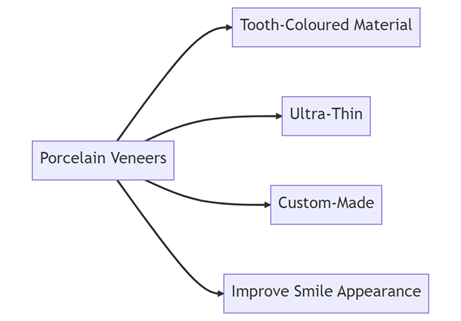
Porcelain veneers offer unmatched aesthetic results with minimal discomfort and minimal tooth reduction.
They are natural-looking, durable, and resistant to staining. They are also versatile, addressing a wide range of dental issues, such as:
In short, porcelain veneers are the Swiss Army knife of dental solutions. If the teeth are misaligned, they must be straightened to get the best possible result.
I became a specialist dentist because I'm passionate about helping people achieve their dream smile. I will never forget how ecstatic Sarah was when I fitted her veneers. The results were nothing short of spectacular. Now, her smile is her superpower.
The process usually involves three stages:
Porcelain veneers require minimal maintenance. Just follow these simple steps:
With proper care, your veneers can last up to 15 years, making them a long-lasting investment in your smile.
Your Smile Makeover Awaits!
So, are you ready to join the porcelain veneer revolution and sport a smile that would make even the Mona Lisa envious? Don't wait any longer; the smile of your dreams is just a few clicks away. Fill out the form below and let us transform your grin into a work of art worthy of hanging in the Louvre. And remember, a stunning smile is the best accessory you can ever wear. So, go on, add some sparkle to your life and conquer the world with your radiant pearly whites!
From traditional braces to cutting-edge clear aligners, we will cover all the bases so you can make an informed decision about what's best for you.
Traditional metal braces use brackets and wires to apply constant pressure on your teeth, gradually shifting them into the desired position. Sure, they may not be the most fashionable accessory, but hey, they get the job done – and isn't that what matters most?
Ceramic braces work similarly to traditional braces but use tooth-coloured brackets and wires for a more discreet look. Because who says you can't straighten your teeth and look fabulous at the same time?
Lingual braces are placed on the inside of your teeth, making them virtually invisible to the outside world. It's like having a secret weapon in the battle for straight teeth – and we won't tell if you don't!
Clear aligners are the modern, sleek alternative to braces. These custom-made, removable trays are designed to be worn over your teeth, gently nudging them into place over time. They're virtually invisible, comfortable, and best of all, you can take them out to eat and brush your teeth.
After years of hiding my own crooked smile, I finally took the plunge and got ceramic braces. Click here to watch my video blogs and click here to compare clear aligners vs lingual braces OR metal vs ceramic braces.
Now that you're armed with all this knowledge, it's time to take action. After all, a straighter, more confident smile is just a click away.
Ready to give your teeth the makeover they deserve? Don't wait another day – fill out the form below to start your journey towards the straight, stunning smile you've always wanted.
I've seen countless patients dread the idea of a root canal because of the fear of pain. Watch Ingrid's inspiring story above about her pain free treatment. To her surprise, she left the clinic smiling, realising root canal wasn't nearly as bad as she had imagined!
The primary reason for root canal treatment is an infected tooth due to factors such as tooth decay, a cracked tooth, or gum disease. If not addressed, this could result in severe pain or tooth loss.
Voilà! Your tooth is now healthy and ready for action
To ensure a smooth recovery, follow these tips:
With a better understanding of root canal treatments, why not schedule an appointment to address any dental concerns?
"Don't let a toothache rain on your parade. Fill out the form below, and let's bring back your shining smile together!"
In this article we'll explore the ins and outs of gum recession, its causes, and the treatments available. So, buckle up, and let's dive into the world of gum recession!
Gum recession is the gradual process of gum tissue loss leading to root exposure. It's not only an aesthetic issue, but it can also lead to tooth sensitivity, decay, and even tooth loss. The earlier you detect and address gum recession, the better your chances of saving your precious pearly whites.
Gum recession can result from a wide range of factors, including:
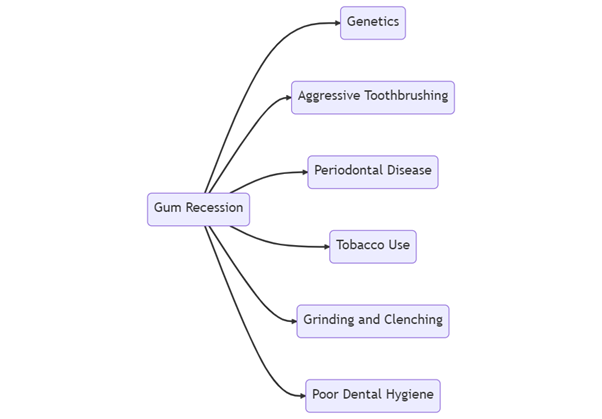
Treatment options include:
Click here to understand the costs of gum disease treatment
Now that you've learned all about gum recession, its causes, and treatments, it's time to take action. Fill in the form below to book an appointment with our friendly and experienced dental team, who will help you put the brakes on gum recession. Remember, a healthy smile is a happy smile, so don't let your gums slip away like a greased pig at the fair!
As an experienced periodontist, I've encountered countless gum disease cases. I've witnessed situations that make you shudder, wondering, "How did it reach this point?" But worry not, dear reader! We'll delve into the depths of gum disease and the treatments that can banish it for good. By the end of this article, you'll be well-equipped to conquer gum disease.
Gum disease, also known as periodontal disease, is an inflammatory condition affecting the tissues surrounding your teeth. Primarily caused by plaque build-up— the sticky, yellowish substance teeming with bacteria— gum disease comes in two forms: gingivitis and periodontitis. Gingivitis, the milder variant, entails gum inflammation. If left untreated, it can progress to periodontitis, leading to gum and bone tissue destruction. Scary, isn't it?
Gum disease can be elusive, but the unmistakable signs should never be overlooked are:
Now that we've identified gum disease, let's discuss treatments that can eradicate it. We'll examine four primary strategies for tackling gum disease in detail.
Scaling and root planing are crucial, non-surgical procedures that address the root cause of gum disease— plaque and tartar accumulation. Scaling involves removing plaque and tartar from tooth surfaces and beneath the gum line, while root planing smooths root surfaces, preventing bacterial growth. It's like treating your teeth to a much-deserved massage therapy session at the spa the the dental hygienist acting as the massage therapist.
At times, gum disease necessitates reinforcements in the form of antibiotics. These can be applied directly to the affected area or taken orally, targeting the bacteria responsible for inflammation. They work in tandem with scaling and root planing, ensuring those pesky microbes don't stand a chance.
If gum disease has resulted in significant tissue loss, scaling and root planing cannot clean deep enough and you need gum surgery. Click here to read about this highly effective treatment for periodontitis.
Laser therapy is a newer treatment option that employs light energy to eliminate bacteria and diseased tissue. Minimally invasive, laser therapy promotes faster healing and causes less discomfort than traditional surgical methods. It's like something straight out of a sci-fi film, but for your gums. The jury is still out on their efficacy.
I recall a patient, Priyal, who sought treatment for severe gum disease. Fearing the loss of her teeth, she was determined to do whatever it took to save them. After combining scaling, root planing, and one session of gum surgery, Priyal's gums made an astonishing recovery. She now proudly displays a healthy, stunning smile. Her success story serves as proof of the effectiveness of modern gum disease treatments, offering hope to those facing similar challenges. Watch her story here.
There you have it— your comprehensive guide to gum disease and its treatments. Why let gum disease compromise your smile when you have a wealth of powerful tools at your disposal? Remember, knowledge is power. Equip yourself with the information in this article and defeat gum disease once and for all!
Ready to embark on the journey towards healthier gums? Don't hesitate any longer! Fill out the form below, and let us help you transform your smile into a gum disease-free work of art.
You can thank us later when you're sporting that vibrant, healthy smile.
Implants are the gold standard for replacing missing teeth. Aesthetically, they look remarkably like natural teeth, and, in terms of functionality, they let you chew, speak, and smile with ease. No more awkward social interactions or dietary limitations, hooray!
But that's just the tip of the iceberg, folks. Dental implants stimulate bone growth, helping preserve your jawbone, and they're incredibly durable, lasting up to 20 years or more if properly maintained.
As a dentist, I've seen it all. But let me share Laura’s story with you. She fell as a child and was told that she would need dental implants someday. She then spent 20 years worrying about how the dental implant will possibly replace what nature put there.
Dental implants consist of three key components: the titanium implant that fuses with your jawbone, the abutment that connects to the implant, and the crown, which is the visible part of the tooth. Together, these elements create a natural-looking and fully functional tooth that seamlessly integrates into your oral landscape.
The process itself typically involves three stages: the initial implant placement, a healing period, and the final crown placement. Don't worry, though – the procedure is relatively painless, thanks to modern dental anaesthesia.
While implants are more costly than dentures or bridges, the long-term benefits make them well worth the investment. Remember, dental implants are built to last and can save you money in the long run by reducing the need for future dental treatments.

Implants offer a plethora of advantages that will undoubtedly change your life for the better. They're a sturdy, natural-looking solution to missing teeth that can boost your self-esteem and improve your overall quality of life.
So, are you ready to bid farewell to worrying about what you can eat and embrace the life-changing magic of dental implants? Go on, treat yourself to a smile that truly sparkles! Fill out the form below, and let's get this dental implant party started.
