Family Friendly & Specialty Dentists in London, UK
Crown lengthening is a periodontal procedure that exposes more of a tooth by reshaping the gum, and where necessary the bone, around it. It is done either so a crown or filling has enough tooth to hold on to, or to correct a gum line that hides too much of the teeth. We assess your case at a consultation and tell you whether it suits you and how long it takes.
Led by Dr Ope Sodeinde, GDC-registered specialist periodontist.
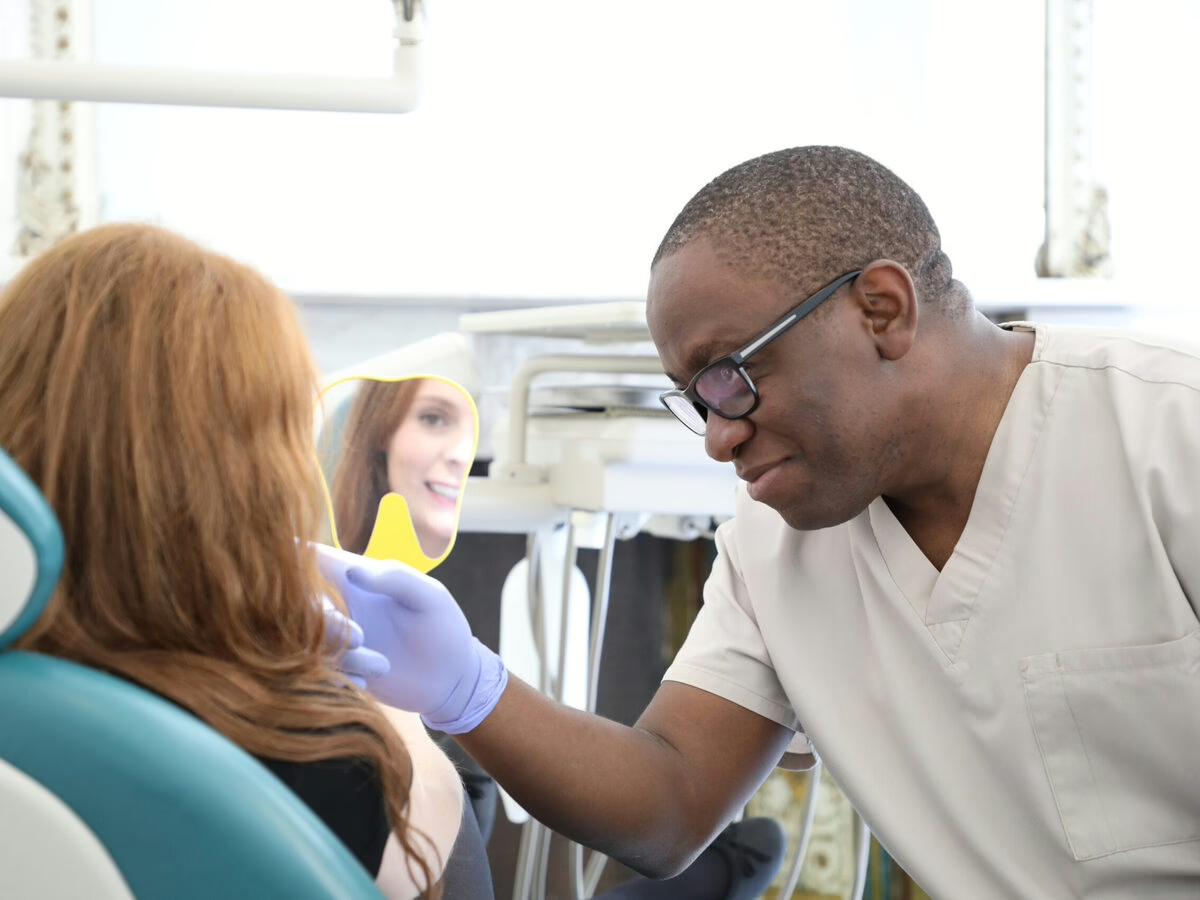
Crown lengthening is often needed because a tooth has broken or decayed below the gum line, leaving too little above it for a restoration. It also sits within the wider care we provide as periodontics in London, from early gingivitis management to periodontal surgery, and a precise diagnosis comes before any of it.
Where gum disease is present, it is treated first. Non-surgical periodontal therapy removes tartar below the gum line so the gum can reattach, and for more advanced cases Dr Ope Sodeinde uses LANAP laser therapy to target the bacteria.
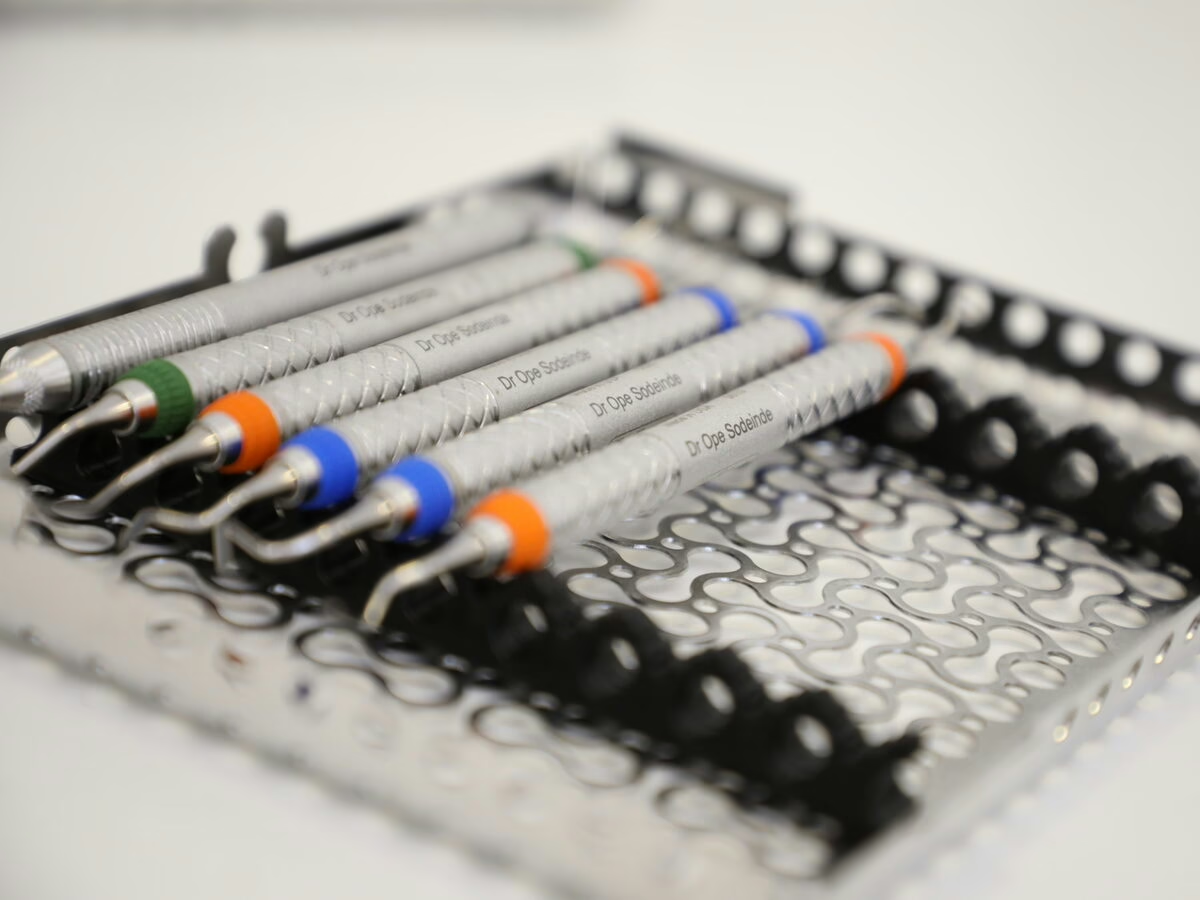
A tooth broken at the gum line is often extracted. Exposing more of it lets a crown be fitted with a sound margin, which keeps the tooth and protects it from further decay. The procedure sometimes runs alongside pocket reduction surgery where the supporting bone also needs treating.
We work diagnosis first, so you only pay for what you need, and you receive an itemised quote before treatment.
Success depends on what follows the surgery. Your care moves into the periodontal maintenance programme, overseen by Dr Ope Sodeinde, to keep the new gum line healthy and stable.
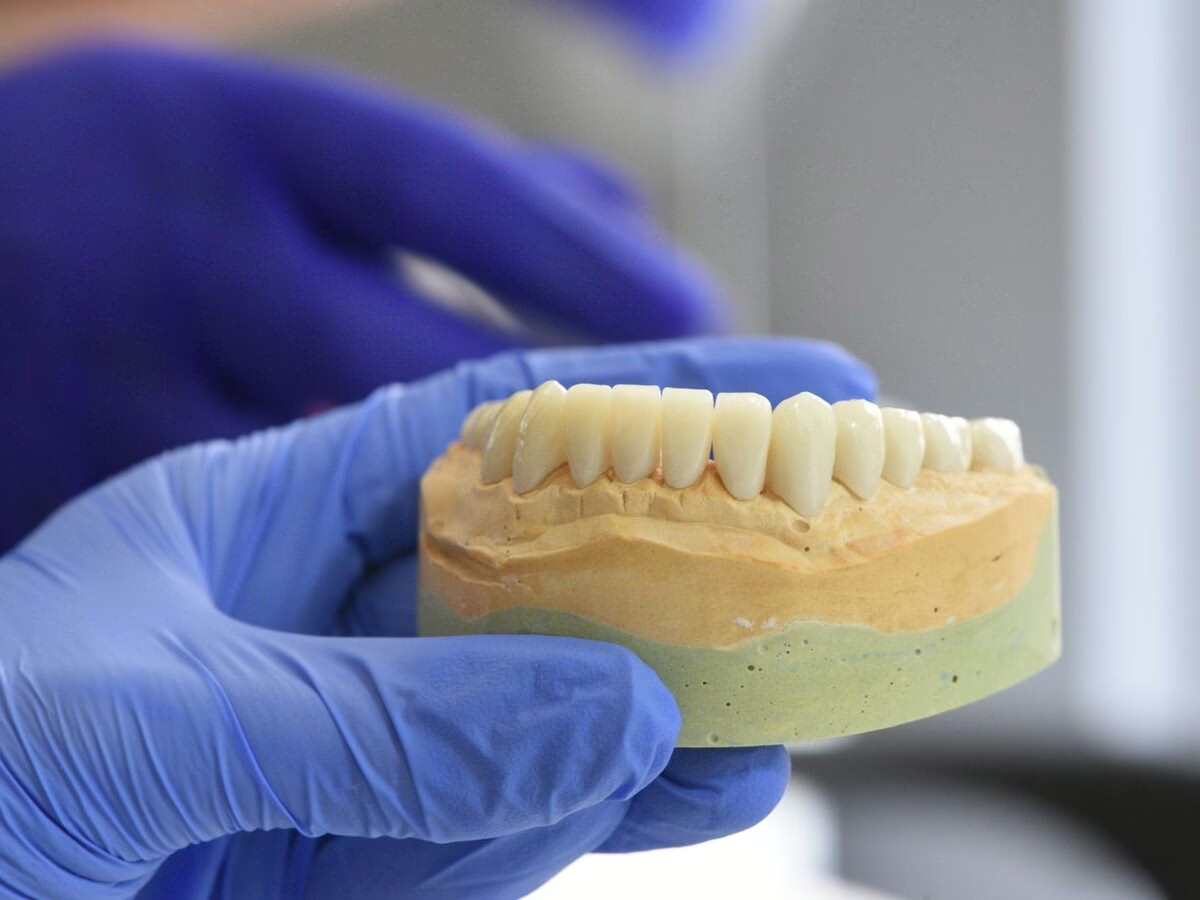
Leave your number and we will call you back. Nothing is booked until you say so.
Candidates are usually patients whose dentist needs more tooth to restore, or who are unhappy with how much gum shows when they smile. Depending on your case we may combine the procedure with guided tissue regeneration to support the bone and soft tissue. Our gum disease aftercare guide covers keeping the result. Dr Ope Sodeinde examines your anatomy at an assessment to confirm whether you are suitable.
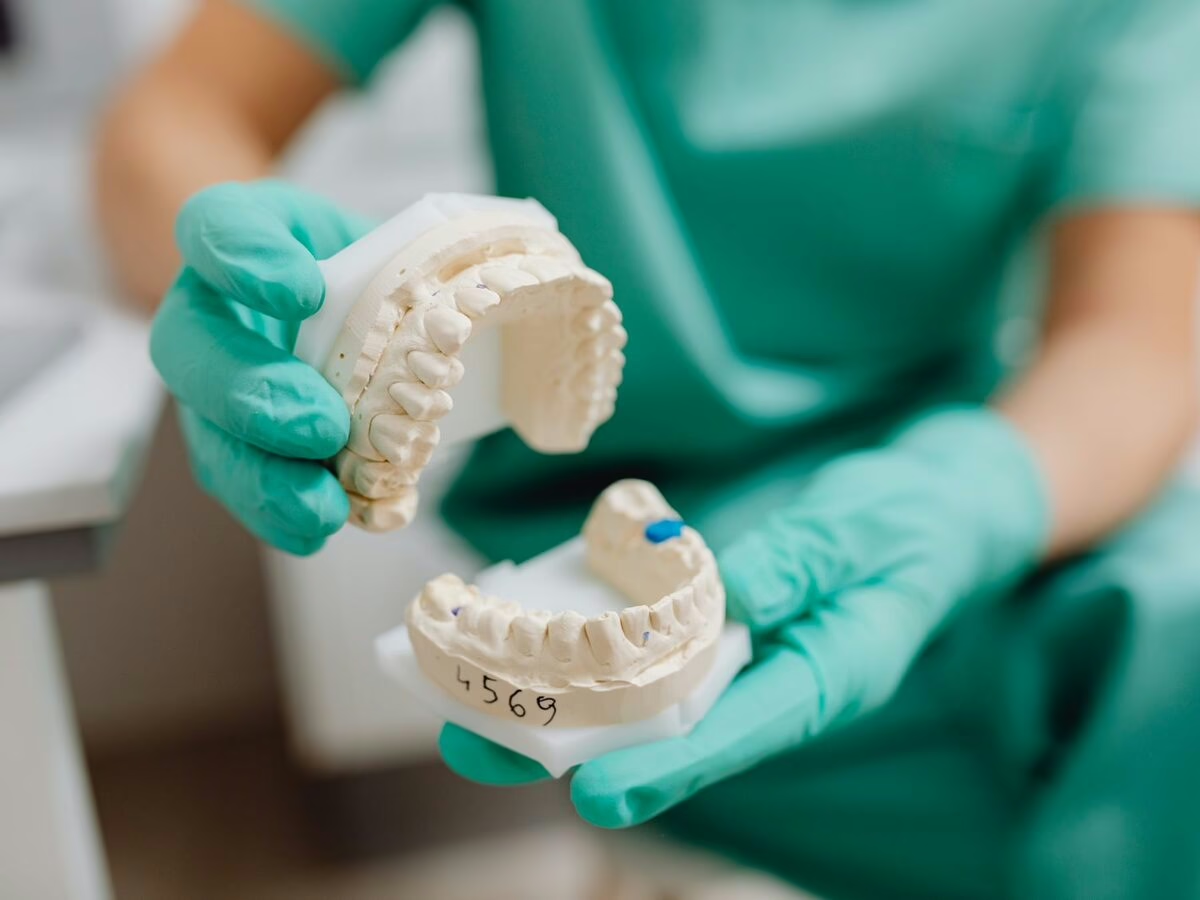
We examine the gum tissue, the tooth structure and the bone level on x-ray to plan exactly how much tissue needs removing, and explain the proposal before proceeding.
Under local anaesthetic, we remove a small amount of gum and, if needed, bone to reveal more of the natural crown. Most cases are a single visit; we tell you beforehand if yours is not.
The gums need time to settle after reshaping. We give you aftercare instructions for this period, and the gum line must be stable before any restorative work begins.
Once healed, the crown or other restoration can be fitted on sound tooth. We give you a clear breakdown of gum disease treatment costs in London at your initial visit.
Regular reviews keep the tissue healthy and the result stable. Where more complex care is needed, such as peri-implantitis treatment, we provide it at our Primrose Hill practice.
The procedure is carried out by Dr Ope Sodeinde, specialist periodontist (GDC No. 104071), who examines your gums and reviews your medical history before confirming you are suitable. The practice also provides subgingival cleaning and root debridement, gingivitis treatment, scaling and root planing, laser gum therapy, and gum abscess drainage.
Follow-up appointments are scheduled so we can check the gum tissue is healing and the margin has stabilised where the restoration will sit.
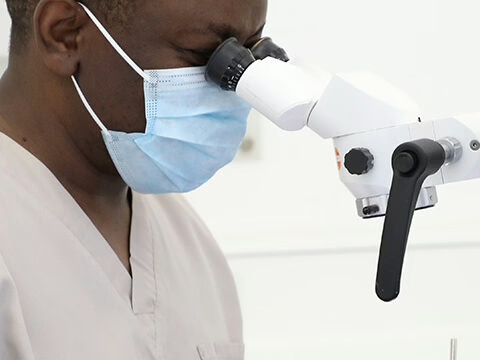
It depends on how many teeth are involved and how much tissue needs removing. We give you the timeframe at your clinical assessment.
Fees follow the initial examination, once we know what your case needs. You get a clear, itemised breakdown before anything starts.
The area is numbed with local anaesthetic during the procedure.
That depends on your oral health and keeping to a maintenance programme. Where recession is the concern rather than too little tooth, we also provide gum grafting for recession to protect the roots.
Whether you are dealing with a gummy smile or preparing for a crown, Dr Ope Sodeinde confirms your suitability at a clinical examination and explains what happens at your first periodontal consultation and how to book. Timing and costs are set out once your case has been assessed.
A consultation with Dr Ope Sodeinde confirms whether this procedure suits you, and covers other ways to manage gum health such as pocket reduction surgery or guided tissue regeneration. Related pages on this site:
Dr Ope Sodeinde provides a written plan and an itemised quote at your assessment. The plan is yours to keep and can be used at any other practice.
Call 020 7589 7792.
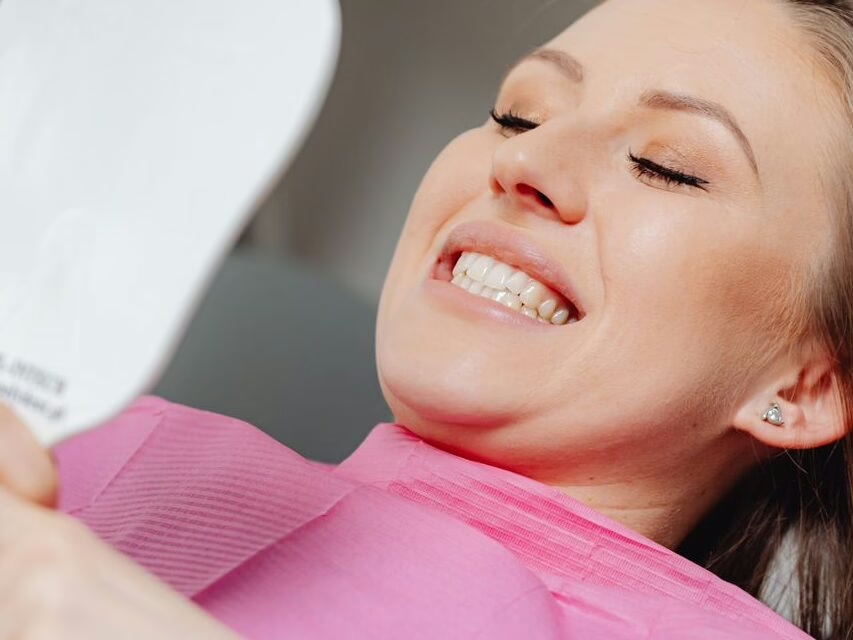
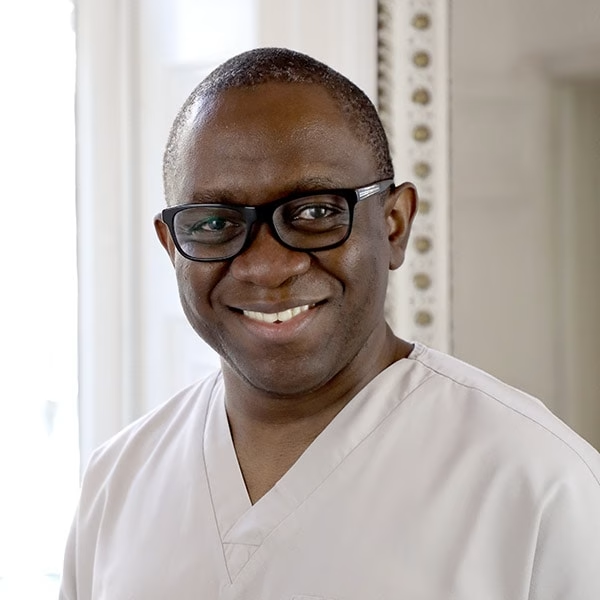
Real, verified Google reviews from patients of London Dental Specialists.
Your details are used to arrange your appointment and for nothing else.
111 Regent's Park Road, Primrose Hill, London NW1 8UR
Use our contact page if you would rather ask something than book.
