Family Friendly & Specialty Dentists in London, UK

Our Stamford Hill clinic specialises in Bone Grafting for Implants using advanced 3D imaging and computer-guided surgery not available at general practices. Our dentists offer focused expertise in their specific areas, ensuring accurate treatment with exceptional attention to detail. Trust our skilled professionals for consistent Bone Grafting for Implants results throughout Stamford Hill.
Dr. Ope Sodeinde is a GDC registered specialist with MClinDent Prosthodontics (Distinction) and over 20 years of clinical experience in Bone Grafting for Implants. Bone Grafting for Implants treatments at our Stamford Hill practice meet all requirements from the BDA, GDC and UK authorities through established professional standards.




For Bone Grafting for Implants in Stamford Hill, London Dental Specialists offers sedation options for nervous patients and paediatric specialist care. Dr. Sodeinde's 20+ years of experience includes complex cases and comprehensive treatments. Our commitment to quality demonstrates trust in our treatment standards. Watch this patient testimonial video showcasing real Bone Grafting for Implants transformations:
Need answers fast? Schedule a comprehensive review with the trusted team at London Dental Specialists. Appointments available this week, including evenings.
You'll receive a tailored assessment, straightforward treatment plan, and transparent costs—no surprises. We accept major UK insurance plans and offer easy monthly options.
Our practice is led by Dr. Ope Sodeinde, a GDC-registered Specialist in Prosthodontics with over 20 years of clinical experience. We combine advanced digital tools and evidence-based techniques to achieve high-quality outcomes across all dental concerns.
Call us on +44 7700 100779 or use the form below to book today. We respond promptly—usually within one working day—and you’ll always speak to a knowledgeable member of our team.
Bone grafting is a vital procedure to enhance jawbone density, ensuring a solid foundation for dental implants. At London Dental Specialists, we follow a structured process: beginning with a comprehensive consultation and assessment, we then develop a personalised treatment plan, proceed with the bone grafting procedure, and provide thorough post-treatment care. This meticulous approach aims to optimise the success and longevity of your dental implants.
Get from Stamford Hill to our specialist Bone Grafting for Implants clinic at 111 Regent's Park Road using public transport. From Stamford Hill station, take the tube service toward central London, then transfer to the Northern Line for Regent's Park. Phone +44 7700 100779 for specific directions from your exact location.
We use Bone Grafting for Implants to treat multiple dental conditions at our Stamford Hill practice, focusing on conditions that benefit well to this treatment. Our experienced team determines which conditions are most appropriate for Bone Grafting for Implants. We provide clear guidance about expected outcomes for your specific condition.

Principal Dentist & Specialist in Periodontics
BDS MFDS RCS(Ed) MSc(Rest Dent) MClinDent(Perio) MPerioRCS(Ed)
GDC No: 104071
Specialist in Endodontics
BDS MFDS RCS(Ed) FHEA MClinDent(Ed) MEndoRCS(Ed)
GDC No: 150517

Specialist in Orthodontics
DipDS Athens MS(Ortho) OSU
GDC No: 228487
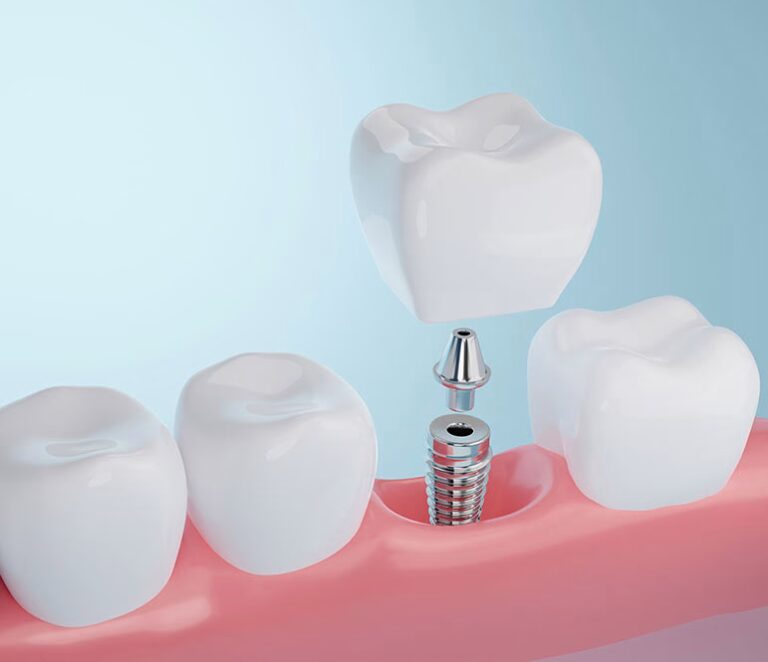
Bone grafting for dental implants is a surgical procedure that adds bone material to your jaw when there isn't enough natural bone to support dental implants. The graft creates a solid foundation for the implant by rebuilding the jawbone. At London Dental Specialists, we use bone grafting to ensure implants have the necessary support for long-term success and stability.
Yes, a bone graft is necessary if you don't have sufficient jawbone density to support an implant. Skipping a recommended bone graft significantly increases the risk of implant failure, as the implant won't have a solid foundation. Our specialists at London Dental Specialists carefully assess each patient's jawbone condition to determine if grafting is required before proceeding with implant placement.
With proper care, a dental bone graft can last a lifetime. However, it's important to proceed with the implant placement within 6-12 months after the bone graft has healed. If you wait too long, the grafted bone may begin to resorb. At London Dental Specialists, we create a comprehensive treatment timeline to ensure optimal results and longevity of your bone graft and subsequent implant.
The bone grafting procedure itself is not painful as it's performed under anaesthesia. After the procedure, patients may experience some swelling, bruising, mild discomfort, and occasional bleeding once the anaesthesia wears off. At London Dental Specialists, we provide detailed aftercare instructions and appropriate pain management options to ensure your comfort throughout the recovery process.
There are several types of bone grafts available for dental implants:
Our specialists at London Dental Specialists will recommend the most appropriate type based on your specific needs.
Initial recovery from a bone graft procedure typically takes 1-2 weeks, during which you may experience some discomfort and swelling. However, the complete healing and integration of the bone graft material takes approximately 3-6 months before it's ready for implant placement. The exact timeline varies based on the extent of grafting needed and individual healing factors. At London Dental Specialists, we monitor your healing process closely to determine the optimal time for implant placement.
A simultaneous bone graft with implant placement is a procedure where the implant is placed and bone grafting material is packed around it during the same surgery. This technique is used for minor bone deficiencies. Once the implant is positioned, bone material is carefully packed around it, covered with a healing membrane, and a healing cap is seated onto the implant. The area is then sutured and given time to heal, during which the graft solidifies around the implant and integrates with your natural bone tissue.
While bone grafting is generally safe, potential risks include:
At London Dental Specialists, we take every precaution to minimise these risks and provide comprehensive pre-operative and post-operative care to ensure successful outcomes.
Proper care after a bone graft procedure includes:
Our team provides detailed aftercare instructions tailored to your specific procedure.
Call London Dental Specialists today on +44 7700 100779 to explore your Bone Grafting for Implants needs in Stamford Hill. Our practice at 111 Regent's Park Road offers comprehensive consultations and clear information about all Bone Grafting for Implants options available. We provide honest advice about pricing and expected outcomes.
| Product | Brands | What it Takes Care of | Details |
|---|---|---|---|
| Antimicrobial Mouthwash | Corsodyl, Listerine Zero | Infection prevention | Helps prevent infection at the bone graft site during initial healing. |
| Ultra-Soft Toothbrush | Oral-B Sensitive, Colgate Slim Soft | Gentle cleaning | Extra-gentle bristles to avoid disturbing the surgical site. |
| Saltwater Rinse Kit | Boots Pharmaceuticals, Sterimar | Gentle cleansing | For gentle rinsing of the surgical area as recommended by your dentist. |
| Calcium Supplements | Holland & Barrett, Boots | Bone health support | Supports the integration of bone graft material (take only if recommended). |
| Vitamin D Supplements | Vitabiotics, Boots | Calcium absorption | Helps with calcium absorption for better bone healing. |
| Soft Food Preparation Tools | Kenwood, Russell Hobbs | Diet management | Helps prepare appropriate soft foods during initial healing phase. |
| Cold Pack | Boots, Superdrug | Swelling reduction | Helps manage post-operative swelling in the first 48 hours. |
| Sensitivity Relief Toothpaste | Sensodyne, Colgate Sensitive Pro-Relief | Sensitivity management | Provides relief for post-treatment sensitivity around the surgical area. |
| Interdental Brushes | TePe, Oral-B | Gentle cleaning around implant site | For careful cleaning around the healing area once approved by your dentist. |
| Alcohol-Free Mouthwash | Dentyl pH, Oral-B Pro-Expert | Gentle rinsing | Won't irritate the healing bone graft site. |
| Prescription Antibiotics | As prescribed by dentist | Infection prevention | Take exactly as prescribed to prevent infection at the graft site. |
| Bone Graft Aftercare Kit | Available from your dental practice | Complete care | Specialised products for optimal bone graft healing and success. |
Starting your Bone Grafting for Implants treatment in Stamford Hill? We're available to assist you every step of the way. Our patient approach means we'll address all your questions and make certain you feel comfortable about your treatment decisions.



