Family Friendly & Specialty Dentists in London, UK
An implant bridge replaces several missing teeth in a row by fixing a bridge to two or more implants, so there is no need for a post under every tooth. Dr Ope Sodeinde plans the number and position of the implants from 3D imaging at your assessment.
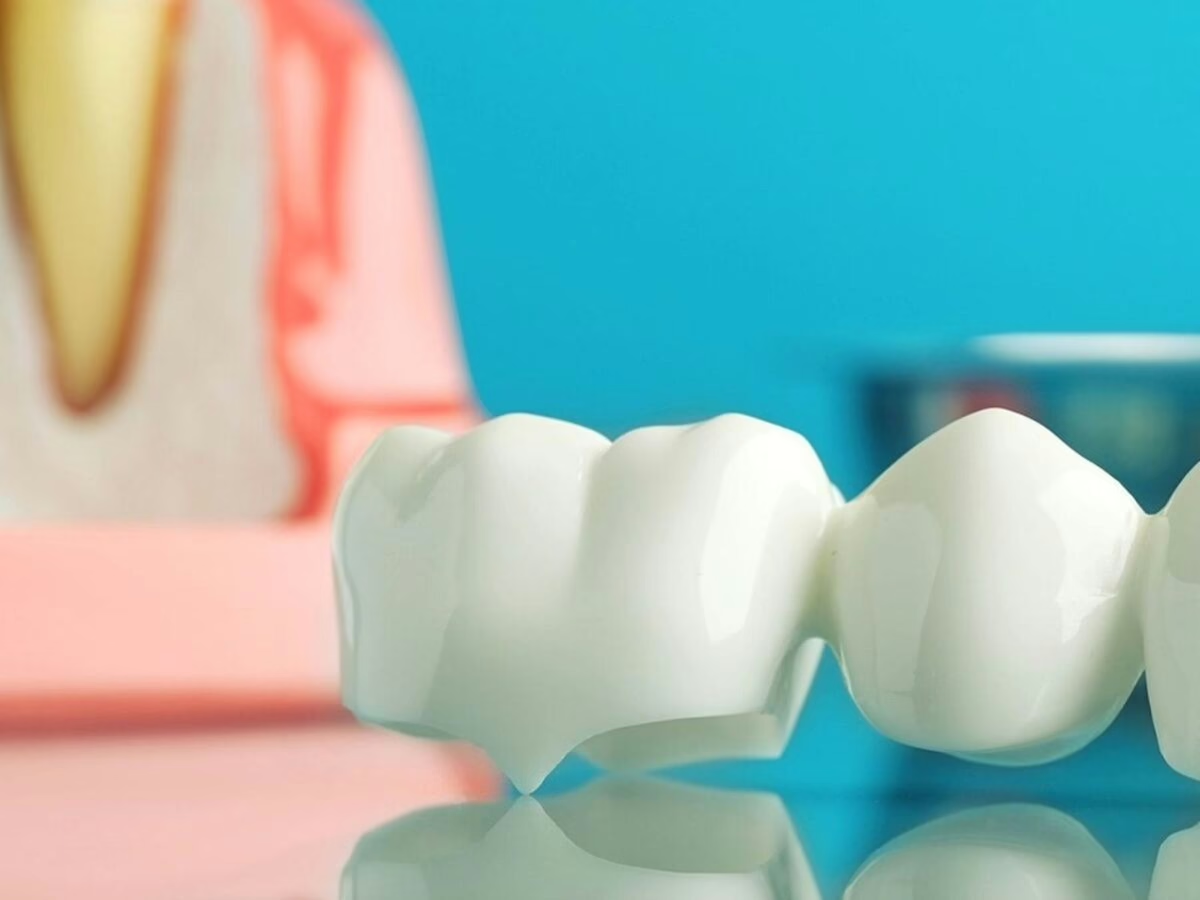
Losing several teeth in a row changes how you eat and speak, and a removable denture that slips turns every meal into something to manage. Within our dental implants in London service, an implant bridge gives a fixed structure that does not move. Dr Ope Sodeinde assesses your bone density and gum health, and the assessment sets the number of implants needed to carry your bridge.
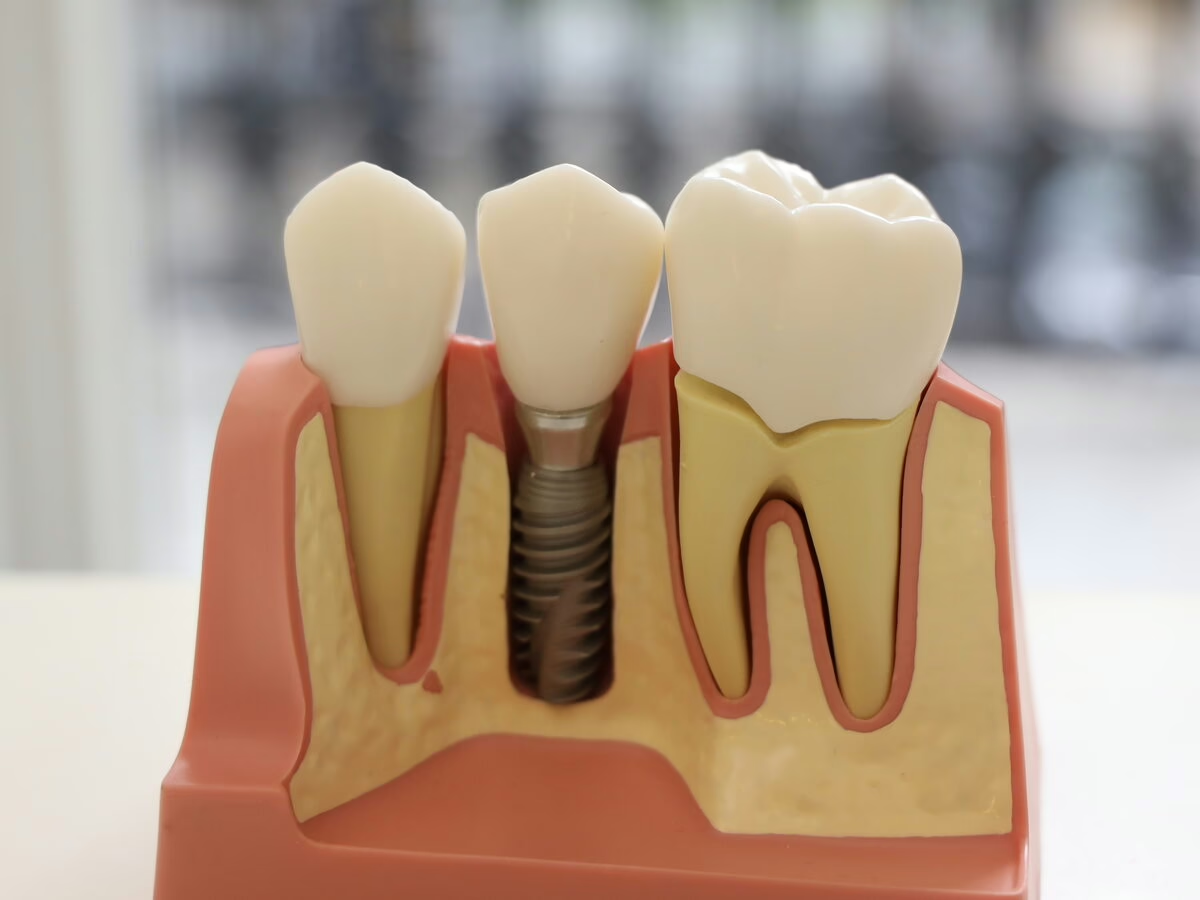
The assessment establishes the cost and expected lifespan of your restoration and lets Dr Ope Sodeinde choose the most suitable of the implant systems we place for your bone. Where bone or gum has been lost, we set out the options for implants with receding gums so the bridge sits securely and looks natural. The bridge is planned against your bite so it loads the implants evenly.
Leave your number and we will call you back. Nothing is booked until you say so.
An implant bridge suits patients missing two or more adjacent teeth who have enough bone at each end of the gap for an implant. Dr Ope Sodeinde examines the bone and gum to confirm this. If a whole arch is missing, All-on-4 full-arch implants are the alternative. You can view patient cases and stories to see how these restorations function in practice.
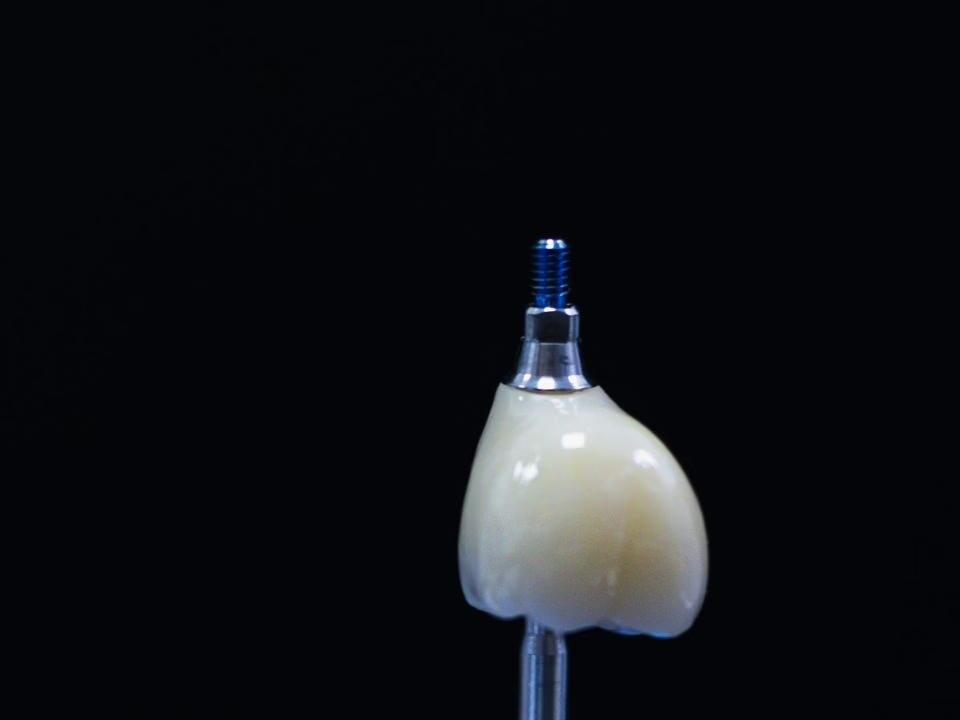
Dr Ope Sodeinde works out how many implants the span needs to carry the force of biting and chewing, and where each one sits in the bone.
The titanium posts are placed in the jawbone under local anaesthetic. You can read about the implant procedure step by step. In some cases we can fit a provisional bridge at placement as same-day dental implants, which reduces the number of visits.
The bone fuses with the implants over several months. We check the site before the final bridge is attached.
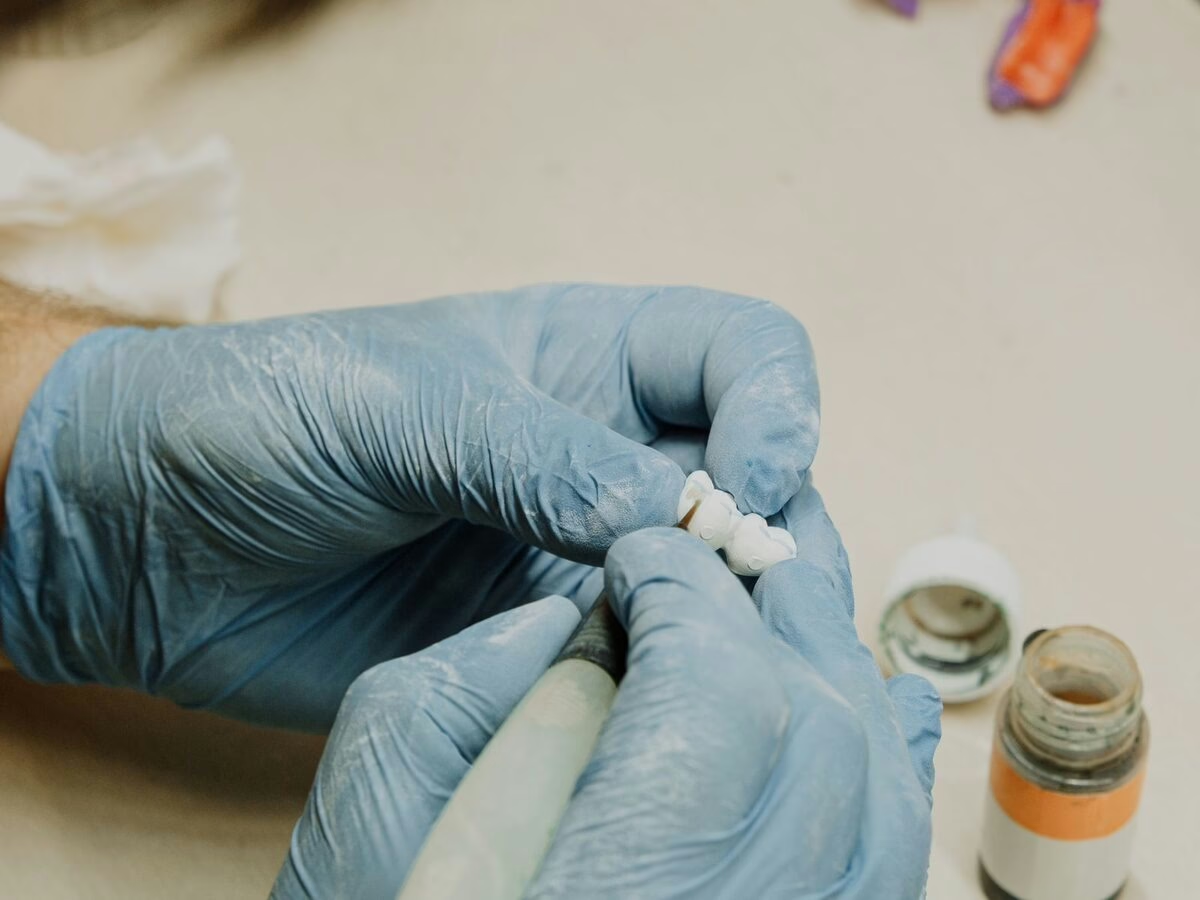
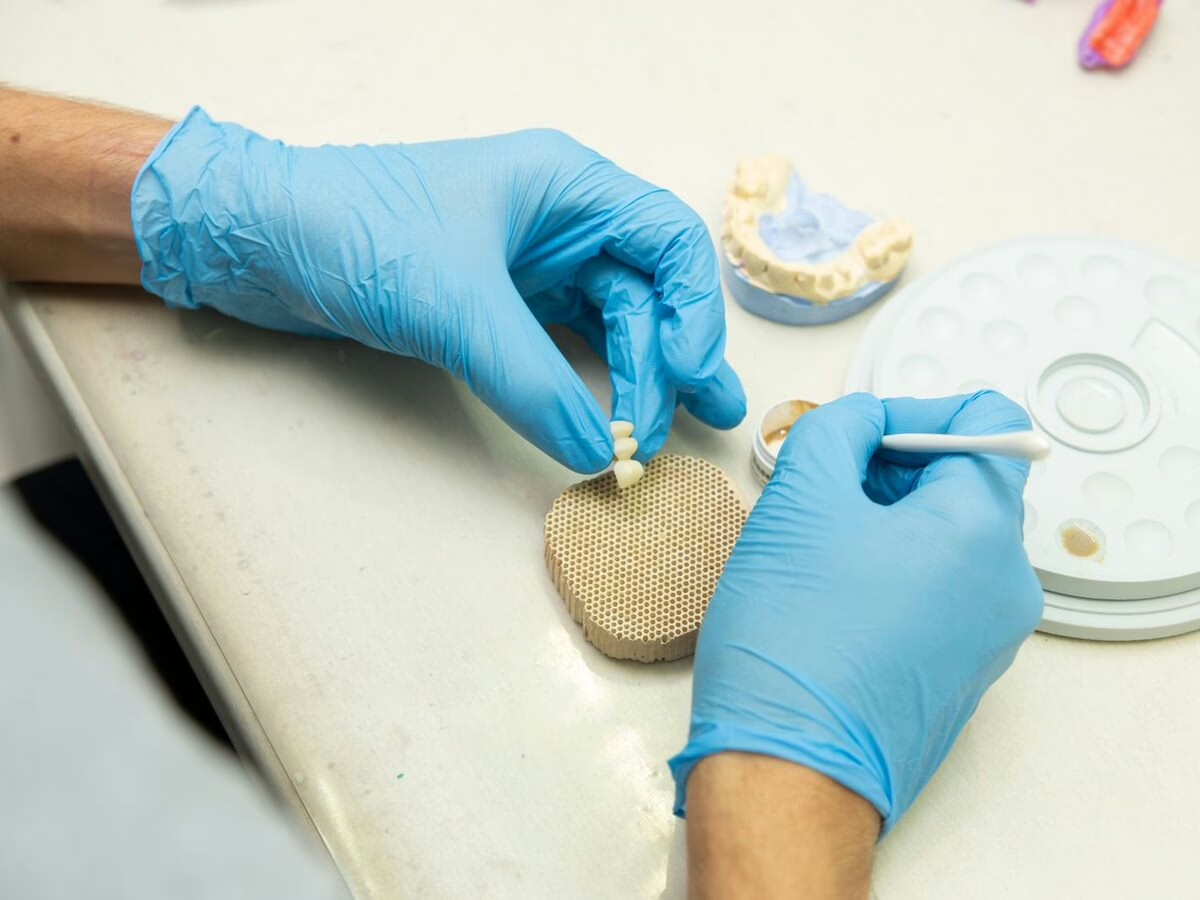
The bridge is made to match your natural teeth in colour and shape, then fixed to the implants.
The bridge is fitted at our Primrose Hill practice and the bite and alignment are checked and adjusted.
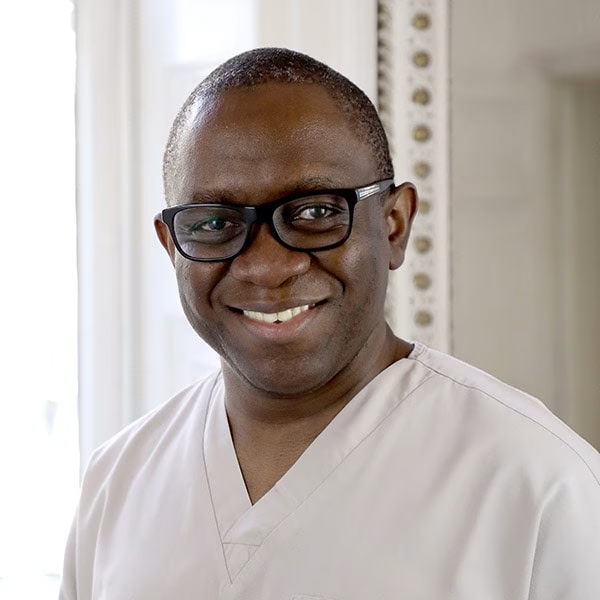
Care is led by Dr Ope Sodeinde, specialist periodontist, who owns London Dental Specialists and is registered as a specialist in periodontics (GDC No. 104071).
The cost follows the number of implants and the span of the bridge, so we quote it after assessing your bone and the gap. You can compare it with single and multiple tooth implants if each tooth were replaced individually.
The lifespan depends on how well the implants integrate and on your oral hygiene afterwards. For implants we place, we offer a 10-year implant warranty, subject to its written conditions.
We use Straumann and can provide any brand. The system and the bridge material are chosen for your clinical needs, and we explain the properties of each option at your planning appointment.
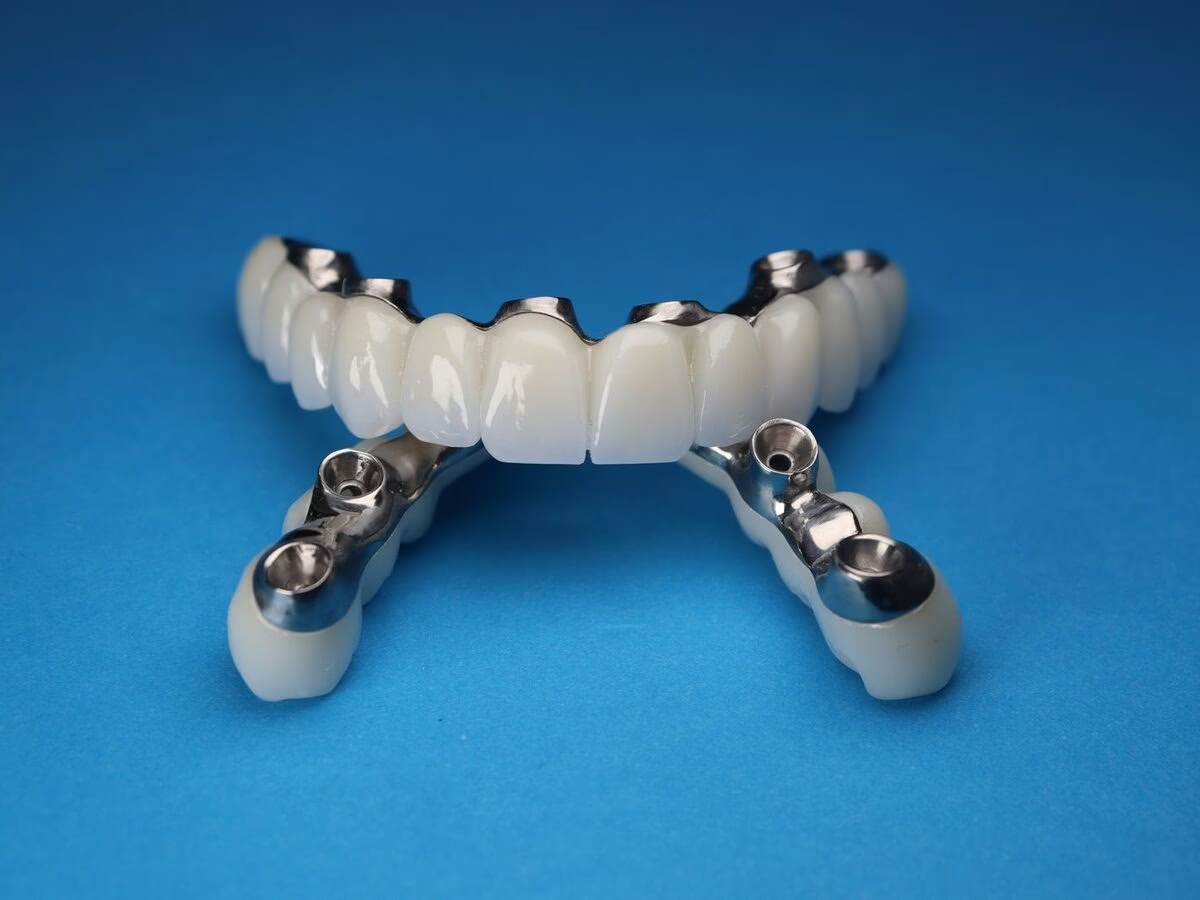
Bridges differ in the number of implants supporting them and the span they replace. Some use two implants to carry three or four crowns; longer spans need more. We decide the configuration by measuring your available bone and space.
Cost is the first thing most people ask about, and a diagnosis-first approach means you get an itemised quote before any treatment begins. To find out whether a bridge suits you, book a consultation to see what the £245 fee includes. Dr Ope Sodeinde will assess your bone levels and confirm whether grafting is needed before the implants. Sedation is available if you are anxious.
Request your clinical assessment or call 020 7589 7792.
Related reading covers the implant systems we place, single and multiple tooth implants, All-on-4 full-arch implants, same-day dental implants, and implants with receding gums. Dr Ope Sodeinde and the team can talk through these options, and through sedation, at your assessment. Book your consultation.
The consultation ends with a written plan and an itemised quote for your implant bridge, yours to keep and use at any practice. It includes in-mouth x-rays and a complimentary second appointment to discuss the plan before you decide.
The £245 consultation fee goes towards the cost of any treatment you choose to have with us; it is not an extra on top. Local anaesthetic is standard and sedation is available.
Real, verified Google reviews from patients of London Dental Specialists.
Your details are used to arrange your appointment and for nothing else.
111 Regent's Park Road, Primrose Hill, London NW1 8UR
Use our contact page if you would rather ask something than book.
