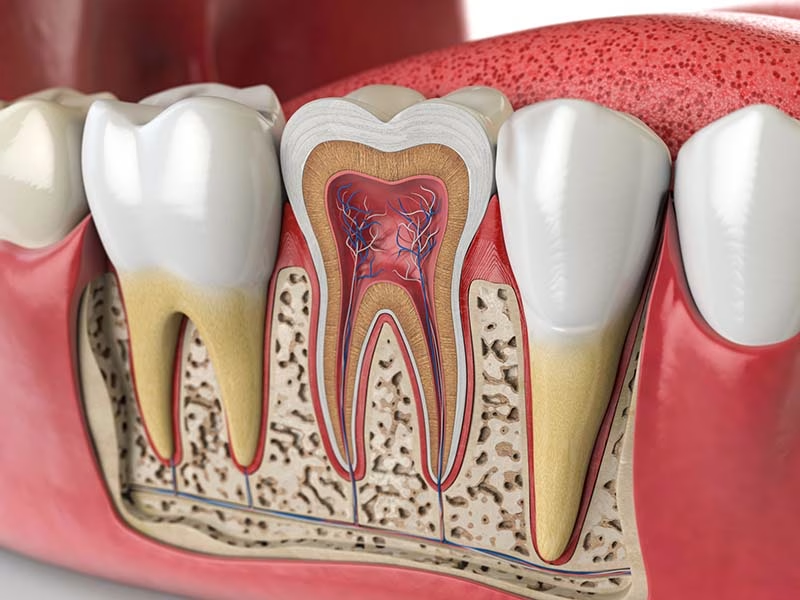
Tooth avulsion—when a tooth is completely knocked out—requires immediate action. At London Dental Specialists, we understand the panic and urgency following this dental emergency. Quick treatment significantly improves the chances of saving your tooth, with success rates reaching 65% when handled properly. The critical first steps include handling the tooth by the crown only, gently rinsing without scrubbing, keeping it moist (in milk, saline or your mouth), and seeing us within 30 minutes. Our specialists will reposition the tooth and apply a splint for 7-14 days, depending on your specific case. Remember, every minute counts—proper emergency handling and prompt professional care are essential for successful tooth replantation and long-term survival.
What is tooth avulsion and how common is it?
Tooth avulsion is when a tooth is completely knocked out of its socket due to trauma. It's relatively common, particularly in children and young adults, accounting for 0.5-16% of all dental injuries. At London Dental Specialists, we see several cases each month, often resulting from sports injuries, falls, or accidents. Prompt treatment is crucial for successful reimplantation and long-term tooth survival.
What should I do immediately if a tooth gets knocked out?
If a tooth is knocked out, follow these immediate steps:
- Pick up the tooth by the crown (the chewing surface), not the root
- If dirty, gently rinse with water for no more than 10 seconds (do not scrub)
- Try to reposition the tooth back in its socket immediately if possible
- If reimplantation isn't possible, keep the tooth moist by placing it in milk, saline solution, or between your cheek and gum
- Contact London Dental Specialists immediately for an emergency appointment
- Seek treatment within 30 minutes for the best chance of saving the tooth
How do dentists at London Dental Specialists treat knocked-out teeth?
At London Dental Specialists, our treatment for knocked-out teeth involves several steps:
- Examining the socket and tooth for damage
- Gently cleaning the area
- Reimplanting the tooth into its socket
- Splinting the tooth to adjacent teeth for stabilisation
- Prescribing antibiotics to prevent infection
- Performing root canal treatment, typically 7-10 days after reimplantation
- Providing follow-up care to monitor healing
How long does the splint need to stay on after tooth reimplantation?
For most avulsion cases with no fracture in the bone plate, we at London Dental Specialists typically keep the splint in place for 1-2 weeks. This period allows the periodontal ligament to heal and the tooth to stabilise in its socket. However, the exact duration may vary depending on individual circumstances and healing progress. We'll provide specific guidance during your treatment and follow-up appointments.
What is the success rate for reimplanted knocked-out teeth?
The success rate for reimplanted knocked-out teeth is approximately 65-70% within the first few years. At London Dental Specialists, our success rates are often higher due to our specialised expertise and advanced techniques. Factors affecting success include how quickly treatment was sought, how the tooth was stored before reimplantation, the condition of the tooth and socket, and proper aftercare. Regular follow-up appointments are essential to monitor the tooth's health and address any complications promptly.
Can children's knocked-out baby teeth be reimplanted?
Generally, we do not recommend reimplanting knocked-out baby (primary) teeth. Attempting to reimplant a primary tooth can potentially damage the developing permanent tooth underneath. If your child has knocked out a baby tooth, collect the tooth, keep it moist, and bring your child to London Dental Specialists for an examination. We'll assess the situation, ensure no fragments remain in the gum, and advise on space maintenance if necessary until the permanent tooth erupts.
What aftercare is needed following tooth reimplantation?
After tooth reimplantation at London Dental Specialists, follow these aftercare instructions:
- Take all prescribed antibiotics and pain medication as directed
- Maintain excellent oral hygiene with gentle brushing around the affected area
- Use prescribed antimicrobial mouthwash as instructed
- Eat soft foods for 1-2 weeks and avoid biting with the reimplanted tooth
- Avoid contact sports during the healing period
- Attend all scheduled follow-up appointments
- Contact us immediately if you experience increased pain, swelling, or mobility of the tooth
What happens if a knocked-out tooth cannot be saved?
If a knocked-out tooth cannot be saved or reimplantation fails, London Dental Specialists offers several replacement options. These include dental implants, bridges, or removable partial dentures. Dental implants are often the preferred solution as they provide the most natural-looking and functioning replacement. Our specialists will discuss all available options, considering factors such as your oral health, bone density, lifestyle, and budget to recommend the most suitable treatment plan for your specific situation.
How can I prevent tooth avulsion injuries?
To prevent tooth avulsion injuries, London Dental Specialists recommends:
- Wearing custom-fitted mouthguards during contact sports and high-risk activities
- Using seat belts and appropriate child restraints in vehicles
- Making your home safer by removing trip hazards
- Avoiding chewing hard objects like ice or using teeth as tools
- Having regular dental check-ups to ensure teeth are healthy and strong
- Addressing orthodontic issues that may make teeth more vulnerable to injury
Can’t find the answer to your Avulsion Treatment for Knocked-Out Teeth questions here? Always feel welcome to
contact us with your Avulsion Treatment for Knocked-Out Teeth questions and concerns.