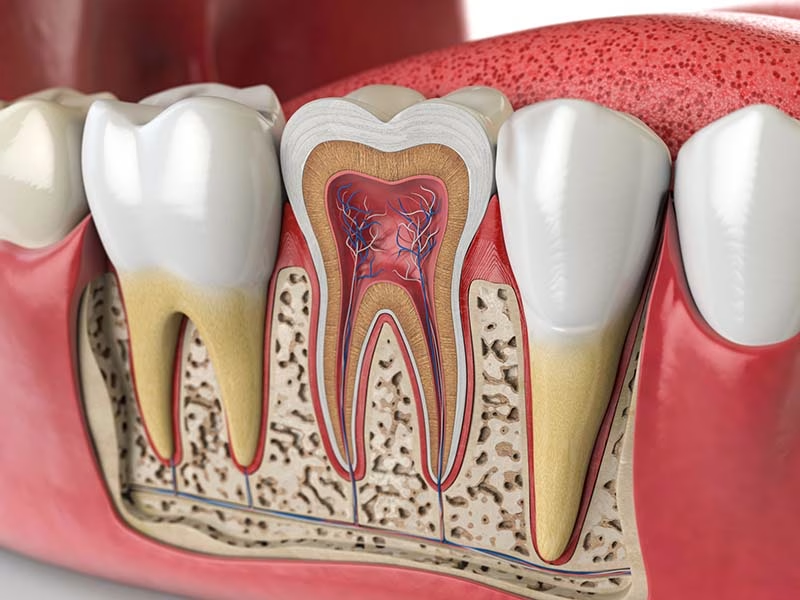
Dental trauma from impacts requires swift, expert care. At London Dental Specialists, we understand the urgency and anxiety following dental injuries. Whether you've experienced a broken, loose, or displaced tooth, our specialists provide immediate assessment and treatment to preserve your dental health. Many patients wonder about treatment options, recovery time, and proper aftercare following trauma. Healing periods vary depending on injury severity—from weeks for supporting tissue to longer for nerve damage requiring root canal therapy. Our team offers comprehensive care including stabilisation techniques, splinting, and personalised aftercare instructions to ensure optimal recovery. We're committed to addressing your concerns and guiding you through each step of the healing process with professional, compassionate care.
What are the common types of dental trauma from impact injuries?
Common types of dental trauma from impact injuries include cracked or chipped teeth, tooth displacement (where teeth become loose or pushed out of position), tooth intrusion (where teeth are pushed into the jawbone), and avulsion (complete tooth loss). At London Dental Specialists, we also frequently treat crown fractures, root fractures, and injuries to the supporting tissues such as the gums and jawbone. Each type of trauma requires specific treatment approaches based on severity and location.
What should I do immediately after a dental injury?
Immediately after a dental injury, you should:
- Rinse your mouth gently with warm water
- Apply cold compresses to reduce swelling
- If a tooth has been knocked out, hold it by the crown (not the root), rinse it gently without scrubbing, and try to reinsert it or keep it in milk
- Collect any broken tooth fragments
- Take over-the-counter pain relief if necessary
- Contact London Dental Specialists immediately for emergency care
Prompt treatment within 30-60 minutes significantly improves outcomes, especially for avulsed (knocked-out) teeth.
How are traumatic dental injuries treated at London Dental Specialists?
At London Dental Specialists, traumatic dental injuries are treated based on the specific type and severity of the trauma. For broken teeth with pulp exposure, we may perform root canal therapy. Loose or displaced teeth are stabilised using specialised splints until healing occurs. Completely knocked-out teeth can often be reimplanted if treated promptly. We use advanced diagnostic imaging to assess the full extent of damage and create comprehensive treatment plans that may include restorative procedures such as bonding, crowns, or implants for severely damaged teeth. Our specialists prioritise both immediate pain relief and long-term functional and aesthetic outcomes.
How long does recovery from dental trauma typically take?
Recovery from dental trauma varies depending on the severity and type of injury. Minor chips or cracks may require only a single treatment visit, while more severe injuries involving the pulp or supporting structures typically take 6-8 weeks for initial healing. Teeth that have been knocked out and reimplanted may require 3-6 months for reattachment. Complete healing, including bone regeneration in cases of severe trauma, can take up to 12 months. At London Dental Specialists, we provide comprehensive follow-up care to monitor healing and address any complications promptly.
What complications can arise from untreated dental trauma?
Untreated dental trauma can lead to several serious complications including pulp necrosis (death of the nerve), root resorption (deterioration of the tooth root), infection, abscess formation, and eventual tooth loss. Aesthetic issues such as tooth discolouration may also develop. Additionally, untreated trauma can cause misalignment of surrounding teeth, bite problems, and chronic pain. At London Dental Specialists, we emphasise the importance of prompt treatment to minimise these risks and preserve your natural teeth whenever possible.
How do I care for my teeth after dental trauma treatment?
After dental trauma treatment, follow these care instructions:
- Maintain excellent oral hygiene with gentle brushing and flossing around the affected area
- Rinse with prescribed antimicrobial mouthwash if recommended
- Avoid hard, crunchy, or sticky foods for at least 3 days or as advised
- Avoid extremely hot or cold foods and beverages
- Take any prescribed medications as directed
- Attend all scheduled follow-up appointments at London Dental Specialists
- Contact us immediately if you notice increased pain, swelling, or changes in tooth colour
Proper aftercare significantly improves long-term outcomes and prevents complications.
Can traumatised teeth change colour, and what does this mean?
Yes, traumatised teeth can change colour, which often indicates damage to the pulp (nerve and blood vessels). A grey or dark discolouration typically suggests that the pulp has been damaged and may be dying or already necrotic. Yellow or brown discolouration might indicate internal bleeding within the tooth. Pink discolouration can represent internal resorption. At London Dental Specialists, we carefully monitor colour changes as they provide important diagnostic information. Treatment options for discoloured traumatised teeth include root canal therapy followed by internal bleaching or restoration with crowns or veneers, depending on the cause and extent of discolouration.
Are children more susceptible to dental trauma, and how is their treatment different?
Children are indeed more susceptible to dental trauma due to their active lifestyles and developing coordination. Treatment for children differs from adults because their teeth are still developing. At London Dental Specialists, we take special considerations for young patients, including the stage of tooth development, potential impact on permanent teeth, and growth factors. Children's teeth have greater healing capacity, particularly for pulp exposure and reimplantation. We use more conservative approaches when possible and closely monitor developing teeth after trauma to ensure proper eruption patterns and root development. Our child-friendly environment helps reduce anxiety during these potentially distressing treatments.
How can I prevent dental trauma during sports and physical activities?
To prevent dental trauma during sports and physical activities, we recommend:
- Wearing a properly fitted custom mouthguard (which we can provide at London Dental Specialists)
- Using appropriate protective gear such as helmets with face shields for high-risk activities
- Following safety rules and guidelines for your specific sport
- Avoiding chewing on hard objects like ice, popcorn kernels, or pens
- Addressing teeth grinding or clenching with night guards if necessary
- Having regular dental check-ups to identify and address any weakened teeth
Custom-fitted mouthguards from London Dental Specialists offer superior protection compared to over-the-counter options and are especially recommended for contact sports and high-impact activities.
Can’t find the answer to your Dental Trauma Care for Impact Injuries questions here? Always feel welcome to
contact us with your Dental Trauma Care for Impact Injuries questions and concerns.