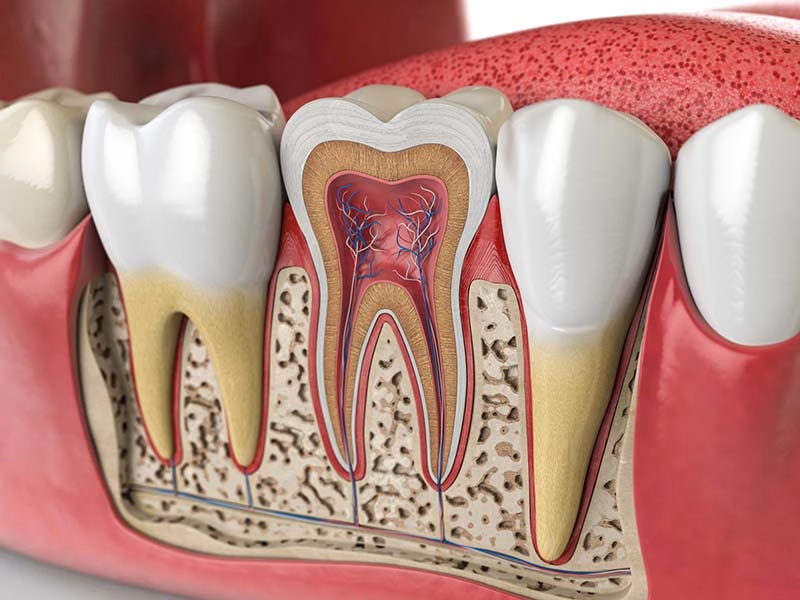
Wondering about pulp vitality tests? These essential diagnostic procedures help our specialists assess the health of your tooth's nerve tissue. At London Dental Specialists, we employ various methods including thermal tests (applying hot or cold stimuli), Electric Pulp Testing (EPT), and advanced techniques like Laser Doppler flowmetry and pulse oximetry. Each test serves a specific purpose in determining whether your dental pulp is functioning normally. Cold pulp testing offers high diagnostic accuracy and is our primary assessment method, though we select the most appropriate test based on your specific dental condition. Understanding these procedures helps patients appreciate why they're crucial for proper diagnosis and treatment planning before any dental intervention.
What are pulp vitality tests and why are they important?
Pulp vitality tests are diagnostic procedures used to assess the health of a tooth's nerve (dental pulp). These tests are crucial because they help dentists determine whether the pulp is healthy, inflamed, or necrotic (dead). At London Dental Specialists, we use these tests to make accurate diagnoses and develop appropriate treatment plans. Healthy pulp indicates a vital tooth that may require minimal intervention, while non-vital pulp might necessitate root canal treatment or other procedures.
What types of pulp vitality tests are performed at London Dental Specialists?
At London Dental Specialists, we perform several types of pulp vitality tests, including:
- Thermal tests (cold and heat application)
- Electric Pulp Testing (EPT)
- Laser Doppler Flowmetry (LDF)
- Pulse Oximetry (PO)
- Percussion and palpation tests
Each test provides different information about the health of your dental pulp, allowing our specialists to make comprehensive assessments.
How does the cold test work and what should I expect?
The cold test involves applying a cold stimulus (such as refrigerant spray on a cotton pellet) to the tooth surface. A healthy tooth will respond with a brief, sharp sensation that quickly subsides when the stimulus is removed. During your appointment at London Dental Specialists, our dentists will explain the procedure and ask you to signal when you feel the sensation. The test is quick and provides valuable information about the responsiveness of your tooth's nerve.
What is an Electric Pulp Test (EPT) and is it painful?
An Electric Pulp Test (EPT) uses a small, battery-operated device that delivers a mild electrical current to the tooth. The current gradually increases until you feel a tingling or mild \"buzzing\" sensation. At London Dental Specialists, we ensure this test is not painful—you'll simply feel a slight tingling when the pulp responds. A healthy tooth will react to a lower current, while a compromised or necrotic pulp may require higher current or show no response at all. The test is brief and provides immediate results.
Which pulp vitality test is the most accurate?
Laser Doppler Flowmetry (LDF) and Pulse Oximetry (PO) are considered the most accurate pulp vitality tests as they directly measure blood flow within the dental pulp. However, cold pulp testing (CPT) offers high diagnostic accuracy and is our primary testing method at London Dental Specialists due to its reliability and practicality. Often, we use multiple tests in combination to confirm findings and ensure accurate diagnosis.
How do pulp vitality tests help in diagnosing dental problems?
Pulp vitality tests help our specialists at London Dental Specialists diagnose various dental conditions by determining the health status of the dental pulp. These tests can identify:
- Pulpitis (inflammation of the pulp)
- Pulp necrosis (death of the pulp)
- Traumatic injuries to teeth
- The source of dental pain when multiple teeth are symptomatic
- The need for endodontic treatment (root canal)
This information is essential for developing appropriate treatment plans tailored to your specific dental condition.
Are pulp vitality tests safe for everyone?
Most pulp vitality tests are safe for the majority of patients. However, at London Dental Specialists, we take certain precautions with specific groups. Electric pulp testing is not recommended for patients with cardiac pacemakers. For pregnant women, we typically rely on thermal tests rather than electrical or radiographic methods. Children may require modified approaches depending on their cooperation level and tooth development stage. Our specialists always consider your complete medical history before recommending any diagnostic test.
How should I prepare for pulp vitality testing at London Dental Specialists?
No special preparation is required for pulp vitality testing at London Dental Specialists. However, we recommend:
- Maintaining your regular oral hygiene routine
- Bringing a complete list of your medications and medical conditions
- Informing us about any dental pain or sensitivity you're experiencing
- Removing removable dental appliances before your appointment
- Arriving relaxed, as anxiety can sometimes affect test results
Our friendly team will guide you through the entire process and answer any questions you may have.
What happens after pulp vitality testing shows a problem?
If pulp vitality testing at London Dental Specialists reveals a problem with your dental pulp, our specialists will discuss the findings and recommend appropriate treatment options. Depending on the diagnosis, these might include:
- Monitoring the tooth for changes over time
- Prescribing medications to manage inflammation or infection
- Root canal treatment to remove damaged pulp tissue
- Protective restorations to prevent further damage
- In severe cases, extraction and replacement options
We always prioritise preserving your natural teeth whenever possible and will thoroughly explain all treatment options.
Can’t find the answer to your Pulp Vitality Tests for Nerve Health Assessment questions here? Always feel welcome to
contact us with your Pulp Vitality Tests for Nerve Health Assessment questions and concerns.