Family Friendly & Specialty Dentists in London, UK
Gingivitis treatment settles gum inflammation at the stage when it is still reversible, before it progresses to periodontitis and bone loss. We assess your gums at a consultation and tell you how many visits you need.
Led by Dr Ope Sodeinde, GDC-registered specialist periodontist.
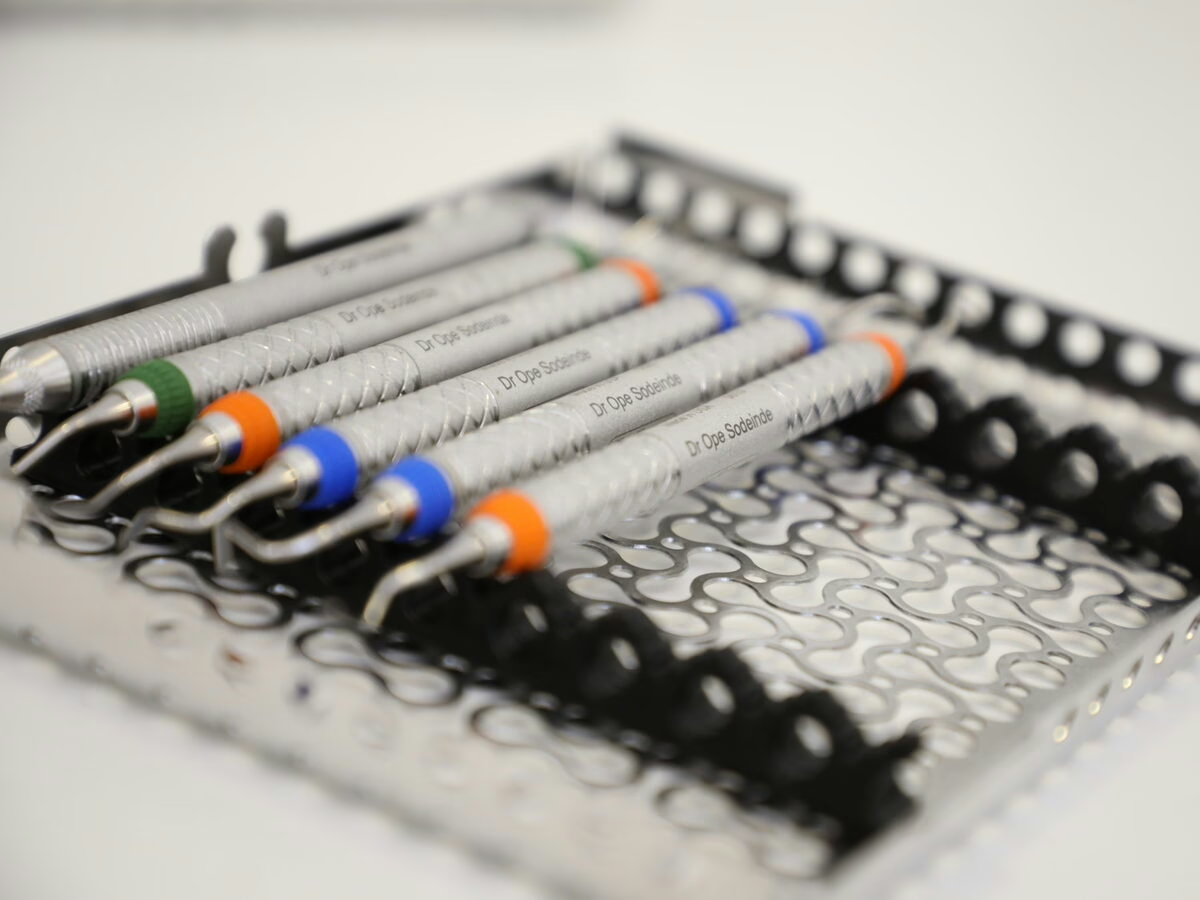
Bleeding when you brush, or gums that look red and swollen, are usually the first signs. We provide periodontics in London to treat these signs before they progress, and non-surgical periodontal therapy is the first line.
We use scaling to remove plaque and tartar from below the gum line. Where bacteria persist, Dr Ope Sodeinde uses LANAP laser therapy to target them. Both reduce the bacterial load so the gum can reattach. A consultation establishes what your case needs and how long it will take.

Gingivitis affects the gum only; periodontitis destroys the bone beneath it, and that bone does not return. Treating the inflammation now is how teeth are kept later. We start with a diagnosis-first consultation and give you an itemised breakdown of costs before any work begins.
Depending on your case, we may use laser gum therapy to treat infected tissue. Where the gum line itself is the concern, gummy smile correction is a separate option. Dr Ope Sodeinde assesses each case and recommends the route that fits it.
Leave your number and we will call you back. Nothing is booked until you say so.
Many people put off treatment because they are embarrassed by the state of their gums. There is no judgement at our Primrose Hill practice; we deal with the inflammation in front of us. We treat every stage of gum disease, including acute infections that need gum abscess drainage. Once the infection is cleared, you move into a periodontal maintenance programme to hold the result. Your costs and timeline are set at your clinical assessment.
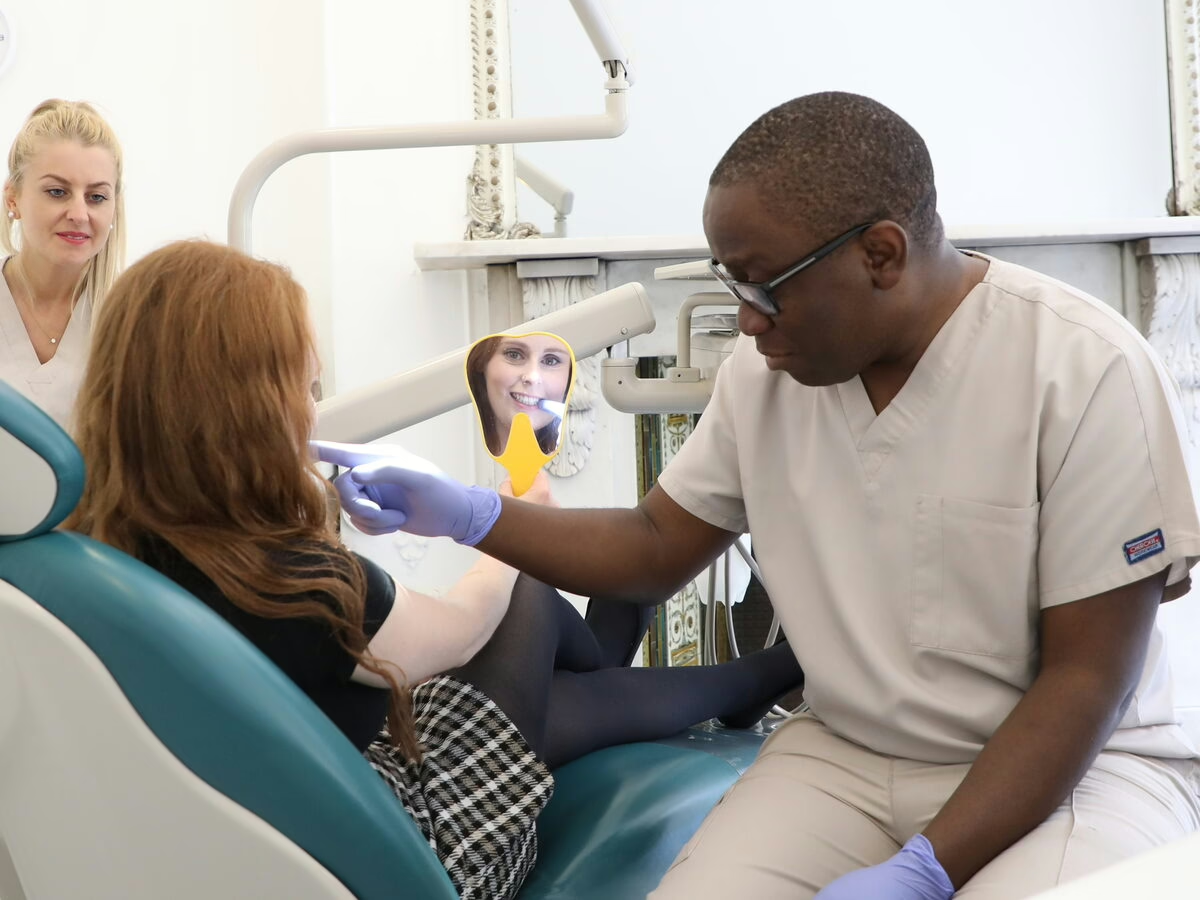
We examine your gums to confirm the stage of infection and explain gum disease: signs, stages and the right treatment. You leave knowing the timeline and the specific steps.
We remove the deposits that harbour the bacteria causing the inflammation, including the ones brushing cannot reach. This is the most direct way to stop bleeding and swelling at the gingivitis stage.
If the infection has already gone beyond gingivitis, we discuss the next options, which can include pocket reduction surgery. Nothing starts until you understand the proposed treatment.
What happens between visits decides the result. We give you a specific routine; the detailed steps are in our gum disease aftercare guide.
Regular reviews catch early signs of relapse. Consistent monitoring is the only way the result holds over time.
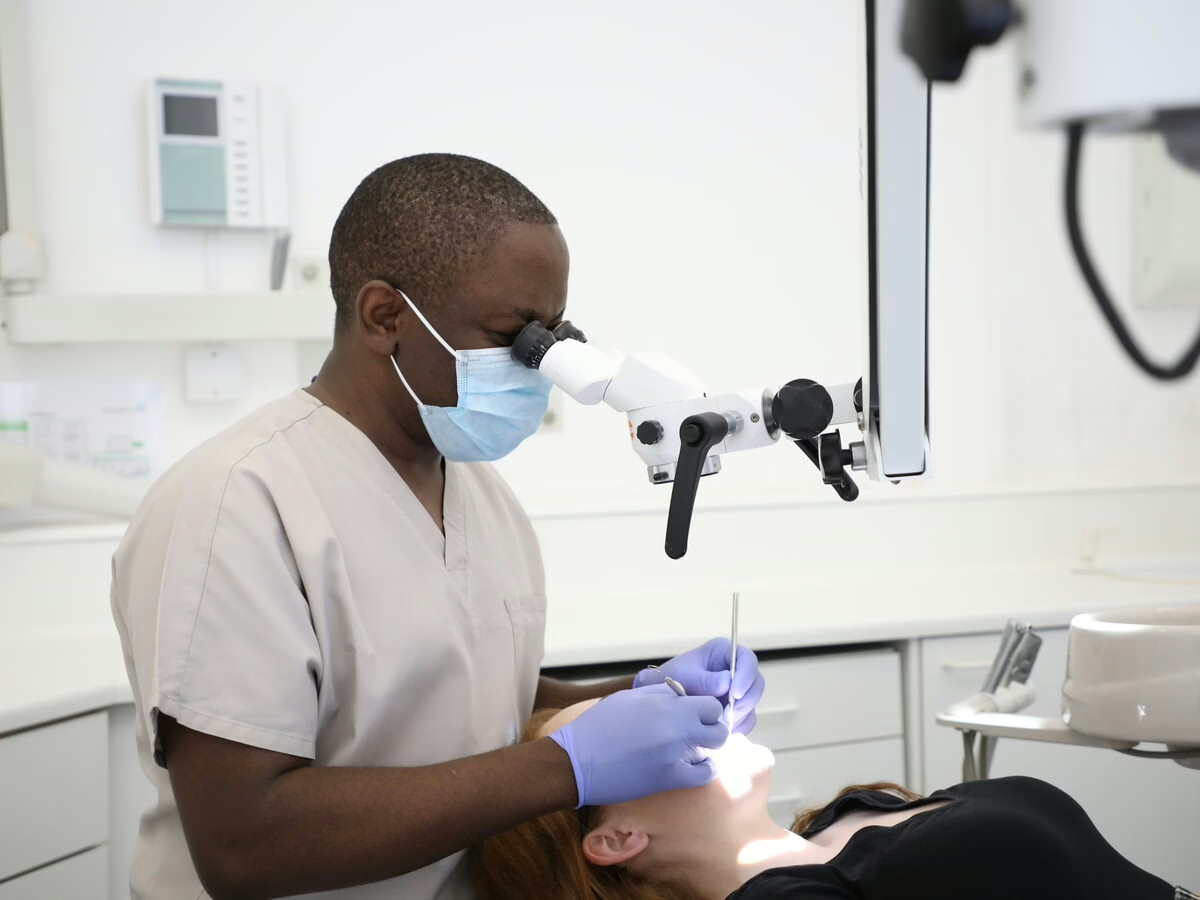
Treatment begins when Dr Ope Sodeinde, specialist periodontist (GDC No. 104071) examines your gums and reviews your medical history. Beyond gingivitis treatment, he provides scaling and root planing, laser gum therapy, gum abscess drainage, gum irrigation to reduce inflammation, and crown lengthening where a crown needs more tooth to sit on.
Healing is gradual. Follow-up appointments are scheduled so we can check how the gum tissue is responding; that maintenance is what makes the treatment last.

Patients tell us they value a calm, unhurried manner and honest options during consultations, which matters most to those who arrive anxious. Where deposits sit below the gum line, we use scaling and root planing to remove the bacteria driving the inflammation.
Fees depend on the extent of the infection. We give you a breakdown of gum disease treatment costs in London at your first visit, before anything begins.
We set the number of appointments and the length of each at your assessment, once we have seen how much of the mouth is affected.
Cleaning inflamed gums can be tender. If you are sensitive or anxious, we discuss anaesthetic options with you before we start.
Gingivitis can return without proper care. A structured maintenance programme and your home routine are what keep the gums healthy over the long term.
We establish the cause of your inflammation at a clinical examination and explain what happens at your first periodontal consultation and how to book. Dr Ope Sodeinde reviews your clinical history and sets out a plan that stops the disease progressing.
Cost, duration and suitability are all settled at a clinical assessment with Dr Ope Sodeinde, once the stage of your condition is known. Related pages on this site cover:
Dr Ope Sodeinde provides a written plan and an itemised quote at your assessment. The plan is yours to keep and can be used at any other practice.
Call 020 7589 7792.

Real, verified Google reviews from patients of London Dental Specialists.
Your details are used to arrange your appointment and for nothing else.
111 Regent's Park Road, Primrose Hill, London NW1 8UR
Use our contact page if you would rather ask something than book.
