Family Friendly & Specialty Dentists in London, UK

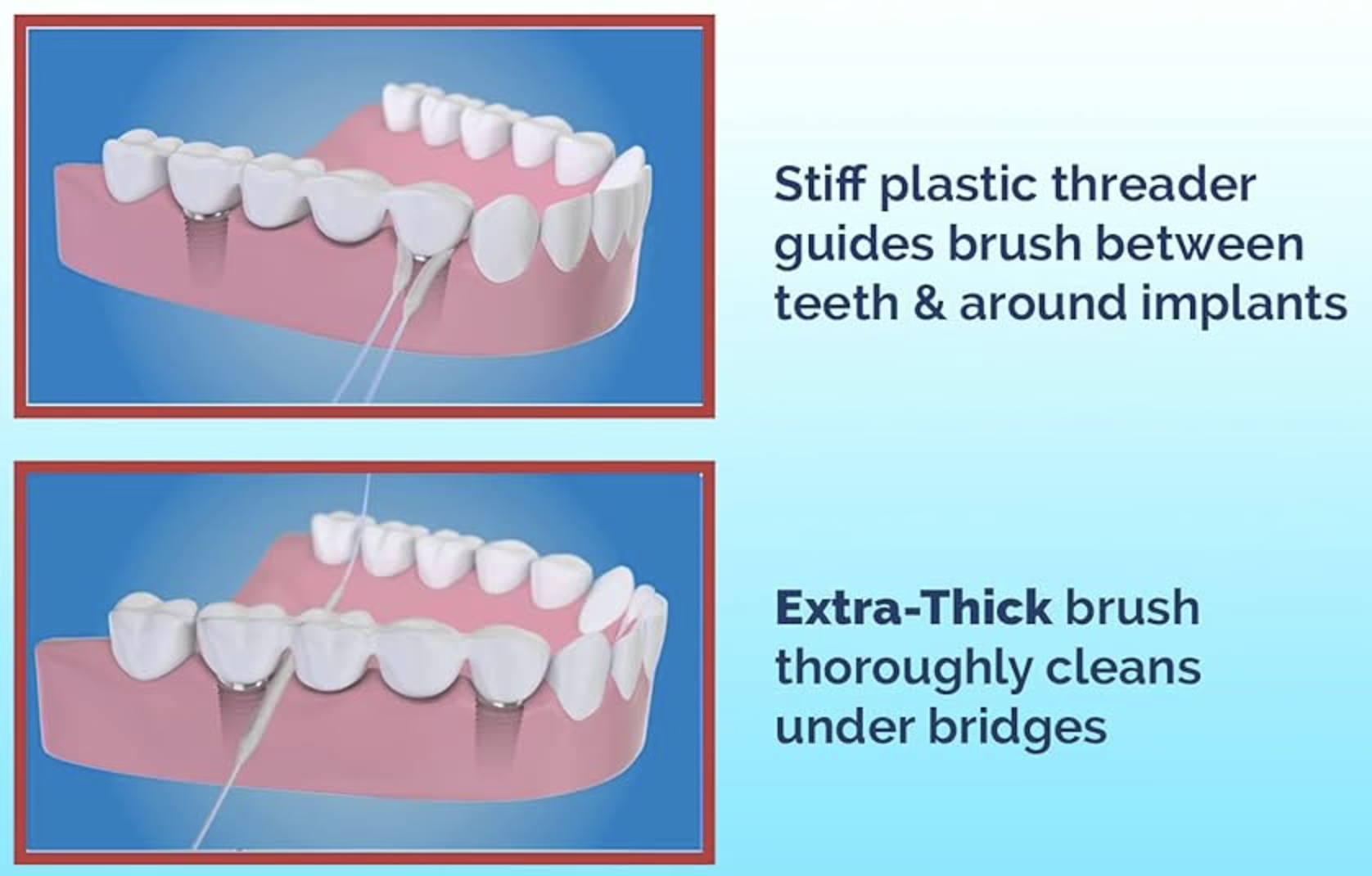
Proxy brushes remove plaque and debris from between teeth and around dental appliances where standard toothbrushes cannot reach. Users should position the brush below the contact point between teeth, apply light pressure, and use gentle back-and-forth motions. Size selection is essential—small, medium, and large options accommodate different tooth spacing. The brush should be rinsed after each use and replaced when bristles fray. Understanding proper technique and individual needs may help improve dental hygiene.
Interdental brushes—small, specialised tools with conical heads and flexible handles—fill a gap that traditional floss cannot.
These proxy brushes are designed specifically for oral hygiene tasks like cleaning between teeth and around dental appliances. Available in various sizes, they accommodate different interdental spacing, making them effective for cleaning tailored to individual needs.
The brushes feature nylon or silicone bristles that gently remove plaque whilst stimulating gum tissue to support gum health. This dual action addresses both plaque removal and tissue care simultaneously.
Because proxy brushes withstand multiple uses before bristles wear down, they represent a cost-effective option for maintaining oral hygiene over time. Their design makes them particularly valuable for individuals with limited dexterity or mobility challenges.
As part of a comprehensive oral hygiene routine, interdental brushes work alongside other recommended products such as fluoride toothpaste and soft-bristle toothbrushes to maximise dental health.
Because proxy brushes come in multiple sizes, choosing the correct one depends on measuring the spacing between teeth. Common sizes include small (1.0-2.5 mm), medium (2.6-3.5 mm), and large (3.6 mm and above), enabling an individualised fit based on dental anatomy.
Selecting interdental brushes with soft bristles minimises gum discomfort and prevents tissue damage during use. For ideal efficiency, most individuals require several different-sized brushes to accommodate varying gaps throughout the mouth, particularly between molars and front teeth.
Since dental hygiene needs differ amongst individuals, consulting a dental professional provides personalised recommendations for selecting the right size. This guidance enhances your oral hygiene routine by ensuring proper interdental cleaning across all tooth gaps. Professional assessment can also identify early signs of gum disease that may require deeper intervention beyond routine interdental cleaning.
Once the correct size has been selected, proper technique helps maximise cleaning effectiveness and reduces the risk of gum damage. Users should gently insert interdental brushes just below the contact point between teeth, applying light pressure to ensure bristles contact both surfaces. A gentle back-and-forth motion cleans thoroughly without causing irritation. Maintaining regular oral hygiene practices alongside interdental brushes is essential for preventing decay and supporting the longevity of dental restorations.
| Step | Action |
|---|---|
| Insert | Position brush below contact point |
| Apply | Use light pressure for bristle contact |
| Move | Execute gentle back-and-forth motion |
| Rinse | Remove debris under running water |
| Replace | Change when bristles fray or weaken |
Rinsing the brush after each use removes debris and bacteria. This proper technique supports plaque removal and gum health. Incorporating interdental brushes into daily oral care routines strengthens overall dental hygiene and maintains spaces between teeth effectively.
Interdental brushes deliver particular value to specific populations seeking more effective oral hygiene solutions. Individuals with larger gaps between teeth find interdental brushes suitable for cleaning in these spaces.
Those wearing dental appliances like braces or bridges may benefit from their ability to navigate around structures and assist with plaque removal.
People with gum recession or a history of gum disease may find advantages through interdental brushing, which can massage gums and stimulate blood flow to support gum health.
Adults with limited dexterity or joint problems may appreciate the easier handling compared to string floss, potentially improving consistency in oral hygiene practices.
Children learning proper dental care techniques may find interdental brushes less frustrating, promoting engagement with daily cleaning routines.
For patients with missing teeth considering comprehensive tooth replacement, computer-guided implant surgery combined with proper interdental cleaning maintenance ensures optimal long-term outcomes for implant-supported restorations.
Adding proxy brushes to a daily oral care routine requires intentional planning and proper technique to maximise their benefits. Using a proxy brush once daily before brushing teeth effectively supports plaque removal from interdental spaces.
Selecting the correct size helps ensure cleaning efficiency without causing discomfort to sensitive gum tissue. Users should employ a gentle back-and-forth motion when cleaning between teeth and around dental appliances, supporting overall gum health.
Cleaning each gap two to three times with adequate pressure removes debris effectively. Maintaining a fresh brush is essential for preventing irritation and promoting thorough dental hygiene.
Regularly monitoring brush condition and replacing bristles when worn preserves effectiveness. This systematic approach to plaque removal integrates proxy brushes seamlessly into daily oral care routines, establishing consistent habits that complement professional periodontal treatments and prevent gum disease progression.
To use a proxabrush correctly, one selects an appropriate size that fits comfortably between teeth without forcing.
The brush is gently inserted below the contact point and moved in light back-and-forth motions to clean both tooth sides and the gumline. Varying angles ensures thorough cleaning around appliances or implants.
After each use, the brush should be rinsed to prevent bacteria accumulation. Regular daily use, ideally before brushing, can improve oral hygiene by removing plaque traditional brushing may miss.
The 3-3-3 rule for teeth establishes a foundational oral hygiene framework. Individuals should brush for three minutes, three times daily—ideally after meals—to ensure thorough plaque removal.
Additionally, dental care tools such as toothbrushes and interdental brushes require replacement every three months as bristles wear down and lose effectiveness.
This systematic approach may help reduce the risk of cavities and gum disease whilst promoting consistent daily habits that support long-term oral health maintenance.
Dentists frequently recommend proxabrushes for interdental cleaning. These tools effectively remove plaque between teeth and under dental appliances, particularly benefiting orthodontic patients.
Research indicates users experience greater comfort and satisfaction compared to traditional floss, leading to improved compliance. Dental professionals advocate proxabrushes for reducing plaque buildup and supporting gum health.
Proper sizing tailored to individual interdental spaces maximises effectiveness whilst minimising gum irritation.
TePe brushes should be used before brushing teeth.
This sequencing allows them to remove plaque and food debris from between teeth, reducing the overall bacterial load in the mouth.
Cleaning interdental spaces first enables fluoride from toothpaste to penetrate more effectively during brushing.
This approach enhances toothbrush effectiveness by making it easier to reach tooth surfaces that might otherwise remain unclean, ultimately supporting better gum health.
Interdental brushes represent an effective tool for cleaning between teeth when used correctly. Selecting appropriate sizes, mastering proper insertion techniques, and establishing consistent daily habits may help improve plaque removal between teeth. Individuals with gaps, implants, or orthodontic work might find this method beneficial. Regular interdental brush use, combined with standard brushing and flossing, creates a thorough oral hygiene routine that may help support gum health.
