Family Friendly & Specialty Dentists in London, UK
Computer guided surgery uses digital planning to place implants with precision. We use this technology at our Primrose Hill practice to increase accuracy and reduce surgical time.
The exact duration of your procedure depends on your clinical needs. We determine the specific timeline and suitability for this approach during your initial assessment.
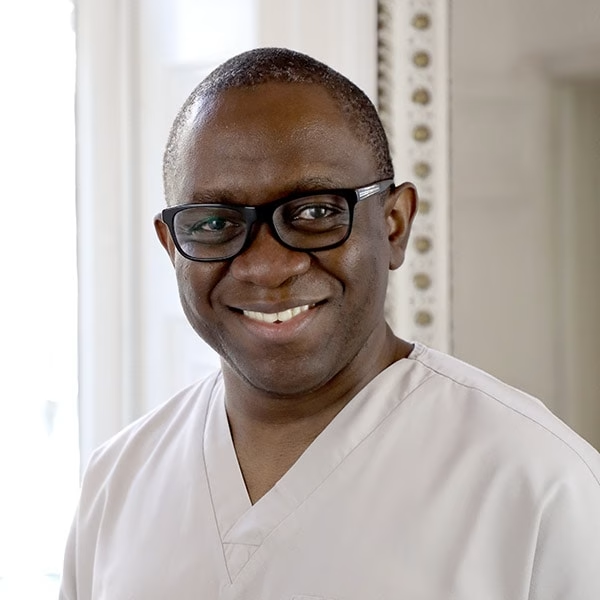
Led by Dr Ope Sodeinde.
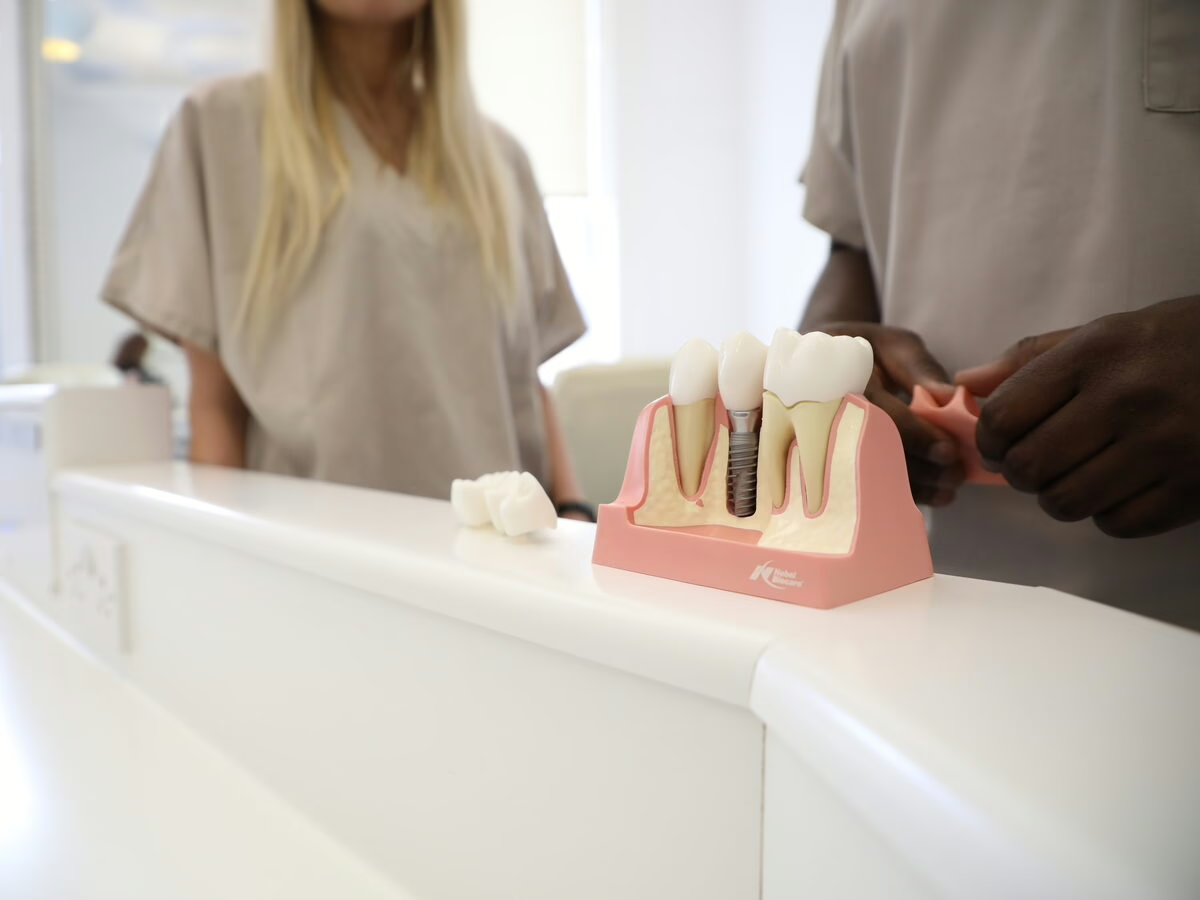
Persistent pain or crowding often makes wisdom teeth removal necessary. You may also be dealing with jaw abnormalities or inflammation that causes chronic TMD symptoms. We use diagnostic imaging to identify these pathologies accurately. If you need oral surgery in London, our team follows strict infection prevention protocols to keep you safe. Whether you require surgical extractions or a diagnostic biopsy to examine a tissue sample, we provide the precision needed for a clear diagnosis.
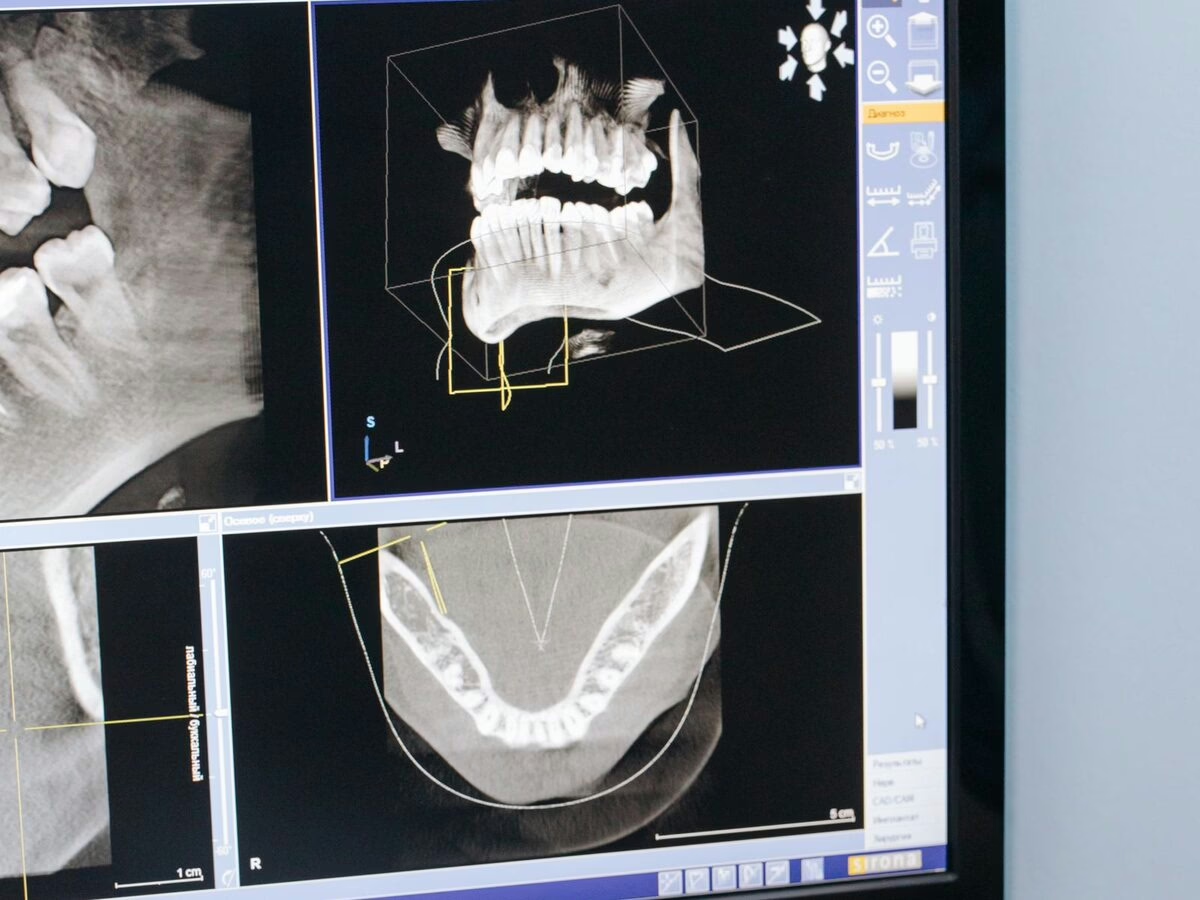
Choosing the wrong surgical approach can lead to complications. We mitigate this risk through specialist-led planning, where Dr Sodeinde oversees the digital mapping of your anatomy for exact placement. This precision is the same standard we apply to nerve repositioning and dental injuries treatment.
Cost is a primary concern for most patients. We provide a diagnosis-first consultation to prevent you from paying for unnecessary procedures, with a transparent, itemised cost before any price is revealed. Our surgical expertise also extends to scar revision and soft tissue injuries repair at our Primrose Hill practice.
Leave your number and we will call you back. Nothing is booked until you say so.
Digital guidance is often used for wisdom teeth removal to increase precision. We use this method to help avoid nerve damage and manage complex anatomical layouts. It is also a helpful option for those who feel anxious about dental visits, as the increased predictability of the procedure can reduce stress.
A clinical assessment determines if you are a candidate for this approach. We evaluate your specific anatomy and medical history to check the method is appropriate for your needs. You can view our oral surgery procedures fit to see how this compares to other methods.
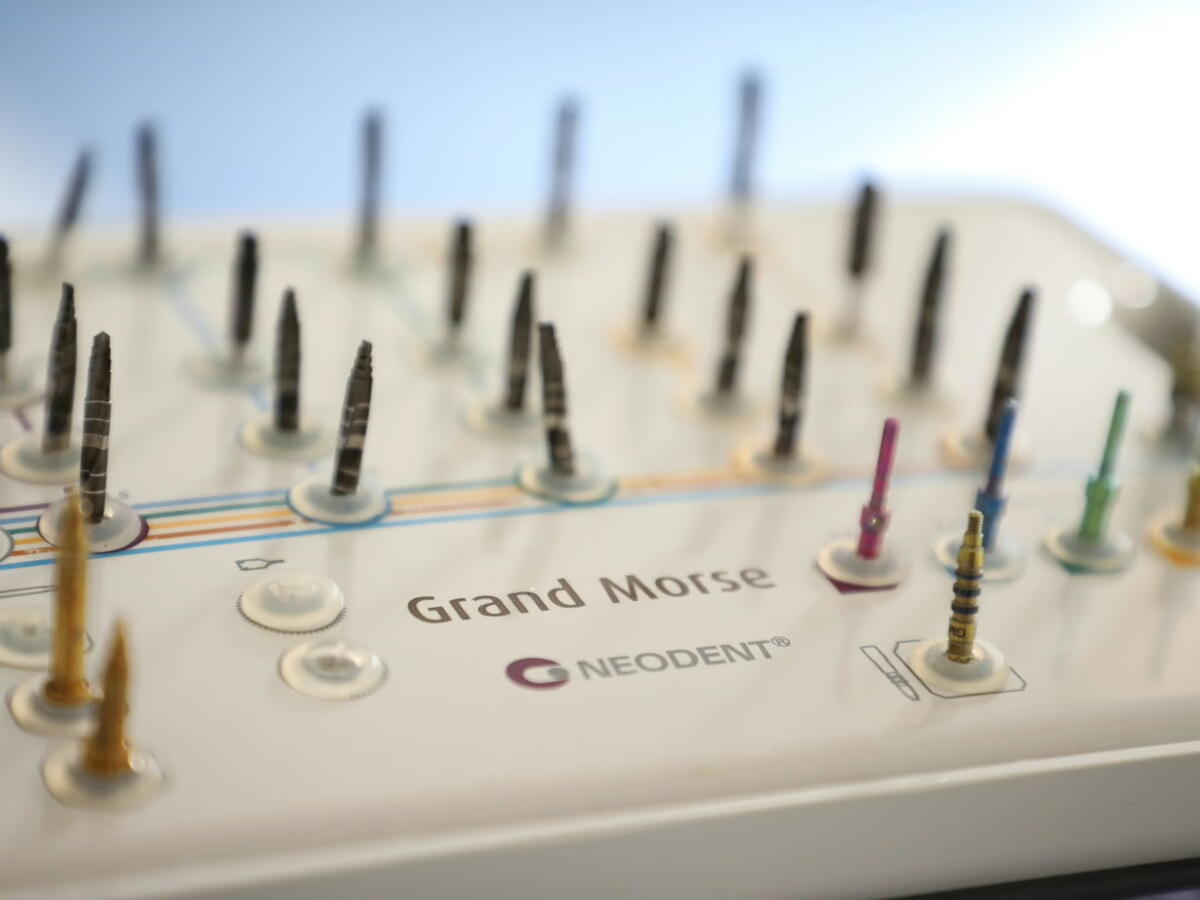
We begin by creating a precise 3D map of your jaw. This allows us to plan the exact position of each fixture before any work starts. If you require surgical extractions first, we coordinate this into your timeline.
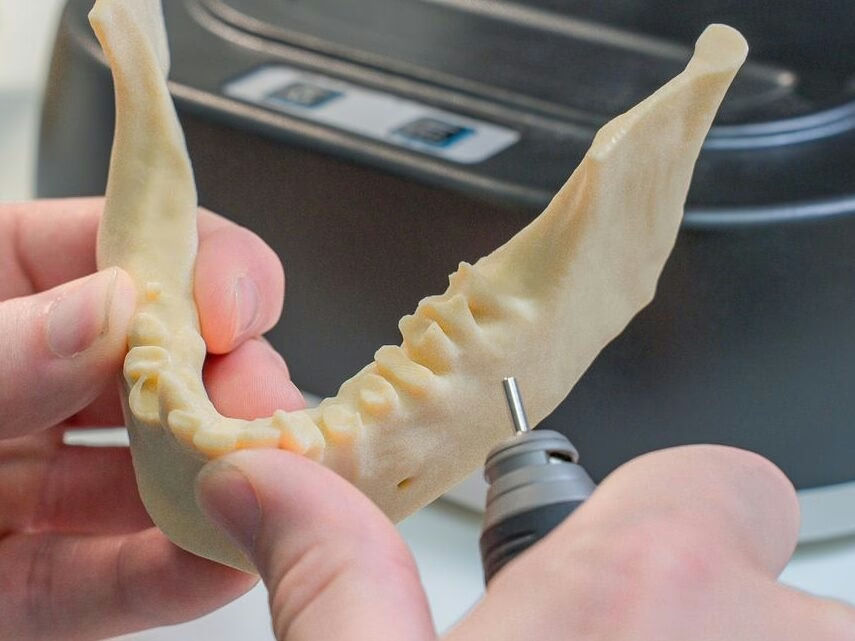
Using your digital scans, we produce a physical guide. This device fits over your teeth or gums during the procedure. It acts as a precise template so the clinician follows the pre-planned path exactly.
The clinician uses the guide to place the fixtures. This method reduces the need for guesswork and limits the impact on surrounding tissue. We use local anaesthetic for patients who feel anxious.
Your jaw needs time to bond with the new fixtures. We monitor this integration period closely to check stability. We are honest about the timeline: healing takes time, and we will not rush this stage.
Once the site is stable, we fit your final crowns or bridges. This completes the process. We check the final fit so your restoration is secure and functional.
We use 3D imaging technology to plan single implant surgery, refining our processes with a data-driven methodology. Our clinical lead, Dr Ope Sodeinde, GDC-registered specialist periodontist (GDC No. 104071), carries out wisdom teeth removal, surgical extractions, multiple teeth extraction, and the placement of dental implants.
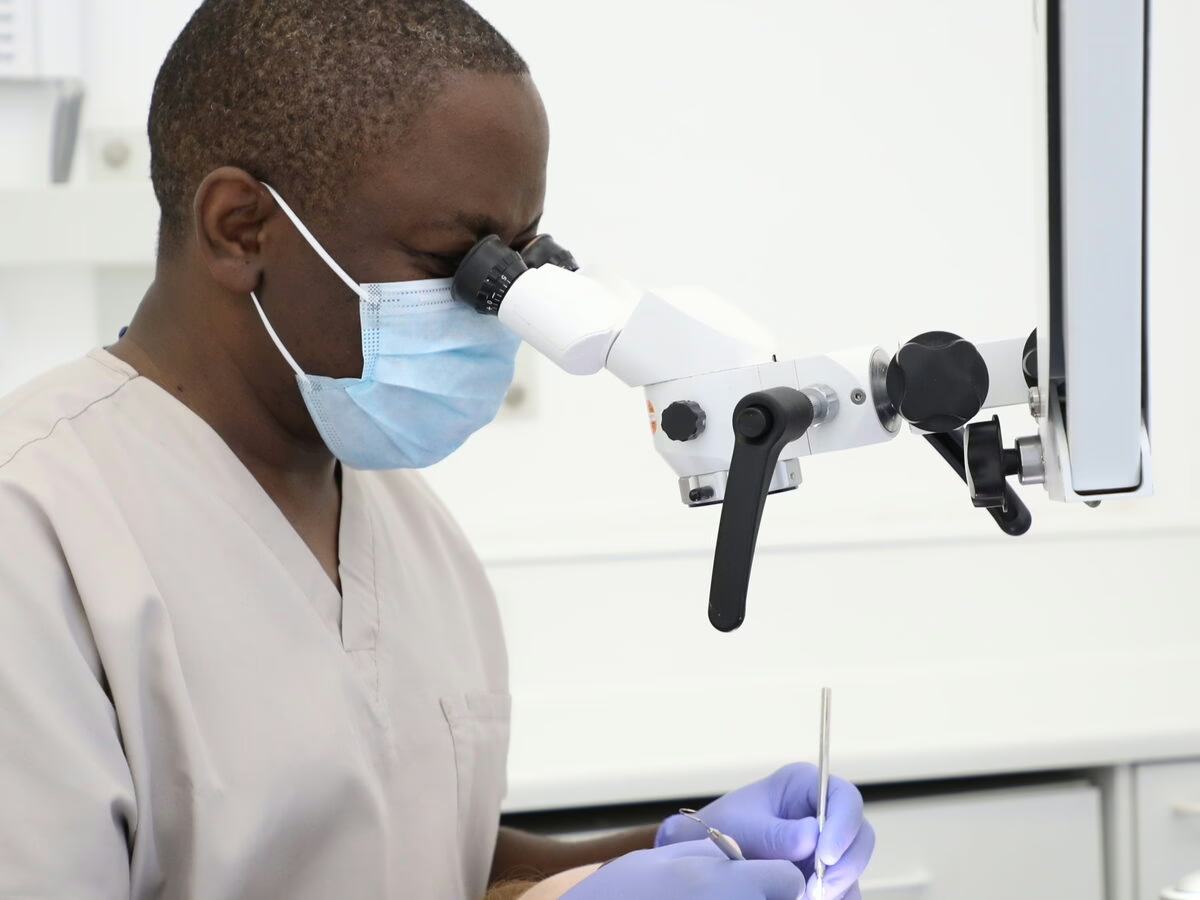
Our team focuses on professionalism and the clinical approach of every procedure. You get a calm, unhurried environment where you can discuss honest options during no-pressure consultations.
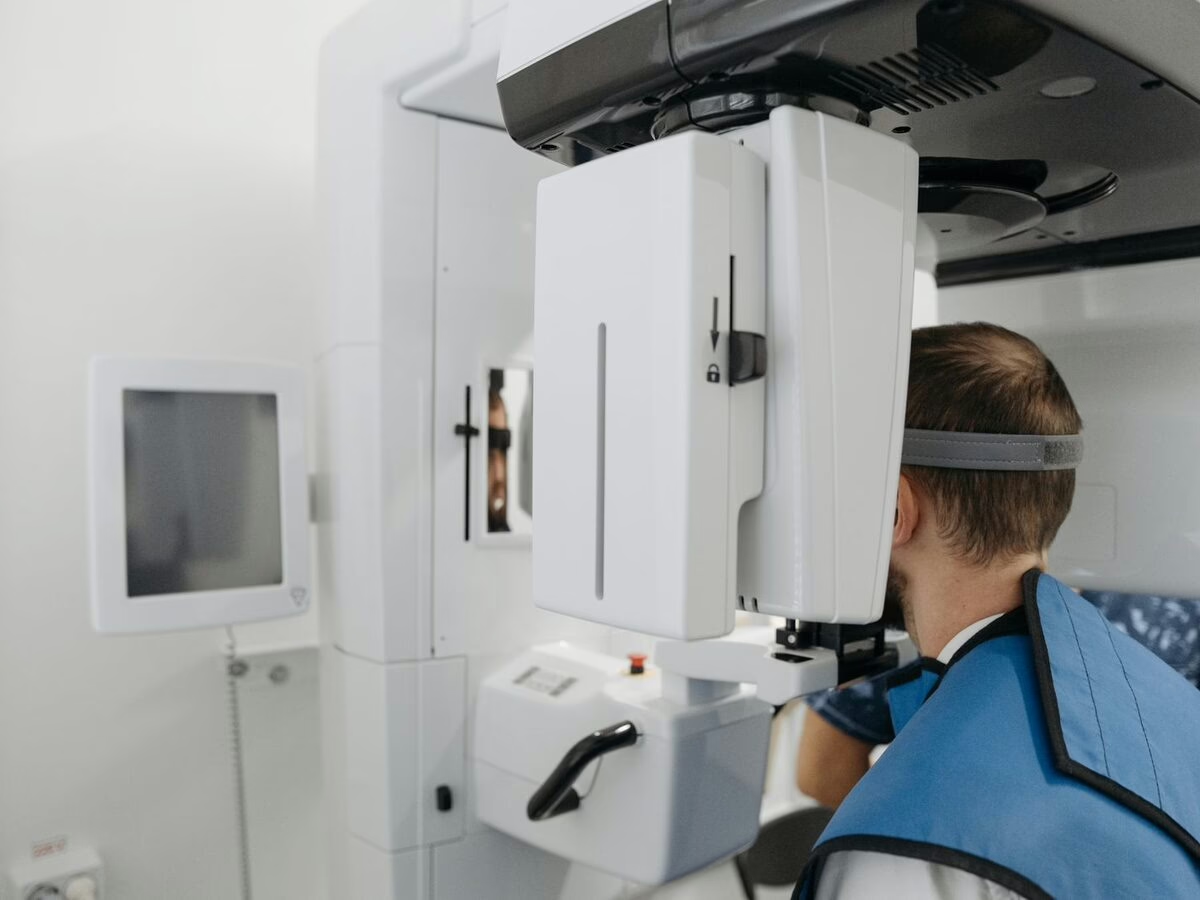
Fees vary based on your clinical needs. This includes a detailed breakdown of costs during your consultation, where we assess your anatomy to determine the exact requirements of your case.
The duration depends on the complexity of your surgery. We determine the specific timeframe for your procedure during your initial assessment.
We use local anaesthesia for patients who feel anxious. Our team focuses on managing your experience to reduce anxiety and physical discomfort throughout the appointment.
The longevity of your outcome depends on your individual health and aftercare. We discuss the expected lifespan of your results and the necessary maintenance during your planning appointment with your specialist periodontist.
We determine if this approach is right for you during an examination. Dr Sodeinde uses these appointments to evaluate your anatomy and explain what happens at your oral surgery consultation and how to book. This means the digital plan matches your specific needs.
Our team provides a range of oral surgery in London to restore your health. We can discuss the timing and suitability of your procedure during your visit.
You will receive a written plan and itemised quote during your assessment with Dr Sodeinde. This plan is yours to keep and use at any other practice. Arrange your assessment with your specialist periodontist.
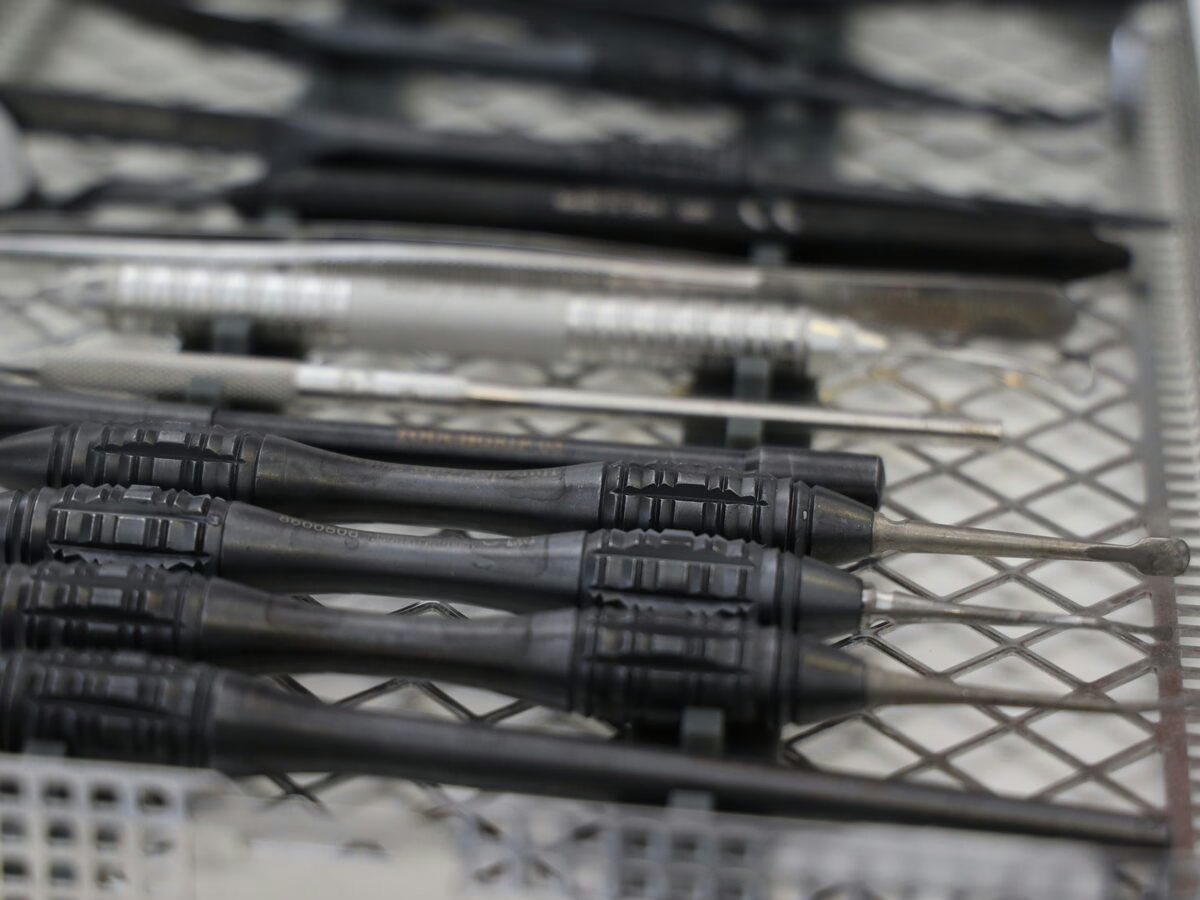
Real, verified Google reviews from patients of London Dental Specialists.
Your details are used to arrange your appointment and for nothing else.
111 Regent's Park Road, Primrose Hill, London NW1 8UR
Use our contact page if you would rather ask something than book.
