Family Friendly & Specialty Dentists in London, UK
Dental injuries treatment covers the repair of teeth, gums, and surrounding bone after an accident. We assess the damage to plan the right treatment path. A consultation with Dr Ope Sodeinde defines the exact timeline for your recovery.
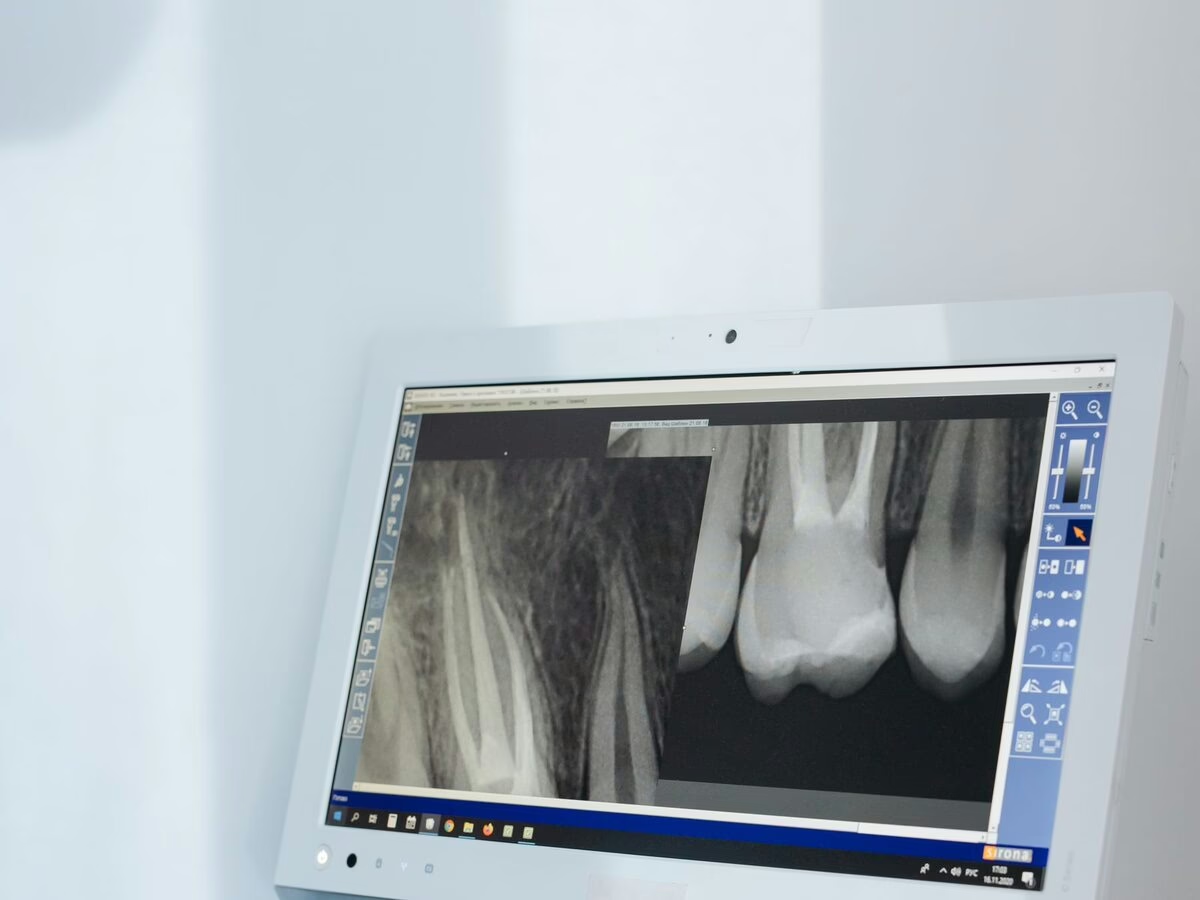
Dealing with a dental injury is often stressful. You may be facing pain or crowding from shifted molars, or the frustration of missing teeth that affect how you speak and eat. We provide oral surgery in London to resolve these issues, from simple tooth extractions to complex surgical extractions. If you have lost teeth, we use fixed tooth replacement to maintain proper alignment and prevent bone loss. Our team follows strict infection prevention protocols throughout every procedure.
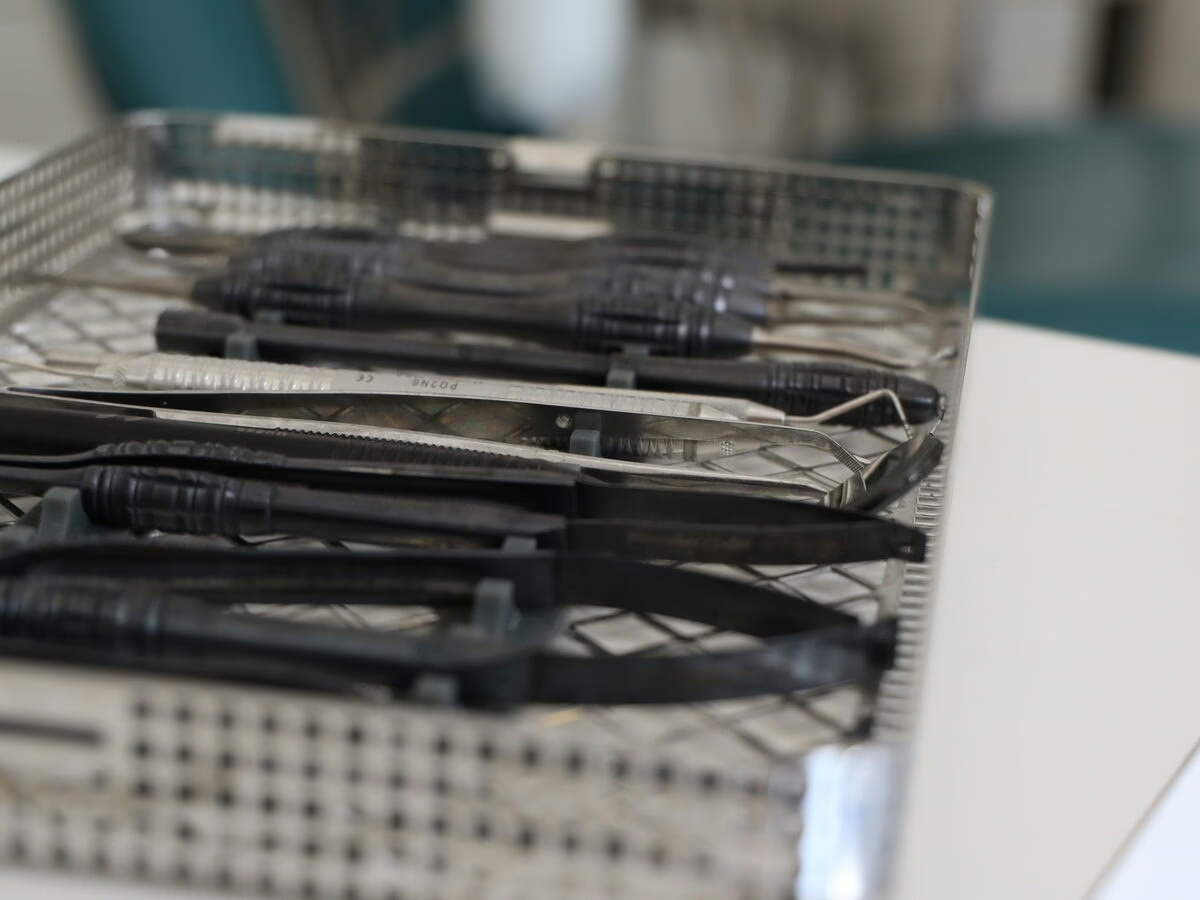
Choosing the wrong treatment for a dental injury can lead to permanent complications. We avoid this by using specialist-led planning so the diagnosis is accurate before any work begins. This diagnosis-first approach prevents unnecessary procedures and means you do not pay for treatment you do not need.
Our team provides precise interventions for complex cases. We offer scar revision to improve aesthetics and soft tissue injuries repair for damaged gums or cheeks. For deeper trauma, we provide nerve repositioning and use computer guided surgery to increase accuracy. Dr Sodeinde oversees these plans for clinical precision.
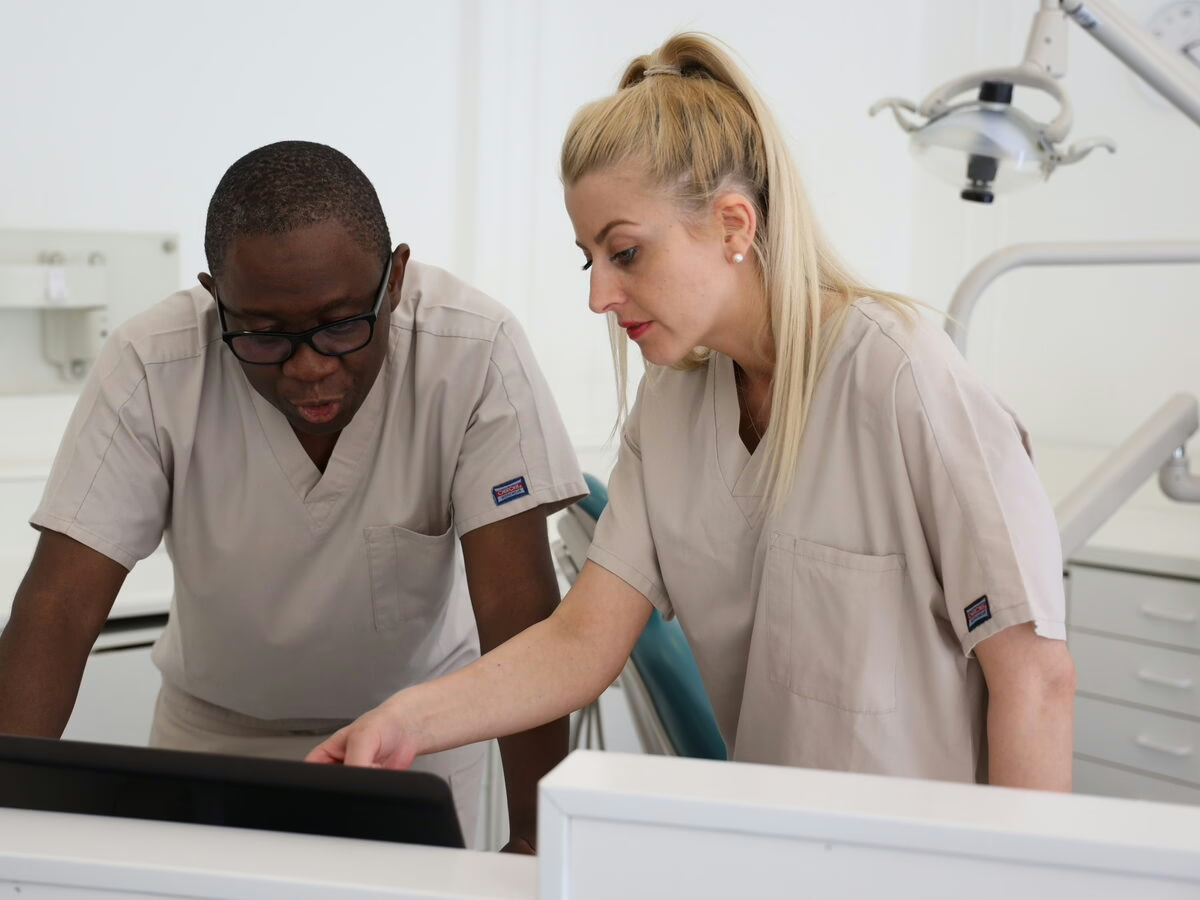
Leave your number and we will call you back. Nothing is booked until you say so.
Dental accidents often leave you feeling anxious or unhappy. We provide a neutral, supportive environment where the only priority is your recovery. Whether you are dealing with nerve damage, a serious diagnosis, or a fractured tooth, we focus on the clinical solution. We help you understand oral surgery procedures fit your specific injury. The specialist periodontist assesses each case to determine the most effective path forward. Your clinical assessment identifies the exact nature of the damage and the necessary steps to resolve it.
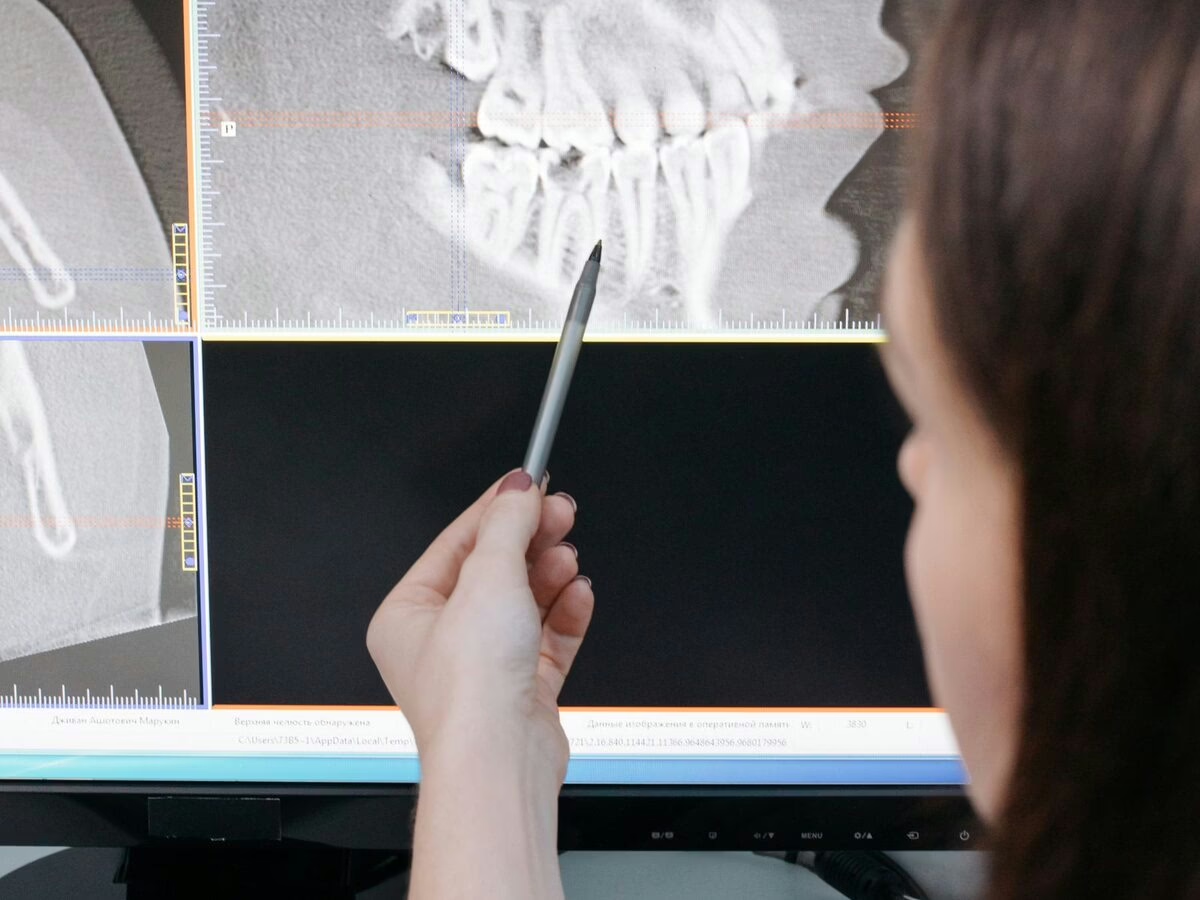
We begin by assessing the extent of the damage to your teeth and supporting bone. This first visit determines the most effective way to stabilise the area. We use this clinical review to identify if you require immediate intervention or a phased plan to restore function.
Every case of trauma is different. We map out the necessary steps to save the natural tooth or replace it if the damage is too severe. This stage means you understand the timeline and the specific procedures required to resolve the injury.
We carry out the necessary clinical work to clear infection or remove non-viable fragments. In some cases, this involves surgical extractions to prepare the site for future restoration. We use local anaesthesia for patients who feel anxious.
Recovery times vary based on the severity of the trauma. We monitor the site to check the tissues are healing correctly and that no complications arise. This period of observation is critical before we move toward the final restoration.
Once the area is stable, we complete the restoration. Whether this involves a crown or a bridge, the goal is to return your bite to its natural strength. We check the fit and function so the result is durable.
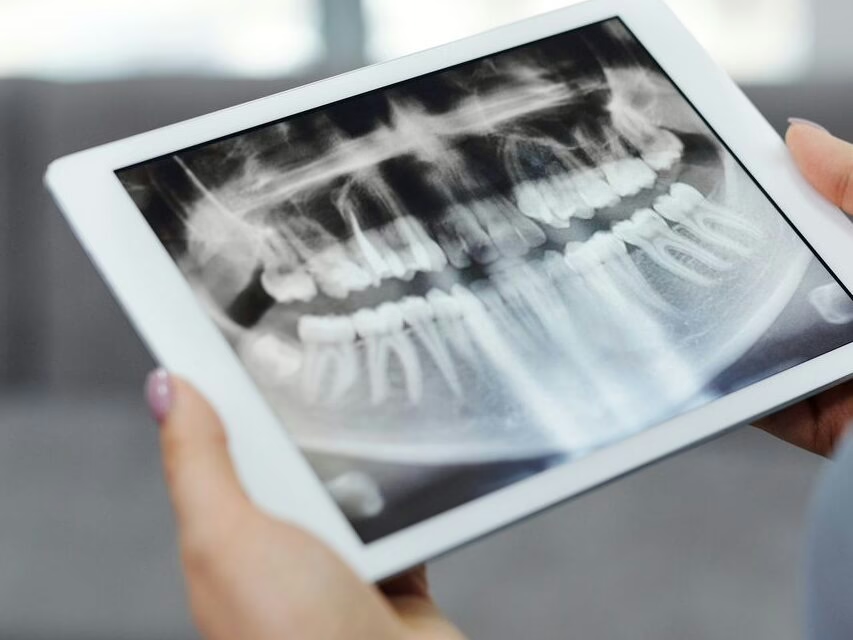
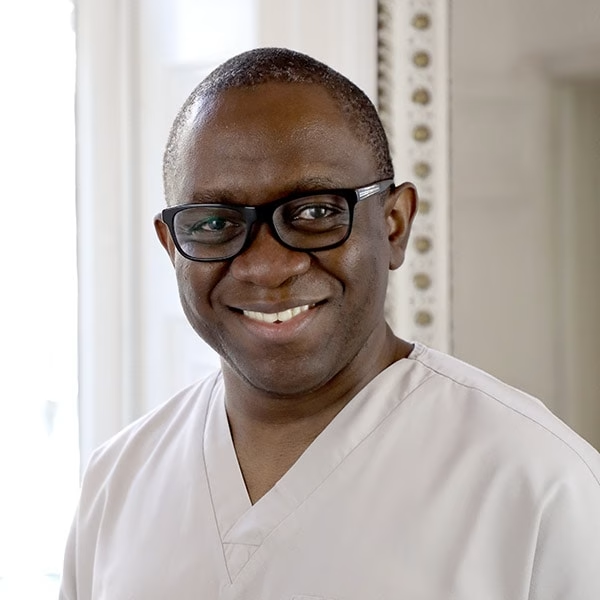
We use 3D imaging technology to plan surgeries and check the precise placement of implants. Our clinical lead, Dr Ope Sodeinde, GDC-registered specialist periodontist (GDC No. 104071), oversees a team that provides surgical extractions, simple and multiple teeth extractions, and wisdom teeth removal at our Primrose Hill practice.
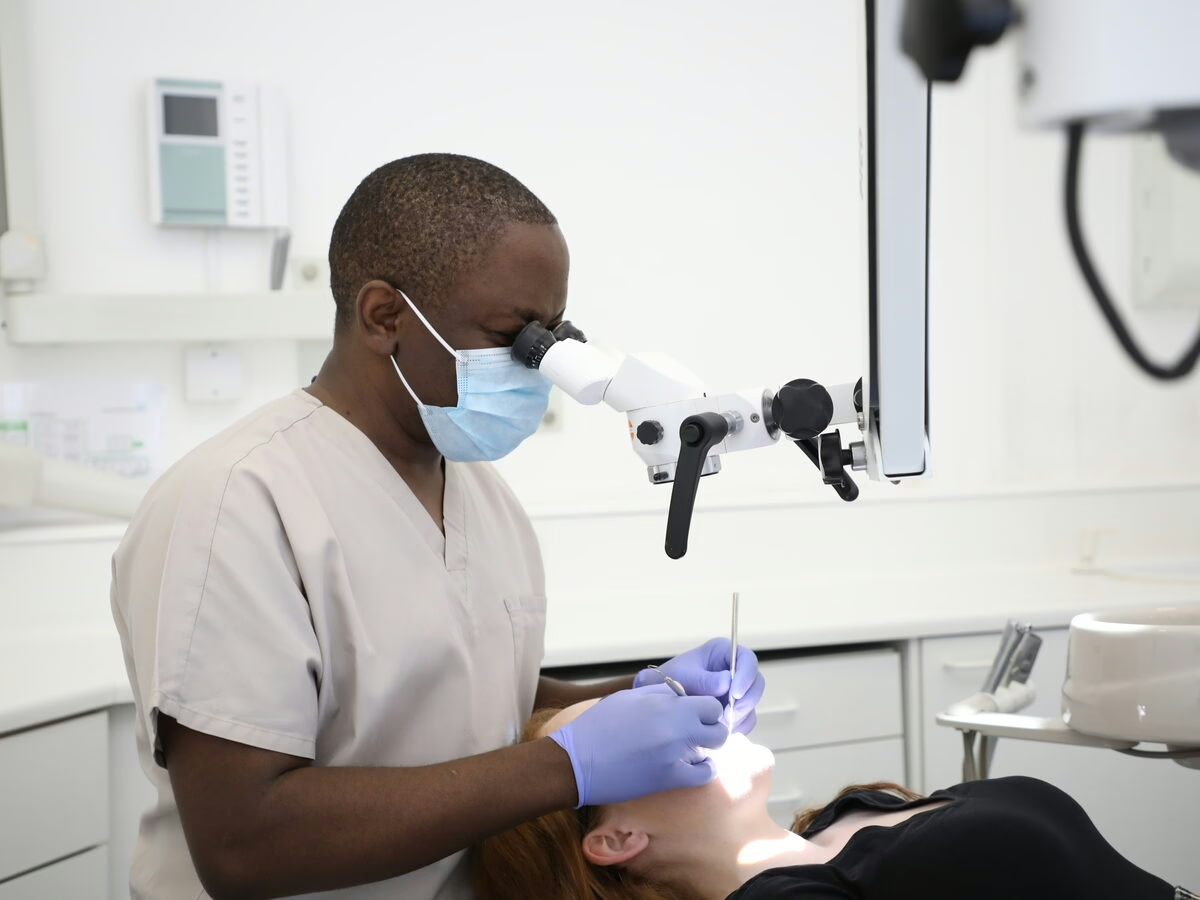
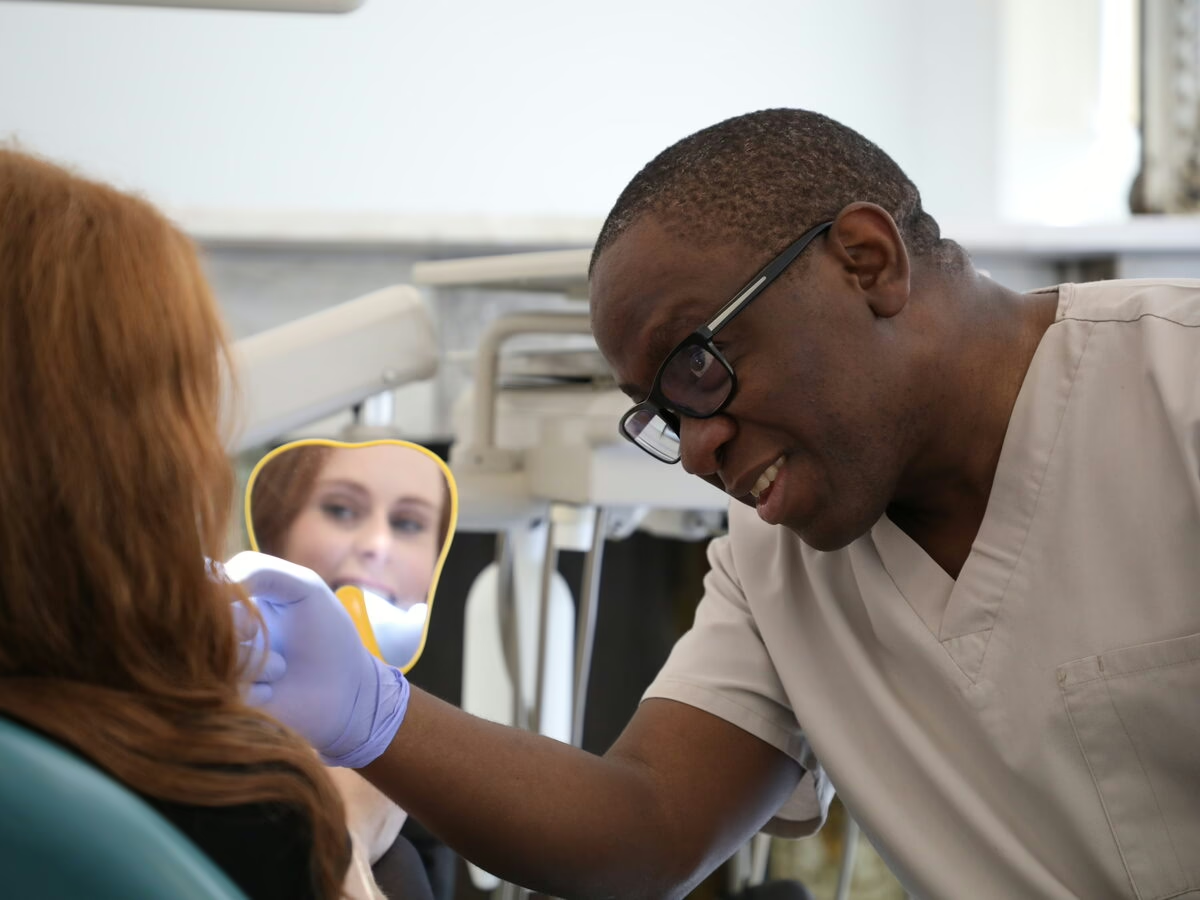
Costs vary based on how advanced the injury. You get a full breakdown of fees during your initial assessment at the practice in Primrose Hill.
The timeframe depends on the specific damage to your teeth and gums. We determine the exact schedule after a clinical examination.
We use local anaesthetic for patients who feel anxious. Our team focuses on managing anxiety to reduce the stress of the visit.
The longevity of the repair depends on the treatment used and your oral health. We explain the expected lifespan of each option during your consultation.
Every injury is different. We determine the best way to restore your teeth during a clinical examination. You can learn what happens at your oral surgery consultation and how to book to get a specific plan from Dr Sodeinde. This includes a range of oral surgery in London to address various types of damage.
We assess the extent of your injury during a consultation to determine the most effective path to recovery. This clinical review identifies whether you require soft tissue injuries repair or more complex interventions like nerve repositioning. We can also integrate computer guided surgery to increase precision during the procedure. For those requiring aesthetic correction after a trauma, we provide scar revision.
You will receive a written plan and itemised quote that is yours to keep and use at any other practice. Arrange your assessment with your specialist periodontist to determine the best path for your recovery.
Real, verified Google reviews from patients of London Dental Specialists.
Your details are used to arrange your appointment and for nothing else.
111 Regent's Park Road, Primrose Hill, London NW1 8UR
Use our contact page if you would rather ask something than book.
