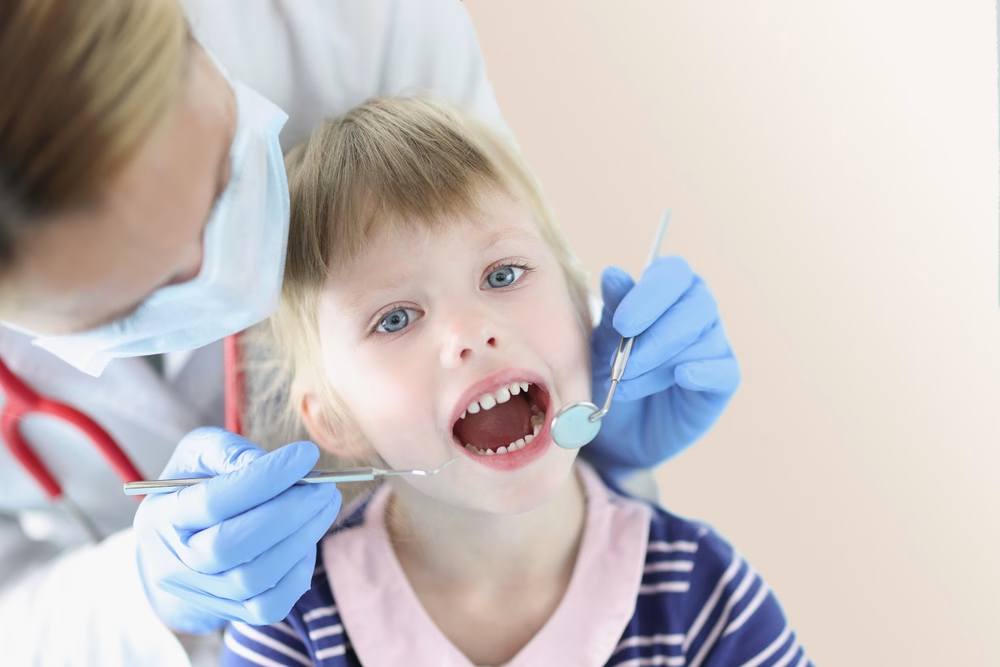
At London Dental Specialists, we understand that good oral health starts early. Parents often have questions about how to care for their children's teeth from infancy through adolescence. Proper dental habits not only prevent cavities but support overall wellbeing, making it easier for children to eat, speak and smile confidently. Our team provides guidance on age-appropriate techniques—from gum cleaning for infants to teaching older children proper brushing and flossing. We'll help you navigate common concerns like teething discomfort, fluoride use, and when to start regular dental visits. Below are answers to questions we frequently hear from parents committed to establishing healthy dental routines for their children.
How important is oral health for my child's overall wellbeing?
Oral health is crucial for your child's overall wellbeing. Poor dental health can significantly impact their ability to eat nutritious foods, speak clearly, and socialise confidently. At London Dental Specialists, we emphasise that untreated dental issues can lead to pain, infections, and even affect school performance. Establishing good oral hygiene habits early creates a foundation for lifelong dental health, preventing serious complications and costly treatments in the future.
When should I start cleaning my baby's mouth?
You should start cleaning your baby's mouth even before their first tooth appears. Gently wipe your baby's gums with a clean, damp washcloth after feedings. Once the first tooth emerges (typically around 6 months), begin using a soft-bristled infant toothbrush with a tiny smear of fluoride toothpaste (about the size of a grain of rice). This early care prevents bacteria build-up and helps your baby become accustomed to the routine of oral hygiene.
How should I brush my child's teeth at different ages?
Proper brushing techniques vary by age:
- 0-3 years: Use a smear of fluoride toothpaste (rice grain size) and brush twice daily. Parents should do the brushing.
- 3-6 years: Use a pea-sized amount of fluoride toothpaste. Help and supervise brushing for 2 minutes twice daily, teaching proper technique.
- 6+ years: Continue with a pea-sized amount of toothpaste. Supervise until around age 8 or until they demonstrate proper technique. Introduce flossing when teeth touch.
- 10+ years: Children can usually brush independently, but parents should still monitor occasionally to ensure thoroughness.
When should my child have their first dental visit?
Your child should have their first dental visit at London Dental Specialists when their first tooth appears or no later than their first birthday. This early visit allows our specialists to check for proper development, discuss nutrition and oral hygiene practices, and establish a positive relationship with dental care. Early visits help prevent dental anxiety and allow us to identify any potential issues before they become serious problems.
How can I help my child through teething discomfort?
To help your child through teething discomfort, offer a clean, chilled (not frozen) teething ring or a cold wet washcloth to chew on. Gently massaging their gums with a clean finger can also provide relief. For severe discomfort, consult with our dentists at London Dental Specialists about appropriate pain relief options. Avoid teething gels with benzocaine for children under 2 years, as recommended by health authorities. Maintain regular cleaning of emerging teeth and gums during this period.
What foods and drinks should my child avoid for better oral health?
For better oral health, your child should avoid:
- Sugary drinks including fruit juices, fizzy drinks, and sweetened milk
- Sticky sweets like toffee, caramel, and chewy fruits
- Acidic foods and beverages that can erode enamel
- Frequent snacking between meals, especially on carbohydrate-rich foods
Instead, encourage water as the main drink, cheese and yogurt as tooth-friendly snacks, and limit sweet treats to mealtimes when saliva production is higher and can better neutralise acids.
How effective are dental sealants for children?
Dental sealants are highly effective in preventing cavities in children. These thin, protective coatings applied to the chewing surfaces of back teeth can reduce the risk of decay by up to 80% in the first two years after application. At London Dental Specialists, we recommend sealants soon after permanent molars emerge (around ages 6 and 12). Sealants are quick to apply, completely painless, and can last for several years with proper care, making them an excellent preventive measure for children's oral health.
How can I help my child overcome fear of dental visits?
To help your child overcome dental anxiety:
- Start dental visits early (by age 1) to normalise the experience
- Use positive language when discussing dental care, avoiding words like \"pain\" or \"hurt\"
- Read children's books about positive dental experiences
- Play \"dentist\" at home with stuffed animals to familiarise them with the concept
- Choose a child-friendly practice like London Dental Specialists where our team is trained to work with anxious children
- Remain calm yourself, as children often sense and mirror parental anxiety
- Praise your child after appointments to reinforce positive associations
What should I do if my child has a dental emergency?
In case of a dental emergency, contact London Dental Specialists immediately on our emergency line. For a knocked-out permanent tooth, handle it by the crown (not the root), rinse gently without scrubbing, and try to reinsert it or keep it in milk until you reach our office. For broken teeth, rinse with warm water and apply cold compresses for swelling. For toothaches, rinse with warm saltwater and use dental floss to remove any trapped food. Never place aspirin directly on gums or teeth. Prompt professional attention is crucial for dental emergencies to prevent complications and save teeth.
Can’t find the answer to your Oral Health Education for Children and Parents questions here? Always feel welcome to
contact us with your Oral Health Education for Children and Parents questions and concerns.