Family Friendly & Specialty Dentists in London, UK

Desensitisation Treatment at London Dental Specialists: Our Dental Clinic in London, England, United Kingdom offers advanced solutions for patients experiencing tooth sensitivity and discomfort. Our specialised treatment helps reduce and eliminate sensitivity to hot, cold, sweet, and acidic stimuli, allowing you to enjoy your favourite foods and beverages without worry.Using state-of-the-art techniques and professional-grade desensitising agents, our experienced dental team targets the root cause of dental sensitivity by sealing exposed dentinal tubules and strengthening tooth enamel. This gentle, non-invasive treatment is particularly effective for patients experiencing sensitivity due to receding gums, worn enamel, or following dental procedures.The treatment process begins with a thorough assessment of your specific sensitivity triggers and oral health condition. Our dentists then apply targeted desensitising agents that penetrate deep into the tooth structure, providing both immediate relief and long-lasting protection. Regular maintenance treatments can help ensure continued comfort and protection against future sensitivity development.For patients with severe or persistent tooth sensitivity, we create personalised treatment plans that may combine desensitisation therapy with other preventive measures and oral health recommendations. Our commitment is to help you achieve optimal dental comfort whilst maintaining the health and integrity of your natural teeth.
At London Dental Specialists, our Desensitisation Treatment process follows a comprehensive, patient-centred approach designed to address tooth sensitivity effectively. Our experienced dental team begins with a thorough consultation to understand your specific sensitivity triggers and symptoms, followed by creating a personalised treatment plan tailored to your needs. The treatment involves applying specialised desensitising agents that help block the transmission of pain signals from exposed dentine to the nerve endings. Following the procedure, we provide detailed aftercare guidance to maintain the treatment's effectiveness and prevent future sensitivity issues, ensuring long-lasting comfort for your teeth during daily activities such as eating, drinking, and maintaining oral hygiene.
The initial consultation for dental desensitisation treatment at London Dental Specialists begins with a comprehensive assessment of your tooth sensitivity. Our specialist dentists will carefully evaluate the specific triggers and severity of your dental discomfort to create a personalised treatment plan.
During your first visit, we conduct a thorough examination that includes:
Our specialists will discuss your specific sensitivity concerns and how they affect your daily life. Common triggers we assess include:
Following the assessment, we will explain our findings and create a customised treatment plan. This includes:
The consultation concludes with a clear treatment timeline and all the information you need to make an informed decision about proceeding with desensitisation treatment.

Desensitisation treatment at London Dental Specialists begins with a comprehensive evaluation of your dental sensitivity. Our expert dental team develops a personalised treatment plan tailored to address your specific tooth sensitivity concerns and symptoms.
During your consultation, we will carefully assess the following factors:
Based on our thorough assessment, we create a customised treatment plan that may include:
Our desensitisation treatment plans are progressive, meaning we start with the most conservative approaches and adjust based on your response to treatment. Each plan is monitored and modified as needed to ensure optimal results for your dental comfort.
We also provide detailed guidance on:
Your comfort is our priority, and we ensure each step of the treatment plan is explained thoroughly, allowing you to make informed decisions about your dental care.

Desensitisation treatment at London Dental Specialists offers a comprehensive solution for patients experiencing tooth sensitivity. This therapeutic approach specifically targets and treats hypersensitive areas of your teeth, helping to alleviate discomfort and restore normal dental function.
The treatment begins with a thorough examination to identify the precise areas of sensitivity. Our dental specialists use advanced diagnostic techniques to determine the underlying causes, which may include worn enamel, exposed dentine, or receding gums. This careful assessment ensures we deliver the most effective treatment for your specific condition.
During the procedure, we apply specially formulated desensitising agents that work by:
The treatment process typically involves:
Most patients experience immediate relief following treatment, though some may require multiple sessions for optimal results. We provide comprehensive aftercare guidance, including recommendations for appropriate oral hygiene products and techniques to maintain the treatment's effectiveness.
For lasting results, we recommend:
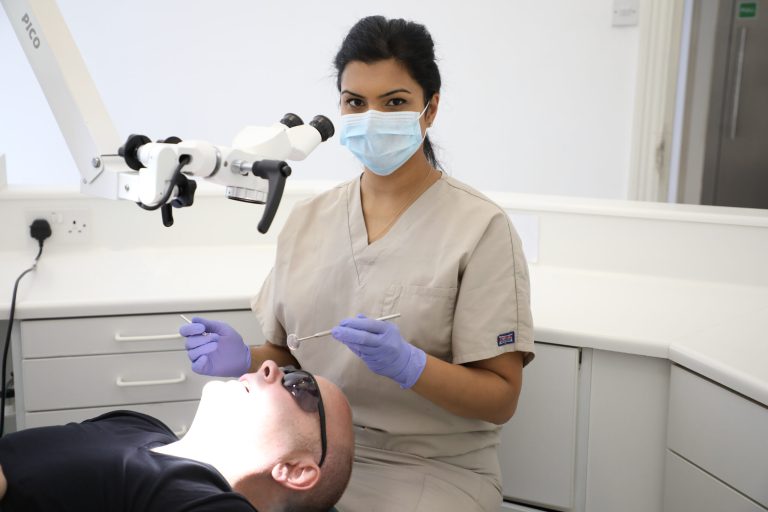
Post-treatment care for dental desensitization is crucial for maintaining long-term comfort and effectiveness of the treatment. Following your desensitization procedure at London Dental Specialists, proper maintenance will help ensure lasting relief from tooth sensitivity.
Your immediate aftercare should focus on these key aspects:
Long-term care recommendations include:
Should you experience any concerns or renewed sensitivity, our specialist team is available to provide support and guidance. We offer a comprehensive aftercare service to ensure your comfort and satisfaction with the treatment results.
Important reminders:
For endodontic treatments and dental implants, we provide a 10-year warranty, giving you peace of mind about your dental investment.
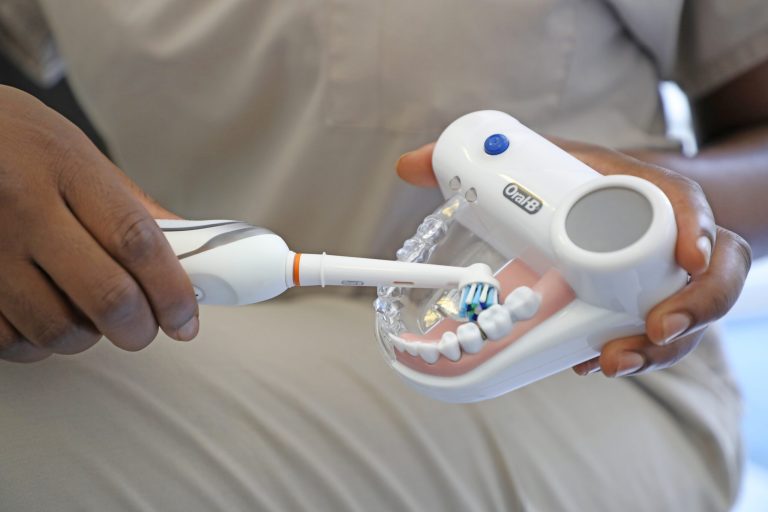



Dental desensitisation treatment is a therapeutic procedure that helps reduce tooth sensitivity by treating exposed dentine and nerve endings in teeth that cause pain when exposed to hot, cold, sweet or acidic stimuli. The treatment works by either sealing the microscopic tubules in the dentine or by using special compounds that block pain signals from reaching the tooth's nerve endings.
The procedure typically involves the application of professional-grade desensitising agents such as fluoride varnishes, bonding agents, or bioactive glass compounds directly to the sensitive areas of your teeth. These materials create a protective barrier that shields the exposed dentine and helps rebuild the tooth's natural protective layer over time.
Treatment options available at London Dental Specialists include:
Post-treatment care tips:
Treatment duration typically ranges from 15-30 minutes, with effects lasting several months to a year, depending on the method used and individual oral care habits.
Dental desensitisation treatment typically lasts between 6-12 months, with many patients experiencing significant relief from tooth sensitivity within the first few weeks of treatment. The results can vary depending on the severity of sensitivity and the specific treatment method used, but most patients report long-lasting relief that can extend several years with proper maintenance.
The treatment works by gradually strengthening the tooth's protective layers and reducing nerve sensitivity through various methods, including fluoride varnishes, bonding agents, or prescription-strength desensitising products. Patients can expect a noticeable reduction in pain when consuming hot, cold, sweet, or acidic foods and beverages.
For optimal long-term results, patients should:
Treatment variations include:
Tooth sensitivity requiring desensitisation treatment commonly occurs due to exposed dentine, which happens when protective tooth enamel wears away or gum tissue recedes. The most frequent causes include aggressive tooth brushing, gum disease, cracked teeth, and teeth grinding (bruxism), which all expose the sensitive inner layers of teeth to external stimuli.
When these sensitive areas come into contact with hot, cold, sweet, or acidic substances, they can trigger sharp, temporary pain signals through the tooth's nerve endings. This sensitivity can significantly impact daily activities like eating, drinking, and even breathing in cold air.
| Trigger | Common Symptoms |
|---|---|
| Temperature changes | Sharp, sudden pain with hot or cold foods/drinks |
| Sweet foods | Lingering discomfort after consumption |
| Acidic items | Immediate sensitivity when consuming |
For professional desensitisation treatment in London, our specialists apply advanced techniques including fluoride varnishes, bonding agents, and protective sealants. We offer comprehensive support and follow-up care to ensure long-lasting relief from tooth sensitivity.
Desensitization treatment at London Dental Specialists is generally not painful or uncomfortable, as the procedure is specifically designed to reduce sensitivity and discomfort. The treatment involves applying specialised desensitizing agents to the affected teeth, which work by blocking the transmission of pain signals from exposed dentine to the nerve endings.
During the procedure, patients typically experience a mild cooling or tingling sensation as the desensitizing agents are applied. The treatment is non-invasive and requires no drilling or anaesthesia, making it a comfortable option for those with sensitive teeth.
Post-treatment care tips:
For optimal long-term results, our specialists may recommend:
Should you experience any concerns post-treatment, our team provides comprehensive support and guidance throughout your care journey.
Maintaining the effectiveness of dental desensitisation treatment at home requires consistent daily care and attention to protective measures. Patients should continue using sensitivity-specific toothpaste twice daily, applying it directly to sensitive areas and leaving it on for several minutes before rinsing. This helps reinforce the protective barrier created during professional treatment.
Following desensitisation treatment, patients can maximise long-term results by avoiding acidic foods and drinks for at least 24 hours and then limiting their consumption thereafter. Using a soft-bristled toothbrush with gentle circular motions helps prevent further wear on sensitive areas whilst maintaining good oral hygiene.
| Do's | Don'ts |
|---|---|
| Use desensitising toothpaste daily | Brush aggressively or use hard bristles |
| Drink water after acidic beverages | Use whitening products without dental advice |
| Contact London Dental Specialists if sensitivity returns | Ignore recurring sensitivity symptoms |
Dental desensitization treatment is a therapeutic approach designed to reduce tooth sensitivity, particularly to hot, cold, sweet, or acidic stimuli. This treatment involves applying specialised agents to exposed dentine or sensitive areas of the teeth to block the transmission of pain signals to the nerve endings, providing lasting relief from dental hypersensitivity.
At London Dental Specialists, our desensitization treatments typically involve the application of professional-grade desensitizing agents containing compounds like potassium nitrate or fluoride varnishes that help seal exposed dentinal tubules. The procedure is painless and can provide immediate relief in most cases.
For ongoing support and care, our specialists are available to address any concerns following treatment. We provide a 10-year warranty on our dental implants and endodontic procedures, ensuring long-term peace of mind for our patients.
Desensitisation treatments for sensitive teeth encompass various professional and at-home methods designed to reduce tooth sensitivity. The main types include in-office fluoride applications, dental sealants, and bonding agents that shield exposed dentine, alongside specialised desensitising toothpastes containing potassium nitrate or strontium acetate.
Professional desensitisation treatments typically begin with a thorough examination to identify the root cause of sensitivity, whether it's exposed dentine, receding gums, or worn enamel. Treatment options are then tailored to address these specific concerns, ranging from immediate relief solutions to long-term protective measures.
For ongoing support and optimal results, regular follow-up appointments are recommended to monitor the effectiveness of the treatment. Our 10-year warranty on dental implants and endodontics provides additional peace of mind for qualifying procedures.
Dental desensitization treatment is a therapeutic approach designed to reduce tooth sensitivity, particularly to hot, cold, sweet, or acidic stimuli. This treatment works by either blocking the transmission of pain signals from the tooth to the nerve endings or by creating a protective barrier over exposed dentine, providing immediate and long-lasting relief from dental hypersensitivity.
At London Dental Specialists, our desensitization treatments typically involve the application of specialised agents such as fluoride varnishes, bonding agents, or other professional-grade desensitizing materials directly to the affected teeth. The procedure is painless and can be completed during a routine dental visit.
Post-treatment care recommendations:
For ongoing support and our exclusive 10-year warranty on dental implants and endodontics, contact London Dental Specialists to discuss your specific needs and treatment options.
During your initial consultation for dental desensitisation treatment at London Dental Specialists, our experienced dentists will conduct a comprehensive examination of your teeth and discuss your specific sensitivity concerns. The consultation typically involves identifying trigger points, assessing the severity of your tooth sensitivity, and determining whether the sensitivity is caused by exposed dentine, receding gums, or other dental conditions.
Your dentist will create a personalised treatment plan after reviewing your dental history and performing necessary diagnostic tests, which may include X-rays or thermal sensitivity assessments. They will explain the various desensitisation options available, ranging from in-office treatments to at-home care recommendations.
For post-treatment care guidance or to schedule your consultation, contact London Dental Specialists for professional support and our comprehensive approach to dental sensitivity management.
London Dental Specialists offers various flexible payment arrangements for dental desensitisation treatment, which can be discussed during your initial consultation. For detailed payment plans and financing options tailored to your specific treatment needs, we encourage you to contact our treatment coordinators who can provide comprehensive information about available payment solutions.
The cost of dental desensitisation treatment in London varies depending on the severity of tooth sensitivity and the specific treatment approach required. Factors that influence the overall cost include the number of teeth requiring treatment, the type of desensitising agents used, and whether additional procedures are necessary.
For post-treatment care and support, patients receive detailed aftercare instructions and can contact our clinic with any concerns. Our 10-year warranty on dental implants and endodontics provides additional peace of mind for qualifying treatments.
Tooth desensitisation treatment at London Dental Specialists typically costs between £150-£500 per session, depending on the severity of sensitivity and treatment method required. The exact cost varies based on whether you need in-office professional treatments like fluoride varnish application (£150-£250) or more comprehensive treatments such as bonding agents and protective coatings (£300-£500).
Treatment plans are customised for each patient after a thorough examination to determine the root cause of sensitivity. Most patients require 1-3 sessions for optimal results, though some may need ongoing maintenance treatments.
For post-treatment care, patients should avoid acidic foods and beverages for 24 hours after treatment, use a soft-bristled toothbrush, and maintain good oral hygiene practices. Our specialists provide comprehensive aftercare instructions and are available for support should any sensitivity persist.
