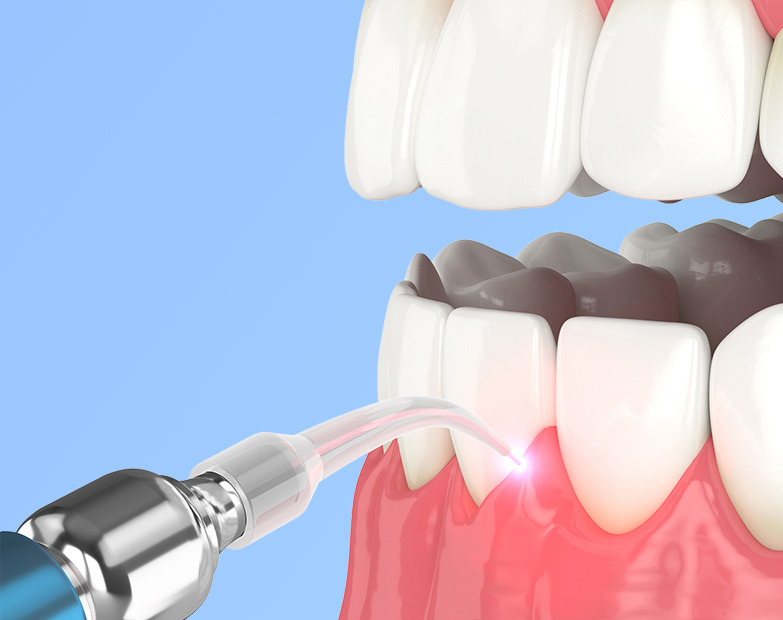
Sensitive teeth can disrupt daily life, making simple pleasures like enjoying ice cream or hot coffee painful experiences. At London Dental Specialists, we understand the discomfort and anxiety dental sensitivity causes. Our desensitisation treatment targets the root causes of tooth sensitivity, gradually reducing nerve responses to temperature, pressure and acidic foods. Using proven techniques, our specialists apply targeted treatments that strengthen enamel, seal exposed dentine tubules, and retrain nerve responses. Many patients notice improvement after just one session, though complete relief may require multiple treatments. We've helped countless Londoners rediscover comfort in eating, drinking and even breathing cold air without wincing pain. Below are common questions our patients ask about this effective, non-invasive treatment option.
What is dental desensitisation treatment?
Dental desensitisation treatment is a therapeutic approach offered by London Dental Specialists to reduce tooth sensitivity. It involves applying specialised agents to affected teeth that block the transmission of sensations from the tooth surface to the nerve, providing relief from pain triggered by hot, cold, sweet, or acidic stimuli. The treatment gradually builds up protection for sensitive teeth, allowing patients to enjoy food and drinks without discomfort.
What causes tooth sensitivity?
Tooth sensitivity typically occurs when the protective enamel layer becomes thin or when gums recede, exposing the underlying dentine. Common causes include:
- Aggressive tooth brushing
- Gum disease or recession
- Tooth grinding (bruxism)
- Acidic foods and beverages
- Recent dental procedures
- Cracked teeth or worn fillings
- Tooth decay
How is dental desensitisation performed at London Dental Specialists?
At London Dental Specialists, dental desensitisation is performed through several approaches depending on the severity and cause of sensitivity. Treatment may include in-office application of desensitising agents such as fluoride varnish, bonding agents, or prescription-strength desensitising pastes. For more severe cases, we might recommend dental sealants, fillings, gum grafts, or root canal treatment. Each treatment plan is personalised following a comprehensive assessment of your specific condition.
Is dental desensitisation treatment painful?
Dental desensitisation treatment at London Dental Specialists is typically painless. In fact, the purpose of the treatment is to alleviate pain rather than cause it. Patients might experience a mild sensation during application of desensitising agents, but this is momentary. Our specialists take great care to ensure your comfort throughout the procedure, and most patients report immediate relief following treatment.
How long does dental desensitisation treatment take?
The duration of dental desensitisation treatment varies depending on the severity of sensitivity and the chosen treatment method. Simple in-office procedures typically take 30-60 minutes. Some patients experience relief after a single session, while others with more severe sensitivity may require multiple appointments spaced over several weeks. Your dentist at London Dental Specialists will provide a personalised timeline during your consultation.
How long do the results of dental desensitisation last?
With proper oral hygiene and regular dental check-ups, the results of dental desensitisation can last for several months to years. Professional treatments generally provide longer-lasting relief compared to over-the-counter products. To maintain results, London Dental Specialists recommends biannual check-ups, using a soft-bristled toothbrush, desensitising toothpaste, and avoiding highly acidic foods and beverages that can erode enamel.
Is dental desensitisation suitable for everyone?
Dental desensitisation is suitable for most patients experiencing tooth sensitivity, but the specific approach depends on individual circumstances. During your consultation at London Dental Specialists, our dentists will assess your oral health, identify the cause of sensitivity, and determine the most appropriate treatment. Patients with certain dental conditions may require addressing underlying issues before desensitisation treatment can be effective.
What aftercare is required following dental desensitisation?
After dental desensitisation treatment at London Dental Specialists, patients should:
- Use a soft-bristled toothbrush and gentle brushing technique
- Continue using prescribed or recommended desensitising toothpaste
- Avoid extremely hot, cold, or acidic foods and beverages for 48 hours
- Maintain regular dental check-ups
- Consider using a nightguard if tooth grinding is contributing to sensitivity
- Follow any additional personalised aftercare instructions provided by your dentist
Can I prevent tooth sensitivity from recurring?
Yes, you can take several measures to prevent tooth sensitivity from recurring. London Dental Specialists recommends maintaining excellent oral hygiene, using desensitising toothpaste daily, avoiding aggressive brushing, limiting acidic foods and drinks, wearing a mouthguard if you grind your teeth, and attending regular dental check-ups every six months. Early intervention for dental issues like decay or gum disease also helps prevent sensitivity from developing or worsening.
Can’t find the answer to your Desensitization Treatment questions here? Always feel welcome to
contact us with your Desensitization Treatment questions and concerns.