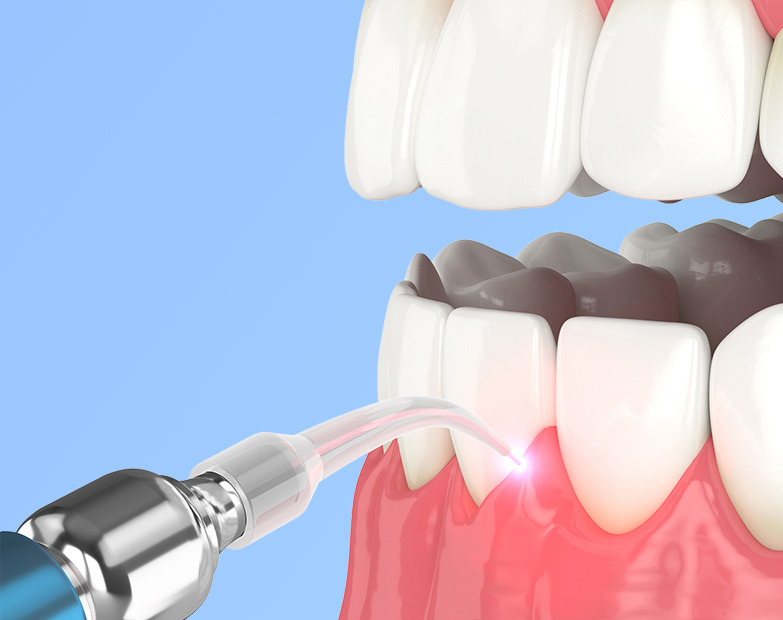
Peri-implantitis is a serious condition affecting dental implants, similar to gum disease around natural teeth. At London Dental Specialists, we understand your concerns about implant health and longevity. Our specialists offer comprehensive treatment options ranging from non-surgical approaches like professional cleaning and antimicrobial therapy to advanced surgical interventions including debridement, bone recontouring, and regenerative procedures. Early intervention is crucial, as peri-implantitis won't resolve without proper treatment. While home care plays an important role in prevention and maintenance, professional assessment and treatment are essential for addressing active infection and preserving your dental implants. Below are answers to common questions about peri-implantitis treatment.
What is peri-implantitis and how does it affect dental implants?
Peri-implantitis is an inflammatory condition affecting the soft and hard tissues surrounding dental implants. It's characterised by inflammation of the gum tissue and progressive loss of supporting bone around a functioning implant. If left untreated, peri-implantitis can lead to implant mobility and eventual failure. The condition is similar to periodontitis (gum disease) but occurs specifically around dental implants rather than natural teeth.
What are the common signs and symptoms of peri-implantitis?
Common signs and symptoms of peri-implantitis include:
- Red, swollen gums around the implant
- Bleeding when brushing or flossing
- Receding gum line around the implant
- Deepening pockets between the gum and implant
- Pus discharge from the implant site
- Discomfort or pain around the implant
- Visible threads of the implant due to bone loss
- Implant mobility in advanced cases
What causes peri-implantitis?
Peri-implantitis is primarily caused by bacterial infection similar to gum disease. The main contributing factors include poor oral hygiene, smoking, uncontrolled diabetes, previous history of periodontal disease, and genetic susceptibility. Other risk factors include poor implant placement, excessive bite forces on the implant, and residual cement from the crown attachment process. Regular maintenance and proper oral hygiene are essential for preventing this condition.
How does London Dental Specialists diagnose peri-implantitis?
At London Dental Specialists, we diagnose peri-implantitis through a comprehensive examination that includes clinical assessment and radiographic evaluation. Our specialists measure pocket depths around the implant, check for bleeding on probing, assess implant mobility, and take detailed X-rays to evaluate bone loss. We may also conduct microbiological testing in some cases to identify specific bacteria causing the infection. Early diagnosis is crucial for successful treatment outcomes.
What non-surgical treatments for peri-implantitis does London Dental Specialists offer?
For early to moderate cases of peri-implantitis, London Dental Specialists offers several non-surgical treatment options including professional mechanical cleaning using specialised instruments, local antimicrobial therapy with chlorhexidine application, laser decontamination of the implant surface, and antibiotic therapy when necessary. We also provide detailed oral hygiene instructions and recommend antimicrobial mouthwashes to support home care. Regular follow-up appointments are scheduled to monitor healing and response to treatment.
What surgical treatments are available for advanced peri-implantitis?
For advanced peri-implantitis cases, London Dental Specialists offers surgical interventions including access flap surgery with thorough debridement of the implant surface, resective surgery to recontour bone and reduce pocket depths, and regenerative procedures using bone grafts with or without membranes to rebuild lost bone. In some cases, we may use growth factors or plasma rich in platelets to enhance healing. Our specialists select the most appropriate surgical approach based on the extent of bone loss and individual patient factors.
Can peri-implantitis be completely cured?
While peri-implantitis cannot be completely \"cured\" in the traditional sense, it can be effectively managed and its progression halted with proper treatment. With early intervention and appropriate therapy at London Dental Specialists, the inflammation can be resolved, and in some cases, lost bone can be partially regenerated. However, ongoing maintenance and vigilant oral hygiene are essential to prevent recurrence. The condition will not resolve on its own and requires professional treatment.
How can I prevent peri-implantitis after getting dental implants?
To prevent peri-implantitis after receiving dental implants, follow these essential steps:
- Maintain excellent oral hygiene with twice-daily brushing using a soft toothbrush
- Use interdental brushes or floss designed specifically for implants
- Rinse with an antimicrobial mouthwash as recommended
- Attend regular maintenance appointments at London Dental Specialists
- Stop smoking or using tobacco products
- Manage any systemic conditions like diabetes
- Wear a night guard if you grind your teeth
- Report any concerns or changes around your implant promptly
How long does peri-implantitis treatment take to show results?
The timeline for seeing results from peri-implantitis treatment varies depending on the severity of the condition and the type of treatment provided. With non-surgical therapy, improvements in gum inflammation and bleeding can be observed within 2-4 weeks. Surgical treatments typically show significant improvements in tissue health within 1-3 months, while bone regeneration, when possible, may take 6-12 months to achieve substantial results. With proper maintenance and follow-up care, successful treatment outcomes can be maintained long-term.
What makes London Dental Specialists' approach to peri-implantitis treatment unique?
London Dental Specialists offers a comprehensive approach to peri-implantitis treatment that combines advanced diagnostic technology, specialised surgical expertise, and personalised maintenance protocols. Our team includes periodontists and implantologists with specific training in managing implant complications. We utilise the latest techniques including laser therapy, growth factors, and minimally invasive surgical approaches when appropriate. Each treatment plan is tailored to the individual patient's needs, with a strong emphasis on long-term maintenance and prevention of recurrence.
Can’t find the answer to your Peri-Implantitis Treatment questions here? Always feel welcome to
contact us with your Peri-Implantitis Treatment questions and concerns.