Soft tissue grafts are a vital treatment for those experiencing gum recession, sensitivity, or aesthetic concerns. At London Dental Specialists, we understand that considering this procedure may raise questions about the process, recovery, and expected outcomes. Our specialists perform various types of grafts including connective tissue grafts and free soft tissue autogenous grafts, each tailored to your specific needs. These procedures can effectively cover exposed roots, reduce sensitivity, and restore a balanced, healthy smile. Many patients worry about discomfort, but with proper anaesthesia and our post-treatment care protocols, we ensure your experience is as comfortable as possible. Below, we've answered the most common questions about soft tissue grafts to help you make an informed decision about your dental health.
What are soft tissue grafts in dentistry?
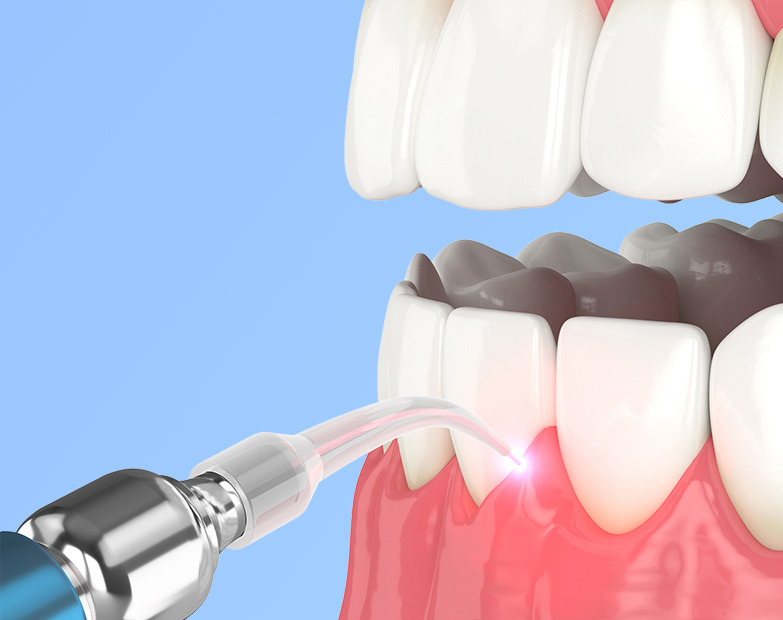
Soft tissue grafts are periodontal procedures that cover exposed tooth roots, decrease sensitivity, and restore good health to the gum area. They involve taking gum tissue from one area (typically the palate) and attaching it to areas where gum recession has occurred. These procedures not only improve oral health but also enhance aesthetics by addressing a \"toothy\" appearance or uneven-looking teeth caused by gum recession.
What types of soft tissue grafts are available at London Dental Specialists?
At London Dental Specialists, we offer several types of soft tissue grafts to address various gum recession issues:
- Connective tissue grafts - the most common type, used to treat exposed roots
- Free gingival grafts - ideal for patients with naturally thin gums
- Pedicle grafts - using tissue adjacent to the affected area
- Subepithelial connective tissue grafts - for addressing multiple areas of recession
Our specialists will recommend the most appropriate technique based on your specific needs.
Is a soft tissue graft procedure painful?
During a soft tissue graft procedure at London Dental Specialists, you'll be completely numbed with local anaesthetic, ensuring you won't feel any pain during the treatment. Most patients experience only mild discomfort following the procedure, which can be effectively managed with prescribed pain medications. Our team provides comprehensive post-surgical instructions and follow-up care to minimise any discomfort and ensure proper healing.
How long does recovery take after a soft tissue graft?
Recovery after a soft tissue graft typically takes about 1-2 weeks for initial healing. Most patients can return to normal activities within a day or two, though you should avoid strenuous exercise for about a week. Complete healing and tissue maturation may take up to 6 weeks. During your recovery, you'll need to follow specific dietary guidelines and oral hygiene instructions provided by our specialists at London Dental Specialists to ensure optimal results.
What are the benefits of getting a soft tissue graft?
Soft tissue grafts offer numerous benefits, including:
- Reduced tooth sensitivity to hot, cold, and sweet foods
- Protection against further gum recession and bone loss
- Prevention of tooth decay on exposed roots
- Improved aesthetic appearance of your smile
- Enhanced oral health and comfort
- Increased stability for existing teeth
At London Dental Specialists, our procedures are designed to provide long-lasting results for both function and appearance.
Who is a good candidate for soft tissue grafting?
Good candidates for soft tissue grafting at London Dental Specialists include patients experiencing gum recession due to periodontal disease, aggressive tooth brushing, genetic factors, or orthodontic treatment. You may benefit from a graft if you have tooth sensitivity, visible root surfaces, or concerns about the aesthetic appearance of your smile. Our specialists will conduct a thorough examination to determine if soft tissue grafting is appropriate for your specific situation.
How long do soft tissue grafts last?
With proper oral hygiene and regular dental check-ups, soft tissue grafts can last a lifetime. The longevity of your graft depends on maintaining good oral health practices, including gentle brushing with a soft-bristled toothbrush, daily flossing, and attending regular professional cleanings at London Dental Specialists. Avoiding tobacco products and addressing any teeth grinding habits will also help ensure the long-term success of your graft.
What should I eat after a soft tissue graft procedure?
After a soft tissue graft procedure at London Dental Specialists, you should consume soft, cool foods for the first few days. Recommended foods include:
- Yogurt and smoothies
- Mashed potatoes and other pureed vegetables
- Soft pasta and well-cooked rice
- Scrambled eggs
- Ice cream and jelly
- Lukewarm soups (not hot)
Avoid spicy, acidic, crunchy, or hard foods that could irritate the surgical site. Also, do not use straws as the suction can disrupt healing.
How do I know if I need a soft tissue graft?
You might need a soft tissue graft if you notice signs such as teeth appearing longer than normal, visible root surfaces, increased tooth sensitivity, or changes in the appearance of your smile. Gum recession often occurs gradually, so regular dental check-ups at London Dental Specialists are essential for early detection. Our specialists can identify gum recession before it becomes severe and recommend appropriate treatment options, including soft tissue grafting when necessary.
Can’t find the answer to your Soft Tissue Grafts questions here? Always feel welcome to
contact us with your Soft Tissue Grafts questions and concerns.