Family Friendly & Specialty Dentists in London, UK
Gum disease treatments differ according to the stage of the infection and how much supporting bone remains. This page sets out which clinical path applies at each stage, so you can see where you are likely to sit before you visit.
The final choice rests on a clinical assessment. Dr Ope Sodeinde, our GDC-registered specialist periodontist, measures the depth of your periodontal pockets and decides whether you need non-surgical care or a surgical procedure, based on the actual state of your gums.
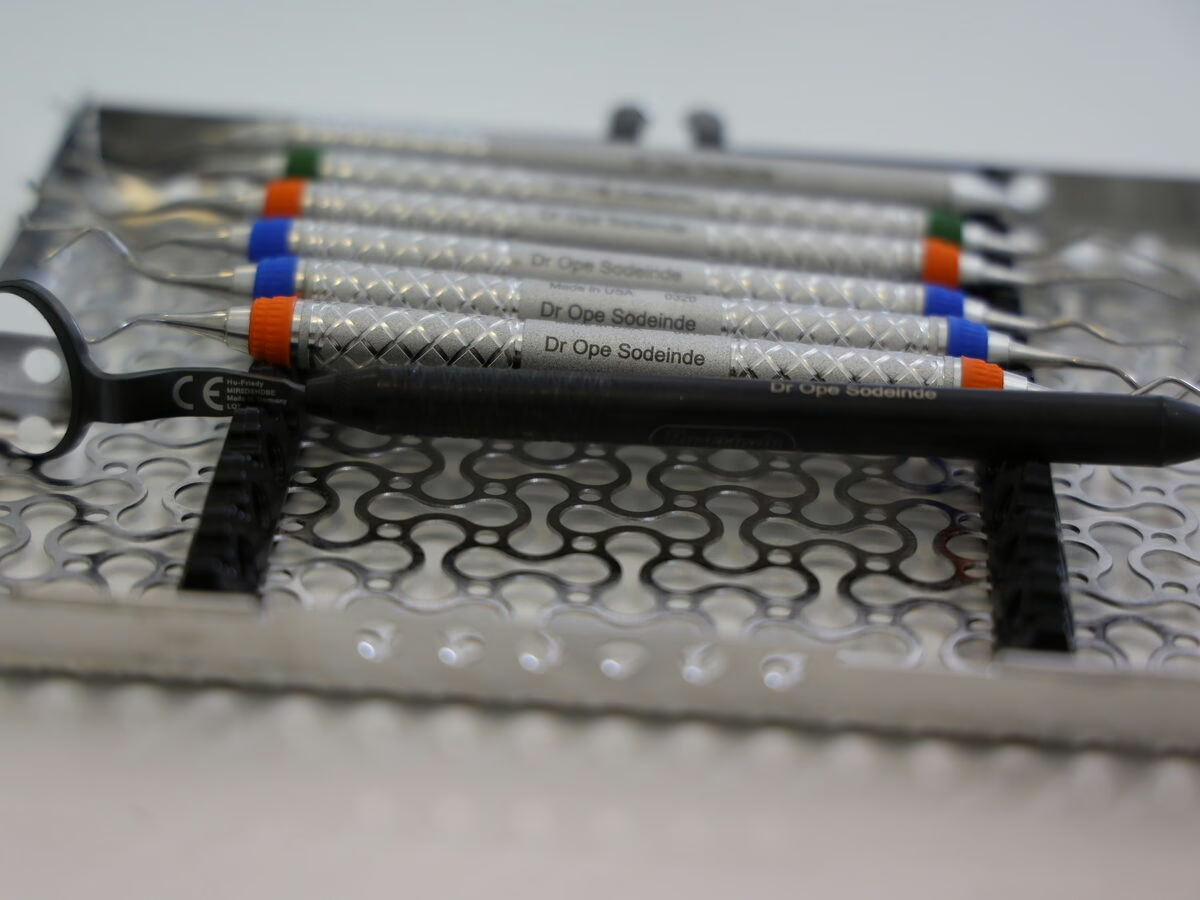
Our aim is to preserve your natural teeth, using the least invasive method that will control the disease.
Non-surgical therapy comes first. Scaling and root planing removes plaque and calculus from the root surfaces to stop the infection progressing. For the earliest stage, gingivitis treatment resolves redness and bleeding before any bone is lost.
Advanced cases may need surgery. Pocket reduction surgery removes diseased tissue and makes deep pockets cleanable again. Where gum tissue has been lost, gum grafting for recession covers and protects the exposed roots.
Which method applies depends on pocket depth and attachment loss. Dr Ope Sodeinde sets the plan after measuring both.
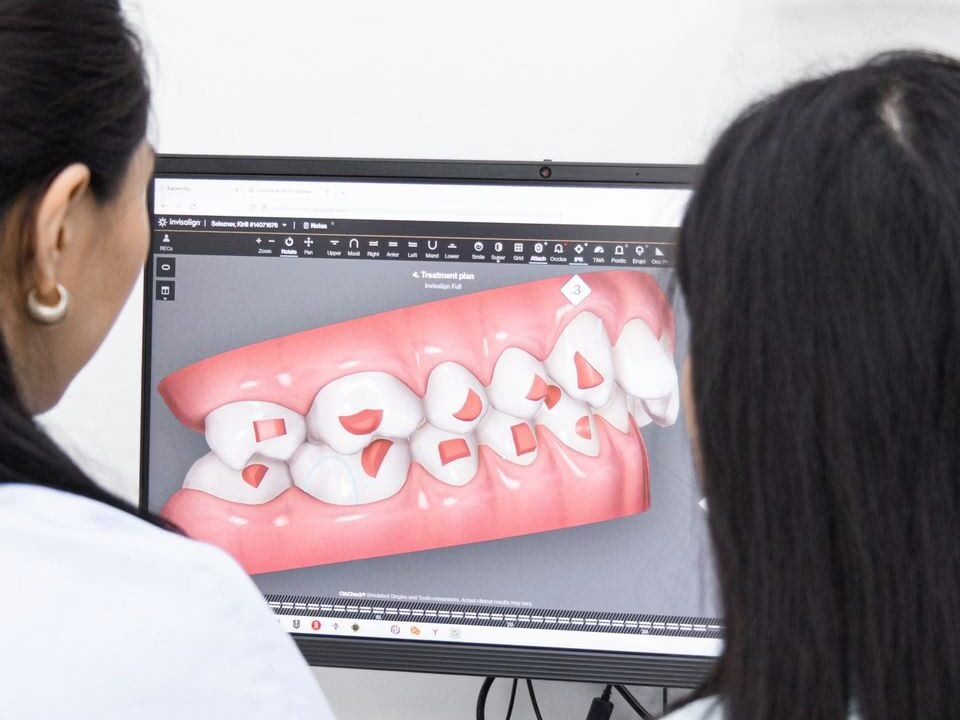
Gingivitis is inflammation of the gum alone, and it is reversible. Left untreated it can progress to periodontitis, where the infection destroys the bone and ligament around the tooth, the gum line drops and the roots become exposed. Your care is overseen by Dr Ope Sodeinde, specialist periodontist.
The right treatment depends on the depth of the pockets and the amount of attachment loss. We assess both before recommending a path. You can find fee details on gum disease treatment costs in London.
The choice follows the diagnosis. We explain the difference between non-surgical cleaning and surgical intervention, and why one applies to you, before anything begins.
Fees vary with the complexity of the infection and the number of quadrants that need treating. We give you an itemised breakdown at your first visit; the costs page linked above sets out the fees we publish.
We examine your gums and measure pocket depths to establish the extent of the disease, then set out a plan to stop further bone loss. Learn what happens at your first periodontal consultation and how to book.
Yes. Bone that has been lost does not come back on its own, so treatment concentrates on stabilising what remains and preventing further loss.
Removing inflammation gives the teeth a healthier foundation. Gums that are no longer swollen or bleeding usually look better, and a stable gum line is a prerequisite for cosmetic work.
We measure whether pocket depths have reduced and whether bleeding on probing has stopped. Those two markers show whether the infection is under control, and we go through them at your periodontal consultation.
Gum disease returns if bacteria are not kept in check, so maintenance visits are part of every plan. The interval is set by your risk factors rather than a fixed calendar.
The first step is a full clinical examination of the periodontal tissues. We identify the infection and explain the steps needed. Book your periodontal consultation to begin.

Leave your number and we will call you back. Nothing is booked until you say so.
The full range, grouped by whether surgery is involved.
These methods remove plaque and calculus and reduce the bacterial load without cutting the gum. They are the first line against periodontitis:
Where non-surgical care is not enough, or where lost tissue needs replacing, Dr Ope Sodeinde performs these procedures at our London clinic:
You leave your consultation with a written plan and itemised quote that is yours to keep and use at any other practice. Payment options can be discussed with our staff.
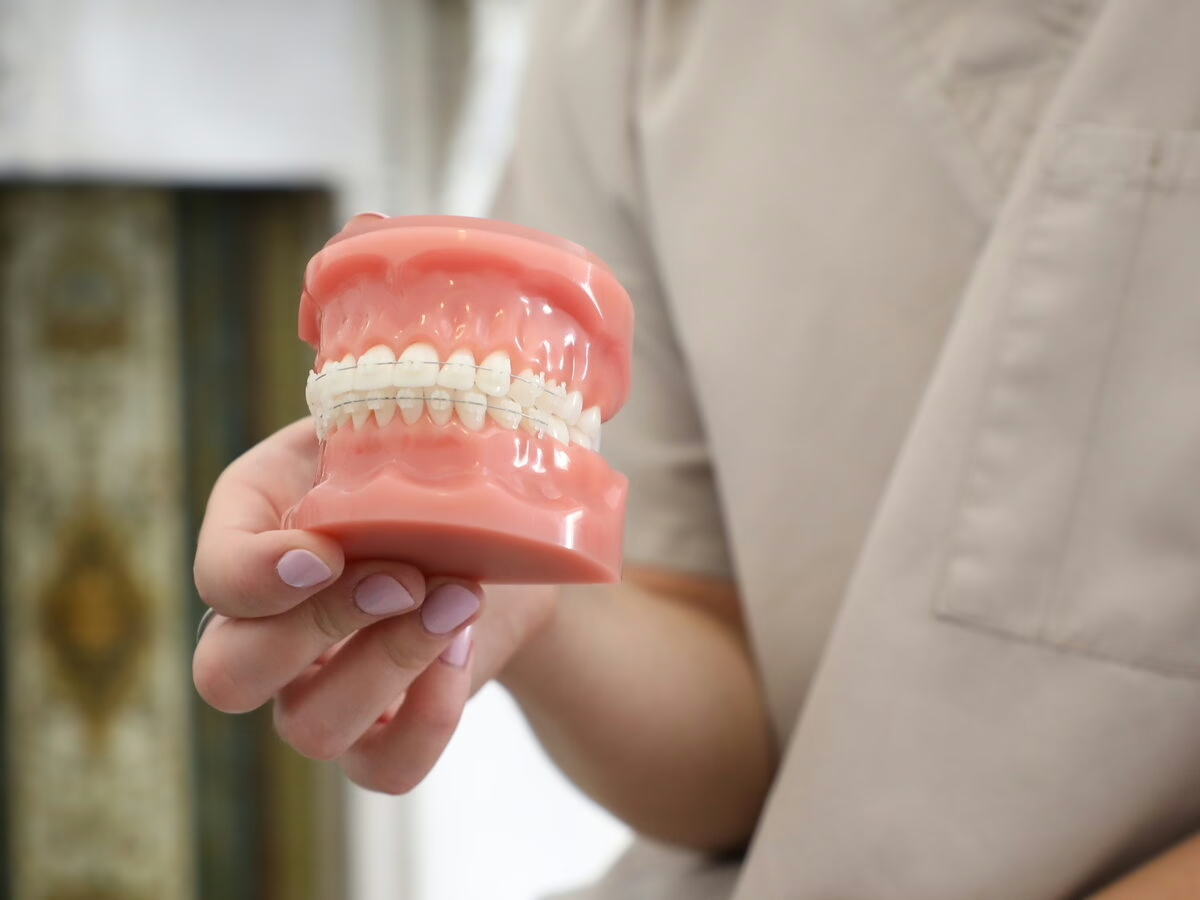
Real, verified Google reviews from patients of London Dental Specialists.
Your details are used to arrange your appointment and for nothing else.
111 Regent's Park Road, Primrose Hill, London NW1 8UR
Use our contact page if you would rather ask something than book.
