Family Friendly & Specialty Dentists in London, UK
IV sedation is a sedative given through a small cannula in the back of your hand or arm. It produces a deep state of relaxation while you remain conscious, and it is the option we recommend for patients with significant dental anxiety or a long procedure ahead of them.
How long the sedation and the treatment take depends on the clinical work involved. Dr Ope Sodeinde confirms your suitability, and the timing, at your initial assessment.
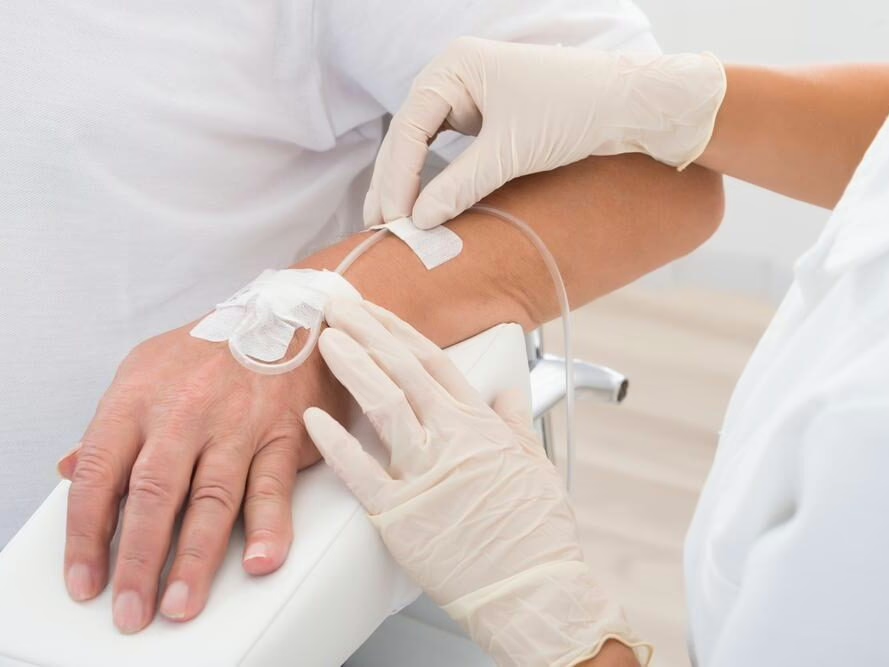
Some patients cannot get through treatment with reassurance alone, and postponing care until it hurts usually makes the eventual treatment more involved. IV sedation is the deepest form of sedation dentistry in London that we provide in the practice.
How deeply you are sedated is a clinical decision. We plan it from your diagnosis so you receive neither more sedation than necessary nor less than you need to feel comfortable. For patients who cannot be treated under conscious sedation at all, we arrange general anaesthesia through a hospital pathway. Where the anxiety is tied to one procedure, a targeted page such as sedation for gum surgery may be more useful. Dr Sodeinde oversees every plan, including the itemised costs.

Leave your number and we will call you back. Nothing is booked until you say so.
IV sedation suits patients who feel a loss of control or intense fear in the chair, who have a sensitive gag reflex, or who need long or multiple procedures in one sitting, such as sedation for full-mouth treatment. It is for adults; for younger patients we provide nitrous oxide sedation for children.
Because the recovery is supervised, a responsible adult must escort you home. We review your medical history at the assessment to confirm this is a safe option for you.
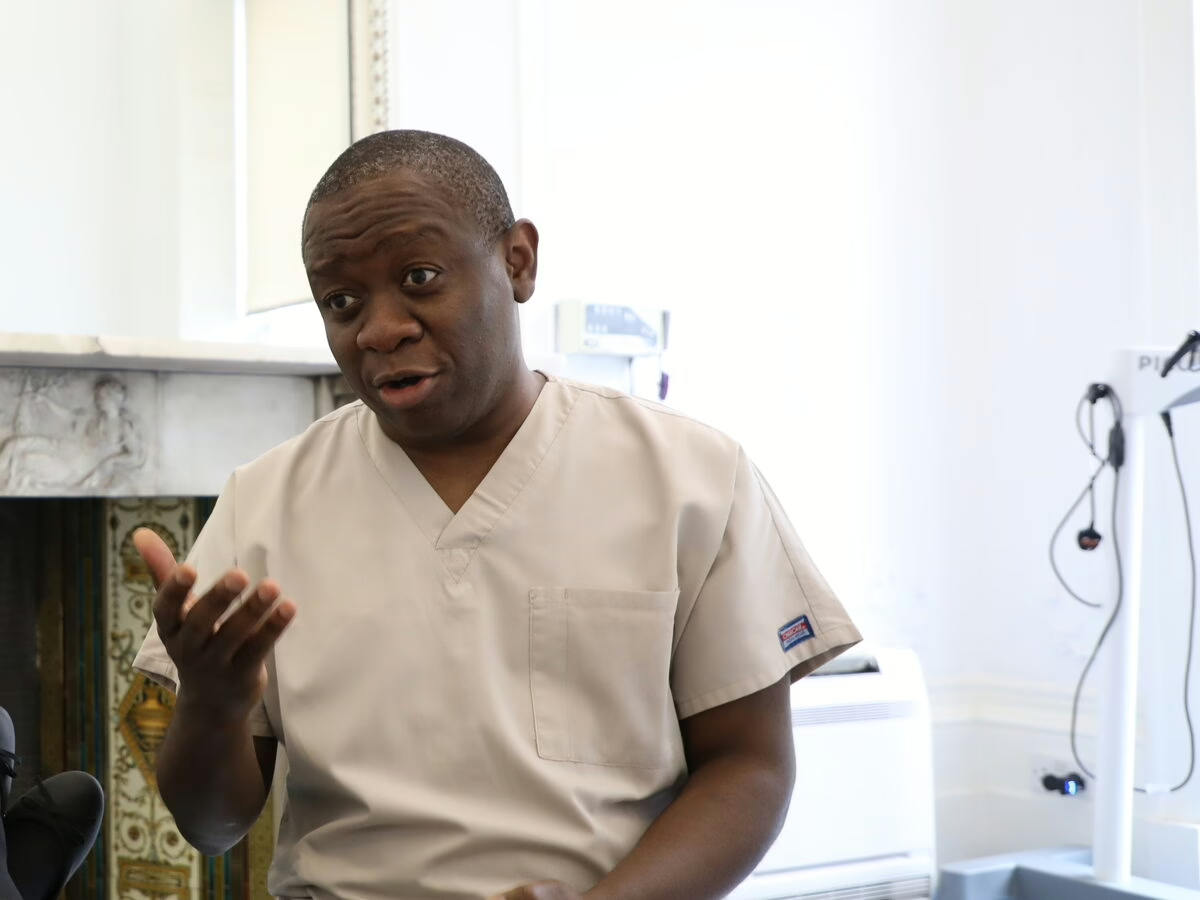
We confirm you are suitable, take your medical history and plan the dose. You can read sedation dentistry costs in London before you book.
A small cannula is placed in the back of your hand or arm. This is the only needle you will feel; the local anaesthetic for the treatment itself is given once you are sedated.
The sedative goes directly into the bloodstream, so it takes effect within minutes. You stay conscious and able to respond, but deeply relaxed. In some cases we discuss combination sedation to manage comfort further.
A clinician monitors you throughout the appointment, and the dose can be adjusted as we go.
You stay in the practice until the effects have worn off, then leave with written instructions and your escort. Most patients remember little of the appointment.
Every case begins with a complete consultation, a pre-assessment and a medical history review. We monitor you throughout the procedure and during recovery. You can view the credentials of Dr Ope Sodeinde, GDC-registered specialist periodontist (GDC No. 104071), who leads the practice. Sedation is administered by appropriately trained clinicians.
You must arrange for someone to accompany you home, and you must not drive or operate machinery for at least 24 hours after sedation.
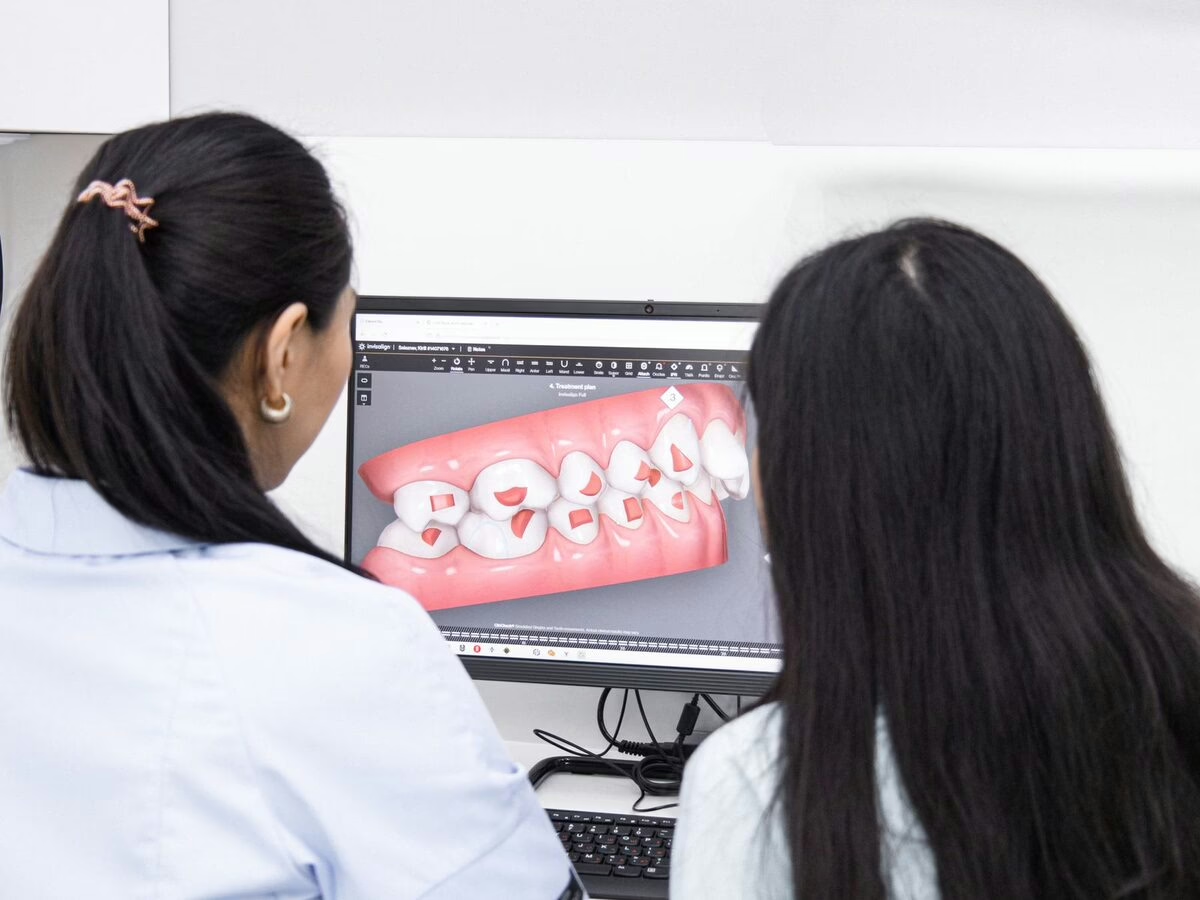
We confirm the fee at your clinical assessment, once we know the treatment involved and the safety requirements, and give you an itemised quote.
It depends on the dental work being done. The sedative takes effect within minutes; the total visit includes the treatment and a supervised recovery period.
You feel a small scratch when the cannula is placed. After that you are deeply relaxed. Our sedation aftercare guide explains what to expect once you get home.
Patients with severe anxiety, a fear of losing control, or a long procedure ahead of them. Dr Sodeinde reviews your medical history to confirm you are eligible.
We confirm suitability at a sedation consultation, where we discuss your needs and how to book. Dr Sodeinde reviews your medical history so the approach fits your health.
020 7589 7792
Sedation for gum surgery, sedation for full-mouth treatment, oral sedation and general anaesthesia are covered on their own pages, linked above.
You will receive a written plan and an itemised quote from Dr Sodeinde, which is yours to keep and use at any other practice.
020 7589 7792
Real, verified Google reviews from patients of London Dental Specialists.
Your details are used to arrange your appointment and for nothing else.
111 Regent's Park Road, Primrose Hill, London NW1 8UR
Use our contact page if you would rather ask something than book.
