Family Friendly & Specialty Dentists in London, UK

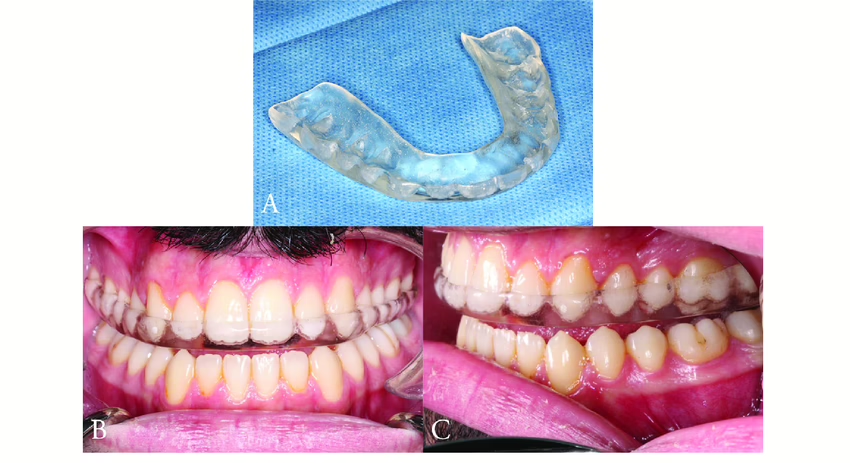
Photo Of Michigan Splint Above Is Sourced From:
Occlusal splints-types and effectiveness in temporomandibular disorder management - Scientific Figure on ResearchGate. Available from: https://www.researchgate.net/figure/A-Michigan-Splint-B-Frontal-view-of-the-Michigan-Splint-C-Lateral-view-of-the_fig1_366647547 [accessed 3 Nov 2025]
A Michigan splint is a custom-made hard acrylic dental device that covers the upper teeth's biting surfaces. It prevents damage from grinding and clenching while repositioning the jaw into a relaxed, therapeutic state. The splint stabilizes the maxilla, controls tooth interactions, and may help retrain jaw muscles to reduce harmful habits. It's primarily indicated for bruxism and temporomandibular disorders. Understanding its creation, fitting process, and proper maintenance reveals why this device can serve as a protective and therapeutic tool.
A Michigan Splint functions by covering the biting surfaces of the upper teeth to create even contact and prevent pressure accumulation during grinding or clenching. The device works by positioning the jaw into a relaxed state, which may help alleviate muscle tension and reduce jaw pain.
A Michigan Splint creates even tooth contact and prevents pressure buildup, positioning your jaw for relaxation and reduced muscle tension.
Constructed from hard acrylic material, the Michigan Splint is customised to each individual's dental anatomy. This durable design withstands intense clenching forces that would damage softer alternatives.
By stabilizing the maxilla and controlling interactions between upper and lower teeth, the splint may reduce muscle activity throughout the jaw. This decreased muscle engagement may help retrain jaw muscles to abandon harmful clenching habits.
Additionally, the Michigan Splint protects dental work and may help manage symptoms associated with Temporomandibular Disorders, making it a therapeutic device for teeth grinding and related conditions. For patients experiencing dental anxiety related to TMD treatment, specialized care and sedation options can support comfortable management of these conditions.
A Michigan splint is primarily indicated for individuals suffering from bruxism, the habitual grinding of teeth during sleep or stress, which causes significant enamel wear and structural damage.
The device may be beneficial for patients with jaw disorders and temporomandibular disorders (TMD), as it can help reduce muscle tension and alleviate associated discomfort by promoting proper jaw alignment.
Untreated bruxism can create an environment conducive to tooth decay and gum disease, similar to conditions that develop when saliva production is compromised.
Bruxism, characterized by involuntary teeth grinding during sleep or periods of stress, represents one of the primary indications for Michigan Splint use. This condition may cause tooth wear and potential damage to dental structures.
The customised Michigan splint functions by creating a protective barrier between the upper jaw and lower teeth biting surface, potentially reducing grinding forces and associated damage.
Individuals experiencing bruxism often develop jaw pain and Temporomandibular Disorders as grinding generates stress on the jaw joint.
The Michigan splint stabilizes the jaw position, which may help alleviate muscle tension and discomfort. By distributing grinding forces across the dental surfaces, the device may help minimize enamel erosion and protect existing dental work from accelerated wear.
This preventive approach makes the Michigan splint a therapeutic option for individuals with active bruxism.
Why do jaw disorders develop, and how can a Michigan splint address them?
Jaw disorders, particularly TMJ disorders, often result from misalignment and muscle tension. A Michigan splint serves as a protective device that stabilizes jaw position, reducing strain on the temporomandibular joint. By promoting proper alignment, the splint may help alleviate muscle pain and joint discomfort associated with these conditions.
Consistent splint use can help minimize harmful movement patterns that contribute to dental damage. Additionally, the splint protects teeth with crowns or large fillings from excessive wear.
For individuals whose jaw disorders stem from teeth grinding, the Michigan splint addresses both the symptom and its consequences, helping to prevent enamel erosion while supporting long-term oral health stability.
Michigan splints provide a protective barrier that shields teeth from the effects of grinding and clenching, reducing wear on both natural teeth and dental restorations.
By stabilizing the jaw's position during sleep, these splints may help alleviate the muscle tension and strain that can accompany bruxism, potentially resulting in decreased jaw pain and associated headaches.
The combination of tooth protection and symptom relief may make Michigan splints a useful therapeutic tool for individuals experiencing grinding-related dental and musculoskeletal discomfort. Custom-fitted night guards like Michigan splints are often recommended as a primary solution to prevent extensive damage such as enamel wear, tooth fractures, and temporomandibular joint disorder.
Teeth grinding, or bruxism, causes significant wear and damage that can compromise dental integrity over time. A Michigan splint may help protect teeth by creating a protective barrier during night-time use.
Made from hard acrylic, this custom-fitted device offers several potential protective benefits:
The splint aligns the jaw in a relaxed position, which may help reduce muscle tension and jaw discomfort while supporting better dental health.
Consistent use may help individuals with bruxism experience improvements in tooth protection and overall comfort. This device addresses grinding-related concerns, though individual results will vary.
For personalised advice about bruxism management and whether a Michigan splint is appropriate for your situation, please contact a GDC-registered dental professional for a proper examination and consultation.
Jaw pain and discomfort associated with bruxism and clenching can considerably impact daily quality of life. The Michigan splint addresses these issues through strategic jaw stabilization.
| Benefit | Impact |
|---|---|
| Jaw stabilization | Reduces pressure from bruxism |
| Tooth barrier | Minimises wear and dental damage |
| Muscle relaxation | Decreases tension-related headaches |
| Proper alignment | Corrects bite misalignment issues |
| TMD symptom relief | May help reduce pain in many cases |
When selecting an oral appliance for nighttime wear, patients encounter several options that differ markedly in construction, effectiveness, and clinical application.
Michigan splints distinguish themselves through their specific construction and customization compared to generic dental guards.
Michigan splints stand apart through distinctive construction methods and personalized customization that distinguish them from standard dental guards.
Key differences include:
The rigid structure of Michigan splints provides sustained effectiveness for tooth grinding management.
Proper oral hygiene maintenance and regular dental follow-ups are essential for ensuring the longevity and effectiveness of any dental appliance, including Michigan splints.
Individual suitability varies, and proper assessment by a qualified dental professional is essential to determine the most appropriate appliance for each patient's specific needs.
The creation of a Michigan splint follows a systematic multi-stage process designed to achieve optimal fit and therapeutic effectiveness.
Initially, a small acrylic lucia jig is constructed during an appointment to deprogram jaw muscles into a relaxed state. Once positioned, impressions of both upper and lower jaws are captured, establishing an accurate baseline for model fabrication.
Dental relationships are then configured on an articulator to ensure proper alignment. Wax is sculpted over the upper teeth to establish ideal occlusion before being replaced with hard acrylic during manufacturing.
The final splint is polished and finely adjusted for a snug fit, creating a customised appliance. Throughout the fitting process, pain management is prioritized to ensure patient comfort during adjustments and wear.
Follow-up appointments address individual biting patterns and comfort requirements, supporting long-term therapeutic outcomes and patient satisfaction.
Proper therapeutic outcomes from a Michigan splint depend greatly on adherence to proper usage guidelines.
The customised device should be worn primarily at night to protect teeth from unconscious grinding and clenching during sleep. Before insertion, users must verify their teeth are clean, then secure the splint until it clicks into place.
Maintenance practices include:
Consistent nightly wear may help reduce jaw pain and muscle tension. It is important to complete the full course of treatment and follow evidence-based principles for optimal results, similar to how antibiotic therapy requires strict adherence to prescribed guidelines.
Follow-up appointments are recommended to assess jaw relaxation and determine if adjustments are needed, ensuring the Michigan splint continues delivering appropriate therapeutic benefits.
Proper maintenance of a Michigan splint extends its therapeutic lifespan and supports consistent protective benefits. Daily cleaning with gentle soap and water removes debris while preventing damage from harsh substances. Weekly sterilization using denture cleaner supports thorough sanitation and eliminates bacteria. Regular scaling and root planing combined with proper splint care addresses underlying periodontal disease and maximizes the effectiveness of your treatment plan.
| Task | Frequency | Method |
|---|---|---|
| Clean splint | Daily | Mild soap and water |
| Sterilize splint | Weekly | Denture cleaner solution |
| Brush and floss | Before wearing | Standard oral hygiene |
| Inspect for damage | Regularly | Visual examination |
| Replace if damaged | As needed | Consult dental professional |
Storing the splint in a dry, secure location away from pets and children prevents loss or damage. Regular inspection identifies wear and tear requiring professional replacement. Maintaining oral hygiene by brushing and flossing before wearing the splint prevents decay and supports its protective function. Proper care correlates with splint longevity and therapeutic effectiveness.
A Michigan splint typically costs around £795 for manufacturing.
This price covers the custom fabrication process, which requires measurements and fitting appointments with a dental professional.
The splint is usually fabricated in a specialized laboratory and ready within fourteen days after ordering.
Patients should budget for at least three dental appointments.
Additional treatments may incur extra costs.
A Michigan splint may prove worthwhile for individuals experiencing bruxism-related discomfort. The device may deliver pain reduction for those with TMJ concerns.
Its hard acrylic construction offers durability and protection compared to soft alternatives, particularly for severe grinding cases.
Custom-fitted to individual specifications, the splint may help maintain proper jaw alignment, reduce headaches, and prevent further dental damage.
The investment may justify itself through enhanced comfort and long-term dental preservation, though individual results vary and professional assessment is required.
Signs indicating a Michigan splint may be beneficial include habitual teeth grinding or clenching, jaw pain or TMD symptoms, and stress-related dental tension.
Individuals experiencing enamel wear from acidic consumption, those with dental restorations needing protection, and people suffering grinding-related headaches should consider evaluation.
A dental professional can assess whether a Michigan splint would be appropriate for specific dental needs.
A Michigan splint should be worn nightly for a minimum of three months to help retrain jaw muscles and may alleviate bruxism symptoms.
The specific duration varies based on individual response to treatment and symptom severity. Some patients may benefit from additional daytime wear during stressful activities or prolonged driving.
Regular dental follow-up appointments help assess effectiveness and determine if continued use or adjustments are necessary beyond the initial treatment period.
