Family Friendly & Specialty Dentists in London, UK
Retrograde filling is a specialist endodontic procedure used to seal the root end of a tooth to prevent reinfection. We use this technique to save teeth that standard root canal therapy alone cannot treat.
The time the procedure needs varies by case. A consultation with Dr Neha Patel, specialist in endodontics (GDC No. 150517), determines the exact steps and timeframe your case needs.
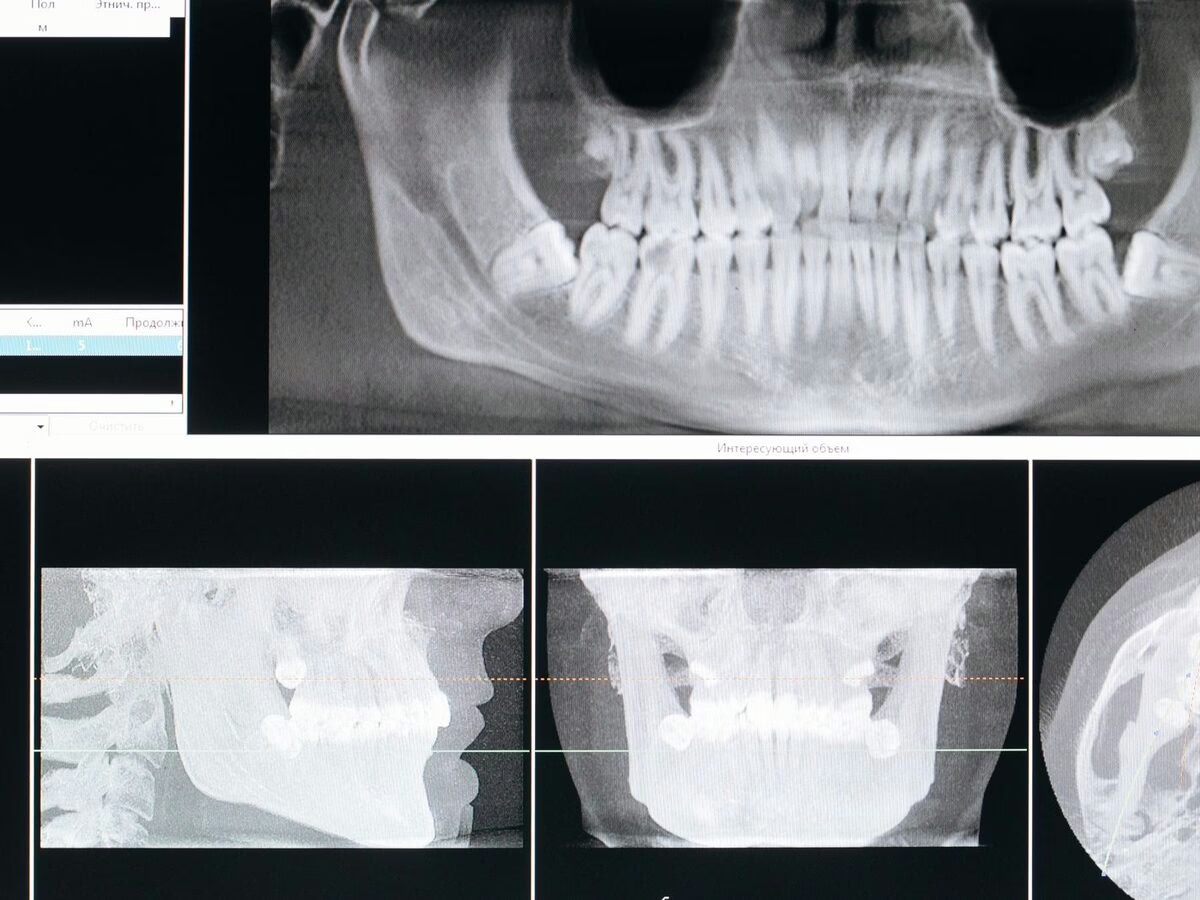
You may be experiencing severe pain from an infected pulp that has not responded to previous treatment. When a tooth infection spreads to adjacent teeth or resists standard care, it can become serious. We use 3D CBCT imaging and pulp vitality tests to identify the precise cause of your discomfort, gauging nerve response and tooth sensitivity, which matters for planning endodontics in London. Combining these diagnostic approaches cuts the need for exploratory treatment and helps us build a targeted plan to preserve your natural tooth structure.
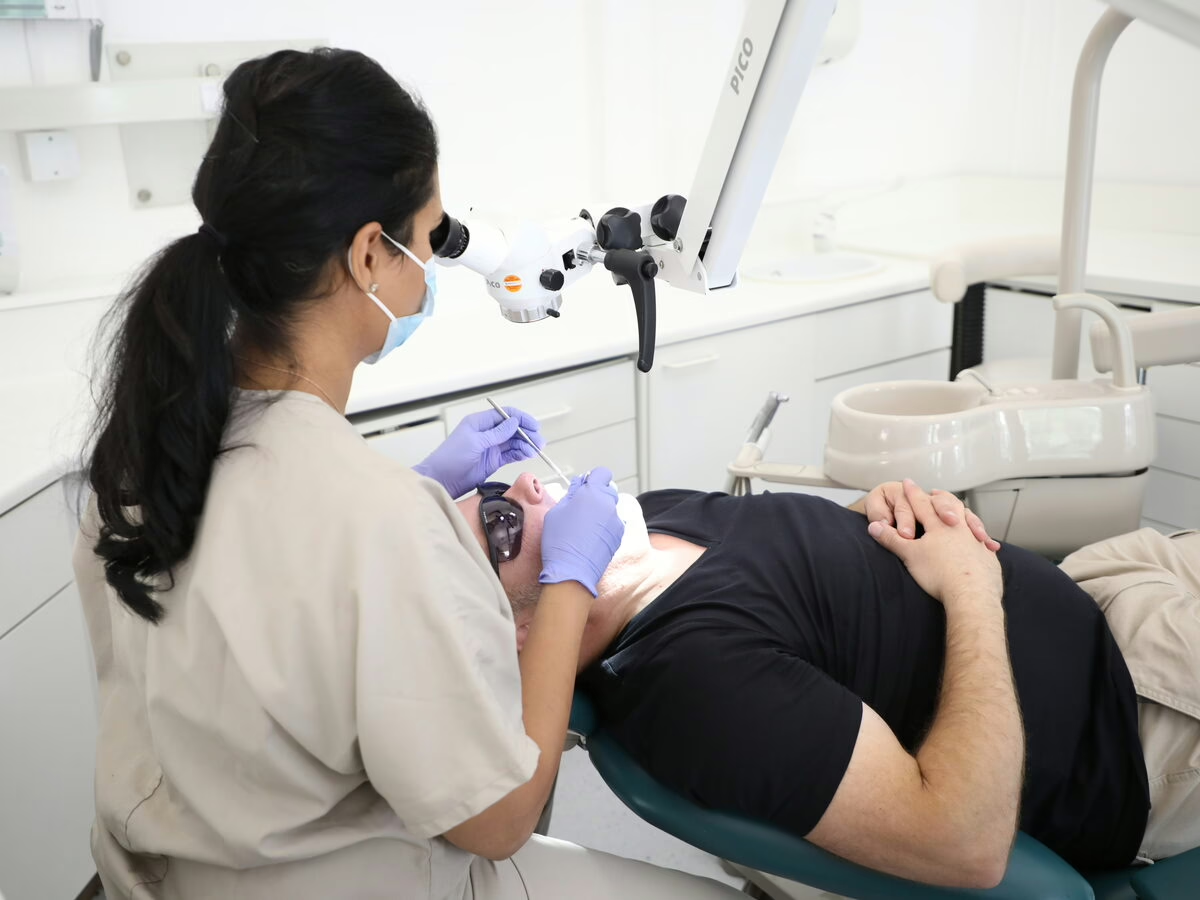
Whether you are dealing with cracked tooth syndrome or a complex infection in a traumatised tooth, Dr Patel uses an operating microscope for a precise diagnosis. We provide these specialist procedures to stop the infection spreading and avoid the need for extraction. A consultation lets us assess your specific case and decide the most effective way to relieve your pain.
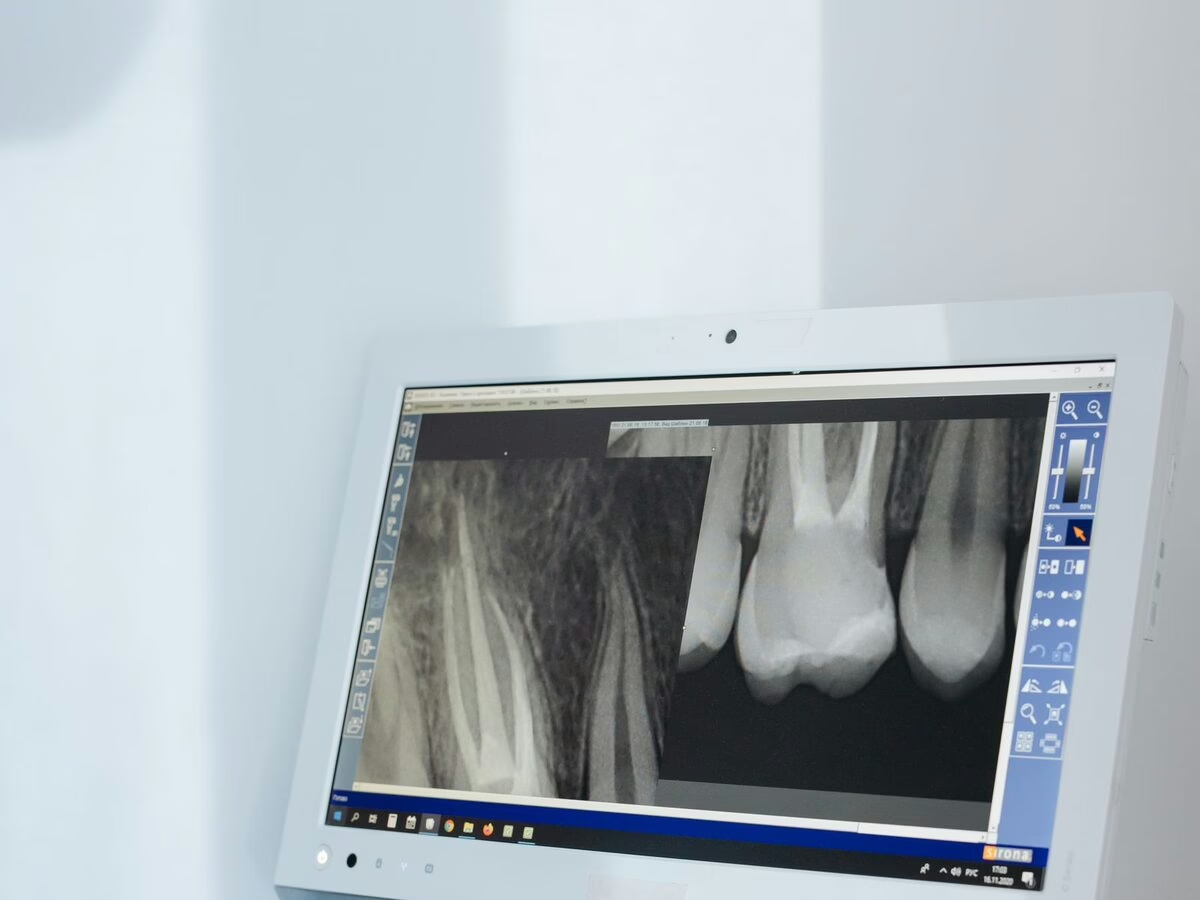
Choosing the wrong procedure can lead to tooth loss. We prevent this through specialist-led planning, where Dr Patel assesses whether a retrograde filling is the correct choice for your specific anatomy. This diagnosis-first approach means you receive the precise treatment the tooth needs, rather than a generic solution.
Depending on the complexity of the root, we may recommend hemisection for multi rooted tooth preservation, intentional replantation for inaccessible canal treatment, or perforation repair for iatrogenic openings. We set out pricing clearly at your consultation, so you understand the costs before treatment begins.
Leave your number and we will call you back. Nothing is booked until you say so.
Saving a tooth that has failed previous root canal treatment is often possible through a retrograde filling. This procedure typically suits patients with persistent infection at the root tip, or whose anatomy makes standard treatment difficult. We understand that returning to the dentist after a failed procedure can feel daunting. Dr Patel focuses on removing the source of infection to prevent tooth loss. If you are unsure which root canal treatments: which option fits your case, an examination will determine your candidacy.
Putting off a visit because of anxiety is common. We provide a supportive environment for patients who feel anxious.
We begin by examining the tooth to see whether the infection persists. This stage identifies whether you need an apicoectomy to remove the infected root tip. We use this clinical review to confirm whether a retrograde filling is the right path to save your natural tooth.
We create a small opening in the gum to reach the end of the root, letting us remove infected nerve tissue and any remaining bacteria. It is a precise process, and we confirm the area is clean before sealing begins.
We place a biocompatible material at the very tip of the root. This creates a protective dental procedure that blocks bacteria from re-entering the canal, sealing the root from the bottom up and preventing further inflammation in the surrounding bone.
Once the seal is secure, we close the small incision with sutures, focusing on a tidy closure to encourage fast healing and positioning the gum tissue correctly to protect the site.
We monitor the area to confirm the infection has cleared. Some patients worry about the pain of the procedure or the number of visits required, and we address these concerns at your consultation with a clear timeline for recovery.
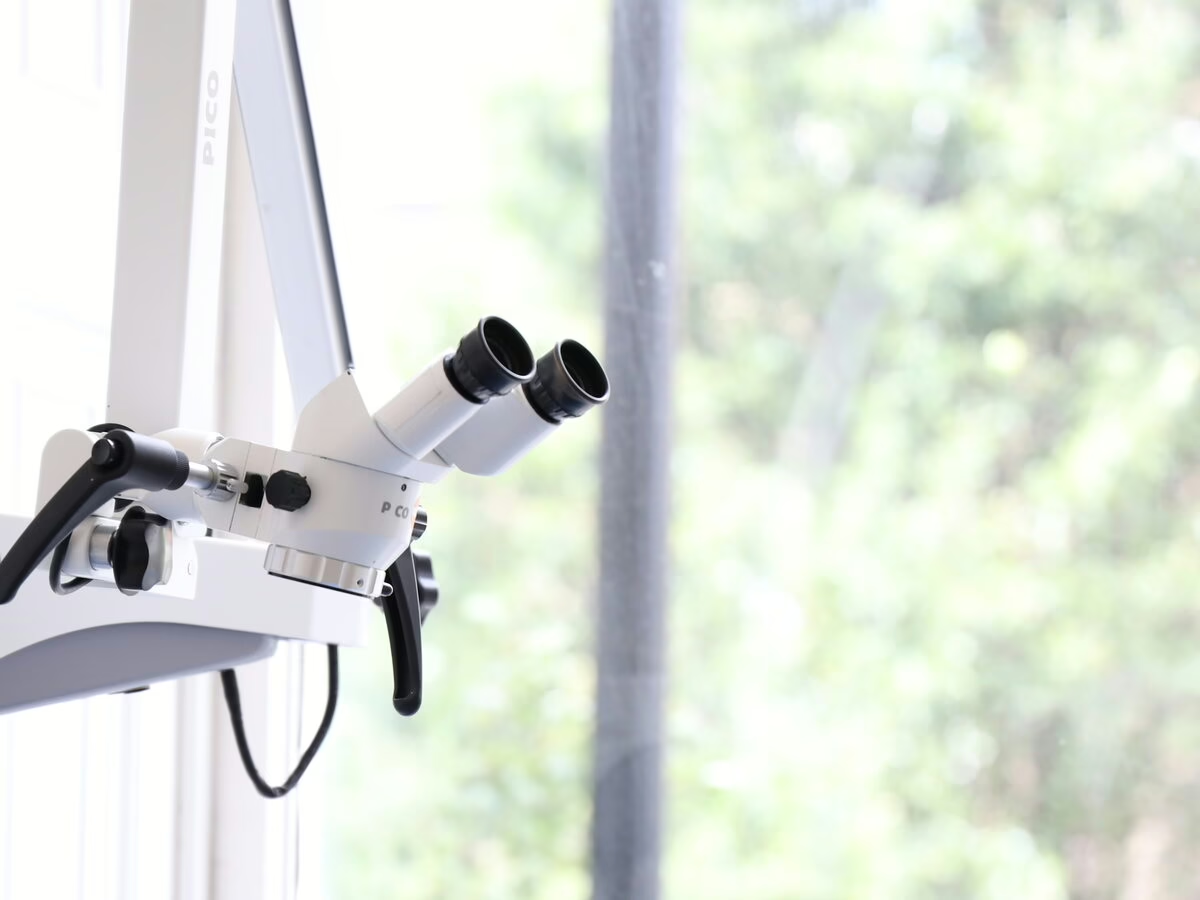
We use operating microscopes, precision instruments, and advanced materials for filling and canal disinfection, which also allow a precise diagnosis of tooth fractures through microscopic examination.
We use bioactive materials to stimulate dentine bridge formation, which supports pulp healing. This approach to microsurgery preserves the natural tooth and restores oral health.
We provide a range of specialist services at our Primrose Hill practice, including root canal retreatment, apicoectomy, cracked tooth treatment, and dental trauma care. The practice is led by Dr Ope Sodeinde, GDC-registered specialist periodontist (GDC No. 104071).
We focus on the outcome of every procedure, with a calm, unhurried environment where you can discuss honest options without pressure, so you understand the steps needed to resolve your issue.
We understand that anxiety often accompanies specialist dental work. We keep your comfort a priority throughout your visit to our Primrose Hill practice. If you have questions about the suitability of this treatment, we can assess your needs at a consultation.
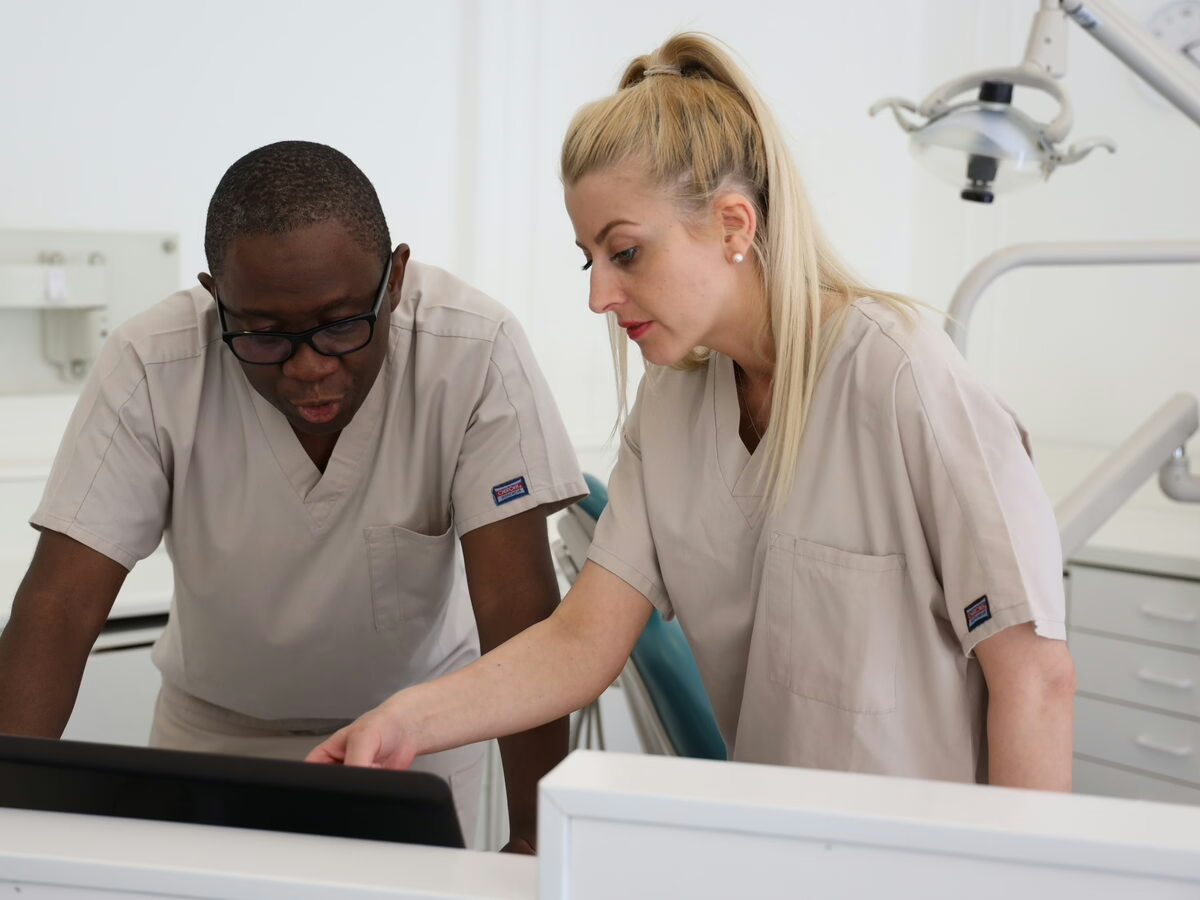
A retrograde filling is a procedure used to seal the end of a root canal. We use this when a standard root canal has failed or cannot reach the tip of the root, sealing the canal from the root end to stop bacteria causing further infection.
Fees vary with the complexity of your case. We provide a specific cost breakdown at your clinical assessment, where we examine the root and decide the right approach.
The duration of the procedure depends on the number of canals needing sealing. Your clinician gives you a precise timeframe at your appointment after reviewing your dental imaging.
Fear of discomfort is a common concern. We use local anaesthetic for patients who feel anxious, and we focus on a calm environment to manage any anxiety you feel.
We determine whether you are suitable for this procedure at a clinical examination. Dr Patel assesses the root tip to establish the right course of action. You can see what happens at your root canal consultation and how to book to begin this process. We also provide a wider range of endodontics in London for complex cases.
Request your assessment or call us on 020 7589 7792.
We assess each case individually to decide whether a retrograde filling is the most effective way to save your tooth. Depending on the root anatomy and the location of the infection, we may suggest other advanced techniques, including hemisection for multi rooted tooth preservation or intentional replantation for inaccessible canal treatment. In cases of structural damage, we provide perforation repair for iatrogenic openings.
Dr Patel determines the suitability of these procedures at your clinical assessment.
We give you a written plan and an itemised quote that is yours to keep and use at any other practice. Arrange your assessment with Dr Patel to determine whether this procedure is right for you.
020 7589 7792

Real, verified Google reviews from patients of London Dental Specialists.
Your details are used to arrange your appointment and for nothing else.
111 Regent's Park Road, Primrose Hill, London NW1 8UR
Use our contact page if you would rather ask something than book.
