Family Friendly & Specialty Dentists in London, UK

Impacted wisdom teeth can affect hearing through several mechanisms. Located near jaw and ear structures, they may cause inflammation that disrupts auditory tissues and blood flow. Pressure on the temporomandibular joint can trigger tinnitus and ear pain, often mistaken for infections. Swelling from impacted teeth may also interfere with sound sensitivity and comfort. Whilst extraction may help alleviate these symptoms in some cases, understanding the full scope of how dental health connects to hearing requires exploring the specific pathways involved. If you experience any of these symptoms, consult a qualified dental professional for a proper examination and personalised advice.
Because impacted wisdom teeth sit in close proximity to the jaw and ear structures, they can trigger a cascade of complications affecting auditory health.
The inflammation surrounding an impacted wisdom tooth can cause referred ear pain, while pressure on the temporomandibular joint (TMJ) often generates discomfort and tinnitus. Symptoms of impacted wisdom teeth may include swelling that disrupts normal blood flow to auditory tissues, potentially altering hearing functions.
Infections can spread to the middle ear, exacerbating existing issues. Additionally, tooth misalignment from impacted wisdom teeth shifts bite pressure, further stressing the jaw and ear region.
Understanding these interconnected mechanisms helps explain why many patients experience ear-related symptoms alongside dental problems. A dental professional can evaluate whether impacted wisdom teeth are contributing to auditory concerns. When impacted wisdom teeth require extraction, recovery typically lasts one to two weeks, with most patients returning to normal activities within a shorter timeframe.
When impacted wisdom teeth exert pressure on nearby structures, they may contribute to ear pain and discomfort that patients sometimes associate with ear infections rather than dental issues.
Additionally, the interference with the temporomandibular joint can produce tinnitus—a persistent ringing or buzzing in the ears—along with altered sound sensitivity that may affect daily life.
Understanding these auditory symptoms as potential manifestations of wisdom tooth impaction can be important for proper diagnosis and treatment. In cases where impacted wisdom teeth cause significant complications, surgical extraction procedures may be necessary to alleviate both the auditory symptoms and other associated dental issues.
Impacted wisdom teeth frequently trigger ear pain through multiple interconnected pathways. The pressure exerted by an impacted tooth radiates through surrounding tissues, creating discomfort often mistaken for an ear infection.
Additionally, gum tissue swelling produces referred pain that manifests as ear fullness or aching sensations.
The relationship between dental and auditory health becomes evident when considering how inflammation disrupts nearby structures:
These interconnected mechanisms explain why patients experience persistent discomfort.
Tooth extraction may help reduce inflammation and alleviate ear-related symptoms by eliminating the pressure source affecting adjacent anatomical structures.
Tinnitus—the perception of ringing, buzzing, or other phantom sounds in the ears—affects 10 to 20 per cent of adults, and inflammation from impacted wisdom teeth can markedly worsen these symptoms.
The proximity of impacted wisdom teeth to the middle ear allows oral infections to trigger referred auditory sensations, creating persistent ringing or pressure sensations.
Additionally, impacted wisdom teeth frequently cause misaligned bites, leading to temporomandibular joint (TMJ) disorders, which correlate strongly with increased tinnitus and sound sensitivity.
Tooth shifting disrupts jaw alignment, potentially affecting the auditory system and causing heightened sensitivity to sound. Many individuals experience difficulty tolerating normal noise levels alongside their tinnitus.
Addressing impacted wisdom teeth through extraction or management may reduce these hearing-related symptoms by eliminating the underlying inflammation and pressure affecting auditory structures.
Due to their location deep within the jaw, impacted wisdom teeth can trigger a cascade of painful complications that extend far beyond the mouth. The proximity of these teeth to the ear creates a direct pathway for problems to develop.
Key mechanisms of ear involvement:
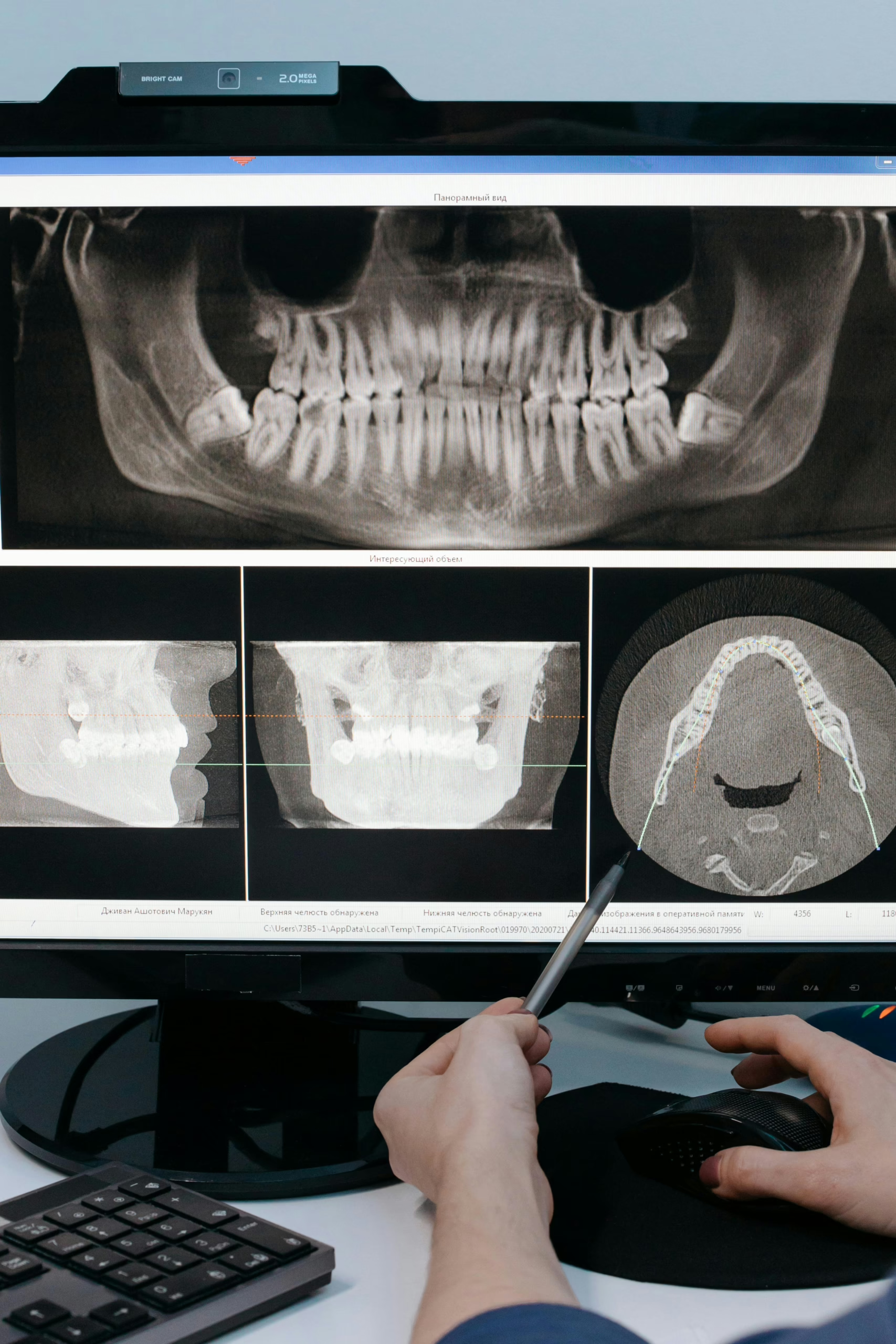
When impacted wisdom teeth become problematic, swelling and inflammation can activate nerve pathways connected to ear tissues. This referred pain may manifest as ear pain or tinnitus—a persistent ringing sensation. At London Dental Specialists, advanced 3D imaging can precisely assess the extent of impaction and its relationship to surrounding structures.
Additionally, jaw tension from impacted teeth can strain the TMJ, which may contribute to ear-related symptoms. Understanding this connection helps recognise that persistent ear discomfort could originate from dental issues.
If you experience these symptoms, professional evaluation is recommended to determine the underlying cause and appropriate treatment options.
The temporomandibular joint's proximity to the ear makes it particularly vulnerable to dysfunction caused by impacted wisdom teeth, which may contribute to tinnitus and auditory discomfort.
When misaligned teeth create pressure on the jaw, they can increase tension in the TMJ, potentially affecting the delicate structures of the hearing system and producing sensations of ringing or buzzing.
Studies suggest that individuals with TMJ disorders may experience elevated rates of ear-related symptoms, indicating a possible link between jaw mechanics and hearing function.
In cases where conservative treatments prove ineffective, TMJ surgery in London may be considered to address severe dysfunction and alleviate associated hearing complications.
How often do individuals with jaw pain also experience ringing in their ears? Research reveals a notable connection: approximately 60% of people with TMJ dysfunction report tinnitus symptoms.
The link between impacted wisdom teeth and auditory disturbances operates through several mechanisms:
TMJ dysfunction stemming from impacted wisdom teeth can create a cascade of problems.
When the temporomandibular joint becomes inflamed, adjacent ear pain and tinnitus often follow.
Treatment options—including wisdom tooth extraction or TMJ therapy—may help alleviate both oral and auditory symptoms.
A thorough examination is necessary to determine the most appropriate treatment approach for your individual circumstances.
When impacted wisdom teeth shift jaw alignment, they create mechanical pressure on the temporomandibular joint—a structure situated remarkably close to the external auditory canal.
This proximity means that TMJ dysfunction directly influences auditory health. Misaligned teeth gradually alter jaw positioning, forcing the TMJ to compensate by adopting abnormal movement patterns.
Such compensation mechanisms place sustained stress on surrounding tissues and nerves, which can compromise the delicate auditory structures nearby.
The resulting pressure may restrict normal jaw function, triggering referred ear pain and affecting sound transmission. Individuals experiencing this jaw-related pressure often report ear fullness, discomfort, and heightened auditory sensitivity.
Understanding how impacted wisdom teeth mechanically disrupt jaw alignment illuminates why TMJ problems frequently manifest as auditory symptoms rather than isolated dental concerns.
Several approaches may be considered for addressing hearing concerns potentially associated with impacted wisdom teeth, with extraction often serving as a primary intervention. This procedure may help alleviate pressure on surrounding structures and reduce inflammation that could affect auditory function.
Supporting treatment options may include:
Management of impacted wisdom teeth often benefits from coordinated care between dental and auditory professionals. A dentist evaluates the tooth's position and infection risk, whilst an ear specialist assesses hearing concerns. Professional treatment planning should include advanced diagnostic technology to fully assess the extent of impaction and surrounding tissue involvement.
This collaborative approach supports thorough management of infection-related complications and may optimise recovery outcomes for patients experiencing ear discomfort linked to their dental condition.
What signals that dental intervention has become necessary for wisdom tooth complications? Several warning signs warrant prompt professional consultation.
Persistent ear pain combined with jaw discomfort or difficulty opening the mouth suggests impacted wisdom teeth requiring evaluation. Gum inflammation, swelling, bad taste, and tenderness indicate infection demanding immediate dental attention.
Shifting adjacent teeth or chewing difficulties signal that impacted wisdom teeth are compromising oral health. Additionally, teeth grinding may accompany wisdom tooth issues, creating further complications.
Oral infections stemming from impacted wisdom teeth carry serious health ramifications, making timely communication with dental professionals critical. Advanced imaging such as 3D CBCT scans enables precise identification of tooth position and potential complications before they escalate.
Regular check-ups enable early detection of impaction signs before complications develop. Addressing these symptoms promptly may help prevent escalation and support overall oral and systemic health.
Impacted wisdom teeth may affect hearing through several mechanisms.
Their proximity to the ear means that infections and inflammation could potentially spread to adjacent areas, including the middle ear.
Misalignment from impacted wisdom teeth may contribute to temporomandibular joint disorders, which have been associated with tinnitus.
Additionally, extraction procedures might temporarily alter blood flow or cause surgical inflammation in the surrounding area.
Some adults with wisdom tooth complications report experiencing hearing-related symptoms, though individual experiences vary considerably and outcomes cannot be guaranteed.
Ear pressure from impacted wisdom teeth can be managed through several methods.
Applying warm compresses to the jaw reduces swelling and discomfort. Rinsing with warm salt water minimises inflammation. Over-the-counter ibuprofen may decrease pain and swelling temporarily.
Jaw alignment exercises and TMJ relaxation techniques may provide relief. Dental extraction may offer resolution.
Consulting a dental professional ensures proper diagnosis and appropriate treatment options tailored to individual needs.
Untreated impacted wisdom teeth can trigger serious complications.
Infections may develop and spread to the throat or neck, posing significant health risks.
The pressure from impacted teeth causes neighbouring molars to shift, resulting in misalignment.
Food and bacteria accumulation in gaps increases cavity risk.
Persistent pain affects daily functioning.
Additionally, cysts or benign jaw tumours may form, making timely dental evaluation critical.
The third molars, or wisdom teeth, are the teeth most likely to affect ear comfort.
Located near the ear region, impacted wisdom teeth can cause inflammation and swelling that radiates pain to the surrounding area.
This proximity creates a connection between dental issues and ear discomfort, often leading patients to experience symptoms that may seem related to ear conditions.
Impacted wisdom teeth can indeed affect hearing through several mechanisms, including ear pain, tinnitus, and temporomandibular joint dysfunction. The proximity of wisdom teeth to ear structures and nerves may explain these complications. Individuals experiencing hearing changes alongside wisdom tooth problems should consult dental and medical professionals promptly. Proper diagnosis and timely assessment—whether considering extraction or other management approaches—may help address hearing-related symptoms and support ear health.