Family Friendly & Specialty Dentists in London, UK
Apexification is a procedure used to create a calcified barrier at the tip of an open root. This creates a permanent seal for the canal. We provide this treatment to help you keep your natural tooth and reach a stable clinical outcome.
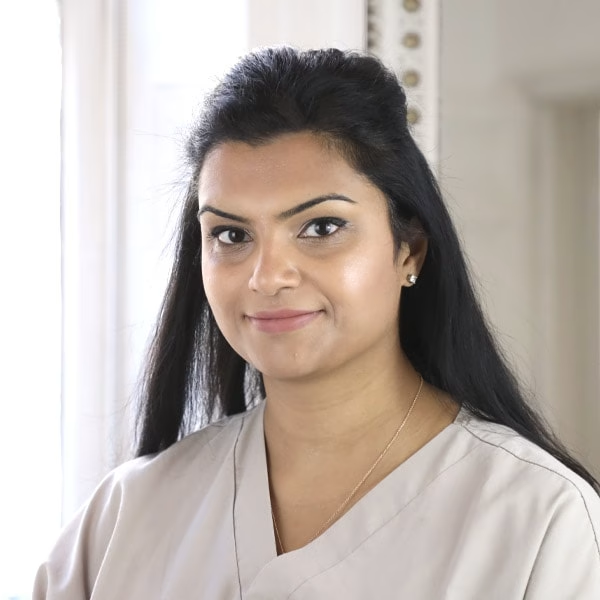
The number of appointments needed depends on your specific clinical needs. A consultation with Dr Neha Patel, specialist in endodontics (GDC No. 150517), determines the exact sequence of visits needed to complete the closure.
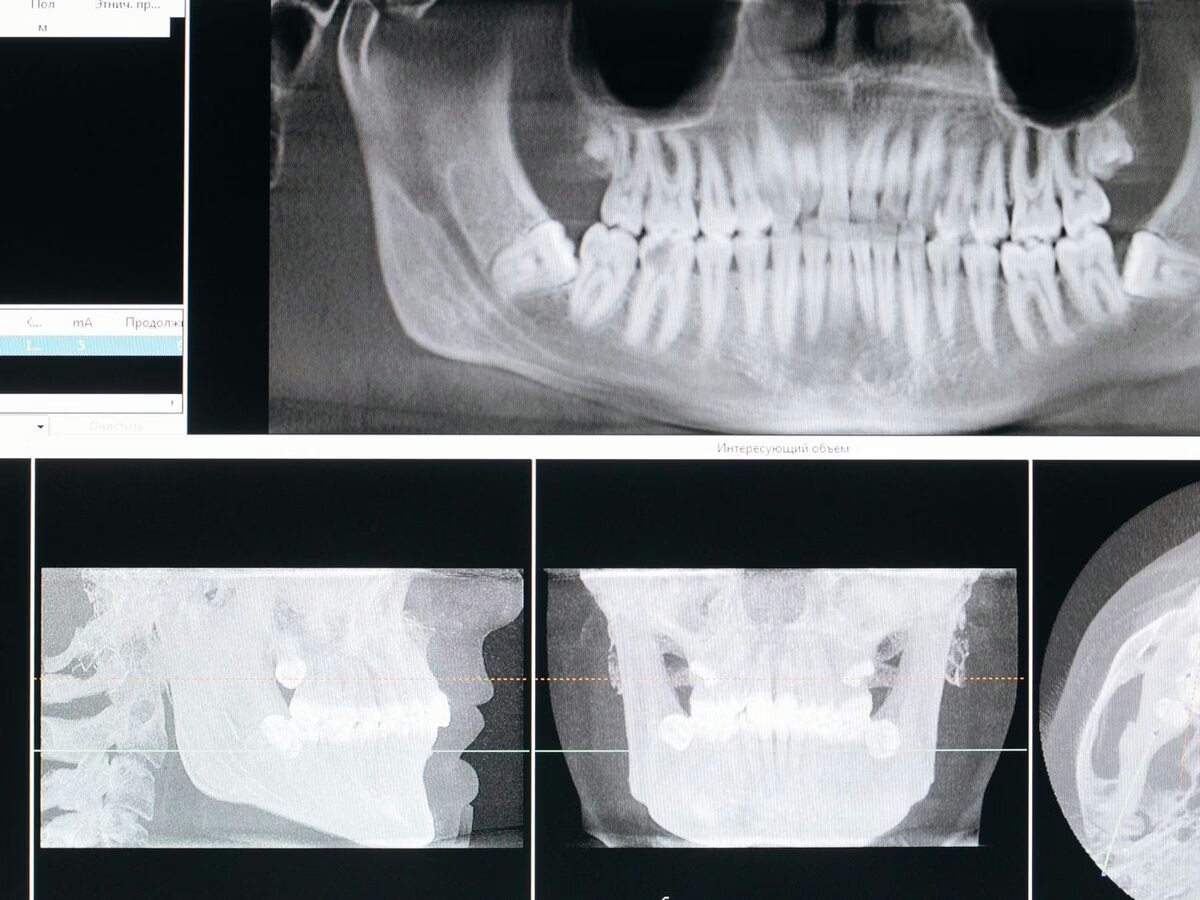
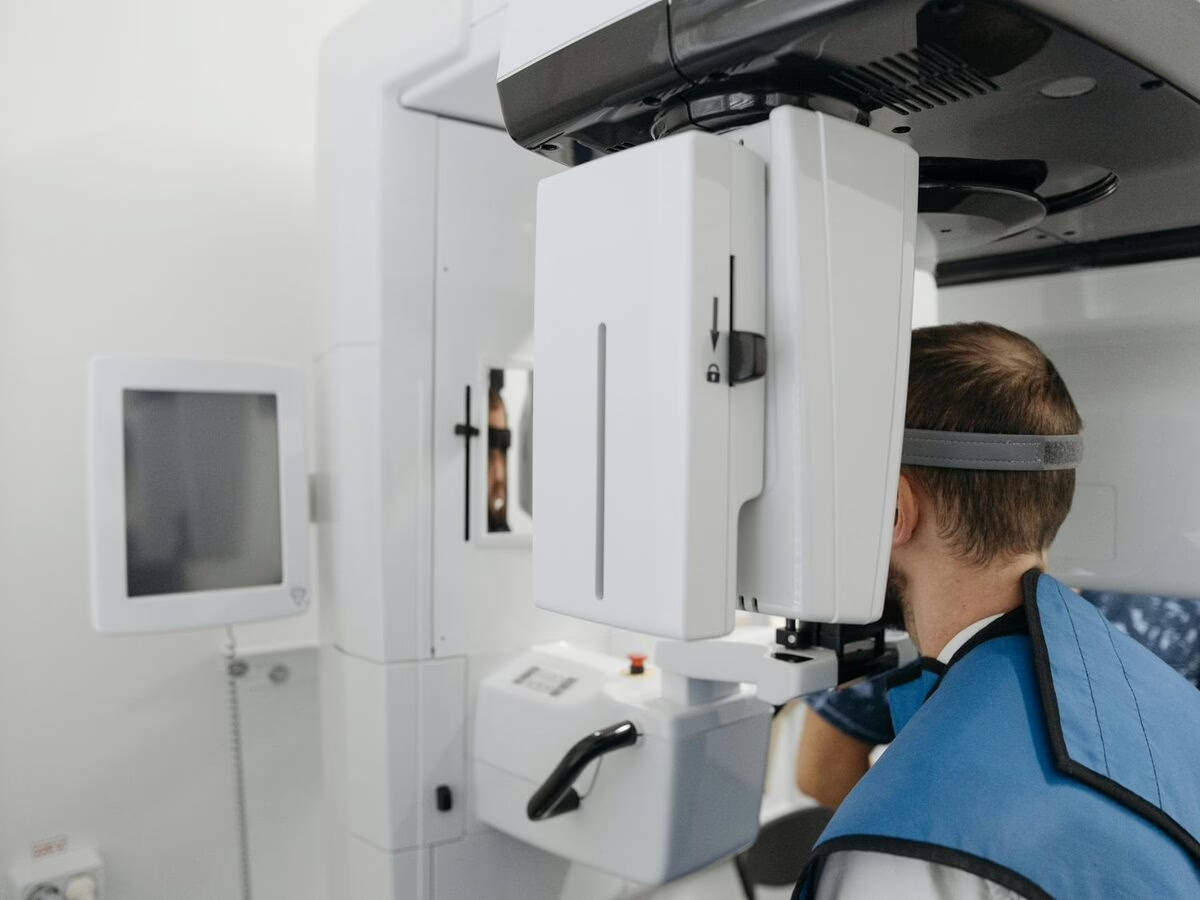
Persistent tooth pain is often a sign of infected pulp. Left untreated, these infections can become serious and spread to adjacent teeth. You may feel unsure whether your tooth can be saved or whether extraction is the only option. We use 3D CBCT imaging and non-invasive sensibility tests to gauge nerve response and identify the precise cause of your discomfort, which cuts the need for exploratory treatment and helps us preserve the natural tooth through endodontics in London. Whether you are dealing with dental trauma care or a suspected fracture, Dr Patel uses these diagnostics to build a targeted plan.
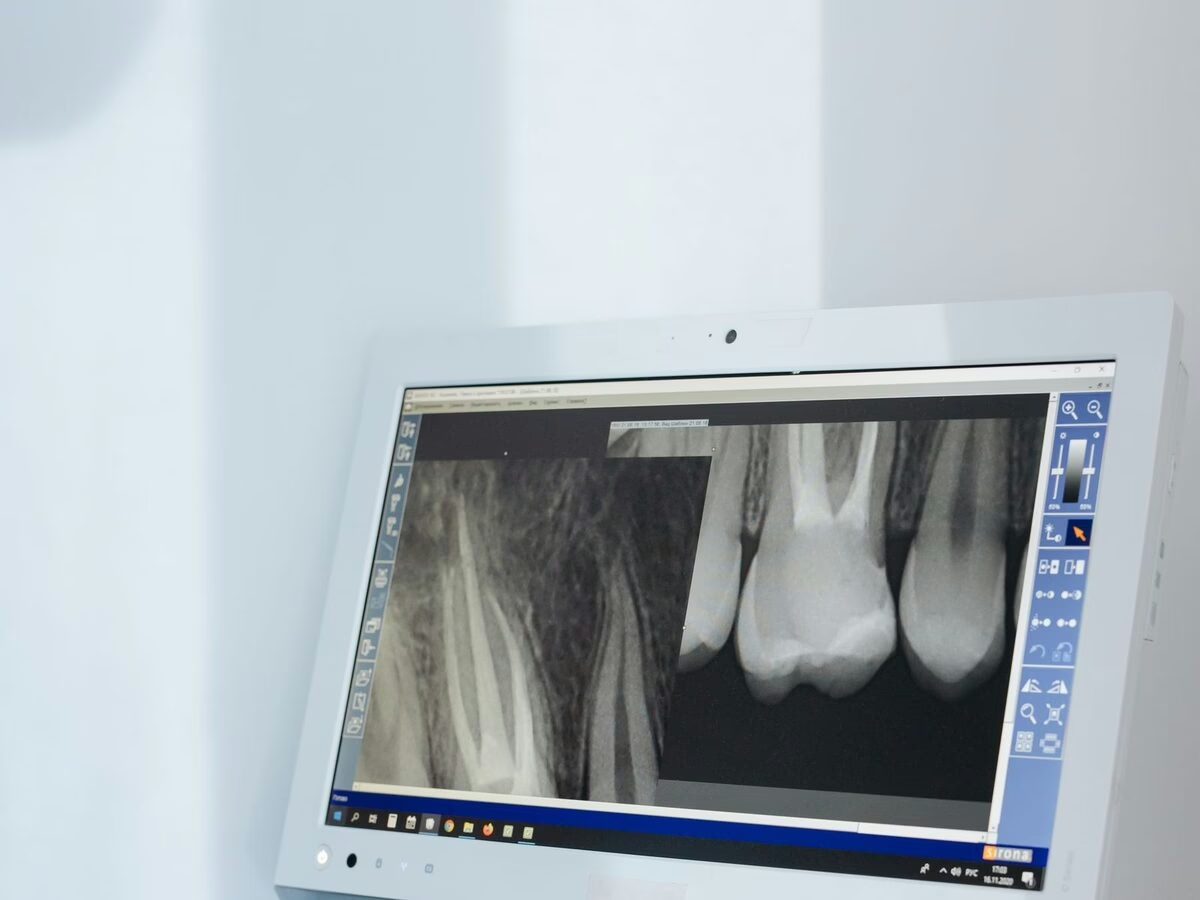
Choosing the wrong clinical path can lead to permanent tooth loss. We prevent this through specialist-led planning, where Dr Patel assesses the root development to decide the most viable outcome. This diagnosis-first approach means you receive the correct treatment for your specific anatomy. For some patients, we may recommend regenerative endodontics for immature teeth to encourage further root growth.
Cost is often a primary concern when seeking specialist care. We provide pricing transparency through an itemised quote, so you understand exactly what is required before any work begins. Your initial consultation sets out the clinical necessity and the total cost, removing the risk of unexpected fees.

Leave your number and we will call you back. Nothing is booked until you say so.
Saving a tooth that has not fully developed is the primary goal of this treatment. We work with patients where the root has not finished growing, often because of injury or decay, to prevent tooth loss. An endodontist manages this process to create a barrier at the root end, so the tooth stays functional and stable. If you are unsure which root canal treatments: which option fits your case, we can clarify this at your visit.
It is common to feel anxious about dental work or worried about the state of your teeth. We provide a supportive environment to address these concerns without judgement. Dr Patel assesses each case to decide whether this method is the right choice for you, and your clinical assessment confirms your suitability.
We begin by examining the tooth to see whether the root is fully formed. This stage identifies whether you need pulp capping or a more involved procedure. We use this visit to discuss the timeline and any potential complications.
We remove infected nerve tissue to protect the natural tooth. This is a protective procedure, and we keep you as comfortable as possible throughout.
We place a medicated filling at the end of the root. This encourages the root to finish growing and close. It is a precise step that prevents further infection.
You return for periodic checks while we monitor the root end until it fully closes. This stage takes patience while the body heals naturally.
Once the root is closed, we clean the canal one last time and seal it permanently to keep the tooth stable. This final step completes the process.
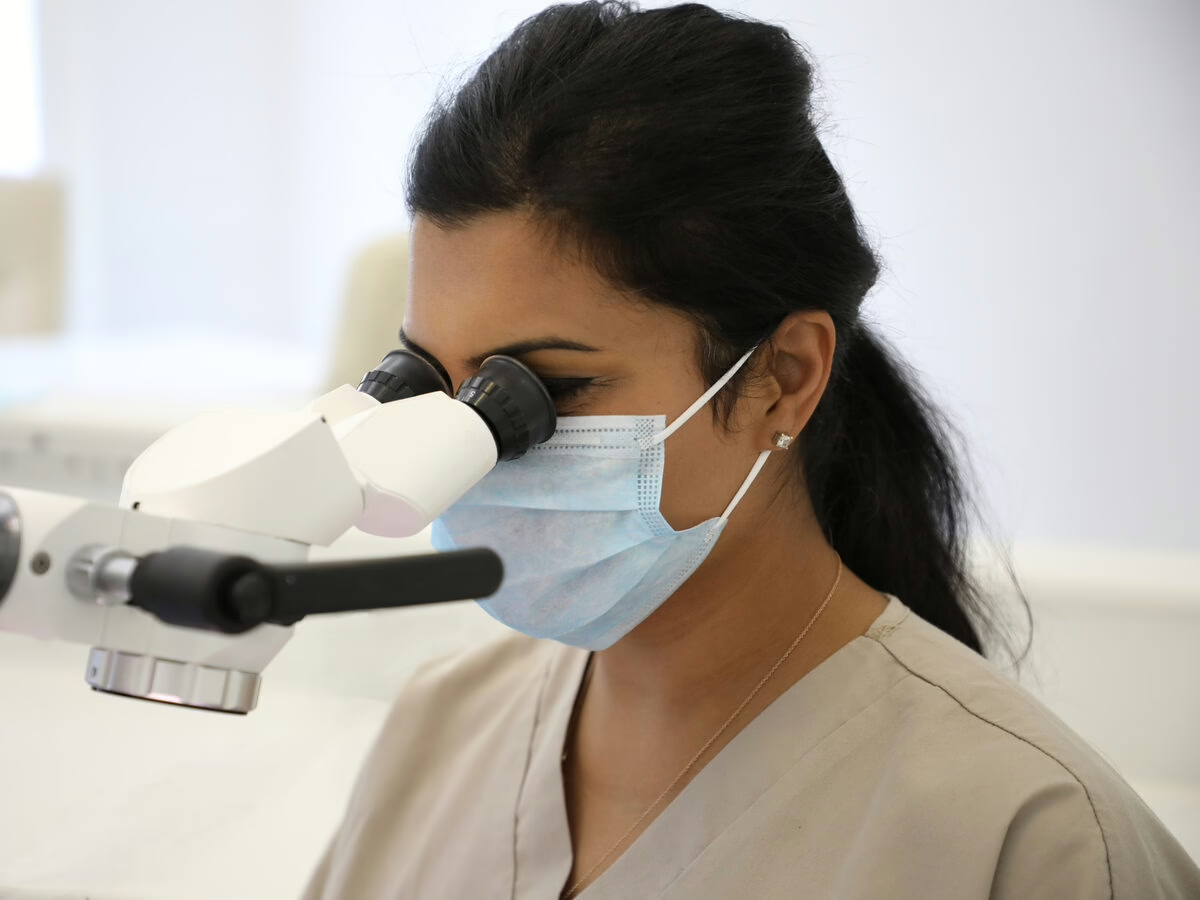
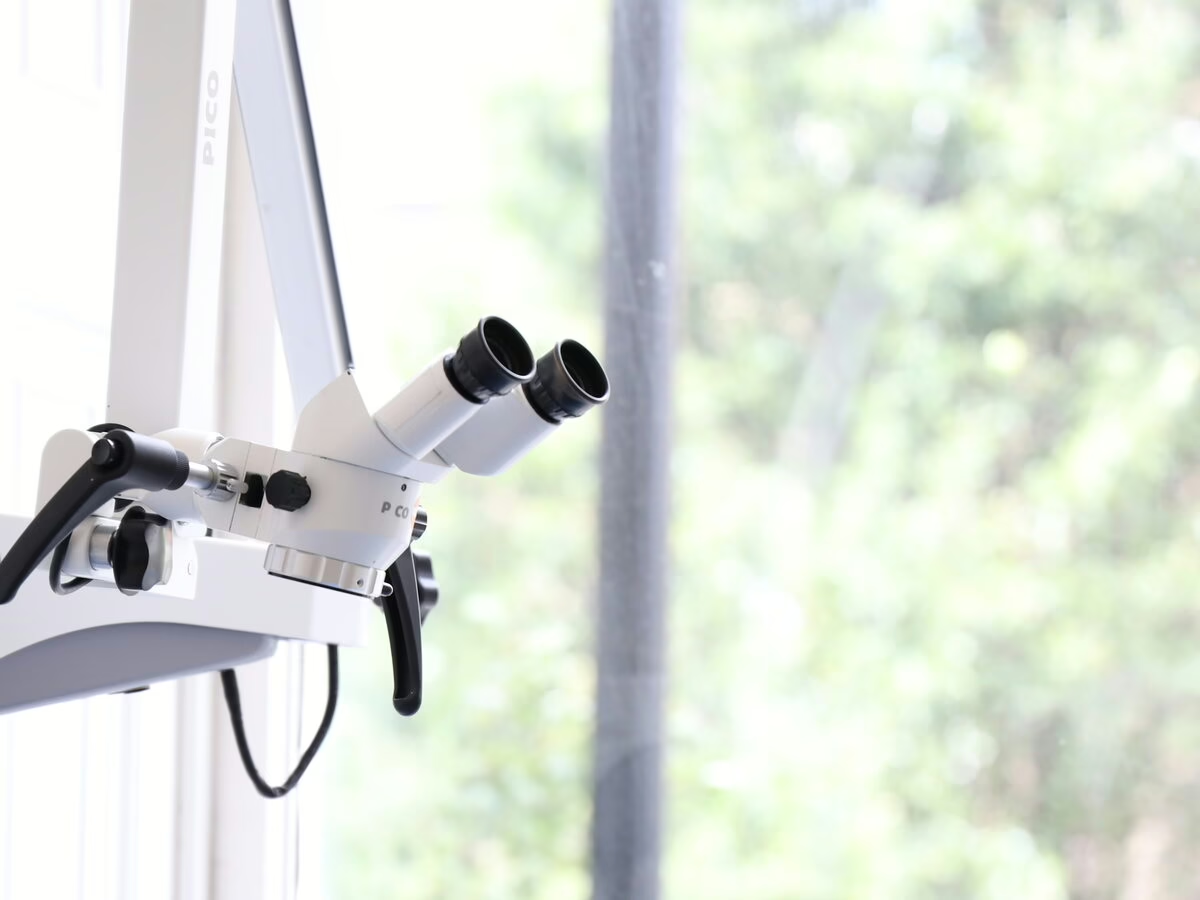
We use operating microscopes, precision instruments, and advanced materials for filling and canal disinfection, and magnification for the precise diagnosis of tooth fractures, letting us provide microsurgery that preserves the natural tooth and restores oral health.
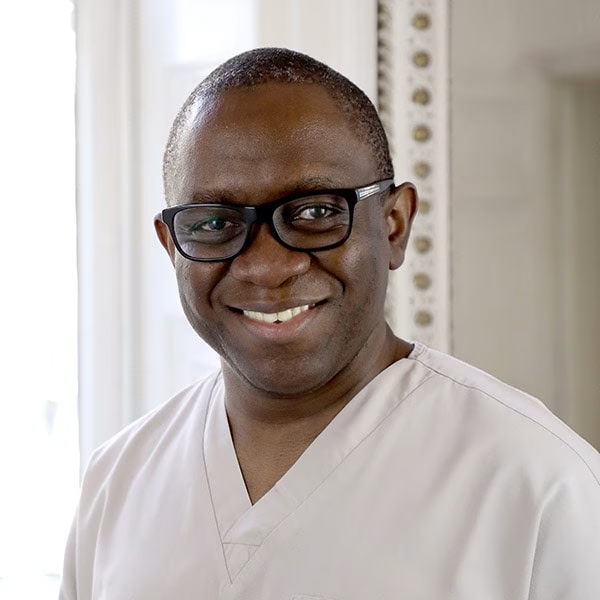
We use bioactive materials to stimulate dentine bridge formation, which promotes pulp healing. For patients seeking an alternative to traditional apexogenesis, regenerative treatment is another option. The practice is led by Dr Ope Sodeinde, GDC-registered specialist periodontist (GDC No. 104071).
This focus extends to our wider endodontic services, including root canal retreatment, apicoectomy, and cracked tooth treatment. We also provide dental trauma care and treatment for luxation.
We confirm the cost of this treatment at your clinical assessment. Because every case differs, you receive a specific fee once we have examined the tooth and its root development.
The timeline depends on how the root responds to the medication. We assess progress at each visit to determine when the root end has closed sufficiently.
We use local anaesthesia so you are comfortable during the procedure, which prevents pain while we treat the canal.
The goal is to maintain the natural tooth for the long term. We assess the stability of the root end at your follow-up appointments to monitor the outcome.
A consultation with Dr Patel determines whether this procedure is the right choice for your specific clinical needs. We use this appointment to assess the tooth and explain what happens at your root canal consultation and how to book. You can also find more information about endodontics in London to understand how we manage complex root canal cases.
020 7589 7792
A consultation with Dr Patel lets us assess your specific clinical needs. We can then decide whether this approach suits you or whether regenerative endodontics for immature teeth is the more appropriate option.
You receive a written plan and an itemised quote that is yours to keep and use at any other practice. You can arrange your assessment with Dr Patel to determine whether this treatment is right for you.
020 7589 7792.
Real, verified Google reviews from patients of London Dental Specialists.
Your details are used to arrange your appointment and for nothing else.
111 Regent's Park Road, Primrose Hill, London NW1 8UR
Use our contact page if you would rather ask something than book.
