Family Friendly & Specialty Dentists in London, UK
Pulp capping protects the inner pulp of a tooth from further damage. We use this technique to help preserve the natural tooth structure and avoid more invasive treatment.
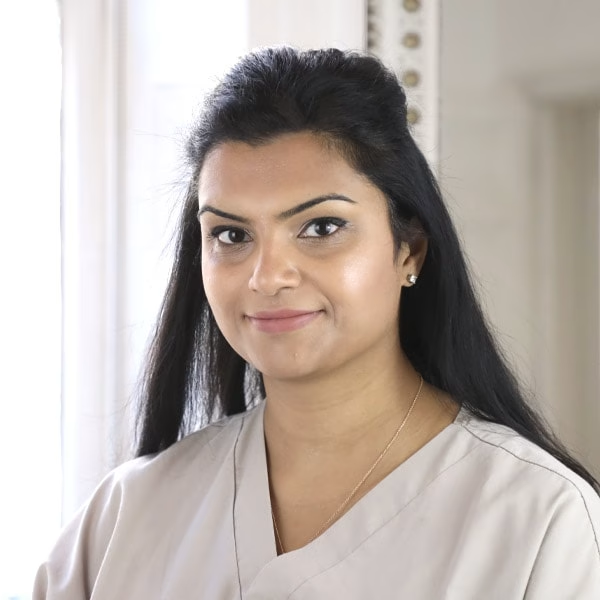
Dr Neha Patel, specialist in endodontics (GDC No. 150517), carries out this treatment and focuses on the best achievable outcome for your tooth.
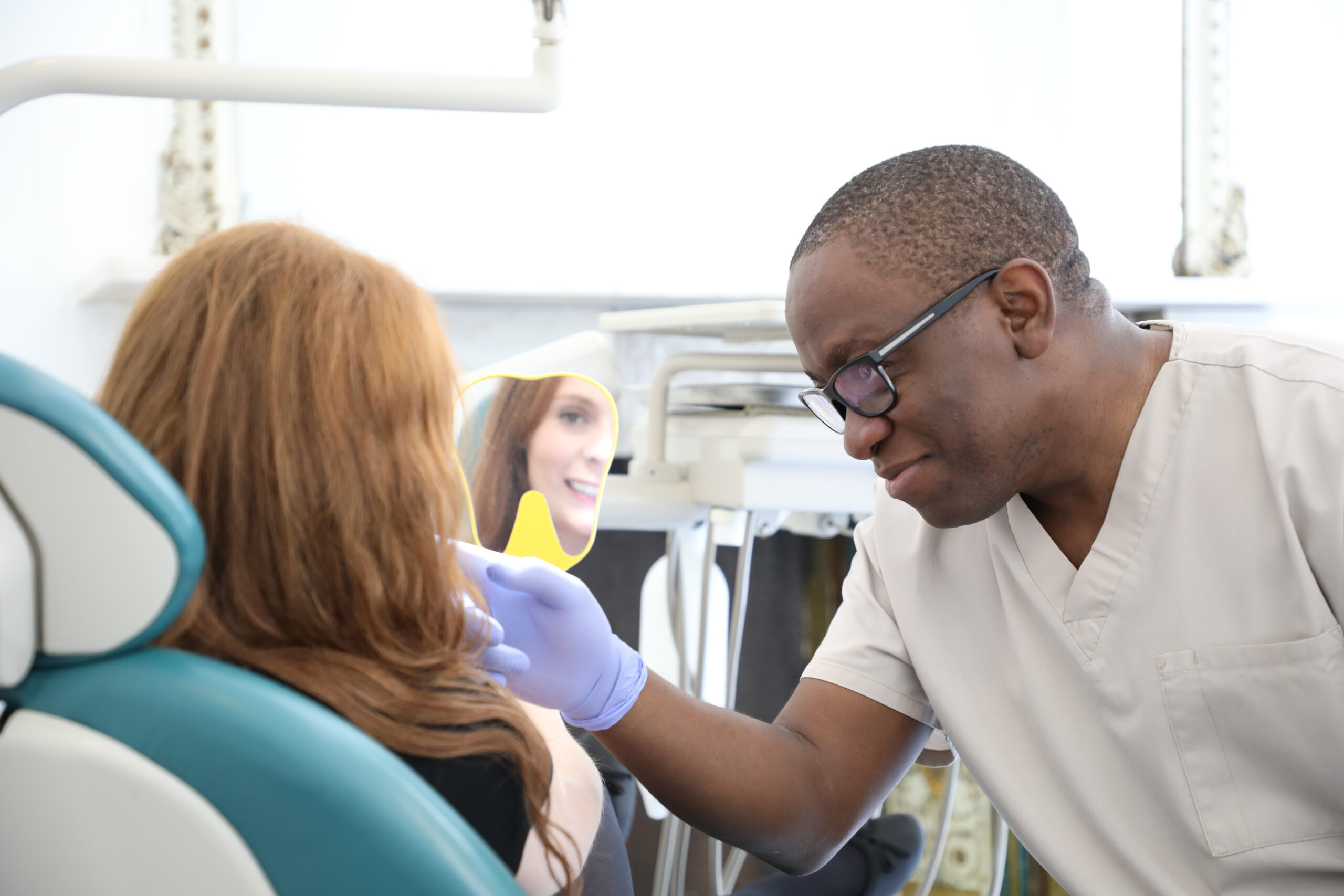
Sharp pain or sensitivity often signals that the inner nerve of a tooth is under threat. You may be unsure whether the tooth can be saved or whether a more invasive procedure is needed. We use 3D CBCT imaging and pulp vitality tests to establish the exact state of the nerve, which helps us identify cracked tooth syndrome or incomplete fractures that are often invisible to the naked eye. If you need a broader overview of endodontics in London, this diagnostic clarity is what lets Dr Patel avoid an unnecessary extraction and build a plan that preserves the natural tooth.
Choosing the wrong treatment for an exposed nerve can lead to avoidable tooth loss, so we assess before we treat. Our clinical assessment identifies the exact cause of the exposure and whether the case needs cracked tooth treatment or, if the damage is more severe, root amputation. Dr Patel assesses the health of the pulp to keep the approach as conservative as the tooth allows.
Leave your number and we will call you back. Nothing is booked until you say so.
Saving a tooth with an exposed pulp requires a precise assessment. We use CBCT 3D imaging to map the internal anatomy and judge whether the pulp can be preserved, which is often a priority for those seeking dental trauma care after an injury. Dr Patel evaluates the health of the nerve to decide whether this approach is viable or whether a root canal is necessary. Putting off a visit because of anxiety is common, and we provide a calm environment to help you move forward.
We begin by examining the tooth to see whether the nerve is salvageable. This stage may involve a microscopic examination to detect hairline fractures, and we assess whether the pulp is healthy enough to avoid a full root canal.
Once we confirm the tooth is suitable, we remove any contaminated tissue and place a biocompatible material directly over the exposed nerve. This seal encourages the tooth to heal itself by forming a new layer of dentine.
Some cases follow specific accidents. We use these techniques to manage luxation injuries where teeth have been displaced, with the goal of keeping the tooth's natural vitality.
We cover the protective material with a temporary filling to protect the seal while the pulp heals, and monitor the tooth for signs of inflammation or complications during this period.
Once the pulp has stayed healthy, we place a permanent restoration so the tooth is structurally sound and sealed against bacteria. Dr Patel checks the final fit closely to prevent future decay.
We use operating microscopes, precision instruments, and modern materials for filling and canal disinfection, alongside bioactive materials that stimulate dentine bridge formation and support pulp healing.
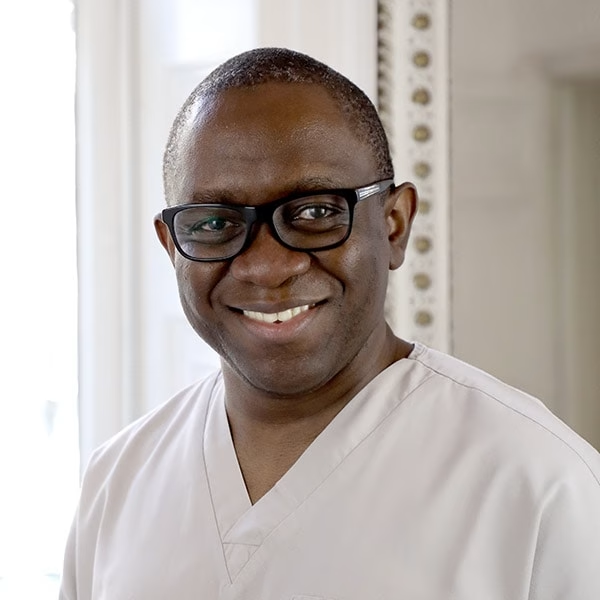
For more complex cases we also carry out root canal retreatment, apicoectomy, and dental trauma care. The practice is led by Dr Ope Sodeinde, GDC-registered specialist periodontist (GDC No. 104071).
Whether you need cracked tooth treatment or care for luxation, we explain every step as we go.
We aim to deliver a professional standard of care that prioritises the long-term health of your tooth, with honest options given in a calm, unhurried manner. If a full capping is not the right path, we can discuss a pulpotomy to remove only part of the pulp.
We confirm the cost at your clinical assessment. The final fee depends on the extent of the damage and the materials needed to protect the nerve.
It is a conservative alternative that aims to keep the tooth's nerve alive. If the pulp is healthy enough to be saved, we avoid the more invasive process of removing the nerve entirely.
We provide fees after a physical examination, once we have assessed the tooth and confirmed this approach is viable.
The duration varies with the complexity of the exposure. We give you a precise timeframe once we have examined the tooth.
If you have experienced a traumatic injury, we also provide knocked-out tooth treatment to help save the natural structure.
Whether this procedure suits you depends on the extent of the nerve exposure. Dr Patel determines the suitability of this approach at a clinical examination. You can read what happens at your root canal consultation and how to book to get a definitive answer for your case, or call 020 7589 7792 to speak to us first.
A consultation with Dr Patel establishes whether this approach suits your tooth, or whether a pulpotomy is needed instead. Related care covers cracked tooth treatment, dental trauma care, luxation injuries, knocked-out tooth treatment, and root amputation.
We give you a written plan and an itemised quote at your visit, which is yours to keep and use at any other practice. You can arrange your assessment with Dr Patel to find out whether this treatment suits you.
020 7589 7792
Real, verified Google reviews from patients of London Dental Specialists.
Your details are used to arrange your appointment and for nothing else.
111 Regent's Park Road, Primrose Hill, London NW1 8UR
Use our contact page if you would rather ask something than book.
