Family Friendly & Specialty Dentists in London, UK
A pulpotomy removes the inflamed or infected part of the dental pulp from the crown of the tooth and leaves the healthy pulp in the roots in place, so the tooth stays alive. We assess at your consultation whether this partial removal is enough for your tooth and how many visits it will take.
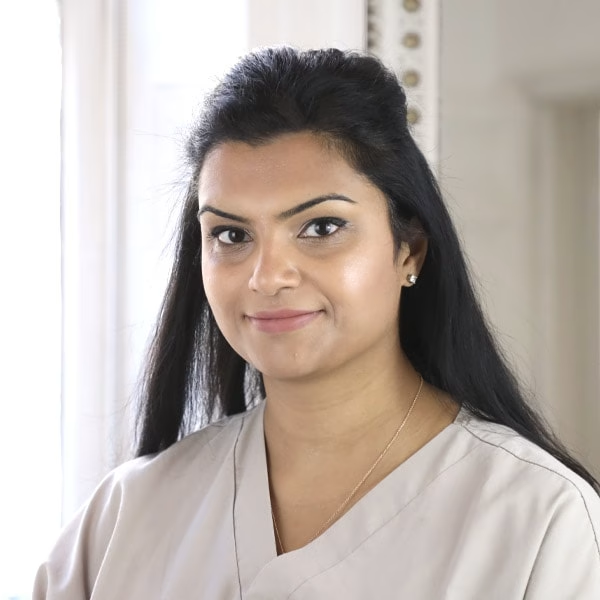
Pulpotomy at the practice is carried out by Dr Neha Patel, specialist in endodontics (GDC No. 150517).
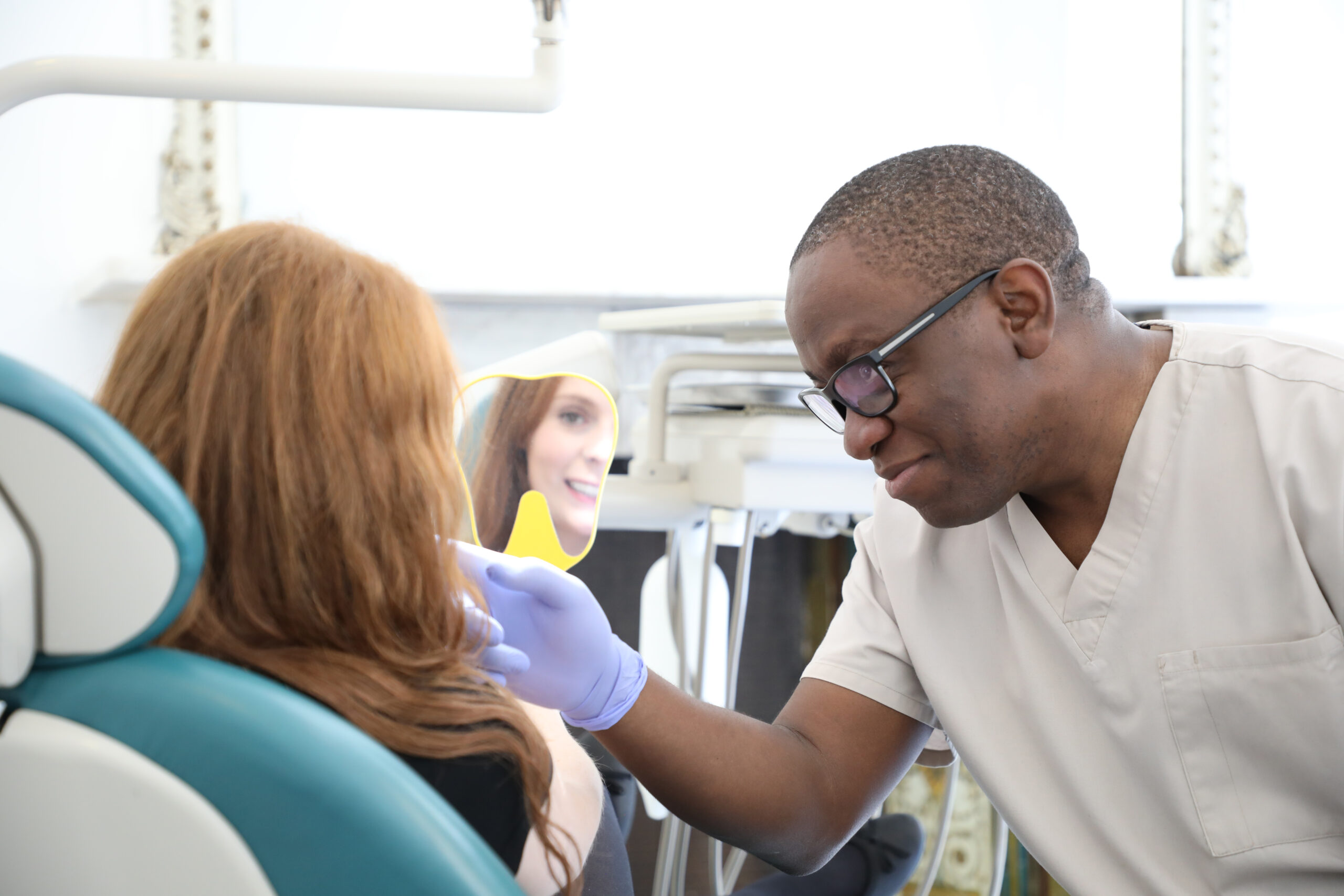
Persistent dental pain is often a sign of infected pulp. Left untreated, the infection can spread beyond the tooth. You may be unsure whether the tooth can be saved or whether extraction is the only option. We use 3D CBCT imaging and non-invasive sensibility tests to gauge how the nerve responds and to find the cause of the discomfort before any treatment starts, which reduces the need for exploratory work. We provide endodontics in London to keep the natural tooth and stop the infection spreading, and Dr Patel uses these findings to build a plan for your specific case.
Choosing the wrong treatment can cost you a tooth unnecessarily, so we plan before we treat. Dr Patel assesses whether removing only the damaged part of the pulp is a realistic way to keep the tooth, or whether a full root canal is needed. CBCT 3D imaging maps the internal anatomy of the root before we begin.
Cost is a common concern. The consultation is diagnosis first, so you receive the correct recommendation and an itemised breakdown of fees before any work starts. Quick, accurate decisions matter most for people needing dental trauma care after an injury.
Leave your number and we will call you back. Nothing is booked until you say so.
A pulpotomy suits teeth where the damage is confined to the pulp in the crown and the root pulp is still healthy. This is often the case after luxation injuries, or when a microscopic examination shows a crack that has reached the pulp but not the root. Putting off a visit because of anxiety is common, and we do not judge anyone for delaying care. Dr Patel confirms at the clinical assessment whether this method is suitable for your tooth.
We examine the tooth to find out whether the root pulp is healthy enough to keep. This visit establishes whether partial removal is the right choice or whether a full root canal is needed, and we go through endodontics costs in London for either route. We also identify any likely complications before starting.
Under local anaesthetic, we open the tooth and remove the diseased pulp from the crown, leaving the healthy tissue in the roots. This stops the spread of infection while keeping the tooth alive.
Once the damaged tissue is cleared, we place a medicated material over the remaining pulp and seal the chamber so bacteria cannot re-enter. Keeping the pulp alive in this way is also important after knocked-out tooth treatment, where the aim is to keep the tooth viable.
We schedule a follow-up to check that the remaining pulp is healthy and the infection has cleared, and that the tooth is settling.
Once the tooth is stable, we place a permanent restoration. This protects the tooth from further decay and returns it to full function.
Pulpotomy is carried out under an operating microscope with fine instruments. The magnification also lets us see tooth fractures that are invisible to the naked eye, which matters because a crack into the pulp changes the treatment.
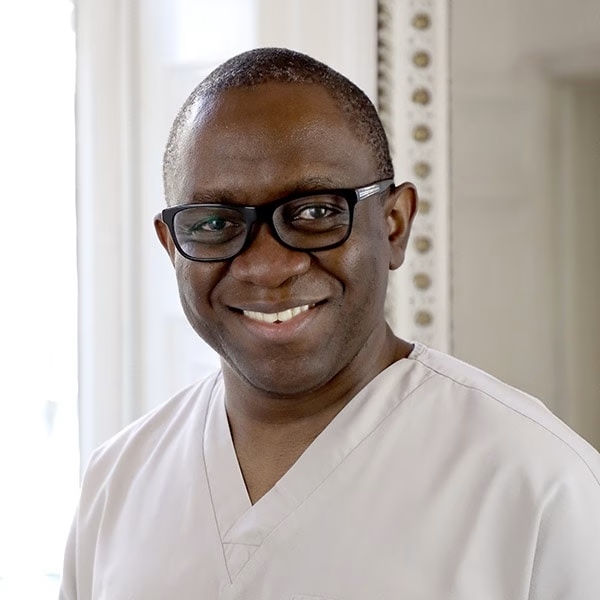
We use bioactive materials over the remaining pulp to encourage a dentine bridge to form, which is how the pulp heals and seals itself. Alongside pulpotomy, our endodontic work includes root canal retreatment, apicoectomy, cracked tooth treatment and care for dental trauma and luxation. The practice is led by Dr Ope Sodeinde, GDC-registered specialist periodontist (GDC No. 104071).
We focus on the clinical result. Patients tell us they care most about the final outcome and the professionalism of the team. We keep appointments calm and unhurried at our Primrose Hill practice, and we give honest options without pressure.
Some cases need more than partial removal. Where one root of a multi-rooted tooth cannot be saved, a root amputation can remove that root and keep the rest of the tooth. Dr Patel assesses each case to decide the most appropriate route.
Fees are confirmed at your clinical assessment, once we have examined the tooth and the extent of the damage.
The length of the appointment depends on the tooth. We confirm the timeframe at your initial assessment.
The area is numbed before we start, so you should not feel pain while the damaged pulp is removed.
The aim is to keep the natural tooth and prevent tooth loss. Depending on the diagnosis, we may suggest pulp capping instead, or a full root canal if the root pulp is already involved.
A consultation tells you whether this option suits your tooth and what to expect from the result. We explain what happens at your root canal consultation and how to book so you get a definite clinical answer. Dr Patel carries out the assessment and gives you a clear plan based on your tooth.
020 7589 7792
A consultation with Dr Patel confirms whether this procedure is the right choice for your tooth, and we use the 3D scan to map its internal anatomy before treatment begins. The related pages linked above cover dental trauma care, luxation injuries, knocked-out tooth treatment, pulp capping and root amputation in more detail.
You receive a written plan and an itemised quote that is yours to keep and use at any other practice. You can arrange your assessment with Dr Patel to find out whether this treatment is right for you.
020 7589 7792
Real, verified Google reviews from patients of London Dental Specialists.
Your details are used to arrange your appointment and for nothing else.
111 Regent's Park Road, Primrose Hill, London NW1 8UR
Use our contact page if you would rather ask something than book.
