Family Friendly & Specialty Dentists in London, UK

Our specialist Brunswick Park clinic delivers Apicoectomy for Persistent Apical Inflammation using precision technology not commonly available in standard dental surgeries. Our dentists offer specialised expertise in their specific areas, ensuring accurate treatment with exceptional attention to detail. Experience superior Apicoectomy for Persistent Apical Inflammation results from our expert team serving the Brunswick Park community.
Dr. Sodeinde and our team maintain GDC specialist registration with qualifications from top institutions including King's College London and Newcastle University. Our Apicoectomy for Persistent Apical Inflammation services adhere to BDA standards and UK dental governance, ensuring Brunswick Park patients receive care satisfying all regulatory requirements.





Your Apicoectomy for Persistent Apical Inflammation treatment at London Dental Specialists benefits from our comprehensive aftercare and expert approach in Brunswick Park. Dr. Sodeinde holds MClinDent Prosthodontics with Distinction and leads a team of GDC registered specialists. We welcome referrals from dental practices because of our proven expertise. Watch how our real patients describe their positive Apicoectomy for Persistent Apical Inflammation outcomes:
Looking for expert care? Book a consultation with our GDC-registered specialists in Brunswick Park. Appointments available within days, including evenings.
Each visit includes detailed diagnostics, expert review, and a fully itemised plan—no jargon. We accept major UK insurance plans and offer easy monthly options.
Our practice is led by Dr. Ope Sodeinde, a GDC-registered Specialist in Prosthodontics with over 20 years of clinical experience. From diagnostics to aftercare, our team uses the latest dental technology and clinical protocols to deliver safe, consistent results.
Request your consultation by calling +44 7700 100779 or sending your details through the form. Have questions? We’re happy to help. Send us your details and let’s talk.
An apicoectomy is a minor surgical procedure aimed at removing the tip of a tooth's root and surrounding infected tissue, especially when standard root canal treatments have not resolved persistent apical inflammation. At London Dental Specialists, we follow a meticulous four-step process to ensure optimal outcomes:1. **Consultation & Assessment**: We begin with a comprehensive evaluation, including detailed imaging, to assess the extent of the infection and determine the suitability of an apicoectomy.2. **Custom Treatment Plan**: Based on the assessment, we develop a personalised treatment plan tailored to address the specific needs of your dental health.3. **Treatment Procedure**: The procedure involves making a small incision in the gum tissue near the affected tooth to access and remove the root tip and infected tissue. The root canal is then cleaned and sealed to prevent future infections.4. **Post-Treatment Care**: After the procedure, we provide detailed aftercare instructions to promote healing and monitor your recovery through follow-up appointments.This structured approach ensures that each patient receives thorough care, aiming to preserve natural teeth and restore oral health effectively.
Come from Brunswick Park to London Dental Specialists for precision Apicoectomy for Persistent Apical Inflammation surgery and immediate implants. Take the Central Line toward central London, transfer to the Northern Line at Bond Street, then travel to Regent's Park station. Our practice opposite Regent's Park offers accessible parking.
We use Apicoectomy for Persistent Apical Inflammation to treat multiple dental conditions at our Brunswick Park practice, focusing on conditions that benefit well to this treatment. Our qualified team establishes which conditions are most suitable for Apicoectomy for Persistent Apical Inflammation. We provide honest guidance about expected outcomes for your specific condition.

Principal Dentist & Specialist in Periodontics
BDS MFDS RCS(Ed) MSc(Rest Dent) MClinDent(Perio) MPerioRCS(Ed)
GDC No: 104071

Specialist in Endodontics
BDS MFDS RCS(Ed) FHEA MClinDent(Ed) MEndoRCS(Ed)
GDC No: 150517

Specialist in Orthodontics
DipDS Athens MS(Ortho) OSU
GDC No: 228487
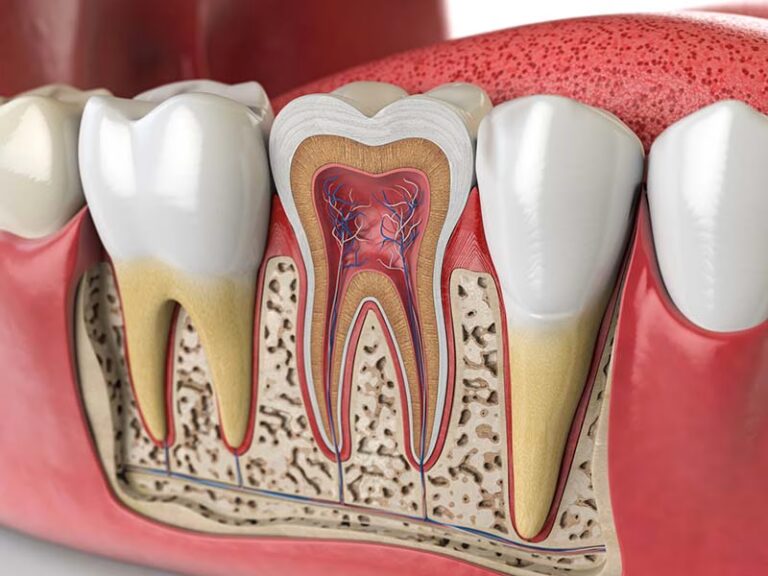
An apicoectomy is a minor surgical procedure performed when a conventional root canal treatment has failed to resolve persistent apical inflammation. During this procedure, our specialists at London Dental Specialists remove the infected tip of the tooth's root (apex) and surrounding infected tissue, followed by sealing the end of the root canal to prevent reinfection. This procedure is sometimes referred to as root-end surgery or root tip surgery and aims to save the tooth by eliminating the source of infection.
An apicoectomy becomes necessary in several situations, including:
At London Dental Specialists, our apicoectomy procedure involves several precise steps:
Most patients can return to normal activities the day after an apicoectomy. Some swelling and discomfort are normal for 2-3 days following the procedure. Complete healing of the bone typically takes several months, though this occurs without affecting your daily routine. Our specialists at London Dental Specialists provide detailed aftercare instructions and may prescribe antibiotics or pain medication as needed to ensure a comfortable recovery.
The apicoectomy procedure itself is not painful as it is performed under local anaesthetic. Following the procedure, patients may experience mild to moderate discomfort for a few days, which can typically be managed with over-the-counter pain medication. Any severe pain should be reported to our team at London Dental Specialists immediately, as it may indicate a complication requiring attention.
Apicoectomy procedures at London Dental Specialists have a high success rate of approximately 85-90% when performed by our experienced specialists. The success depends on various factors including the specific tooth involved, the extent of infection, and the patient's overall oral health. Regular follow-up appointments are essential to monitor healing and ensure long-term success.
While apicoectomy is generally safe, potential risks include:
Our specialists at London Dental Specialists take every precaution to minimise these risks and will discuss them thoroughly during your consultation.
With proper care and regular dental check-ups, a successful apicoectomy can last a lifetime. The treated tooth should function normally once healing is complete. To ensure longevity, we recommend maintaining excellent oral hygiene, attending regular dental examinations, and following any specific care instructions provided by our team at London Dental Specialists.
Yes, alternatives to an apicoectomy include:
Our specialists at London Dental Specialists will thoroughly evaluate your specific case and discuss all available options to help you make an informed decision about your dental health.
Can't locate what you were looking for about Apicoectomy for Persistent Apical Inflammation? We're here to help - get in touch with us with your specific Apicoectomy for Persistent Apical Inflammation needs. From our Brunswick Park practice, we're committed to supporting you.
| Product | Brands | What it Takes Care of | Details |
|---|---|---|---|
| Antimicrobial Mouthwash | Corsodyl, Listerine Zero, Dentyl | Infection prevention | Helps prevent infection at the surgical site following apicoectomy. |
| Ultra-Soft Toothbrush | Oral-B Sensitive, Colgate Slim Soft | Gentle cleaning | Extra-gentle bristles to avoid disturbing the surgical site. |
| Salt Water Rinse Kit | Boots Pharmaceuticals, Superdrug | Gentle cleaning, Inflammation reduction | For gentle rinsing of the surgical area to reduce swelling. |
| Cold Compress | Boots, Superdrug, Lloyds Pharmacy | Swelling management | Helps reduce post-operative swelling when applied externally. |
| Pain Relief Medication | Nurofen, Panadol, Anadin | Pain management | Non-aspirin pain relievers to manage post-operative discomfort. |
| Soft Diet Supplements | Complan, Ensure, Fortisip | Nutrition | Nutritional supplements for the initial recovery period when chewing may be difficult. |
| Sensitivity Relief Toothpaste | Sensodyne, Colgate Sensitive Pro-Relief | Sensitivity management | Helps manage tooth sensitivity following root-end surgery. |
| Interdental Brushes | TePe, Oral-B | Gentle interdental cleaning | For careful cleaning around the treated area once initial healing has occurred. |
| Antibacterial Oral Gel | Corsodyl, Bonjela | Localised treatment | Can be applied directly to the gum area to promote healing. |
| Straw Set | Lakeland, John Lewis | Protection during drinking | Helps avoid disturbing the surgical site when drinking. |
| Oral Irrigation Device | Waterpik (low setting only), Philips Sonicare Airfloss | Gentle cleaning | For gentle cleaning around the surgical site after initial healing (only as recommended by your dentist). |
| Vitamin C Supplements | Boots, Holland & Barrett, Vitabiotics | Healing support | Supports tissue healing and recovery after apicoectomy. |
We're here to respond to all your concerns about Apicoectomy for Persistent Apical Inflammation services in Brunswick Park. Our goal is to help you feel confident as you move forward with your oral health needs.



