Family Friendly & Specialty Dentists in London, UK
Broken instrument removal from the root canal system is a precise procedure to retrieve a separated file and save the natural tooth. We assess the complexity of the blockage during your consultation to confirm the exact timeframe for removal.
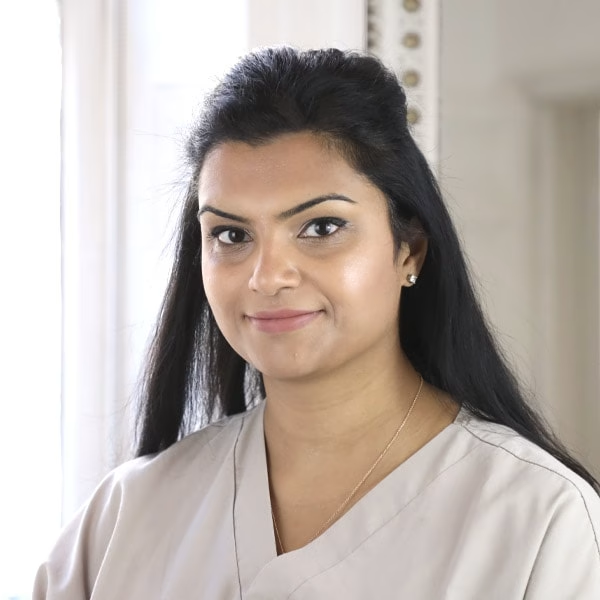
Dr Neha Patel, specialist in endodontics (GDC No. 150517), leads these cases at our Primrose Hill practice.
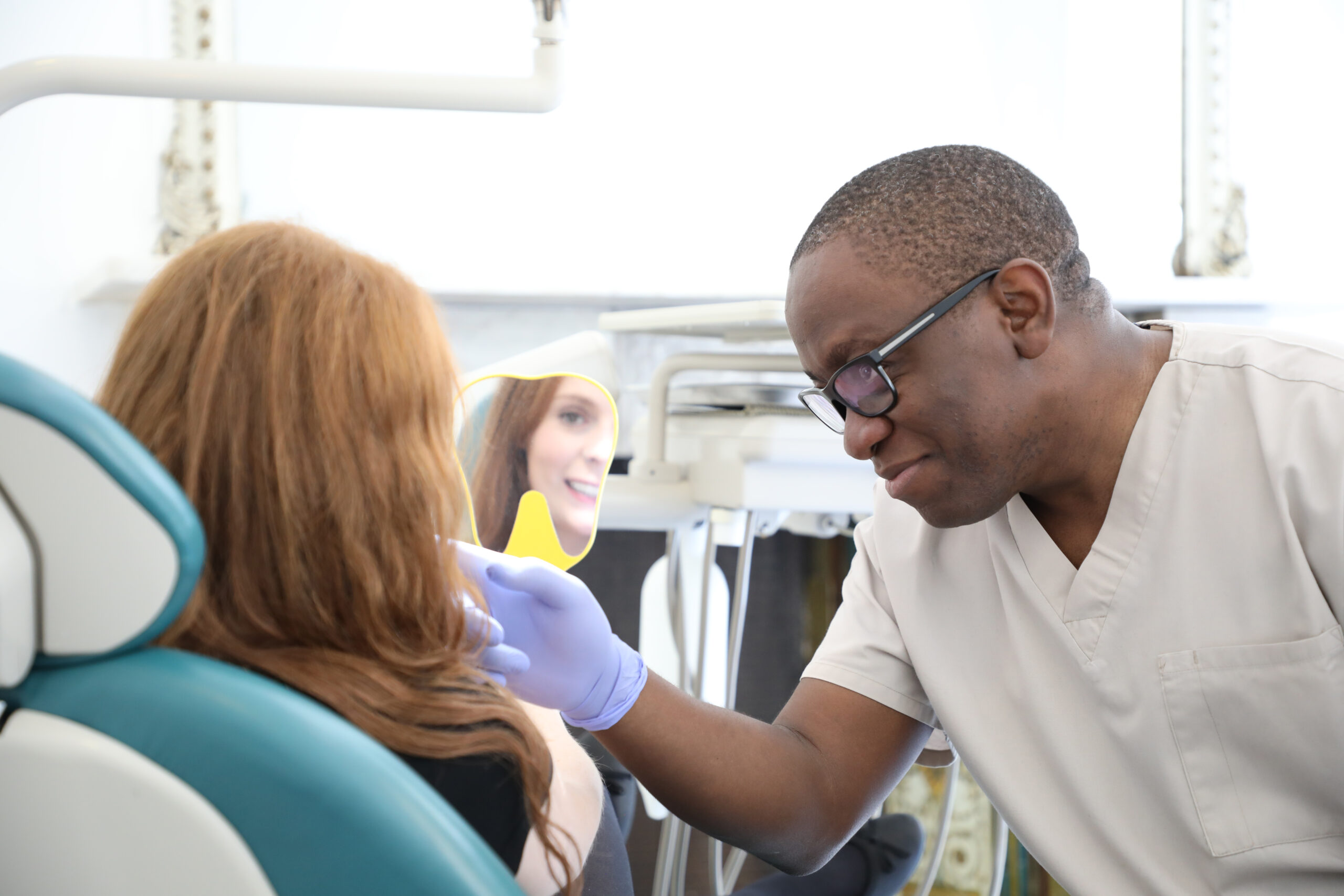
Finding a broken instrument in a root canal is a stressful discovery. You may feel uncertain about whether the tooth can be saved or whether extraction is inevitable. We use 3D CBCT imaging and an operating microscope to provide a precise diagnosis of tooth fractures and separated files, letting us identify the exact location of the obstruction without unnecessary exploratory treatment. If you need a wider range of endodontics in London, we provide everything from trauma management to surgical procedures. Dr Patel uses these diagnostic methods to decide whether we can remove the fragment and preserve your natural tooth structure.
Choosing the wrong approach for a separated file can lead to permanent tooth loss. We avoid this through specialist-led planning that decides whether a fragment can be safely retrieved or whether the tooth needs a different strategy. This precision extends to management of procedural errors in complex cases, so we do not compromise the root structure.
Cost is a primary concern for most patients. We provide a diagnosis-first consultation so you do not pay for unnecessary treatment. This lets Dr Patel assess the exact position of the instrument and give you an itemised quote before any fees are finalised. For those requiring further access, we also provide post removal for retreatment access.
Leave your number and we will call you back. Nothing is booked until you say so.
Finding a broken file in a tooth is a common clinical occurrence. It is not a failure of care, and you should not feel bad about it. We treat these cases with a focus on saving the natural tooth and avoiding tooth loss. An endodontist uses specific tools to retrieve the fragment or seal the canal.
We understand that the thought of further treatment can cause anxiety. We provide a calm environment to help you feel at ease. If you are unsure whether this is the right path, you can view our root canal treatments: which option fits to see how this compares with other methods. Dr Patel assesses each case to decide the best way forward.
We begin by examining the tooth to locate the fragment. This stage decides whether the object can be retrieved or whether root canal retreatment is the more viable path. We use this clinical data to map the exact position of the instrument.
We work to remove the separated piece from the canal. This is a precise process, clearing the space so we can remove infected nerve tissue and clean the root.
Once the fragment is removed, we disinfect the canal. This step is vital to protect the natural tooth from further infection, and we confirm the area is sterile before sealing.
We fill and seal the canal to prevent bacteria re-entering, creating a protective barrier that secures the internal structure of the tooth.
The process concludes with a permanent restoration that restores the tooth's strength and function. A consultation confirms the specific timeline for your final crown or filling.
We use operating microscopes, precision instruments, and advanced materials for filling and canal disinfection, alongside bioactive materials that stimulate dentine bridge formation and support pulp healing.
Precision matters most for complex cases. Magnification supports a precise diagnosis of tooth fractures, and this level of detail lets us perform microsurgery, which preserves the natural tooth and restores oral health.
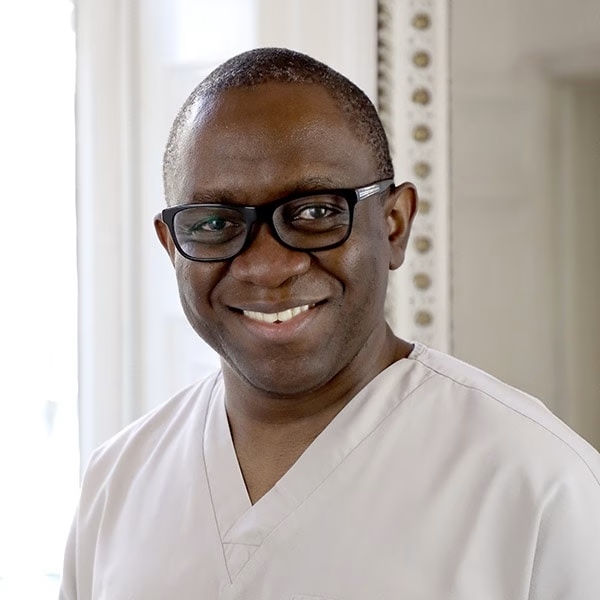
The practice is led by Dr Ope Sodeinde, GDC-registered specialist periodontist (GDC No. 104071). We provide a range of advanced interventions, including root canal retreatment, apicoectomy, and cracked tooth treatment, and we also manage dental trauma care and luxation.
A clinical assessment is needed to determine the extent of any damage. We examine the tooth to see whether a crack can be managed or whether the tooth is no longer viable.
The outcome depends on the location and depth of the fracture. We assess whether the tooth is saveable through endodontic treatment or whether extraction is necessary.
Yes, if the seal fails or new decay develops, bacteria can re-enter the canal system. We use diagnostic imaging to identify these failures and decide whether the tooth can be retreated.
Longevity depends on the quality of the restoration and your oral hygiene. We give you a detailed treatment plan at your consultation to discuss the long-term prognosis for your specific tooth.
We determine the viability of your tooth at a clinical examination. This assessment identifies whether the fragment can be removed and how to protect the remaining structure. You can find more information about endodontics in London to understand the broader scope of root canal care.
Dr Patel evaluates the position of the instrument to plan the safest retrieval method, then explains the findings and the steps needed to save the tooth. Learn what happens at your root canal consultation and how to book to begin the process.
020 7589 7792
We provide an examination to determine the specific requirements of your case. This lets Dr Patel evaluate the canal system and plan the most effective approach, including management of procedural errors in complex cases and post removal for retreatment access where needed.
Call 020 7589 7792.
You receive a written plan and itemised quote that is yours to keep and use at any other practice. You can arrange your assessment with Dr Patel to determine the next steps for your tooth.
020 7589 7792
Real, verified Google reviews from patients of London Dental Specialists.
Your details are used to arrange your appointment and for nothing else.
111 Regent's Park Road, Primrose Hill, London NW1 8UR
Use our contact page if you would rather ask something than book.
