Family Friendly & Specialty Dentists in London, UK

Our specialist Barnet clinic delivers Pulp Capping for Exposed Pulp Protection using advanced technology not commonly available in general dental surgeries. Every practitioner has extensive training in their dental specialty, delivering thorough care with accuracy. We combine certified expertise with thorough treatment planning to deliver excellent Pulp Capping for Exposed Pulp Protection results for Barnet residents.
Dr. Sodeinde and our team maintain GDC specialist registration with qualifications from leading institutions including King's College London and Newcastle University. Pulp Capping for Exposed Pulp Protection treatments at our Barnet practice meet all requirements from the BDA, GDC and UK authorities through proven professional standards.





Visit London Dental Specialists where your Pulp Capping for Exposed Pulp Protection in Barnet receives exceptional attention from our CQC registered practice. Our collaborative approach means streamlined treatment times and better outcomes through specialist coordination. We provide complete aftercare instructions and ongoing support. Hear actual patient feedback about their positive Pulp Capping for Exposed Pulp Protection experience:
Need answers fast? Schedule a thorough evaluation with the trusted team at London Dental Specialists. Appointments available within days, including lunchtime slots.
Each visit includes detailed diagnostics, expert review, and a clear plan—no pressure. Affordable plans available. Insurance-friendly. Always fair and transparent on price.
You’ll be in expert hands—Dr. Sodeinde is one of London’s leading specialists in complex restorative and cosmetic cases. From diagnostics to aftercare, our team uses the latest dental technology and clinical protocols to deliver safe, consistent results.
Speak to our coordinators on +44 7700 100779 or use the form below to book today. Have questions? We’re happy to help. Send us your details and let’s talk.
Pulp capping is a dental procedure aimed at protecting and preserving the health of a tooth's pulp when it becomes exposed due to decay or injury. At London Dental Specialists, we follow a meticulous process to ensure the success of this treatment. Our approach includes an initial consultation and assessment to evaluate the extent of pulp exposure, followed by the development of a customised treatment plan tailored to your specific needs. The procedure itself involves carefully cleaning the affected area, applying a biocompatible protective material over the exposed pulp, and restoring the tooth with a suitable filling or crown. Post-treatment care is essential, and we provide detailed guidance to support healing and maintain the vitality of your tooth. By adhering to this comprehensive process, we aim to preserve your natural tooth structure and prevent the need for more extensive treatments.
Plan your journey from Barnet to our expert Pulp Capping for Exposed Pulp Protection practice at 111 Regent's Park Road, NW1 8UR. Use the Central Line to central London, then Northern Line to Camden Town for easy access. Book your consultation by calling +44 7700 100779 and we'll provide specific travel guidance.
We use Pulp Capping for Exposed Pulp Protection to treat various dental conditions at our Barnet practice, concentrating on conditions that respond well to this treatment. Our qualified team establishes which conditions are most suitable for Pulp Capping for Exposed Pulp Protection. We provide honest guidance about expected outcomes for your specific condition.

Principal Dentist & Specialist in Periodontics
BDS MFDS RCS(Ed) MSc(Rest Dent) MClinDent(Perio) MPerioRCS(Ed)
GDC No: 104071
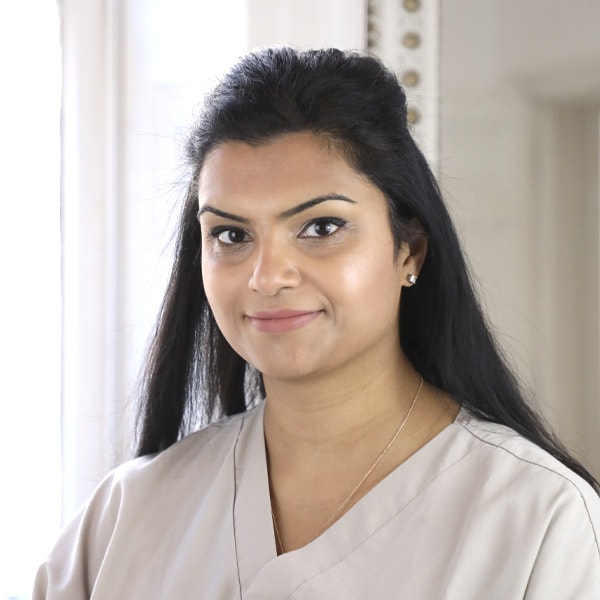
Specialist in Endodontics
BDS MFDS RCS(Ed) FHEA MClinDent(Ed) MEndoRCS(Ed)
GDC No: 150517

Specialist in Orthodontics
DipDS Athens MS(Ortho) OSU
GDC No: 228487
Pulp capping is a dental procedure designed to protect the pulp when it becomes exposed or nearly exposed due to decay or trauma. It's necessary when the pulp is exposed but remains healthy and shows no signs of infection. At London Dental Specialists, we perform two types of pulp capping: direct pulp capping (placing bioactive material directly over exposed pulp) and indirect pulp capping (placing a protective material over a thin layer of remaining dentine). This procedure helps preserve the tooth's vitality and prevents the need for more invasive treatments like root canal therapy.
At London Dental Specialists, we protect exposed dental pulp through two primary approaches:
Both techniques aim to promote pulp healing, stimulate the formation of reparative dentine, and preserve the tooth's vitality while preventing bacterial contamination.
Pulp capping offers several advantages over root canal treatment when appropriate for your situation:
Our specialists at London Dental Specialists will determine if pulp capping is suitable for your specific case based on the extent of pulp exposure and its condition.
At London Dental Specialists, we use clinically proven bioactive materials for pulp capping procedures, including:
These materials promote healing, stimulate the formation of reparative dentine, and provide an effective seal against bacterial infiltration. Our specialists select the most appropriate material based on the specific clinical situation and the latest evidence-based research.
Pulp capping at London Dental Specialists is performed under local anaesthesia, ensuring you feel no pain during the procedure. You might experience mild sensitivity for a few days following treatment, particularly to temperature changes or pressure. This discomfort is typically manageable with over-the-counter pain relievers and subsides as the pulp heals and forms new protective dentine. Our team provides detailed aftercare instructions to minimise any post-treatment discomfort and ensure optimal healing.
Direct pulp capping at London Dental Specialists is indicated in the following situations:
Our specialists thoroughly assess each case to determine if direct pulp capping is the most appropriate treatment option for preserving your tooth's vitality.
When performed by our specialists at London Dental Specialists under ideal conditions, pulp capping has a high success rate of approximately 80-90% for direct pulp capping and over 90% for indirect pulp capping. With proper care and regular check-ups, a successful pulp cap can last indefinitely. Factors affecting longevity include the size of the exposure, the time between exposure and treatment, the patient's age and health, and the quality of the final restoration. We monitor treated teeth at follow-up appointments to ensure continued success and address any concerns promptly.
Preventing pulpal exposure is always preferable to treatment. London Dental Specialists recommends these preventive measures:
Early intervention is key—if you experience tooth sensitivity or pain, contact London Dental Specialists promptly for assessment.
After a pulp capping procedure at London Dental Specialists, follow these aftercare instructions:
Proper aftercare significantly contributes to the long-term success of the pulp capping procedure and helps maintain your tooth's vitality.
Do you have inquiries about Pulp Capping for Exposed Pulp Protection that aren't answered here? Please contact us for detailed guidance about Pulp Capping for Exposed Pulp Protection. Serving Barnet, we're here to help.
| Product | Brands | What it Takes Care of | Details |
|---|---|---|---|
| Sensitivity Relief Toothpaste | Sensodyne Repair & Protect, Colgate Sensitive Pro-Relief | Pulp sensitivity, Nerve protection | Helps manage post-pulp capping sensitivity and supports tooth remineralisation. |
| Ultra-Soft Toothbrush | Oral-B Sensitive, Corsodyl Ultra Soft | Gentle cleaning around treated tooth | Prevents irritation to the treated area while maintaining oral hygiene. |
| Alcohol-Free Mouthwash | Corsodyl Daily, Listerine Zero | Gentle antimicrobial rinse | Helps prevent infection without irritating the treated pulp area. |
| Calcium-Rich Rinse | GC Tooth Mousse, BioMin F | Remineralisation support | Aids in strengthening the dentine bridge formation over the capped pulp. |
| Soft Food Supplies | Sainsbury's, Tesco, Waitrose options | Dietary adjustment | Helps manage initial days after treatment when chewing may be uncomfortable. |
| Night Guard | Custom-fitted from dentist | Pressure protection | Prevents excessive force on the treated tooth during sleep. |
| Warm Salt Water Mix | Saxa Salt, Maldon Salt | Gentle antimicrobial rinse | Natural way to keep the area clean and reduce inflammation. |
| Cold Compress | Boots, Superdrug reusable packs | Swelling management | Helps reduce any post-treatment swelling or discomfort. |
| Interdental Brushes | TePe, Boots Expert | Gentle cleaning around treated area | Allows for careful cleaning without disturbing the treated tooth. |
| pH Balancing Rinse | CariFree, Boots Pharmaceuticals | Acid neutralisation | Helps maintain optimal oral pH to support pulp healing. |
| Dental Wax | Boots, Oral-B | Temporary protection | Can cover the treated tooth if temporary filling feels rough or uncomfortable. |
| Pulp Health Monitoring Kit | Available through dentist | Treatment success monitoring | Tools to check for signs of successful pulp healing between appointments. |
Count on our Barnet team to offer the information and reassurance you require. We're committed to making your Pulp Capping for Exposed Pulp Protection treatment as positive as possible, starting with addressing all your concerns.



