Family Friendly & Specialty Dentists in London, UK
Thermal and electric pulp testing identifies whether a tooth is alive or dead by measuring its response to temperature and electrical stimuli. We use these tests to check the health of the pulp, the soft centre of the tooth, and decide whether root canal treatment is necessary.
The testing process is fast. We establish the status of the tooth during your appointment. This lets us plan your next steps immediately.
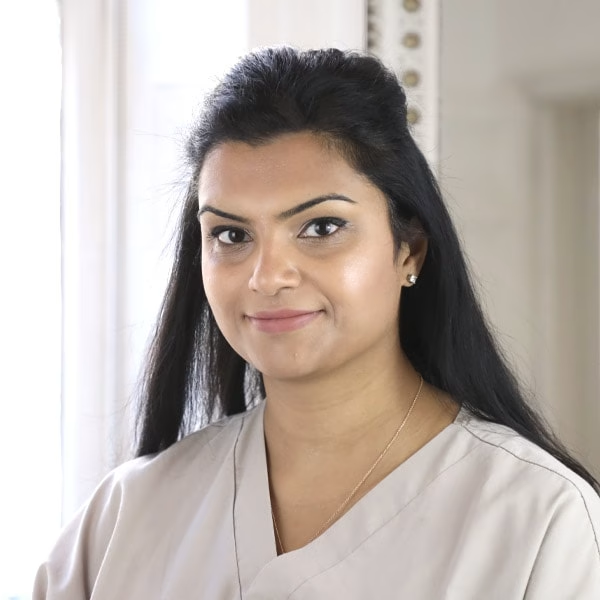
Led by Dr Neha Patel, specialist in endodontics (GDC No. 150517).
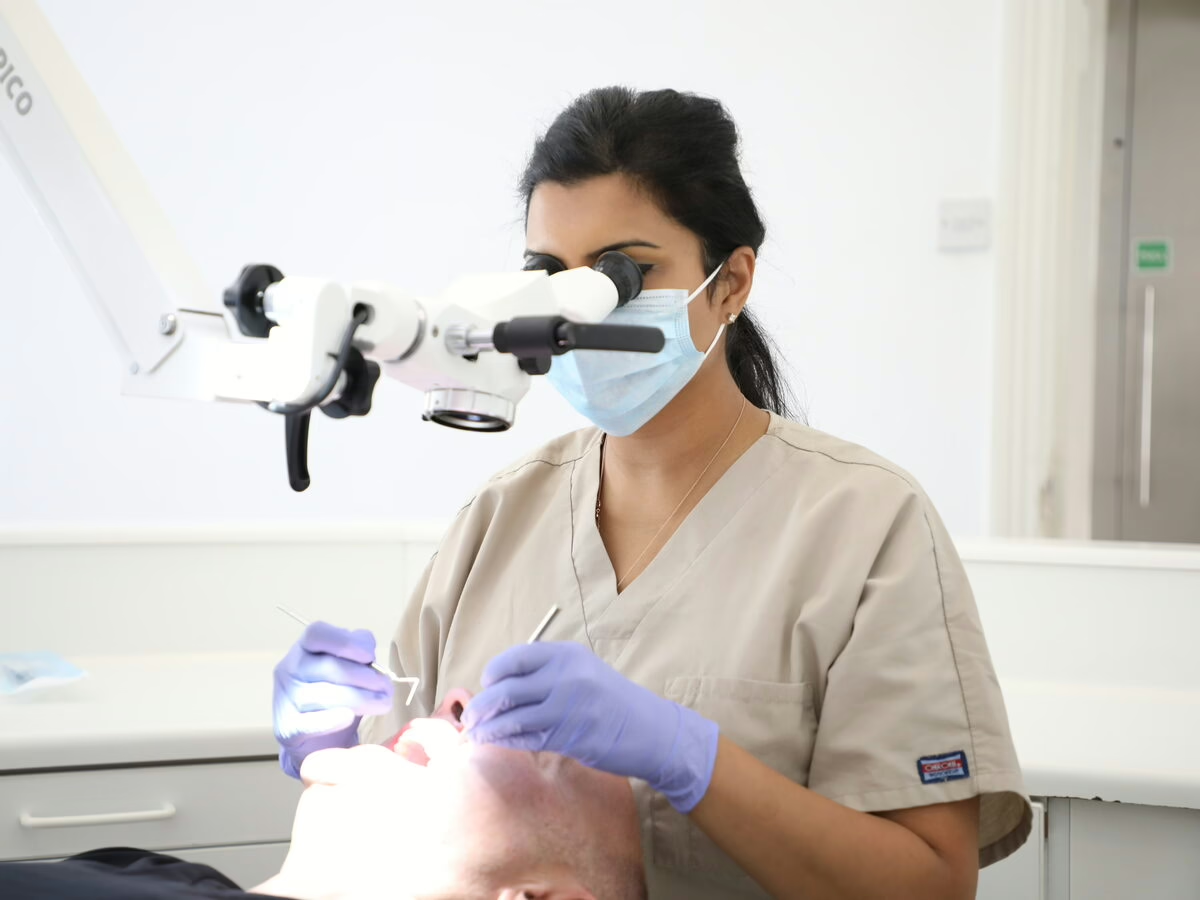
Persistent dental pain is often confusing. You may feel a sharp sensitivity to cold or heat, but the exact source stays hidden. We use pulp vitality tests to evaluate this sensitivity, combining thermal stimuli to gauge the nerve's response. These non-invasive sensibility tests give the information needed for an accurate endodontics in London diagnosis. By identifying the precise cause of your pain, Dr Patel can build a targeted treatment plan, which cuts the need for exploratory treatment and helps us preserve the natural tooth.
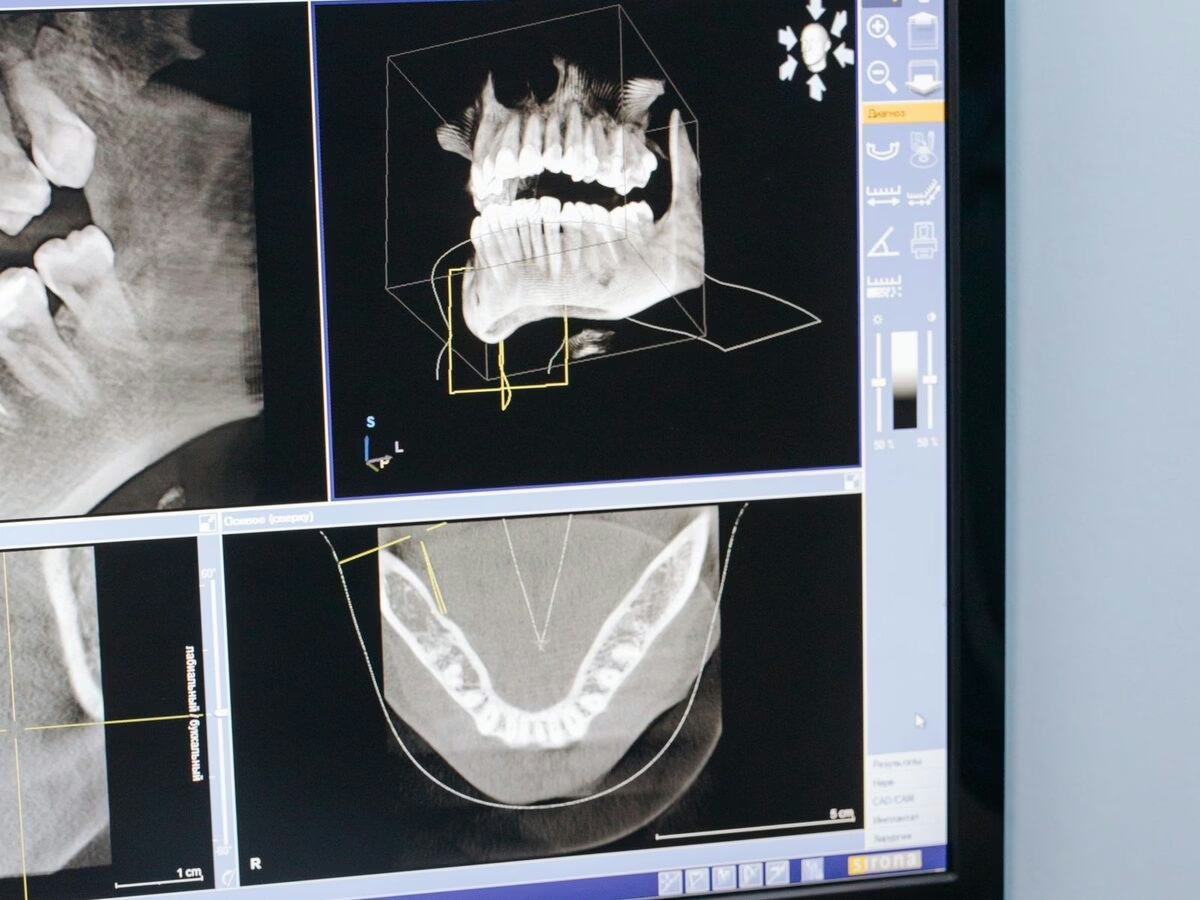
Some cases are more complex. We use 3D CBCT imaging and an operating microscope to diagnose cracked tooth syndrome or incomplete fractures, which matters most for teeth that have suffered trauma. Whether you need root canal retreatment, an apicoectomy, or dental trauma care, we first establish the exact state of the pulp to avoid an unnecessary extraction.
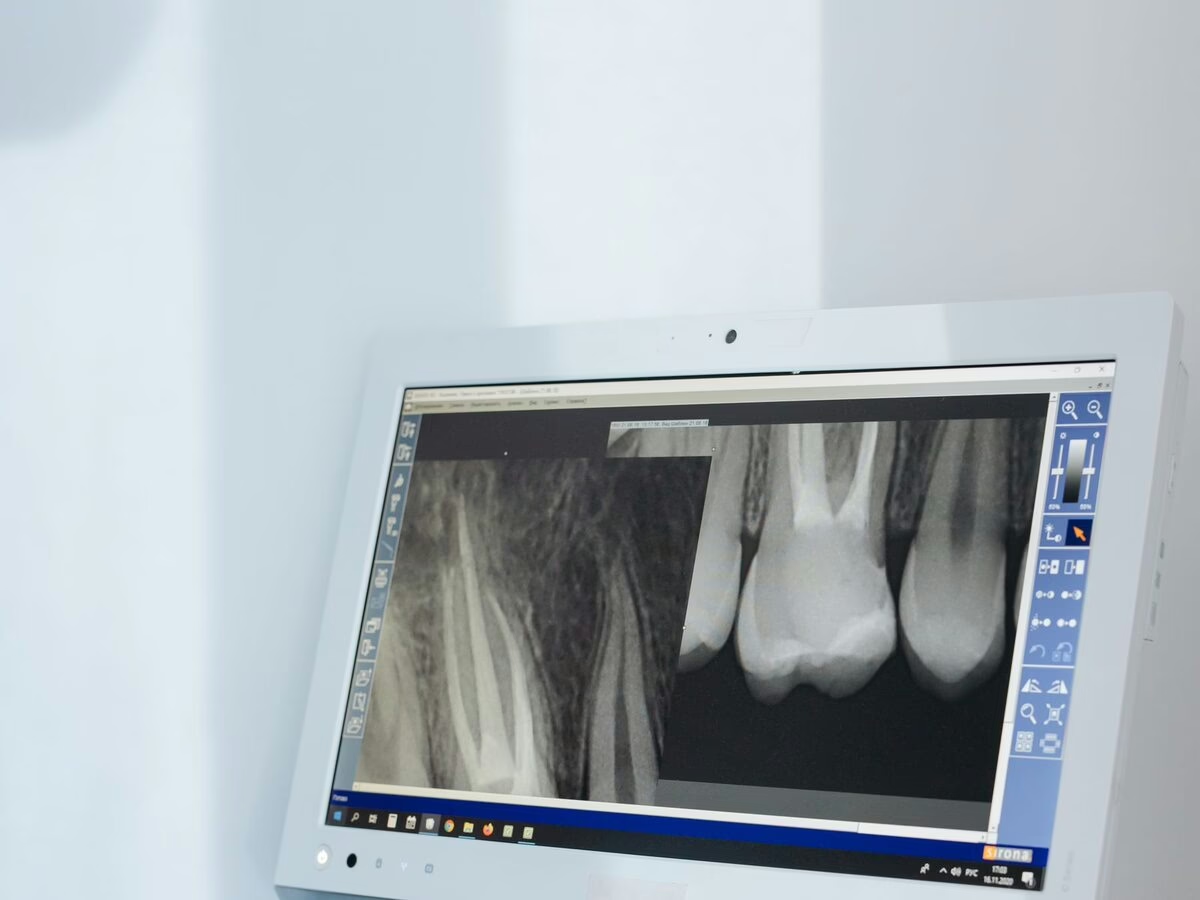
Choosing the wrong treatment for a sensitive tooth can lead to unnecessary procedures. We use specialist-led planning so your diagnosis is accurate before any work begins. Dr Patel uses these tests to determine whether a nerve is healthy, damaged, or dead, which decides whether you need pulp vitality tests for nerve health assessment or exploratory surgery for root fracture diagnosis.
Cost is a primary concern for most patients. We provide a diagnosis-first consultation so you do not pay for the wrong treatment. This initial assessment establishes the exact cause of your sensitivity and gives you a transparent, itemised breakdown of costs before you commit to a plan.
Leave your number and we will call you back. Nothing is booked until you say so.
It is common to feel anxious about dental visits, especially when a tooth is causing pain. We provide a calm environment while we establish the health of your tooth's nerve. An endodontist uses these tests to see whether a tooth is alive, dying, or dead, which avoids unnecessary tooth loss. This diagnostic step helps us decide whether you need root canal treatments: which option fits or a different restorative path.
The consultation with Dr Patel assesses your specific case and confirms the cost and timeframe for your care.
We begin by examining your symptoms to see whether the nerve is damaged. This stage identifies whether the tooth needs a protective procedure to save the natural structure. We use CBCT 3D imaging to map the internal anatomy of the root canal before testing begins.
We apply controlled cold or heat to the tooth to see how the pulp reacts compared with a healthy tooth. It is a quick process, and we use the results to decide whether the nerve is inflamed or dying.
A small electric current checks whether the nerve is still conductive, giving a clear yes or no answer on nerve vitality. It is a precise way to confirm the diagnosis.
We explain the findings in plain terms. If the nerve is infected, we plan to remove the damaged tissue, so you understand the next steps before any work starts.
Some patients feel anxious about the sensation of nerve testing. We keep the visit as comfortable as possible, and if you have concerns about pain or sensitivity, we can discuss anaesthetic options.
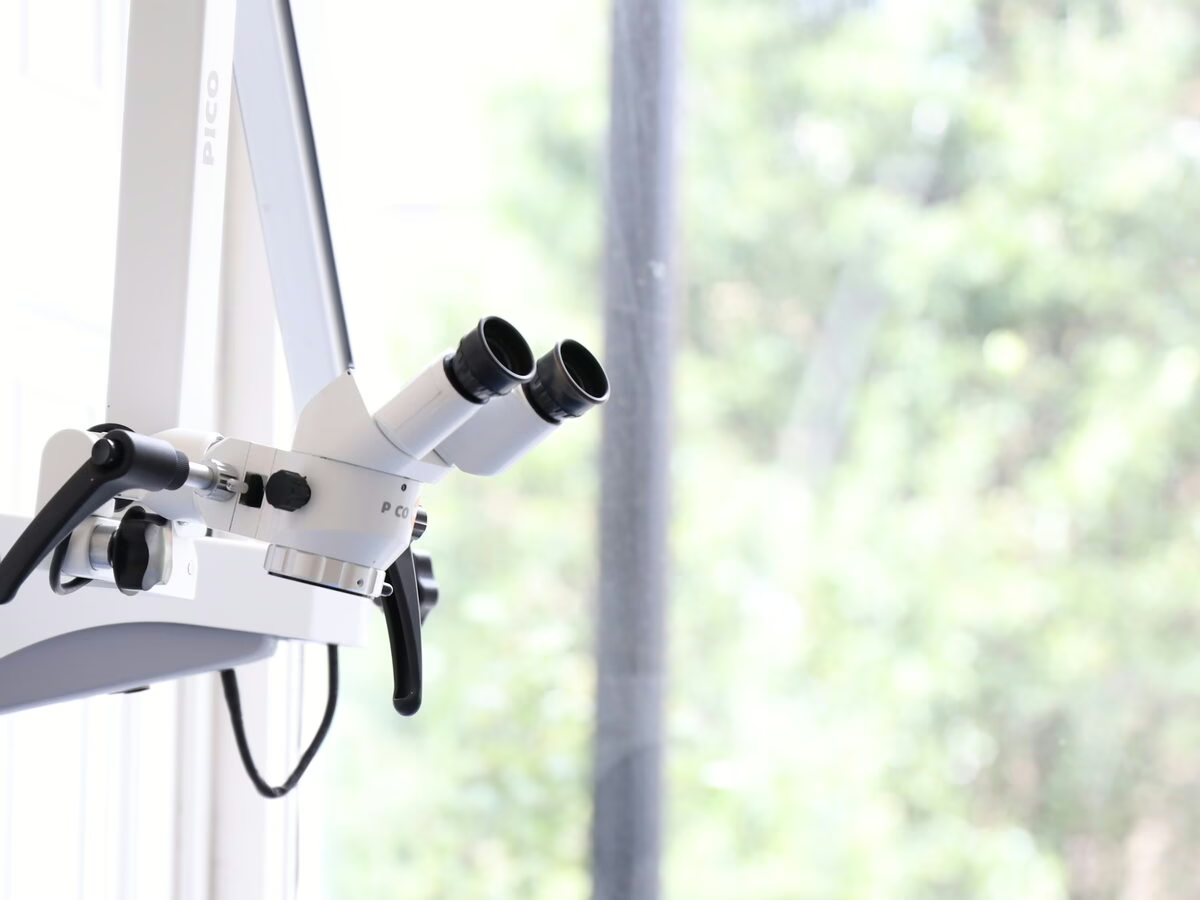
We use operating microscopes, precision instruments, and advanced materials for filling and canal disinfection, and for the most complex cases we use magnification for a precise diagnosis of tooth fractures.
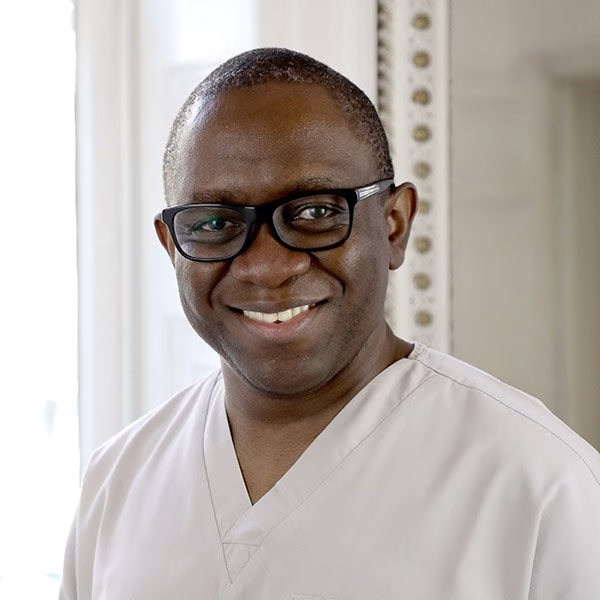
Our team uses bioactive materials to stimulate dentine bridge formation, which supports pulp healing. In cases of severe damage, microsurgery lets us preserve the natural tooth and restore oral health. The practice is led by Dr Ope Sodeinde, GDC-registered specialist periodontist (GDC No. 104071).
We offer a range of specialist interventions to save teeth that might otherwise be lost, including root canal retreatment, apicoectomy, and cracked tooth treatment, as well as dental trauma care and treatment for luxation.
We confirm the cost at your initial consultation, once we have identified the specific needs of your tooth.
The duration of these tests is confirmed at your clinical assessment. We take the time needed for an accurate diagnosis of the pulp's health.
Sensitivity is a common concern when testing a damaged tooth. We keep you comfortable throughout, and the clinician controls the pace of the assessment.
These tests give a snapshot of the pulp's current vitality. Dr Patel uses these findings to plan your immediate treatment, as the health of the nerve can change over time.
We use these tests to determine whether a tooth is healthy, dying, or needs root canal treatment. A consultation with Dr Patel means we can assess your specific symptoms and decide the most effective path forward. You can learn more about what happens at your root canal consultation and how to book to get a definitive diagnosis.
We focus on precise testing so the right treatment plan is set before treatment starts.
020 7589 7792
A consultation with Dr Patel determines whether these tests suit your symptoms, using the results to plan the most accurate treatment path, including pulp vitality tests for nerve health assessment and exploratory surgery for root fracture diagnosis.
You will receive a written plan and itemised quote from Dr Patel, which is yours to keep and use at any other practice. Arrange your assessment with Dr Patel to determine whether this testing suits you.
020 7589 7792.
Real, verified Google reviews from patients of London Dental Specialists.
Your details are used to arrange your appointment and for nothing else.
111 Regent's Park Road, Primrose Hill, London NW1 8UR
Use our contact page if you would rather ask something than book.
