Family Friendly & Specialty Dentists in London, UK
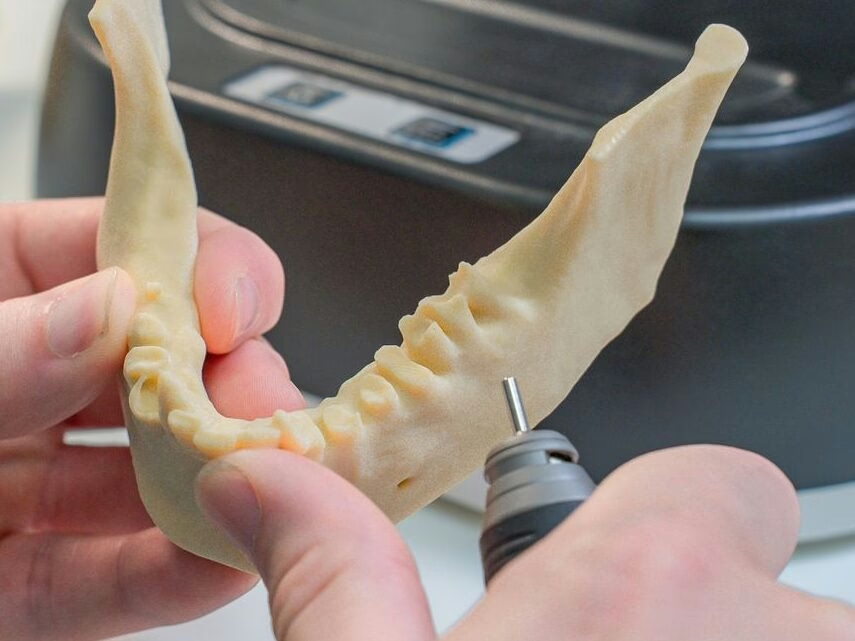
Distraction osteogenesis is a surgical process used to gradually lengthen bone or move a bone segment to correct jaw discrepancies. We assess your specific anatomy to determine the necessary timeframe and surgical approach during your consultation.
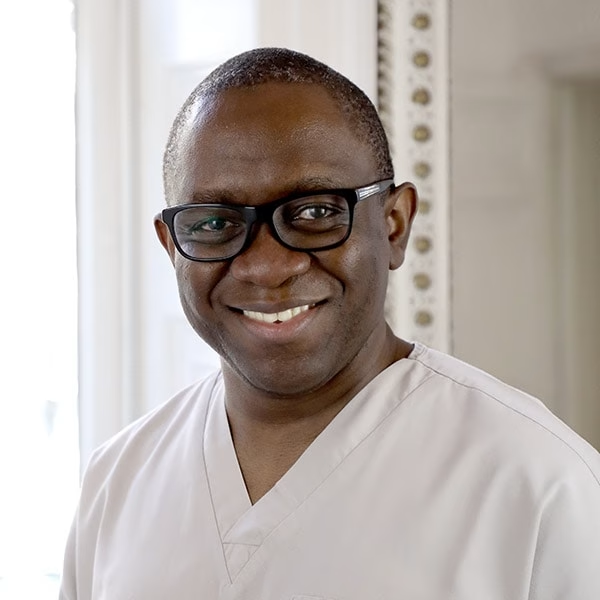
Led by Dr Ope Sodeinde.
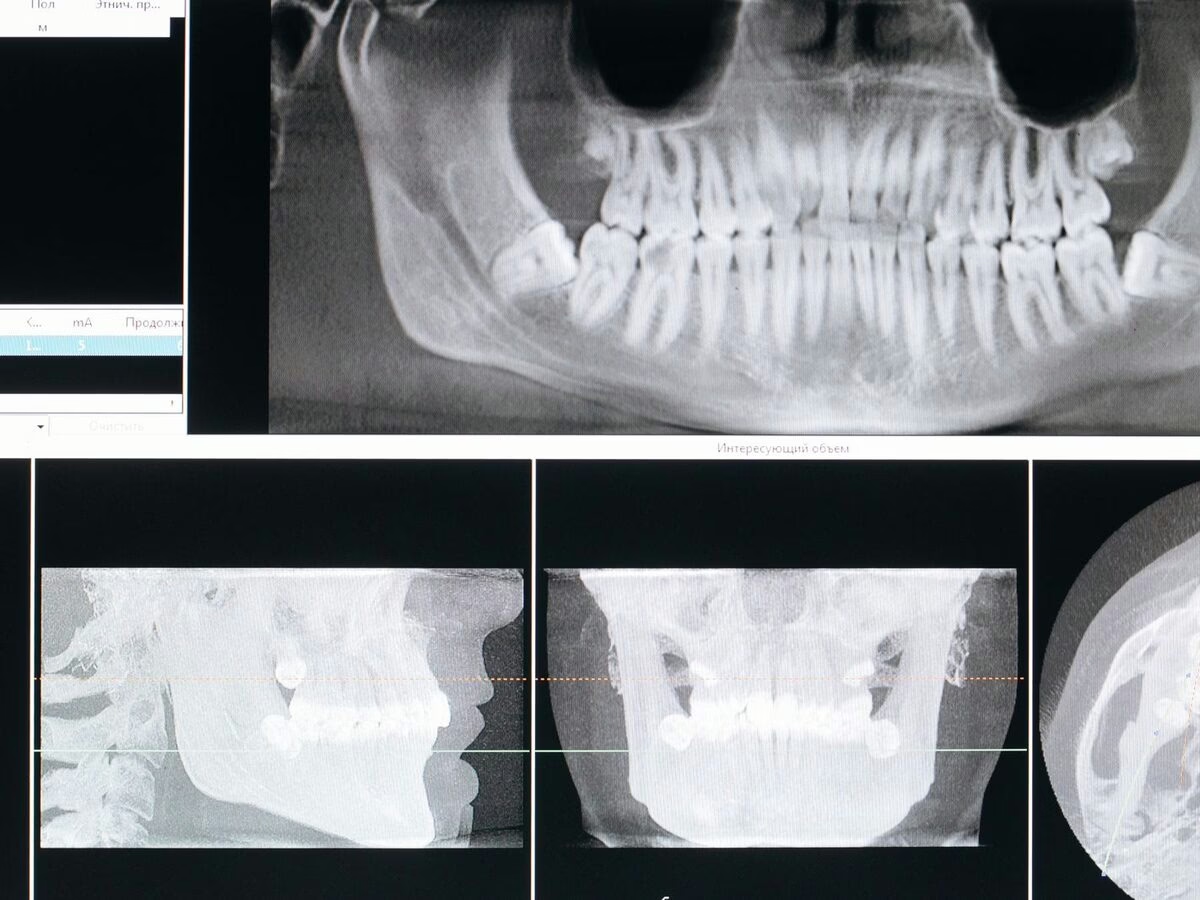
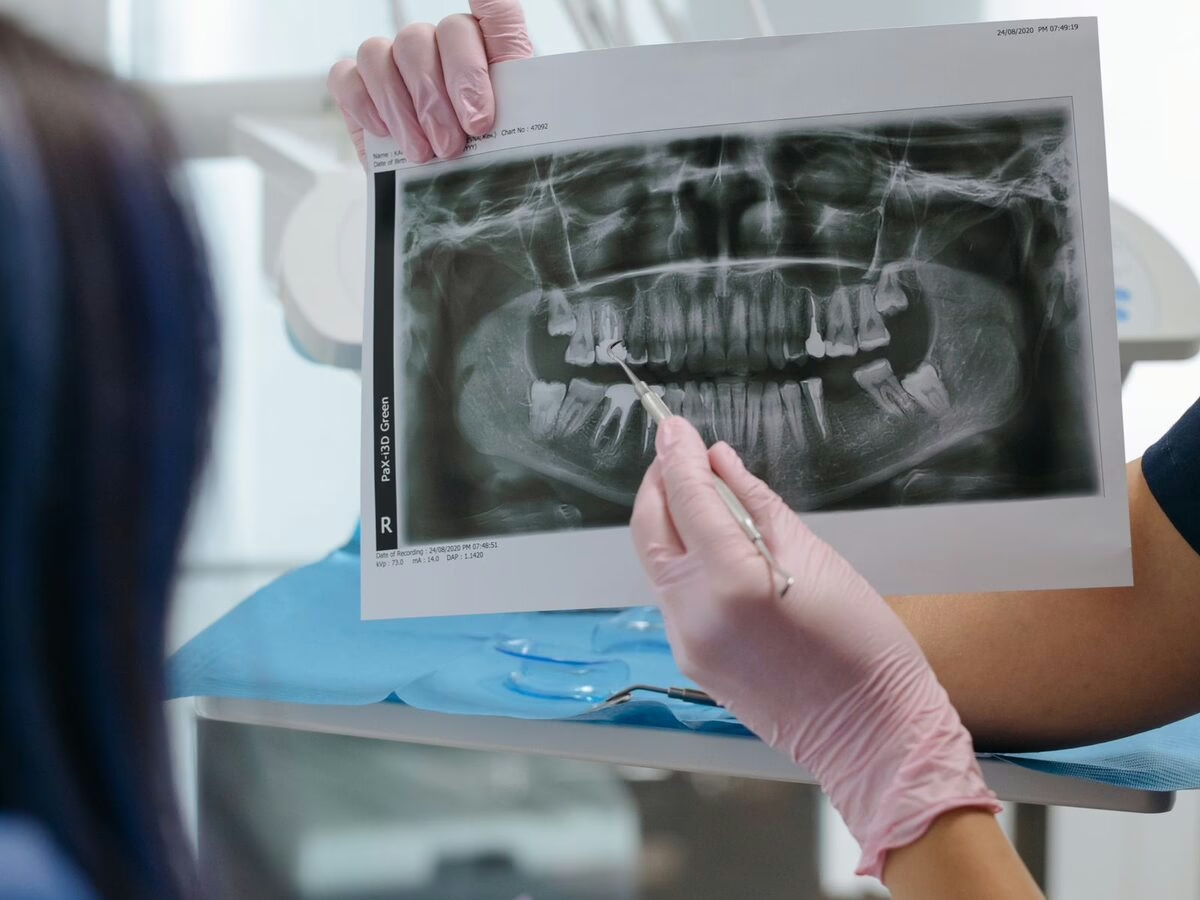
Living with chronic TMD symptoms or jaw abnormalities often means dealing with persistent inflammation and discomfort. You may feel that your current symptoms are limiting your quality of life, or perhaps you are concerned about a suspicious lesion that requires a definitive answer. We provide oral surgery in London to address these issues, using diagnostic imaging to identify oral pathologies with precision. Whether you need a biopsy procedure to extract a tissue sample for laboratory examination or relief from jaw inflammation, we focus on an accurate diagnosis to determine your best treatment options.
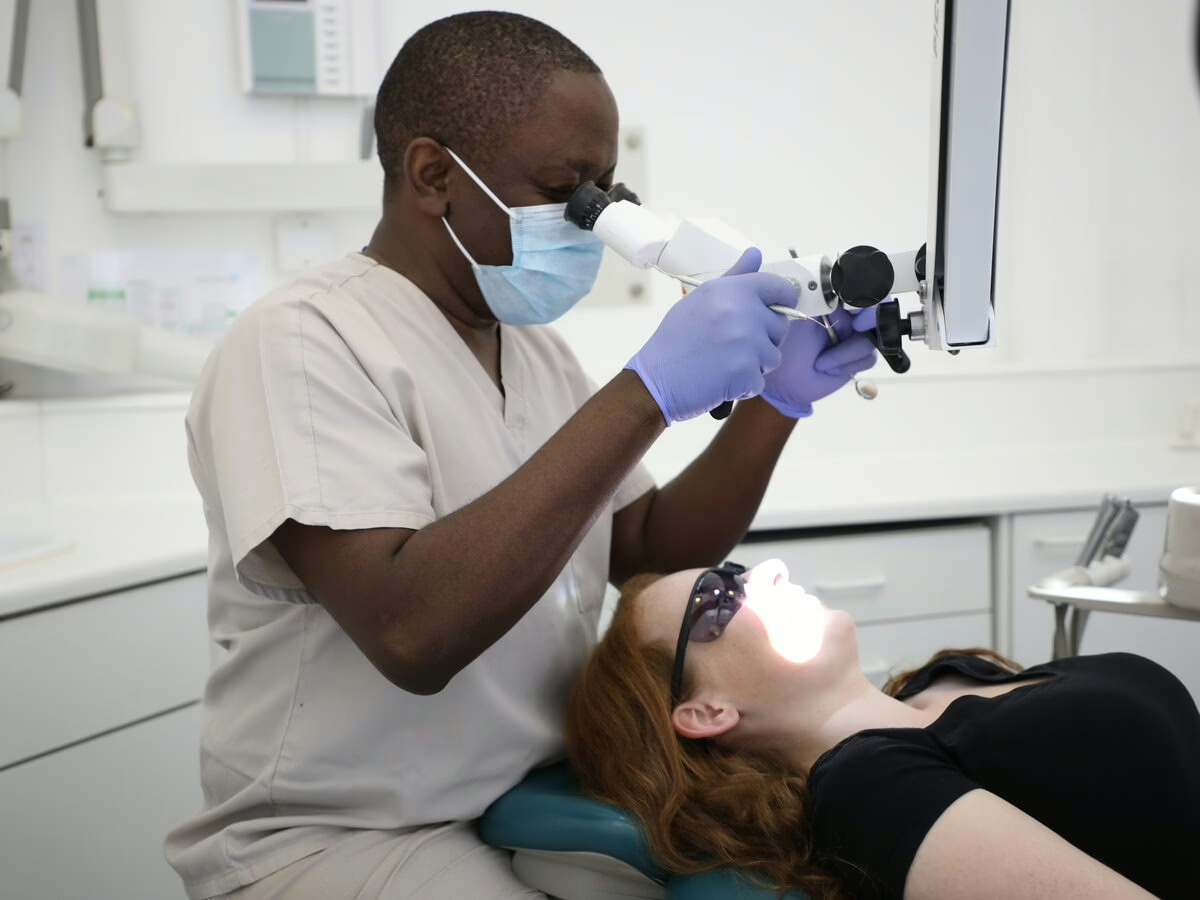
Choosing the right surgical path is a significant decision. We provide specialist-led planning so you avoid the wrong clinical choice. This is essential when coordinating referrals for corrective jaw surgery or complex jaw reconstruction.
Cost is often a primary concern for patients. We use a diagnosis-first approach, providing a transparent, itemised cost during your consultation before any fees are revealed. This means you understand exactly what is required for your specific anatomy. We also coordinate referral for facial fracture repair when required.
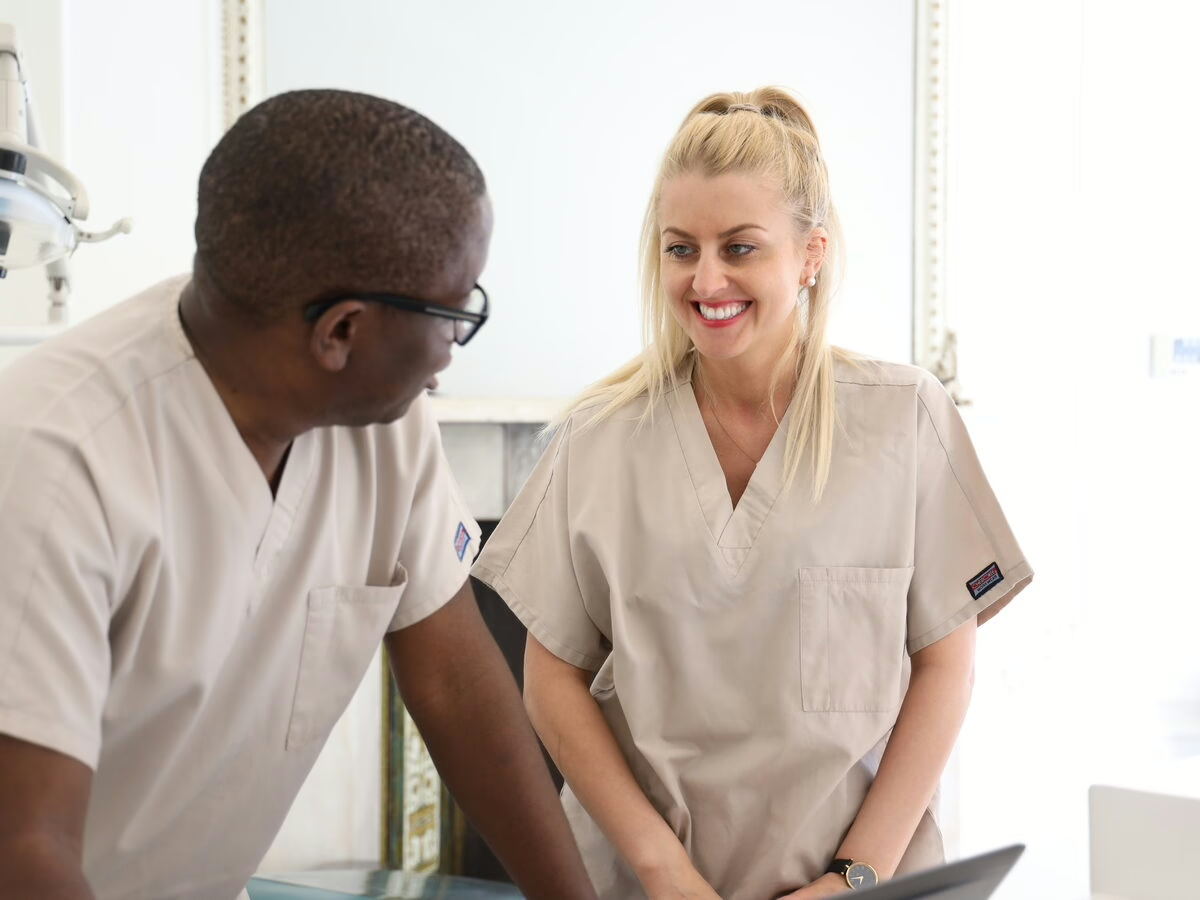
Leave your number and we will call you back. Nothing is booked until you say so.
Many people feel a sense of hesitation or anxiety when considering complex oral surgery. We understand that the prospect of a serious diagnosis or the risk of nerve damage can feel overwhelming. Our team focuses on clear communication to remove the mystery from the process. We assess your specific anatomy to determine if this approach is the right fit for your needs. You can view our oral surgery procedures fit to see how this compares to other methods.
An examination with Dr Sodeinde determines your candidacy based on your unique bone structure and health history. You get a detailed explanation of the process if you feel anxious.
A hospital maxillofacial team surgically places a device into the bone, creating the gap needed for new growth. We can discuss how this differs from orthognathic (jaw) surgery during your first visit.
Once the site has healed, the device is gradually activated to slowly move the bone apart, which triggers new bone growth in the space. We monitor this phase closely alongside your hospital team, which requires a commitment of time for regular visits.
After the desired length is reached, the device remains in place. This allows the new bone to harden and strengthen. We monitor this progress closely to check the structure is stable.
Once the bone is fully consolidated, the hardware is removed in a separate procedure. We then assess the final position and quality of the new bone.
We conduct a final assessment to review the results. If you have concerns about pain or potential complications, we explain the risks and comfort options during your consultation.
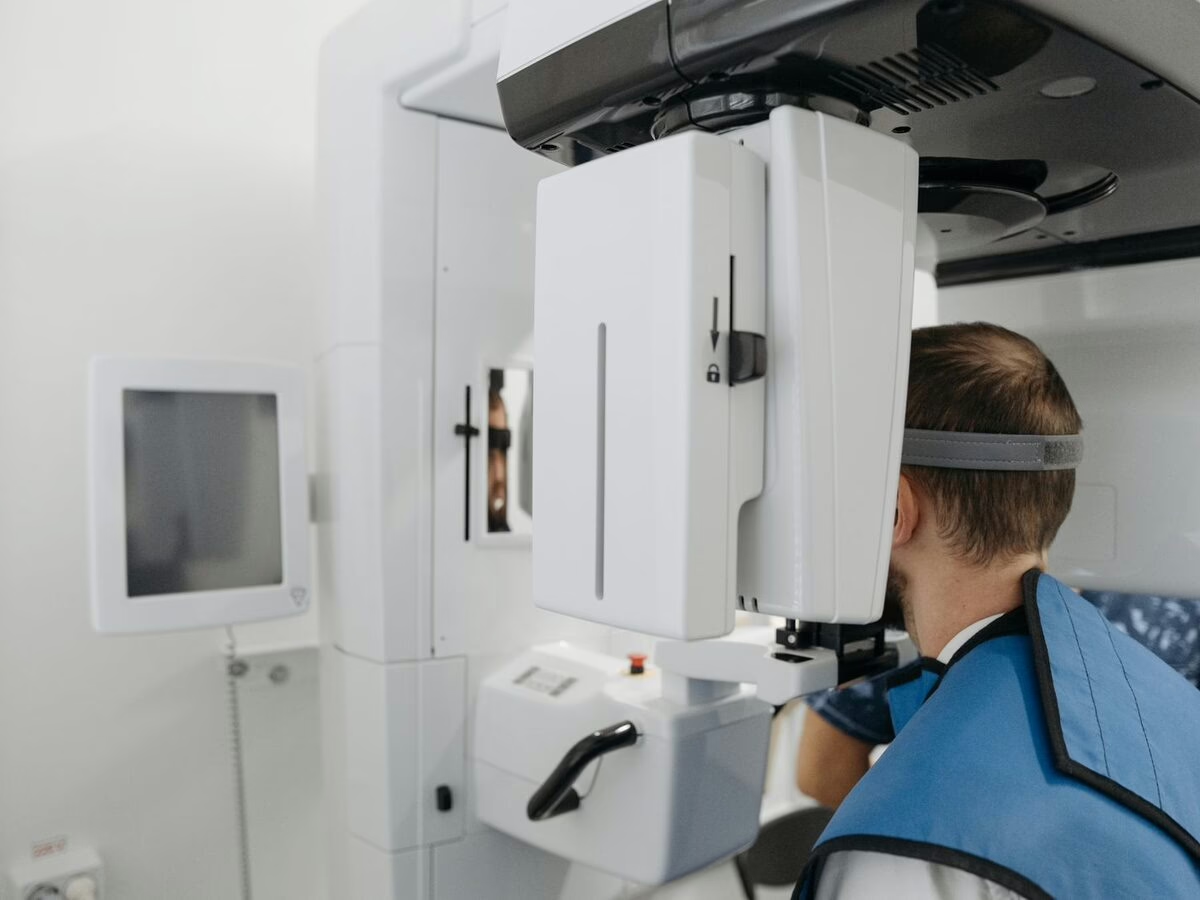
We use 3D imaging technology to plan implant surgery and check optimal placement. Our clinical lead, Dr Ope Sodeinde, GDC-registered specialist periodontist (GDC No. 104071), oversees a team that provides wisdom teeth removal, surgical and simple extractions, and multiple teeth extraction.
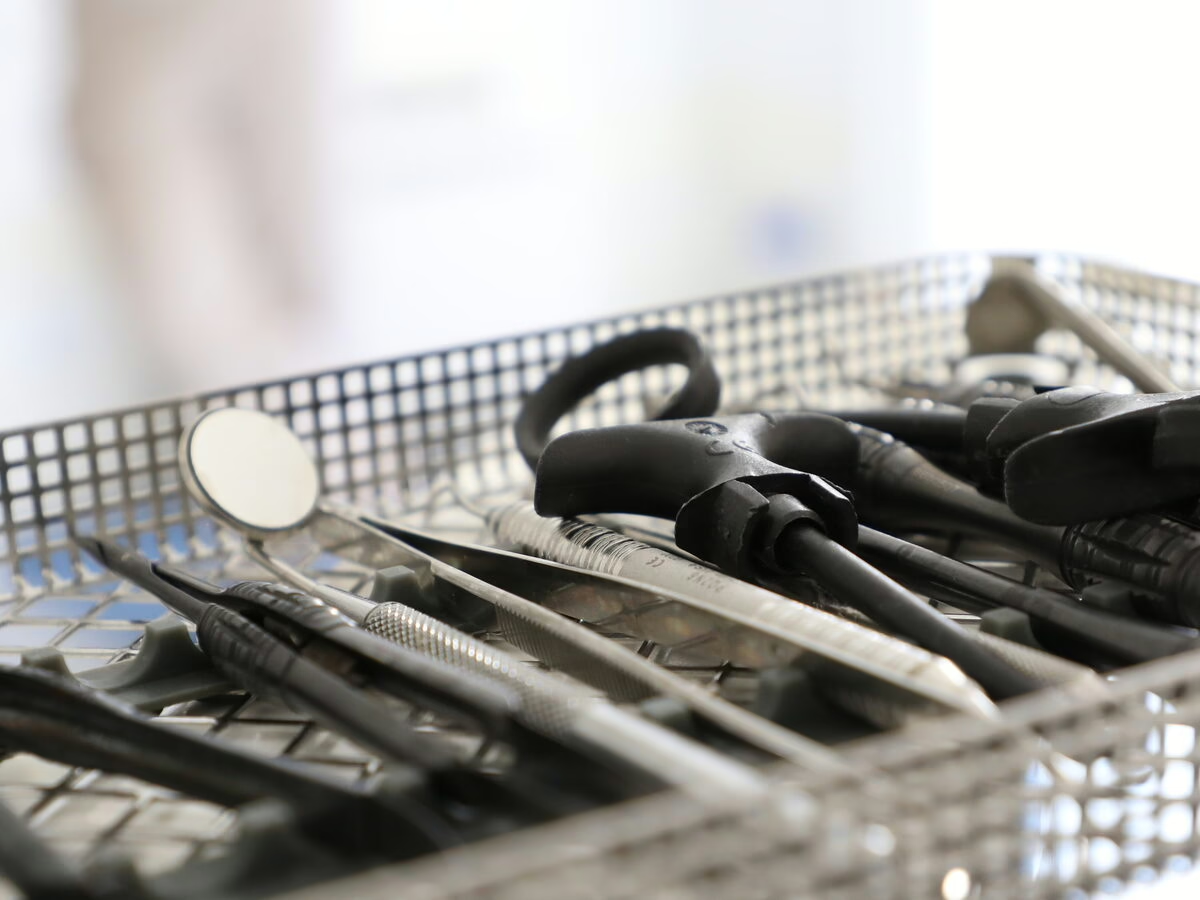
We understand that the final result is your primary concern. Our team focuses on professional, precise care. We maintain a calm, unhurried manner at our Primrose Hill practice to remove the pressure often felt during dental visits.
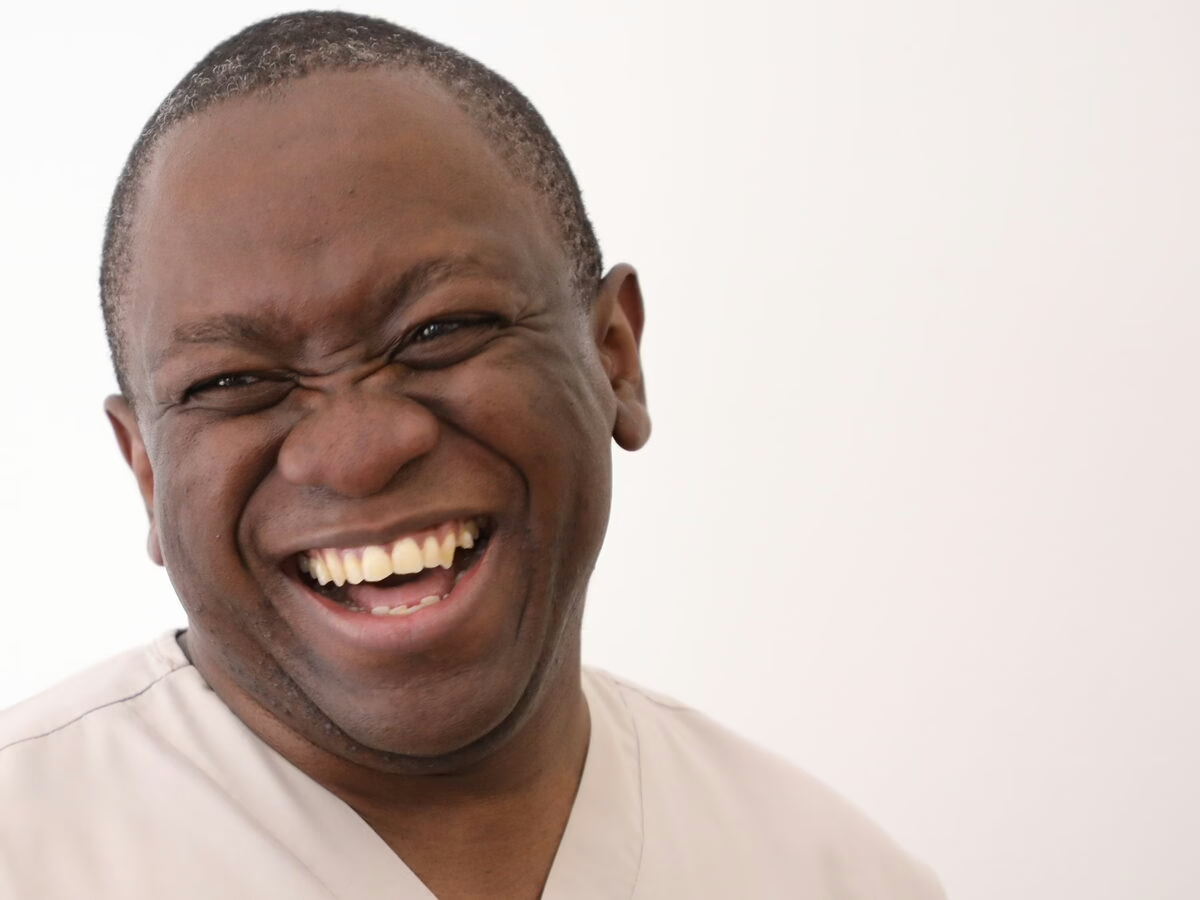
I was anxious going to the dentist before seeing Ope but when I first visited London Dental Specialists I immediately felt at ease and the team was competent and really friendly, I am so happy with my results and would recommend them to everyone!
Anxiety is a common hurdle for many of our patients. We address this through honest options and a supportive environment. If you have questions about your specific case, request your assessment to discuss the next steps with your specialist periodontist.
Costs vary based on the complexity of your case. We give you a full breakdown of fees during your clinical assessment, where we determine the specific requirements for your treatment.
The duration of the process depends on the amount of bone growth required. We discuss the expected timeline and milestones during your initial consultation.
We select the specific distraction device based on your unique anatomy. Our team assesses your eligibility and the most appropriate hardware during your appointment.
The primary difference lies in the site of the bone growth and the device used. We explain these clinical options and how they apply to your diagnosis during your assessment.
Every case of bone regeneration is different. We use a clinical consultation to determine the specific requirements of your jaw and the most effective way to move the bone. You can find more about oral surgery in London to understand how this fits into a wider treatment plan.
Dr Sodeinde assesses your anatomy to establish the exact timeline and technique required for your case. To understand what happens at your oral surgery consultation and how to book, please contact us.
We provide a range of complex procedures at our Primrose Hill practice. There is more information on corrective jaw surgery, jaw reconstruction, and facial fracture repair.
You will get a written plan and an itemised quote that is yours to keep and use at any other practice. Arrange your assessment with Dr Sodeinde to determine your specific requirements and costs.
Real, verified Google reviews from patients of London Dental Specialists.
Your details are used to arrange your appointment and for nothing else.
111 Regent's Park Road, Primrose Hill, London NW1 8UR
Use our contact page if you would rather ask something than book.
