Family Friendly & Specialty Dentists in London, UK
Jaw reconstruction restores the structure and function of the mouth and face. We assess your specific anatomy during your consultation and refer you to a hospital maxillofacial team for the surgery itself.
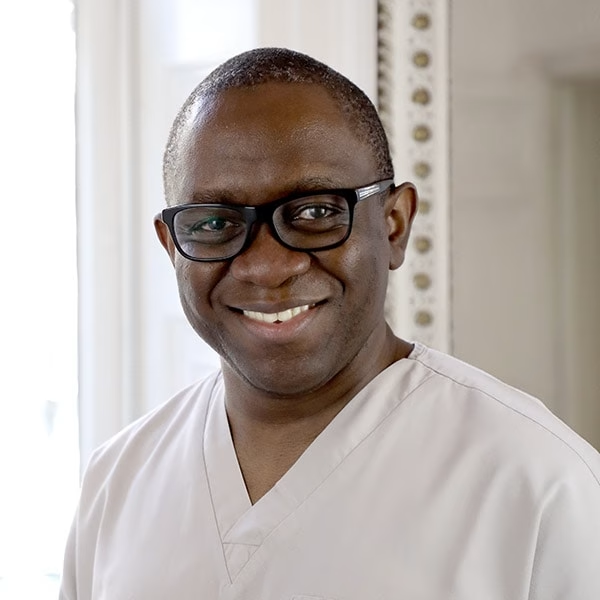
Our team, led by Dr Ope Sodeinde, provides specialist-led care at our Primrose Hill practice.
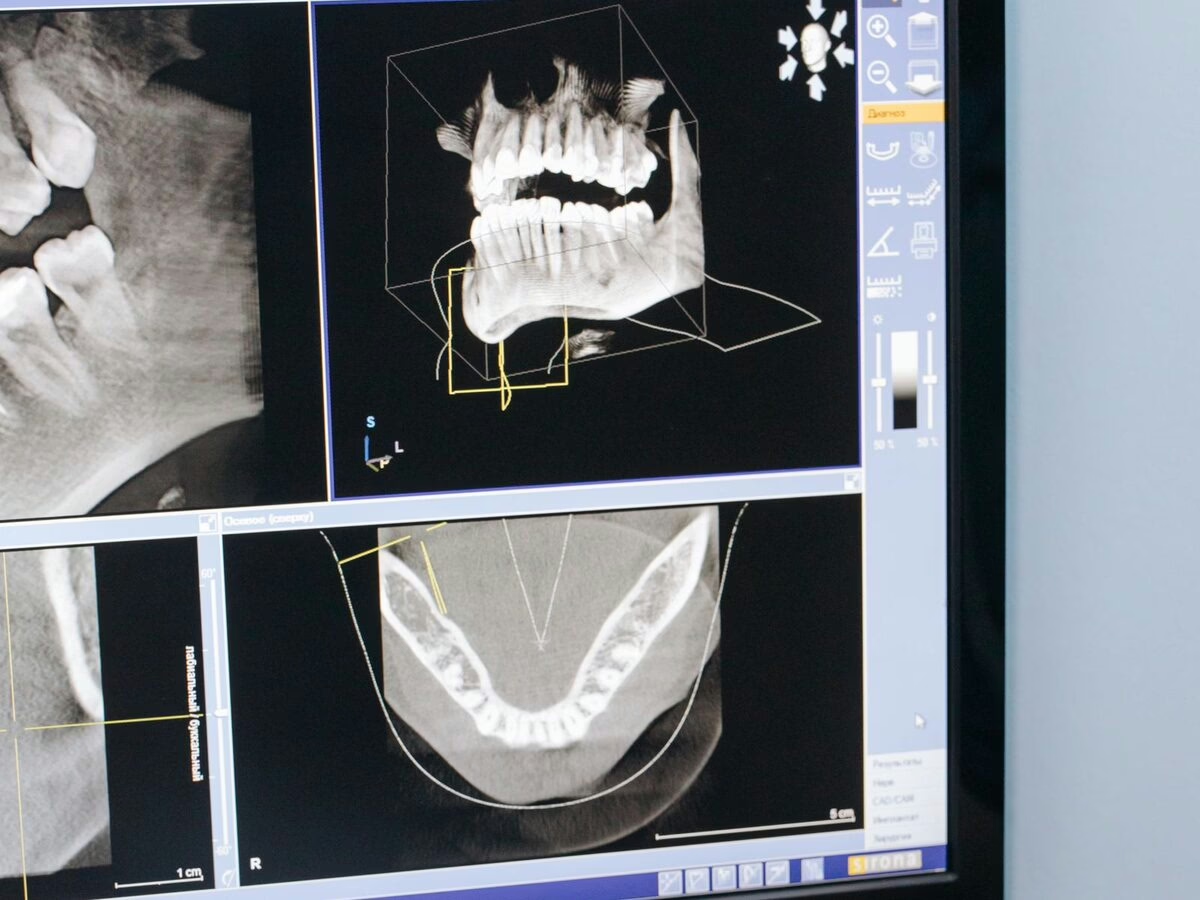
Chronic pain and inflammation in the jaw can make simple movements feel like a struggle. You may find that TMD symptoms disrupt your daily life. This leaves you to manage persistent discomfort. We address these abnormalities using diagnostic imaging to identify the cause of the inflammation, and assess whether oral surgery in London is the right next step. Whether you require bone grafting to restore lost tissue or the removal of crowding molars, we follow strict infection prevention protocols to protect your health.
Finding the right path forward starts with an accurate diagnosis. We use oral biopsy to confirm lesions or pathologies. Dr Sodeinde and our team assess your specific anatomy to determine if surgical referral is the most appropriate option for your recovery.
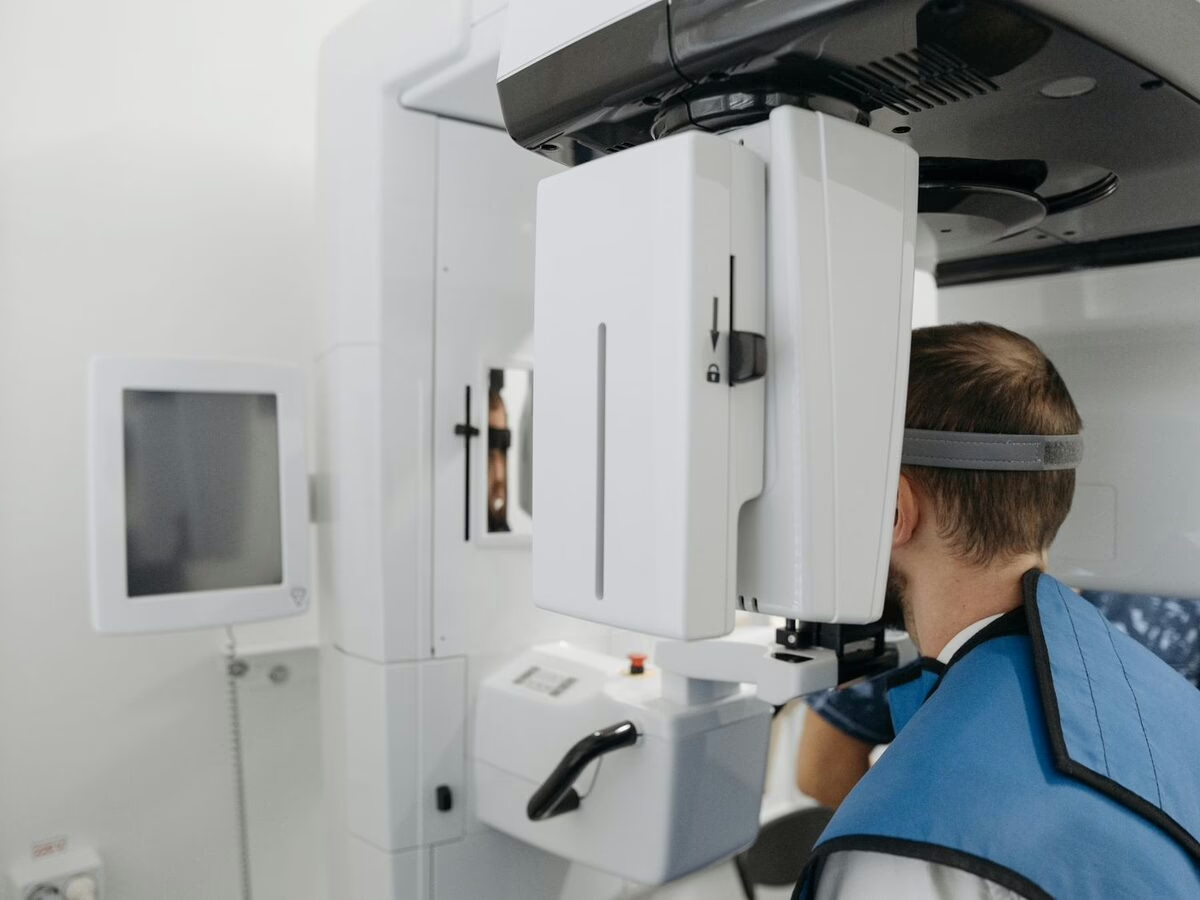
Choosing the wrong surgical approach can lead to permanent functional issues. We reduce this risk through specialist-led planning, mapping every case with precision before any referral is made.
We provide a diagnosis-first consultation so you receive the correct referral. This transparency prevents the fear of being overcharged for unnecessary work. Depending on your clinical needs, we may assess and refer you for corrective jaw surgery, distraction osteogenesis, or facial fracture repair.
Cost is a primary concern for most patients. We itemise every part of your assessment before you commit to a fee.
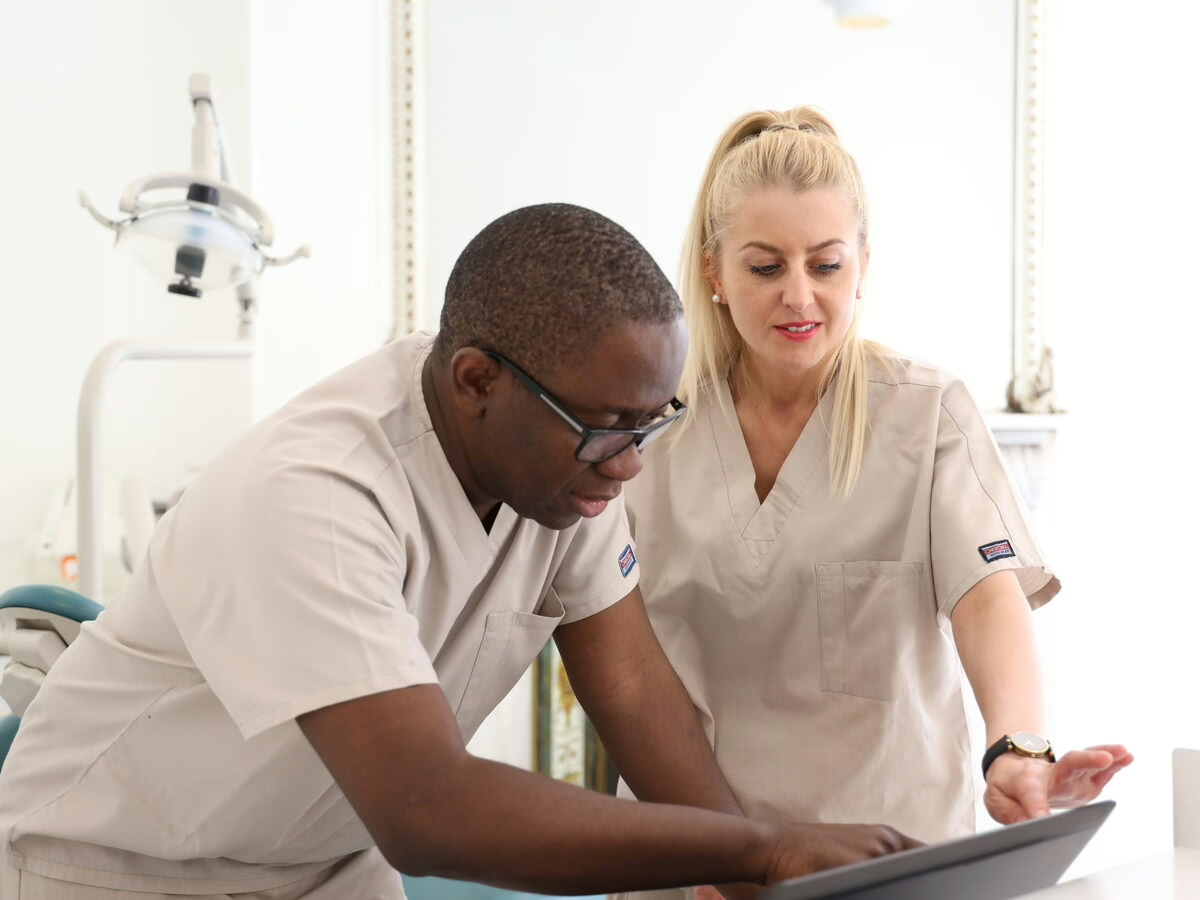
Leave your number and we will call you back. Nothing is booked until you say so.
Jaw reconstruction is for those with structural damage or misalignment that affects how they eat, speak, or breathe. We understand that a serious diagnosis can feel overwhelming. It is common to feel anxious about the process or worry about potential nerve damage. We address these concerns during your initial consultation. Our team provides a calm environment to help you manage the fear of the dentist before any work begins.
We assess your specific anatomy to determine if this is the right path or if other oral surgery procedures fit your needs better. Your clinical assessment with the specialist periodontist determines your candidacy based on your unique health profile.
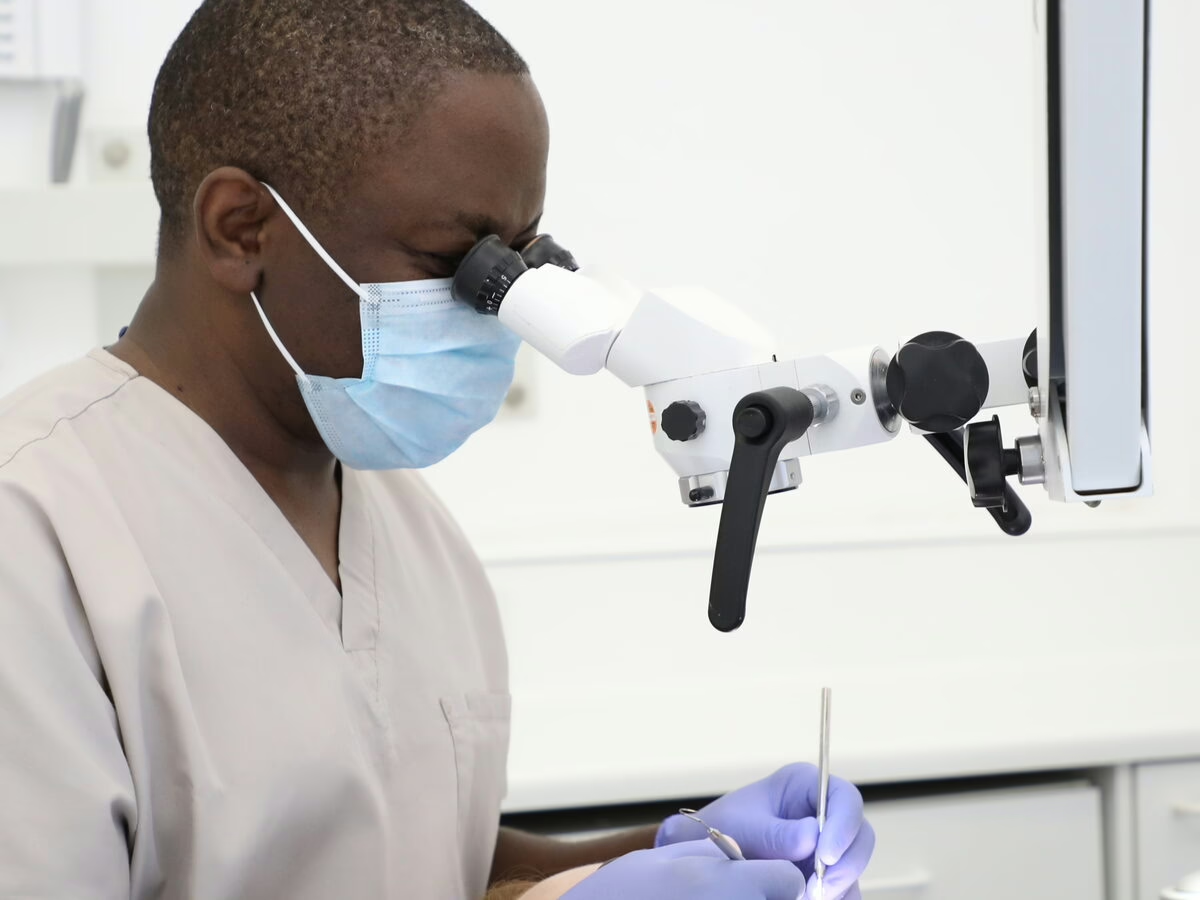
We begin by assessing your specific anatomy. This stage determines if you are suitable for the procedure and defines the necessary movements. We can also discuss orthognathic (jaw) surgery to address functional or aesthetic concerns.
The surgery is carried out by a hospital maxillofacial team to reposition the bone. Because this is a significant operation, we coordinate the referral so you have the necessary support.
Pain is a primary concern for most patients. Once you return to our care, we provide a clear plan for pain management. Our team monitors your progress closely to manage any complications.
Recovery takes time. You will have a specific timeline for visits to monitor how the bone integrates. We provide honest guidance on what to expect during these weeks to reduce your anxiety.
We conduct a final assessment to verify the alignment, checking your bite is stable and the reconstruction is performing as intended. We review your long-term care needs to protect the result.
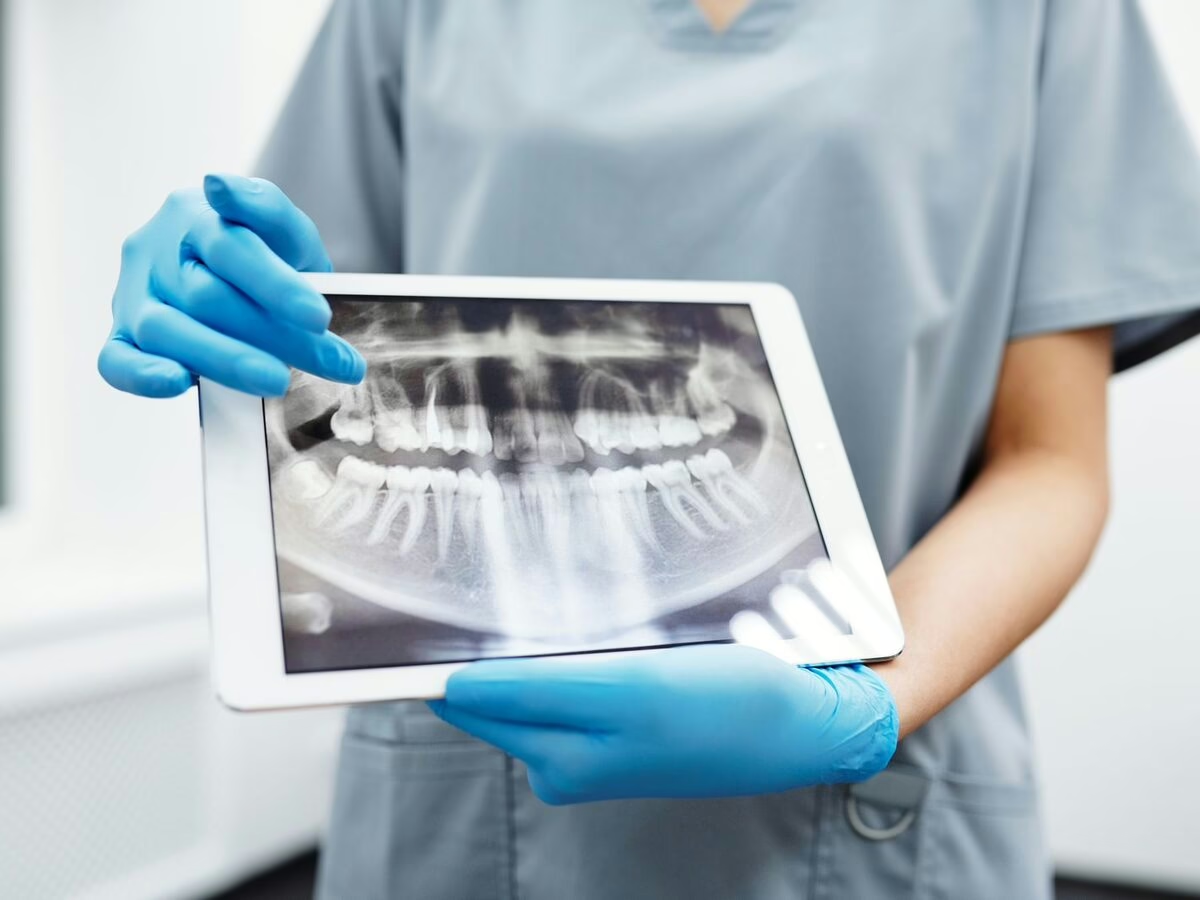
We use 3D imaging technology to plan surgery and check the precise placement of implants. Your care is led by Dr Ope Sodeinde, GDC-registered specialist periodontist (GDC No. 104071), whose surgical expertise includes surgical extractions, simple and multiple teeth extraction, and wisdom teeth removal.
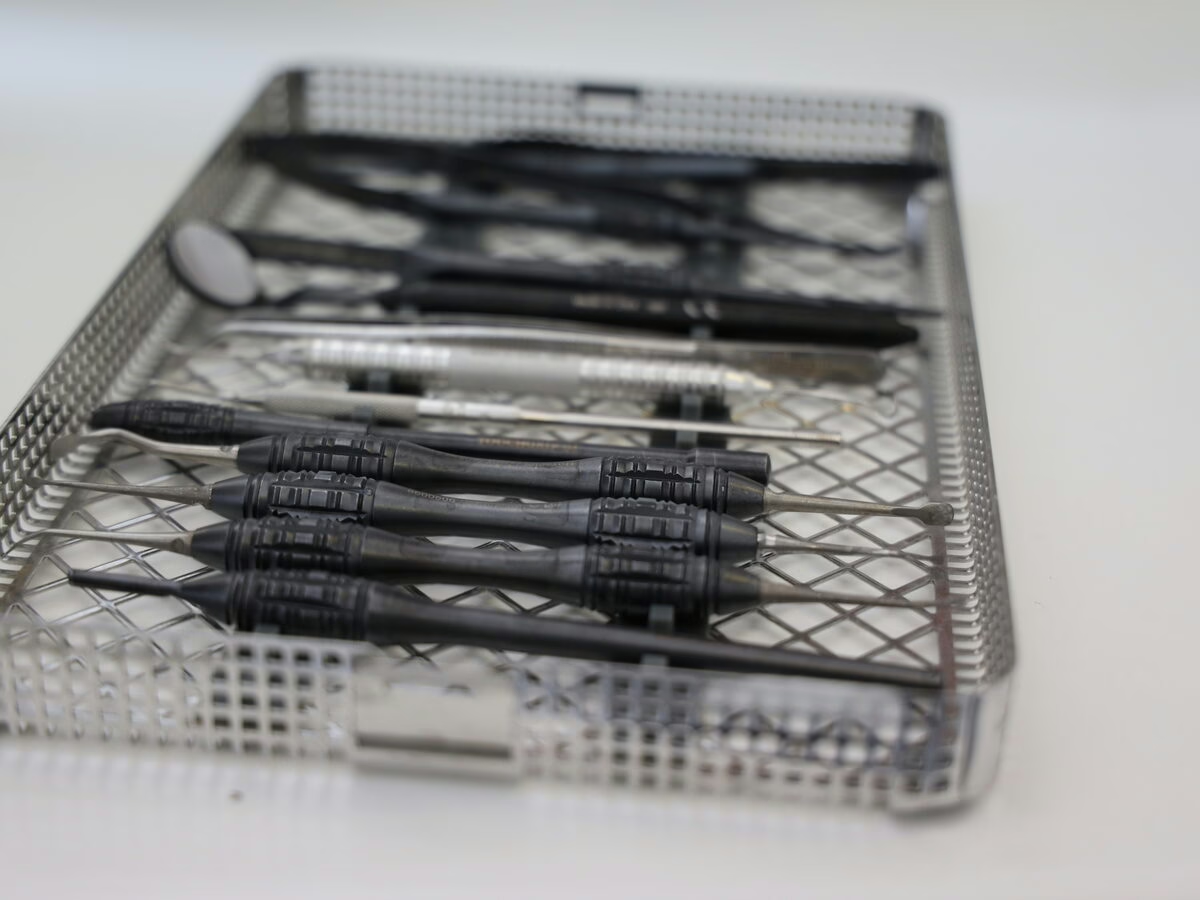
Our focus is on providing honest options and a calm, unhurried environment where you can make an informed decision, with a no-pressure approach to consultations.
Ope was incredibly professional, explaining every step of the procedures and ensuring I was comfortable throughout.
Professionalism is the foundation of how we manage complex cases. Dr Sodeinde keeps every step of the process clear. This transparency helps reduce the anxiety often associated with surgical work.
We assess the specific requirements of your case during a consultation. This appointment lets us explain the precise surgical method used to reposition the bone and how the process keeps the result stable.
The feasibility of reversing a procedure depends on the extent of the bone movement and healing. We discuss the permanent nature of these changes and your specific goals during your initial assessment.
Fees for reconstruction vary based on the complexity of the case. We give you a detailed cost breakdown for your assessment after a clinical examination of your jaw structure. Where a hospital referral is needed, surgical fees are separate.
The duration of the surgery and the subsequent healing period differ for every patient. You get a projected timeline for your recovery and the total treatment duration during your consultation.
Determining if you are suitable for this procedure requires a clinical examination. Dr Sodeinde assesses your specific anatomy to establish the necessary corrections. You can see what happens at your oral surgery consultation and how to book to begin this process.
We provide these services as part of our wider range of oral surgery in London. Our team focuses on precision and clinical accuracy for every case.
This includes a range of conditions we assess and refer for. You can find more information on corrective jaw surgery for alignment issues, distraction osteogenesis for bone growth, or facial fracture repair for acute injuries.
You will receive a written plan and an itemised quote that is yours to keep and use at any other practice. You can arrange your assessment with your specialist periodontist to determine if this option suits your case.
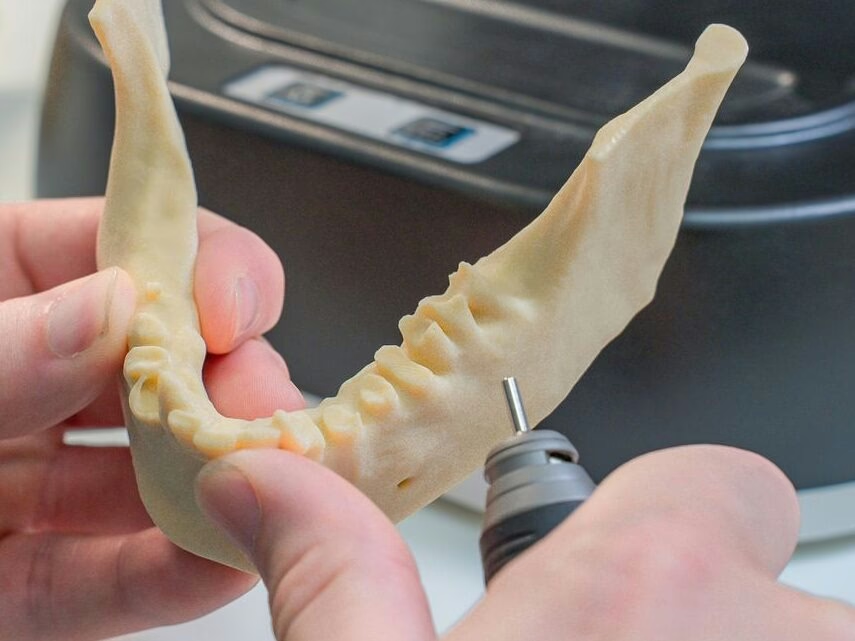
Real, verified Google reviews from patients of London Dental Specialists.
Your details are used to arrange your appointment and for nothing else.
111 Regent's Park Road, Primrose Hill, London NW1 8UR
Use our contact page if you would rather ask something than book.