Family Friendly & Specialty Dentists in London, UK

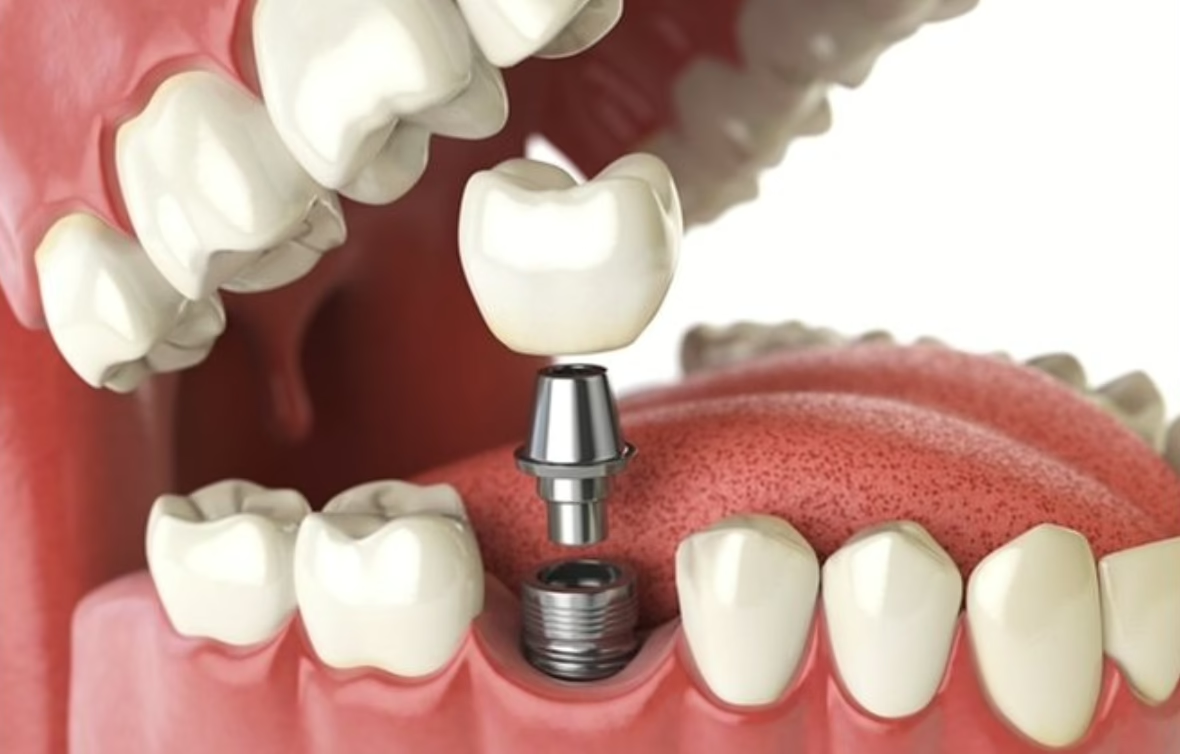
Yes, thorough cleaning before crown placement is essential. Professional cleaning removes plaque, tartar, and bacteria from the implant site, creating suitable conditions for crown integration. This process helps reduce infection risks, promotes healthy gum tissue, and supports the implant-bone interface. Proper sterilisation protocols help minimise post-operative complications and support osseointegration. Following pre-procedure preparation guidelines, including consistent oral hygiene and prescribed medications, may significantly impact long-term implant outcomes. Understanding the full scope of preparation and aftercare protocols reveals important factors for achieving favourable results.
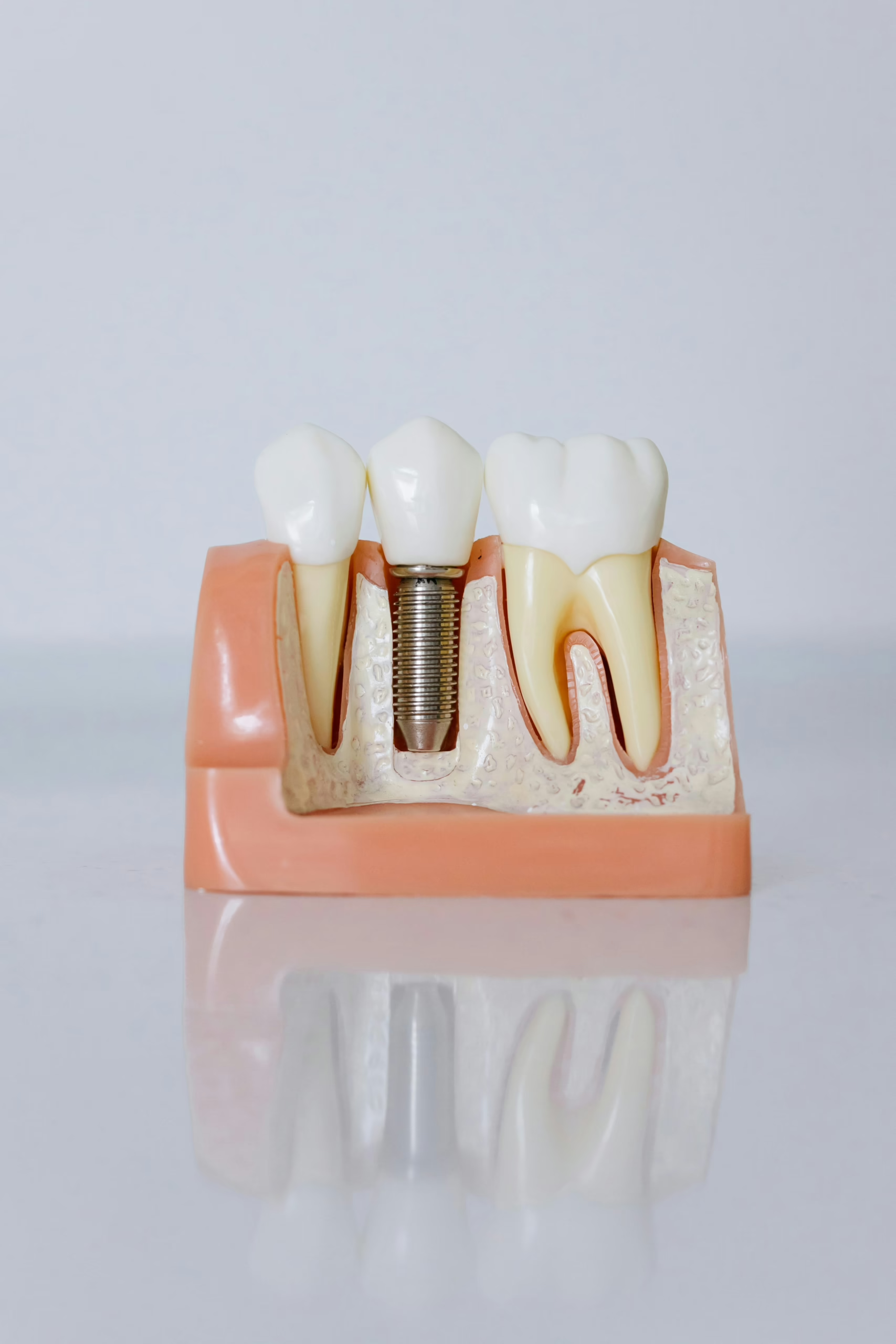
Because dental implants serve as artificial tooth roots, they require the same level of care and maintenance as natural teeth throughout the treatment process. Titanium implants are designed to integrate with your jawbone and provide a stable foundation for your restoration.
Before placing a crown on a dental implant, thorough cleaning of the implant site removes plaque and bacteria that could compromise the procedure and lead to postoperative infections. This pre-crown cleaning helps establish suitable conditions for implant crown placement.
A detailed cleaning eliminates tartar buildup that can interfere with crown fit and longevity. The process also evaluates gum tissue health, which directly impacts integration outcomes. By removing contaminants, plaque removal helps establish a strong bond between implant and crown, potentially minimising complications.
Proper pre-crown cleaning addresses infection prevention and may reduce postoperative issues such as inflammation. This proactive approach supports the healing process by creating a clean surgical environment. Regular dental check-ups every 6 months following crown placement help monitor the implant and prevent peri-implantitis from developing.
Ultimately, thorough cleaning of dental implants before crown placement supports both immediate results and long-term outcomes.
Removing plaque before crown placement creates a clean environment that supports the body's natural healing response and may help reduce infection risk during the critical integration phase.
This cleaning supports osseointegration by promoting healthy gum tissue around the implant, which is essential for the implant to fuse with the jawbone.
Proper pre-crown cleaning also helps establish the foundation for long-term success, as implants can last 20-30 years with proper care when integrated effectively with surrounding bone structure.
When plaque and bacterial deposits accumulate on dental implants, they compromise both the immediate healing environment and long-term osseointegration with the jawbone. Effective plaque removal before crown placement directly enhances surface cleanliness, establishing ideal conditions for bone integration.
Thorough cleaning eliminates pathogenic bacteria that trigger peri-implantitis, a destructive condition threatening implant integrity. Research demonstrates that plaque-free implants experience considerably lower infection risk during the healing process, facilitating smoother tissue response and recovery.
Proper hygiene protocols at this critical stage strengthen the implant-bone interface, potentially improving implant longevity. By removing bacterial biofilms before restoration, clinicians may minimise complications and establish a foundation for stable osseointegration that supports dental implants throughout their functional lifespan.
The foundation of successful implant integration rests on a clean titanium surface. When dental implants are thoroughly cleaned before crown placement, they create an ideal environment for bone cell attachment—a critical phase of osseointegration.
A clean implant surface directly facilitates faster and more stable bone integration when proper oral hygiene is maintained.
Cleaning also greatly reduces inflammation around the implant site, which is essential for healthy bone healing. Inflammation can compromise osseointegration by interfering with the bone's ability to bond with the implant.
Additionally, removing plaque and bacteria before crown placement minimises the risk of peri-implantitis, a condition that can jeopardise long-term implant stability and longevity. Proper cleaning protocols directly support the biological processes necessary for successful integration.
Preparing adequately before crown placement on dental implants may improve procedural outcomes and recovery. A professional dental cleaning removes plaque and tartar buildup, ensuring suitable conditions for the procedure.
Patients should maintain consistent oral hygiene in the weeks leading up to their appointment to help prevent infections that could compromise results. Following prescribed medications for pain management or infection prevention is important.
Consistent oral hygiene before implant crown placement prevents infections and supports optimal procedural outcomes and recovery.
Organising post-treatment care instructions beforehand facilitates smoother recovery and may help reduce complications. Our dental specialists will provide detailed aftercare guidance tailored to your specific implant treatment to ensure optimal healing and long-term success.
If sedation is planned during crown placement, patients must arrange reliable transport to ensure they can travel home afterwards. These pre-procedure preparation steps—from infection prevention to logistical planning—collectively establish the foundation for implant crown placement and long-term dental health.
Bacterial plaque removal during implant cleaning eliminates contaminants that compromise osseointegration and may contribute to conditions such as peri-implantitis.
Sterilisation protocol standards establish consistent procedures that help reduce post-operative complications.
Optimising gum health through pre-crown placement hygiene prevents plaque accumulation and protects surrounding tissues, supporting long-term implant stability and function.
The graft material selected during the initial bone grafting assessment, whether autograft, allograft, xenograft, or alloplast, must be thoroughly cleaned and sterilized before implant placement to ensure biocompatibility and minimize infection risk.
Eliminating bacterial plaque before crown placement stands as a critical step in preventing infections and complications during implant healing.
Plaque accumulation at the implant site creates conditions favourable for peri-implantitis development, a serious inflammatory condition caused by bacterial colonisation.
Professional cleaning techniques effectively remove debris and microbial contamination, establishing a clean interface between implant and crown. This preparation directly enhances restoration longevity and bond strength.
Antiseptic mouthwash applications further reduce pathogenic organisms at the surgical site.
Proper sterilisation protocols minimise infection risk and support ideal healing response.
Clinical evidence demonstrates that meticulous plaque removal before crown placement may improve outcomes and support post-operative recovery.
These preventive measures represent essential clinical practice in implant dentistry.
Adherence to established sterilisation protocols represents a cornerstone of infection prevention in implant dentistry.
Organisations such as the CDC provide thorough sterilisation standards that dental professionals follow during crown placement procedures.
High-level disinfectants and autoclaving ensure that dental instruments and the implant site remain pathogen-free before treatment begins.
Proper sterilisation of dental implants and surrounding surfaces reduces bacteraemia risk, which can compromise implant integration.
Implementation of infection control measures, including disposable barriers and personal protective equipment, enhances patient protection throughout the procedure.
Research demonstrates that adherence to these sterilisation protocols may decrease post-placement dental infections.
When implants receive thorough cleaning before crown placement, the surrounding gum tissue experiences significant health benefits that directly influence treatment success.
Removing plaque and bacteria through proper sterilisation reduces infection risk and prevents peri-implantitis, an inflammatory condition that compromises implant stability.
Clean implant sites promote ideal gum health by establishing a sterile environment that supports healing and osseointegration—the critical process of bone-implant fusion.
Healthy gum tissue directly correlates with improved outcomes and implant longevity.
Regular cleaning and assessment before crown placement enhance tissue conditions, minimising post-operative complications.
The foundation of implant longevity rests on diligent post-placement care. Following dentist-prescribed aftercare instructions directly impacts crown placement outcomes and dental implants' lifespan.
Rigorous oral hygiene minimises peri-implantitis risk, which may affect a proportion of patients when proper cleaning protocols are neglected.
Long-term outcomes require:
Well-maintained dental implants can function effectively for many years, extending crown placement durability.
Professional cleanings enable practitioners to assess restoration integrity and detect complications early.
Advanced 3D imaging technology allows practitioners to monitor implant integration and track healing progress throughout the osseointegration process.
Neglecting aftercare may compromise both implant and crown longevity. Patients who prioritise post-placement care tend to achieve favourable outcomes and maximise their investment in dental implant treatment.
Deep cleaning before crown placement is typically recommended, though not always mandatory.
A thorough cleaning removes plaque and tartar, establishing a healthy foundation for the crown and reducing infection risk.
The dentist assesses whether deep cleaning is necessary based on the tooth's condition and gum health.
Following professional cleaning recommendations greatly improves crown longevity and overall treatment success, preventing potential complications like gum disease or crown failure.
The 3/2 Rule for dental implants establishes critical spacing guidelines: maintaining 3 mm distance between the implant and adjacent teeth or structures, whilst ensuring 2 mm clearance between the implant and surrounding bone.
This spacing prevents bone resorption, enables proper osseointegration, and allows adequate space for cleaning and maintenance.
Adherence to these measurements supports implant longevity, particularly when multiple implants are placed, helping to minimise complications and promote long-term stability.
Dental implants require consistent cleaning to prevent plaque and bacteria accumulation.
A proper routine includes brushing twice daily with a soft-bristled toothbrush and fluoride toothpaste, plus daily interdental brush use between implants and natural teeth.
Regular dental check-ups are essential for monitoring cleanliness and integrity.
Neglecting implant hygiene risks staining, discolouration, and peri-implantitis, a serious inflammatory condition that can compromise implant longevity.
A dental crown typically can be placed on an implant four to six months after implant insertion, once osseointegration completes.
This timeline allows the bone to adequately fuse with the implant, establishing a stable foundation.
Individual healing rates vary, and the specific implant system used affects placement timing.
Some cases may permit temporary crowns, though individual circumstances differ.
Regular dental follow-ups during healing help assess integration and crown readiness.
Pre-crown cleaning of dental implants represents standard clinical protocol that may enhance treatment outcomes. Removing debris and biofilm from the implant surface promotes favourable osseointegration, helps reduce infection risk, and establishes a suitable foundation for crown placement. This preparation step, combined with proper sterilisation techniques, can contribute to implant longevity. Dental practitioners should consider incorporating thorough cleaning into their pre-prosthetic procedures as part of their clinical protocol.