Family Friendly & Specialty Dentists in London, UK
Pulp vitality tests check whether the nerve inside a tooth is still alive and healthy, inflamed, or has died. The answer decides whether the tooth needs root canal treatment, a smaller protective procedure, or no treatment at all.
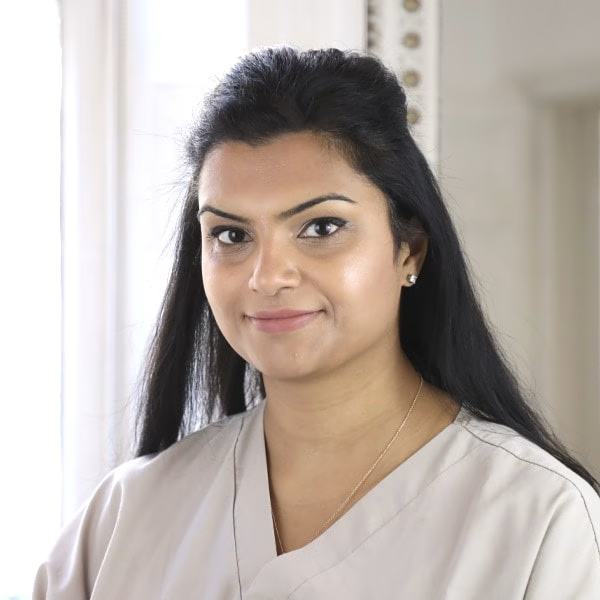
Dr Neha Patel, specialist in endodontics, carries out these assessments at our Primrose Hill practice.
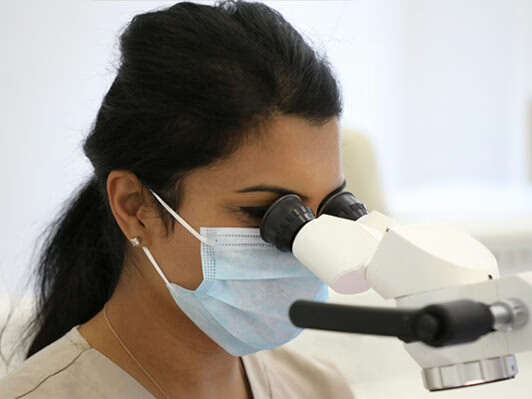
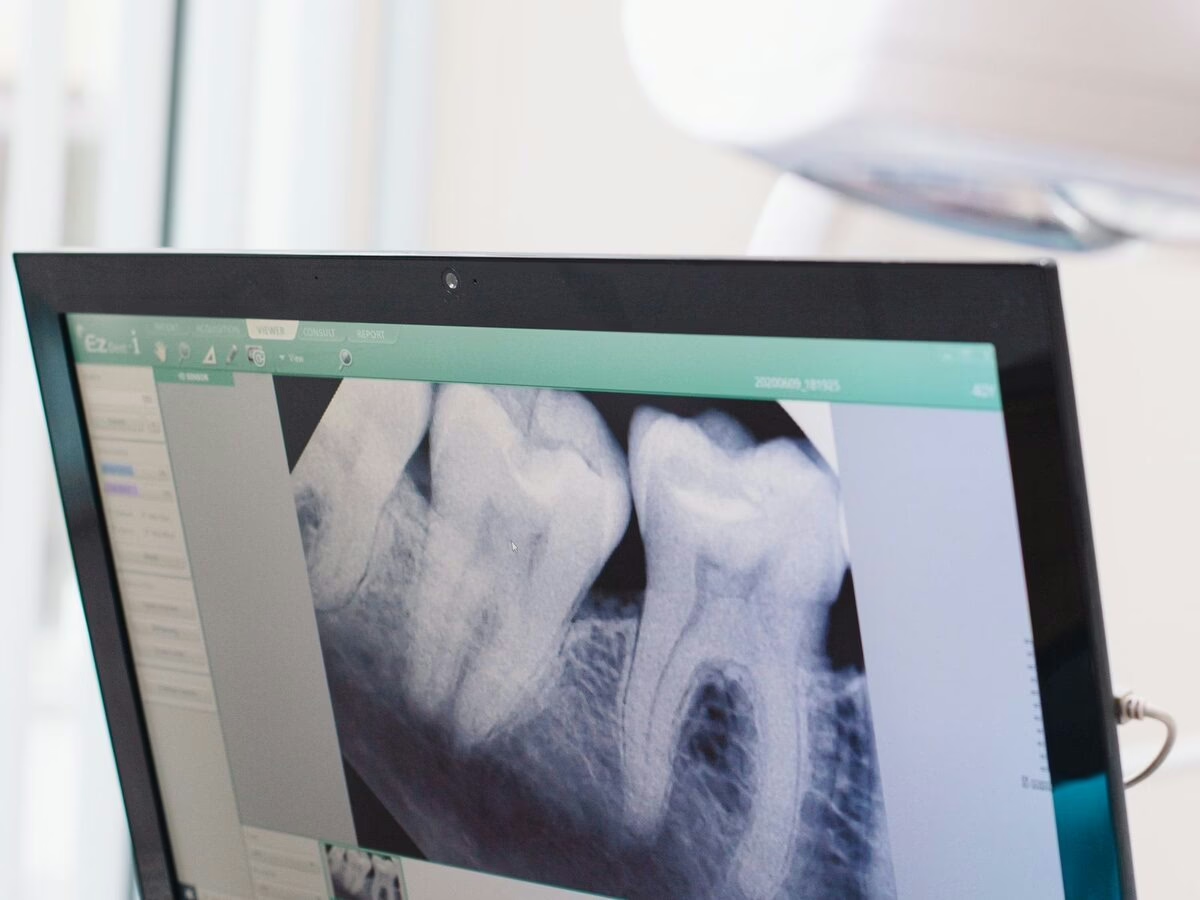
Persistent tooth pain is often confusing. You may not know whether the nerve is damaged or whether a hidden fracture is the cause. Pulp vitality tests apply a cold or electrical stimulus to the tooth and record how the nerve responds, which tells us whether the pulp is healthy, inflamed, or dead. Combined with your symptoms and X-rays, this gives us the information needed for an accurate diagnosis and a targeted plan for endodontics in London.
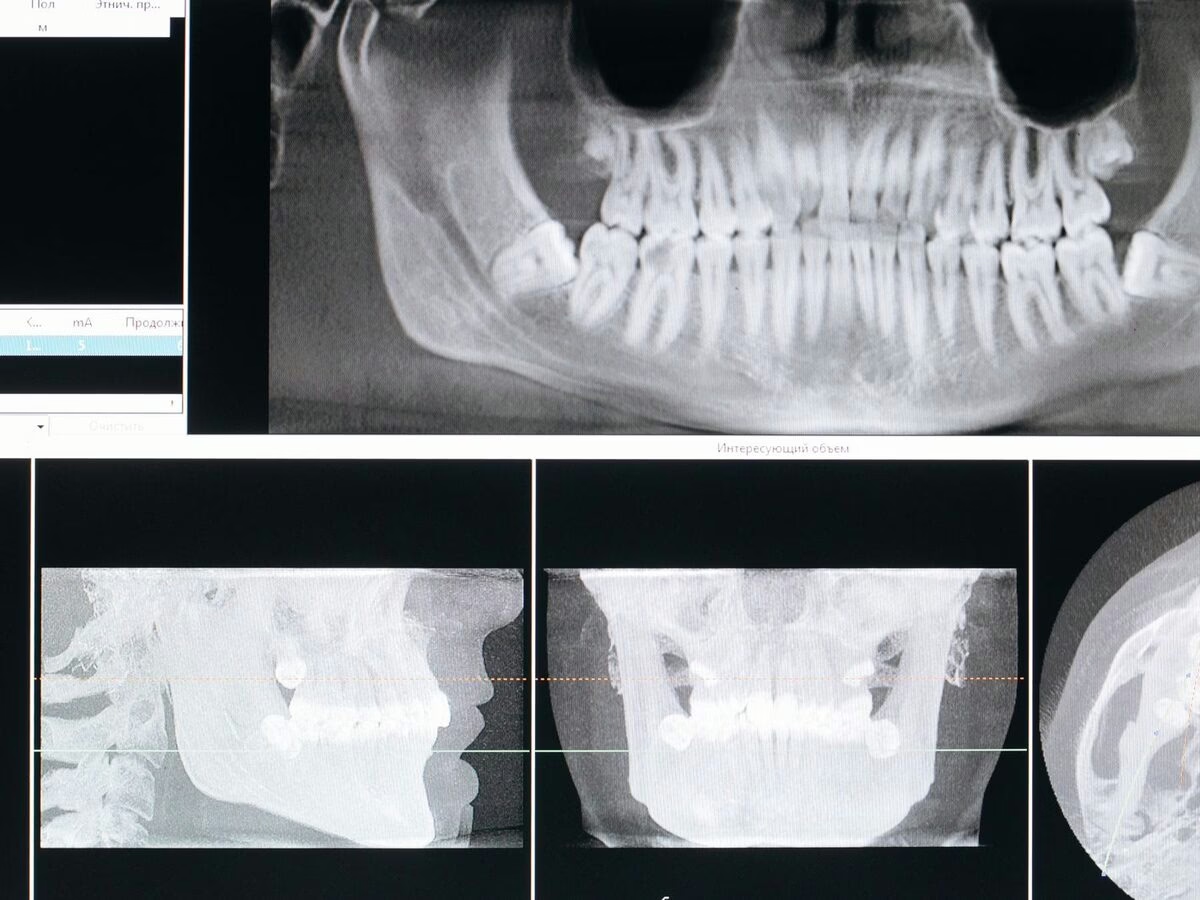
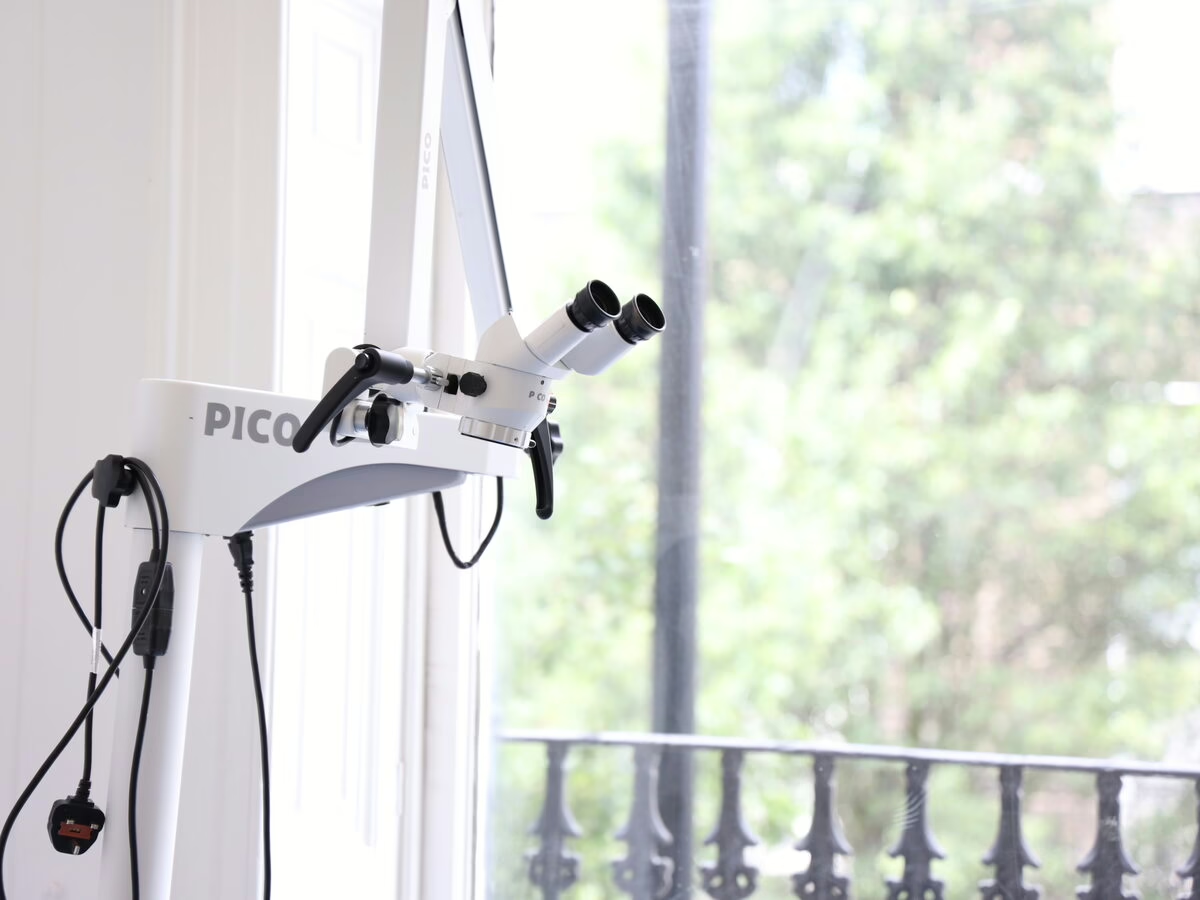
Some cases are more complex. We use 3D CBCT imaging and an operating microscope to diagnose cracked tooth syndrome or incomplete fractures, which reduces the need for exploratory treatment. Dr Patel uses these methods to keep as much natural tooth as possible and avoid unnecessary extractions.
The wrong treatment for a damaged tooth usually comes from an imprecise diagnosis. Dr Patel works diagnosis-first, so we decide whether a tooth is saveable before any procedure is proposed and you only undergo what is necessary. We provide thermal and electric pulp testing for tooth sensitivity to map nerve response. If the cause of pain remains unclear after testing, we can carry out exploratory surgery for root fracture diagnosis.
Cost matters to most patients. You receive an itemised quote after the initial consultation, which also confirms which tests your case requires, so you understand the cost of your care before it begins.
Leave your number and we will call you back. Nothing is booked until you say so.
Anyone with tooth pain, lingering sensitivity, or a tooth that has darkened after an injury may need these tests. Many people are anxious about losing a tooth or have heard myths about root canals, and we do not judge anyone for delaying care. The tests show whether the pulp is healthy or whether the nerve has died, which helps us decide whether you need root canal treatments: which option fits.
A consultation with Dr Patel lets us examine your specific symptoms and set out a clear path forward.
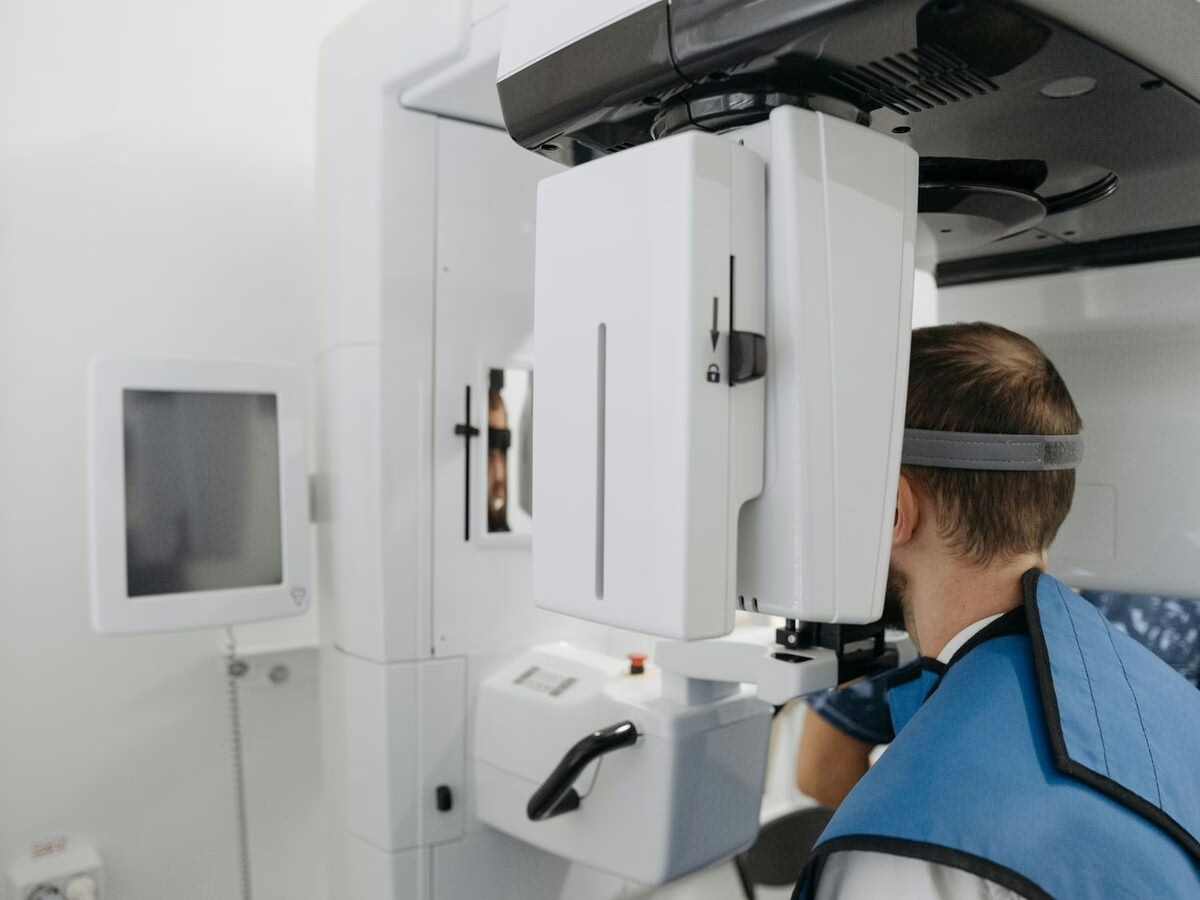
We examine the tooth for signs of infection or decay and check the surrounding gum and bone. Where the internal anatomy is unclear, we may use CBCT 3D imaging to see it properly.
We apply a controlled stimulus to the tooth and compare the response with a healthy neighbouring tooth. This distinguishes a living nerve from one that has died. The test is quick and gives us the data to decide whether infected nerve tissue must be removed.
We combine the test results with the examination and imaging to form a diagnosis, then explain the findings in plain language so you understand the state of your tooth.
Once the nerve health is confirmed, we agree the next steps. This may be a protective procedure to keep the nerve alive or root canal treatment if it has died. We discuss the timeline and any potential complications honestly. If you feel nervous, we can discuss anaesthetic options at this stage.
Where treatment follows, it is carried out under an operating microscope with fine instruments and modern materials for filling and canal disinfection, and we use 3D imaging where the anatomy calls for it. The same magnification lets us diagnose tooth fractures that are invisible to the naked eye. This work is done by Dr Neha Patel, specialist in endodontics (GDC No. 150517).
Where a nerve can be kept alive, we use bioactive materials that encourage the pulp to lay down a protective layer of dentine over the exposed area. Our wider endodontic work includes root canal retreatment, apicoectomy, cracked tooth treatment, dental trauma care and treatment for luxation.
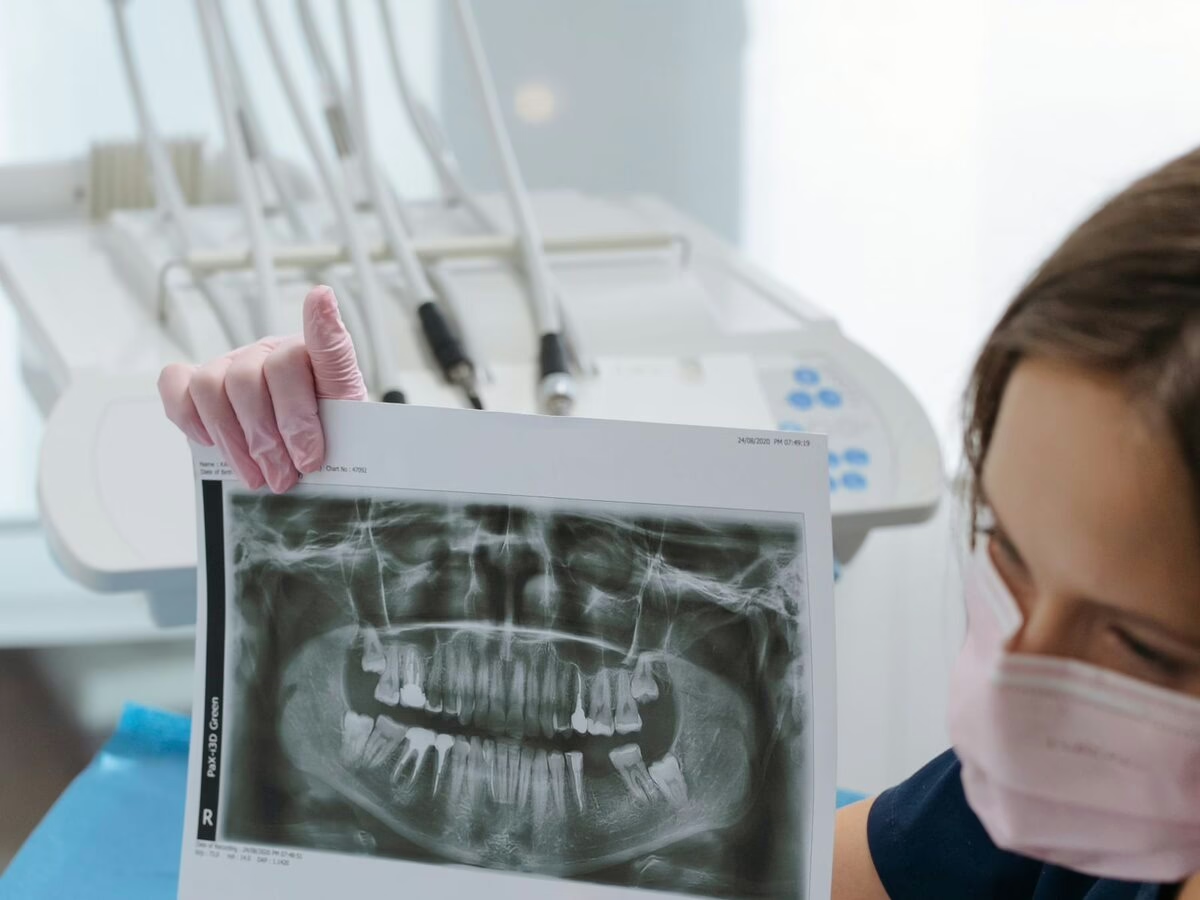
Dental anxiety is common when a nerve problem is suspected. We work in a calm, unhurried manner for patients who feel anxious, and we give honest options without pressure so you can decide on the right path for your tooth.
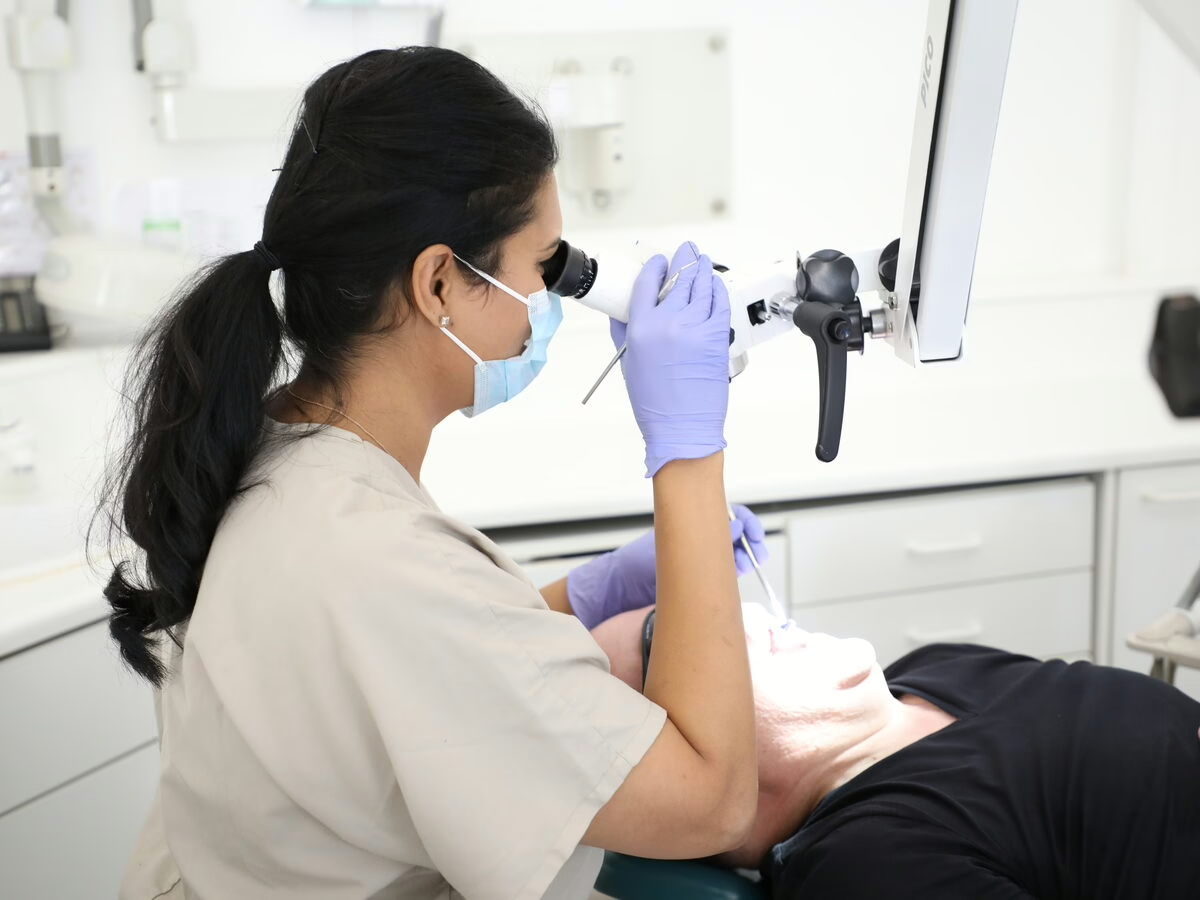
Pulp capping places a protective material over a nerve that has been exposed or nearly exposed, to help it heal rather than removing it. Whether it is suitable depends on the test results, which is why we assess before we recommend it.
Fees for these assessments are confirmed at your initial consultation, with a clear breakdown of costs after we have examined your teeth.
The tests themselves take minutes. We allow enough appointment time to evaluate the nerve health of the affected tooth properly rather than rushing the result.
Dr Patel selects the testing method based on your clinical picture, usually a cold test and an electric pulp test, alongside X-rays and a clinical examination.
Working out the status of a tooth needs a careful clinical examination. Dr Patel uses these tests to identify whether a nerve is healthy, inflamed, or necrotic, and to decide how the findings fit into wider root canal care. We explain what happens at your root canal consultation and how to book so you know what to expect.
020 7589 7792
A consultation with Dr Patel confirms the tests your diagnosis needs. The pages on thermal and electric pulp testing and on exploratory surgery for root fracture diagnosis, linked above, explain those steps in more detail.
You receive a written plan and an itemised quote from Dr Patel, which is yours to keep and use at any other practice.
020 7589 7792
Real, verified Google reviews from patients of London Dental Specialists.
Your details are used to arrange your appointment and for nothing else.
111 Regent's Park Road, Primrose Hill, London NW1 8UR
Use our contact page if you would rather ask something than book.