Family Friendly & Specialty Dentists in London, UK
Dental trauma care manages injuries to the teeth and supporting structures with the aim of preserving the natural tooth. Dr Neha Patel, specialist in endodontics (GDC No. 150517), sets the treatment timeline once she has assessed the severity of the impact.
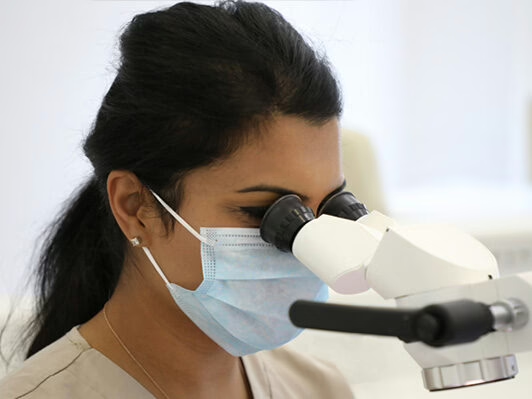
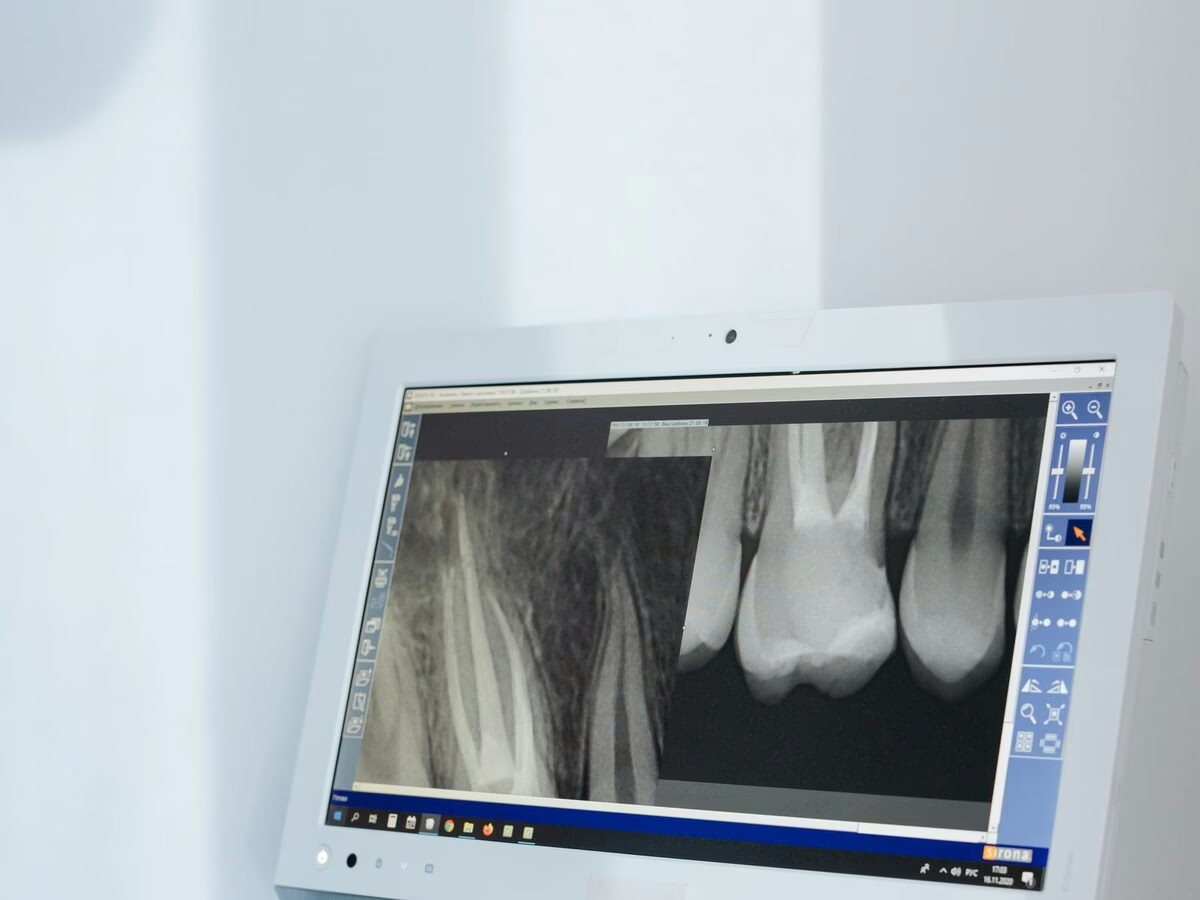
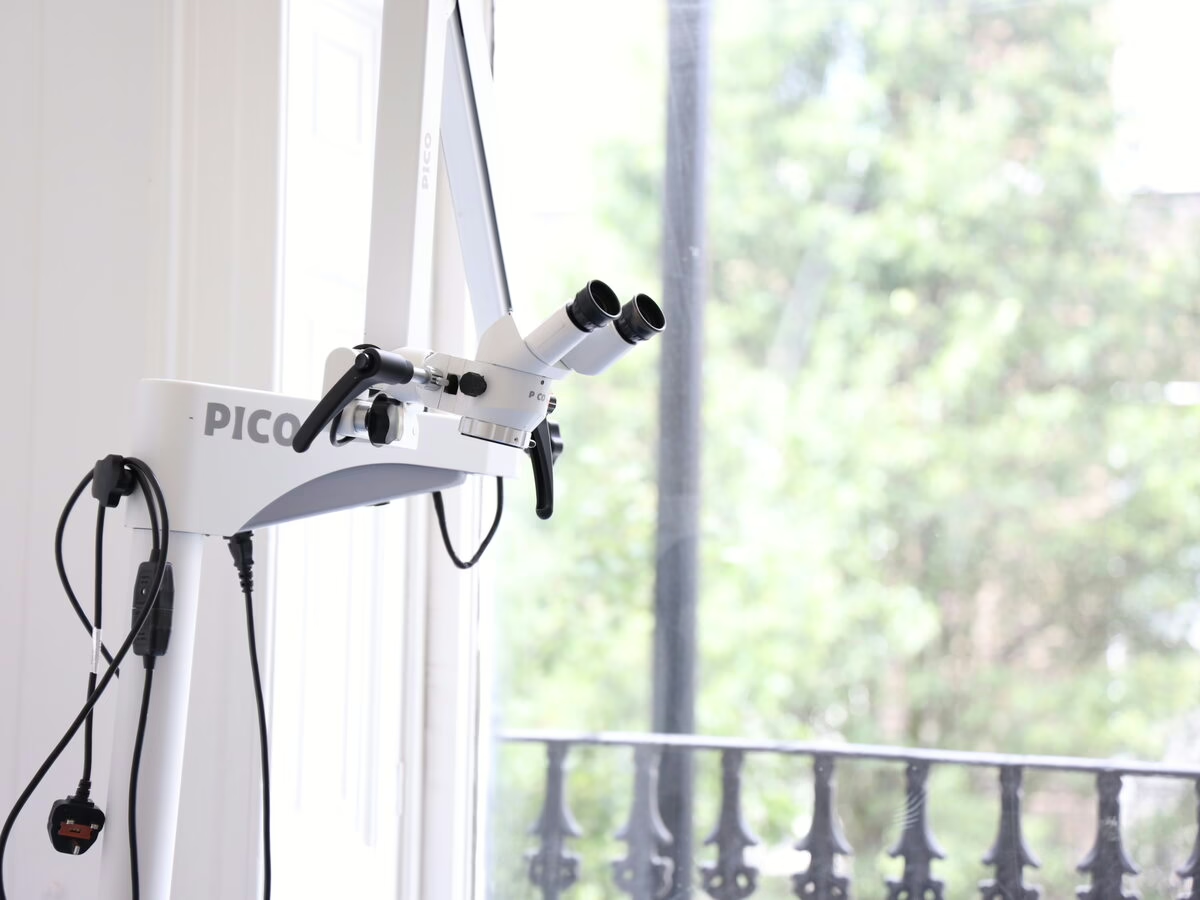
A sudden blow to the face often leaves you unsure whether the damage is superficial or internal. You may be dealing with a cracked tooth, an incomplete fracture, or a tooth that has been displaced. These injuries can be deceptive. A tooth can look intact while the nerve inside is compromised, causing severe pain or a hidden infection that spreads to neighbouring teeth. We provide endodontics in London to identify these issues early and preserve the natural tooth. Dr Patel uses 3D CBCT imaging and an operating microscope to see what a standard exam might miss, combined with pulp vitality tests that use thermal stimuli to gauge the nerve's response.
Choosing the wrong treatment after an accident can cost you the tooth permanently. Dr Patel assesses the damage to decide whether the tooth can be saved or whether it needs knocked-out tooth treatment. We use a diagnosis-first consultation to give you an itemised quote before any work begins, and where root canal therapy is needed, our root canal aftercare guide supports your recovery afterwards.
Leave your number and we will call you back. Nothing is booked until you say so.
Impact injuries often leave you anxious about how your teeth look, and our priority is simply to save the natural tooth. We assess the internal damage to decide whether the tooth can be preserved. Depending on the injury, we may carry out pulp capping to protect the nerve, or, if a previous root canal has failed, root canal retreatment. Dr Patel manages these cases to prevent tooth loss, and the specific requirements for your care are set out at the clinical assessment.
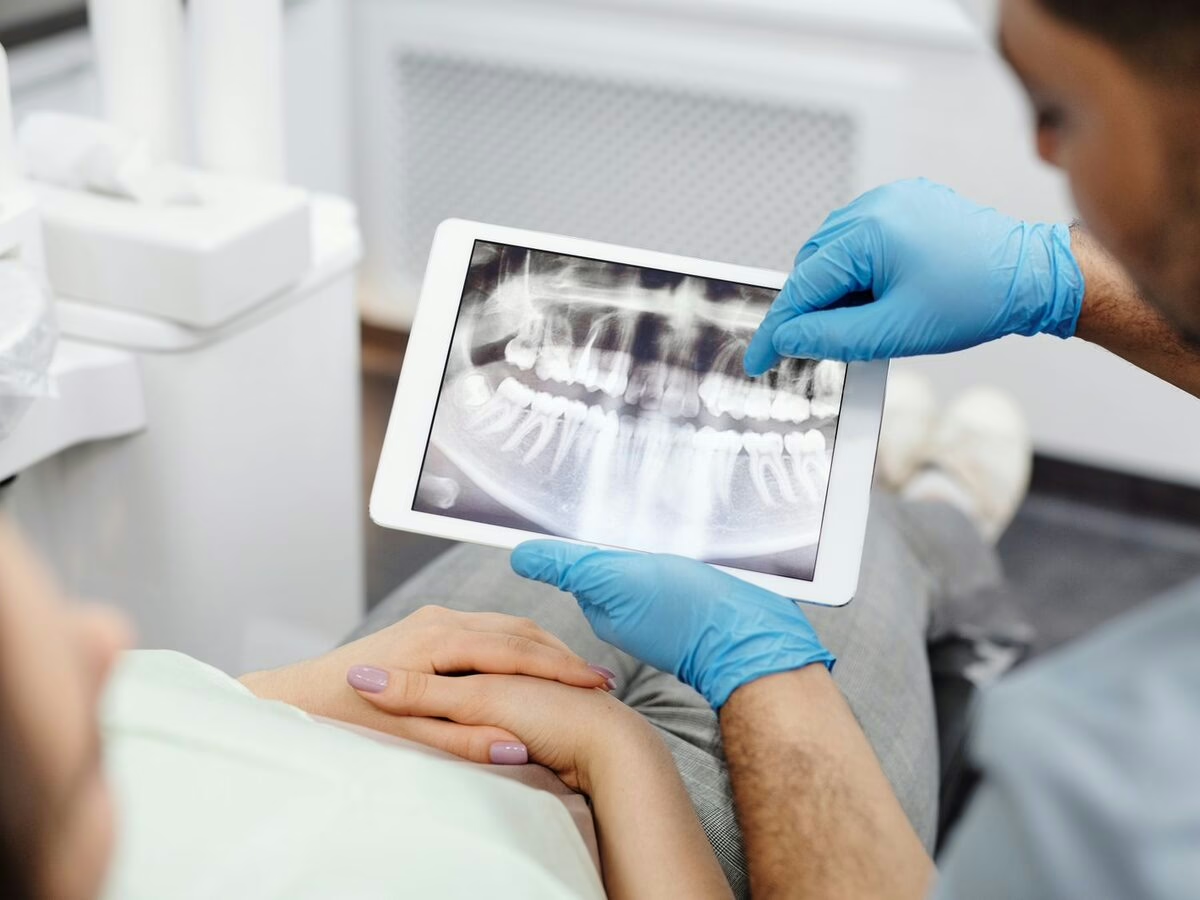
We begin by examining the extent of the impact. This first visit shows whether the tooth is saveable and identifies any internal damage, and we use it to explain the risks and the likely timeline for recovery.
If the injury has caused infection, we remove the damaged nerve tissue to stop the spread of bacteria. Depending on the damage, we may carry out a pulpotomy to remove only part of the pulp.
We clean and seal the internal canals to preserve the natural tooth and stabilise the structure. Where inflammation persists at the root tip, we can provide an apicoectomy.
Recovery takes time. We schedule follow-up visits to check the tooth and catch any new complications early, and we are upfront about the timeline while the tooth stabilises.
Once the internal health of the tooth is confirmed, we secure the final restoration. This protects the tooth from future fractures and keeps your natural smile intact.
We use operating microscopes for the precise diagnosis of tooth fractures and the disinfection of infected pulp, alongside precision instruments and bioactive materials that encourage a protective dentine bridge to form and support pulp healing.
Our team provides a range of restorative options, including apicoectomy, root canal retreatment, and cracked tooth treatment. This work is led by Dr Ope Sodeinde, GDC-registered specialist periodontist (GDC No. 104071).
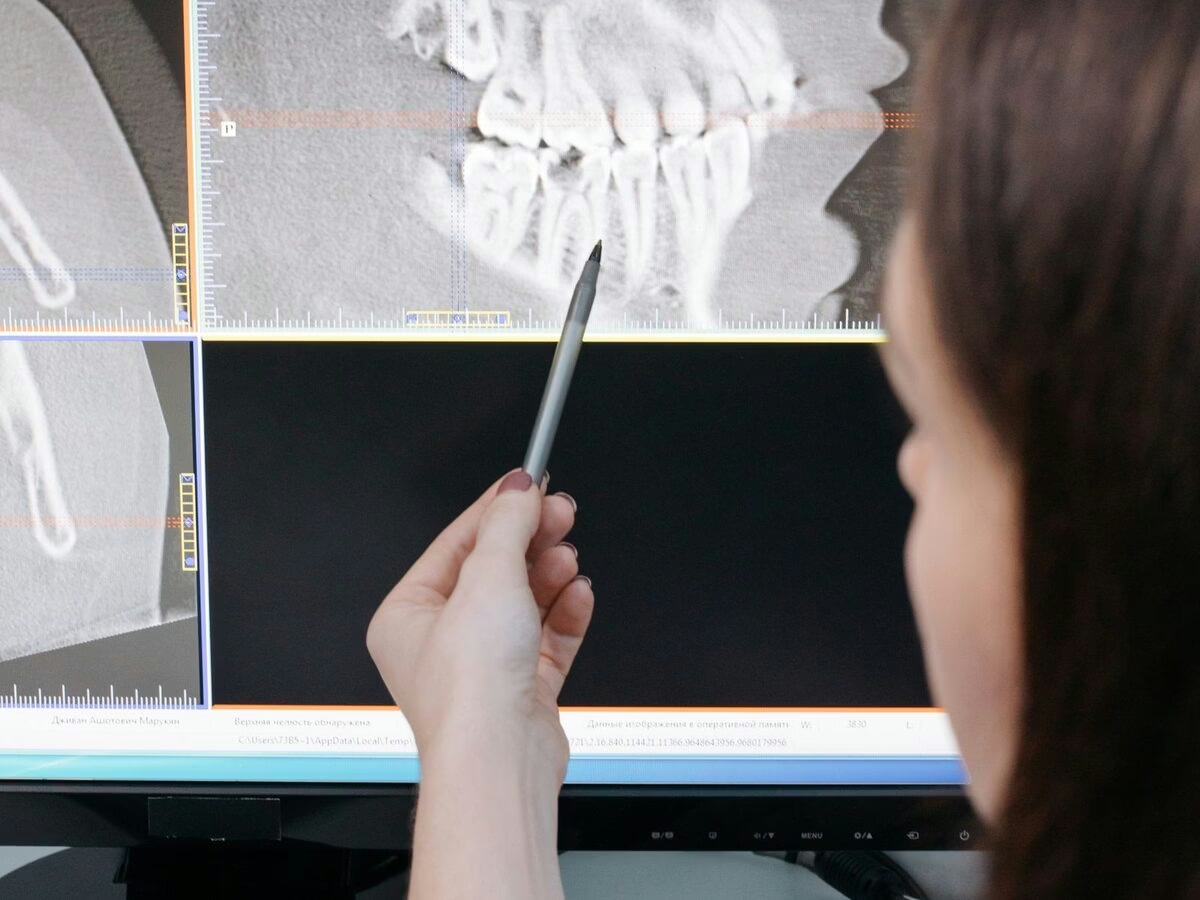
Dental trauma occurs when a tooth is damaged by an external force. This includes chips, fractures, or teeth that have been knocked loose or completely out. We provide cracked tooth treatment to manage these injuries and prevent further damage.
Costs vary depending on how severe the injury is and the treatment required. We confirm the exact fee at your initial consultation, after a clinical assessment of the damage.
The timeframe depends on the type of trauma. Some repairs are completed in one visit, while complex cases need several appointments. If you need same-day emergency dental care, we prioritise urgent assessments to stabilise the tooth.
We use local anaesthetic so you are comfortable during the procedure. Our focus is on removing the pain caused by the injury while we work to save the tooth.
An impact injury needs a precise clinical evaluation. Dr Patel assesses the damage to decide whether the tooth can be kept or whether further treatment is needed. You can read what happens at your root canal consultation and how to book to secure an appointment.
020 7589 7792
At your consultation we assess the specific nature of your injury and set out the most effective clinical path, with a range of interventions depending on the stage of the damage: knocked-out tooth treatment, luxation injuries, cracked tooth treatment, root canal retreatment, apicoectomy, and a detailed aftercare guide to support recovery.
You receive a written plan and an itemised quote that is yours to keep and use at any other practice. You can arrange your assessment with Dr Patel to determine the care your injury needs, with payment particulars available from our staff.
020 7589 7792

Real, verified Google reviews from patients of London Dental Specialists.
Your details are used to arrange your appointment and for nothing else.
111 Regent's Park Road, Primrose Hill, London NW1 8UR
Use our contact page if you would rather ask something than book.
