Family Friendly & Specialty Dentists in London, UK
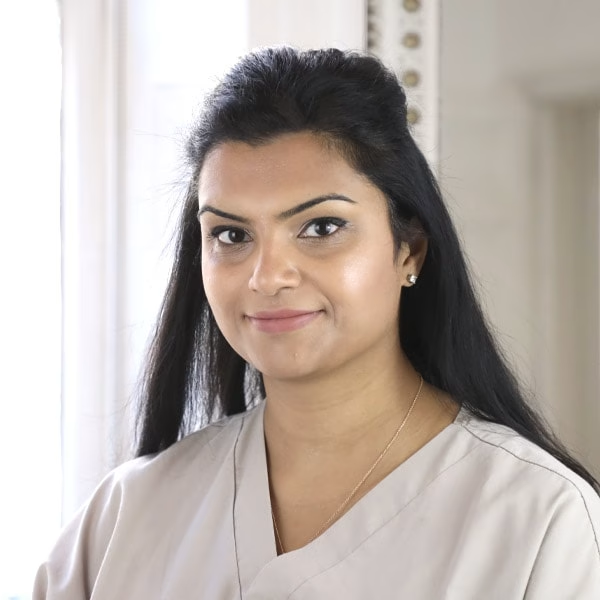
Knocked-out tooth treatment starts with an immediate assessment of the tooth's viability and steps to stabilise it. Dr Neha Patel, specialist in endodontics (GDC No. 150517), manages these cases.
The time treatment takes depends on the specific injury and the condition of the root. A consultation sets the timeline for your recovery.
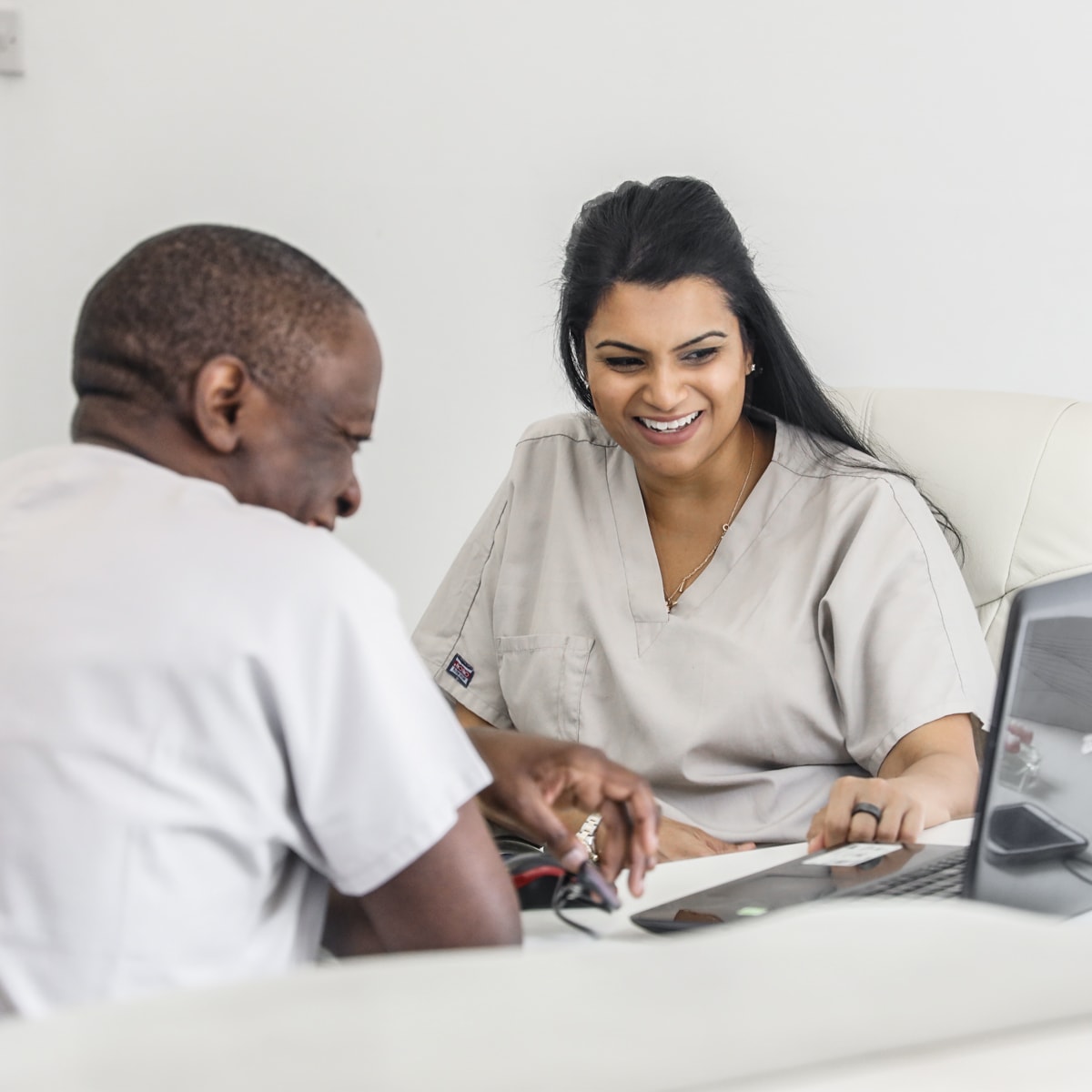
Losing a tooth to an accident is sudden and stressful, and the first question is always whether the tooth can be saved. We use 3D CBCT imaging and pulp vitality tests to find the cause of the pain and assess the nerve's response, so we can judge whether the tooth can be preserved. These endodontics in London services also cover dental trauma care and luxation treatment, to stop infection spreading and avoid extraction where possible.
Dr Patel uses microscopic examination to find incomplete fractures that are often invisible to the naked eye, so we preserve as much natural tooth structure as possible.
Choosing the wrong treatment for a knocked-out tooth can cost you the tooth permanently. We start with a diagnosis-first consultation and a transparent, itemised breakdown of costs before you commit to anything. Depending on the root damage, we may carry out a pulpotomy to remove part of the pulp, or, where inflammation persists, an apicoectomy to treat the root tip. Dr Patel assesses each case to decide what it needs.
Leave your number and we will call you back. Nothing is booked until you say so.
Losing a tooth to an impact is distressing, and we understand you may feel anxious arriving for an emergency appointment. Our focus is entirely on saving the tooth. We assess whether the tooth can be replanted or whether the root is too damaged, and may recommend cracked tooth treatment for fractures or root amputation to remove a compromised root. We provide a calm environment for these urgent cases, and set out the cost and timeline at your consultation.
We begin by assessing the damage to the tooth and surrounding bone, to establish whether the natural tooth is saveable. We use CBCT 3D imaging to map the root anatomy precisely, identifying fractures or displacement that a standard X-ray might miss.
If the tooth is loose or displaced, we focus on stabilising it to prevent further movement and protect the periodontal ligament, as part of our dental trauma care. The aim is a stable environment for the tooth to reattach.
Trauma often damages the nerve. We remove infected nerve tissue from the root canal under magnification, to prevent an abscess and stop the pain.
Recovery from a knocked-out tooth takes time. We monitor the tooth over several weeks to check it stays viable, and we are upfront about the risk of complications and adjust the plan if the tooth does not settle.
Once the infection has cleared and the tooth is stable, we restore it so the result blends with your natural teeth and your bite and jaw structure are preserved.
We use operating microscopes, precision instruments, and modern materials for filling and canal disinfection, along with bioactive materials that encourage dentine bridge formation and support pulp healing.
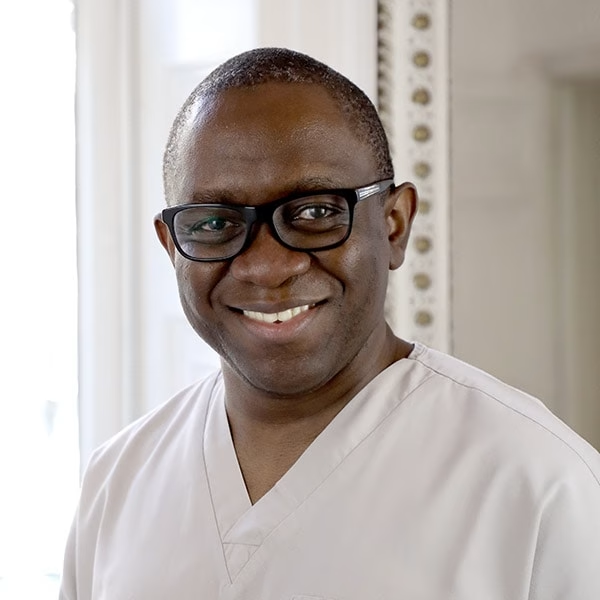
The same magnification supports precise diagnosis of tooth fractures and the microsurgery that preserves the natural tooth. You can review the expertise of Dr Ope Sodeinde, GDC-registered specialist periodontist (GDC No. 104071).
Our clinical range includes dental trauma care, apicoectomy, and root canal retreatment, as well as cracked tooth treatment and luxation care.
Fees depend on the clinical needs of the tooth. We confirm the exact cost at your consultation, after assessing the damage.
The timeline depends on the injury. We confirm a specific timeframe at your assessment, or you can access same-day emergency dental care for immediate stabilising.
We use local anaesthetic so you are comfortable. If fear of judgement or anxiety is holding you back, we provide a supportive environment for your care.
Longevity depends on the health of the tooth and how successful the re-implantation is. We assess the prognosis at your visit, including whether you also need care for luxation injuries.
Whether a tooth can be saved depends on the time since the injury and how it was handled. Dr Patel examines the root and surrounding tissue to decide whether the tooth can be replanted or whether other options are needed. You can read what happens at your root canal consultation and how to book to set out a clinical plan.
020 7589 7792
At your consultation we assess the specific damage to your tooth and set out the most effective way to save it, whether that means dental trauma care, luxation injury treatment, pulp capping, pulpotomy, cracked tooth treatment, or apicoectomy for persistent inflammation.
You receive a written plan and an itemised quote that you own and can take to any other practice. Arrange your assessment with Dr Patel to find out the best way to save your tooth.
020 7589 7792
Real, verified Google reviews from patients of London Dental Specialists.
Your details are used to arrange your appointment and for nothing else.
111 Regent's Park Road, Primrose Hill, London NW1 8UR
Use our contact page if you would rather ask something than book.